
Sri Lanka’s e‑commerce market is no longer “emerging”—it is scaling fast, with online transaction values nearing Rs. 100 billion per quarter and growing over 20% year‑on‑year as of Q3 2024.[1] At the same time, market reports show steady growth in B2C e‑commerce value toward 2029, driven heavily by **mobile shoppers** as smartphones become the primary shopping device.[2][4]
In this context, a **local‑first website checklist** is no longer optional. Sri Lankan shoppers increasingly expect to pay in rupees, see familiar local payment brands, and complete purchases on mobile with minimal friction. Digital commerce is a key part of the country’s wider digital economy, which already contributes around 4.5% of GDP.[7][8]
For conversions, **FriMi, PayHere and other local gateways** are critical. They support common local cards, bank accounts and wallets, and can handle domestic cards that global gateways often reject or treat as high‑risk.[1][2] A checkout that only shows global options (like international credit cards) fails many Sri Lankan buyers who either do not have international cards or prefer local fintech brands they recognise and trust.
Local factors shape what must be on your checklist:
- User behaviour: Many shoppers browse and buy entirely on mobile, often through social media and marketplaces, making fast, tap‑friendly flows essential.[2][3]
- 4G connectivity: Patchy or slow mobile connections mean your site must be lightweight, quick to load, and resilient to timeouts during checkout.[3][4]
- Trust issues: Despite rapid growth, first‑time and regional buyers can be wary of fraud and non‑delivery, so visible trust signals and clear policies are vital.[1][7]
This checklist will help you design a Sri Lanka‑ready e‑commerce site that is optimised for **local buyers first**, not just global best practices. It will cover:
- UX: Navigation, product pages and checkout flows tailored to Sri Lankan browsing habits and mobile use.
- Payments: Integrating FriMi, PayHere and other domestic methods alongside any global gateways.
- Mobile: Performance, layouts and interactions for 4G‑first, smartphone‑heavy traffic.
- Trust: Reviews, delivery info, returns, contact details and security cues that reassure local shoppers.
- Legal: Compliance with Sri Lankan consumer protection, data and e‑commerce regulations.
- Optimisation: Analytics, localisation and continuous testing focused on Sri Lankan traffic and devices.
By following a local‑first checklist, you turn Sri Lanka’s fast‑growing, mobile‑dominated e‑commerce market into a conversion opportunity instead of a leakage point.

Mobile‑first design checklist for Sri Lankan shoppers
With more than 70% of Sri Lankan internet users accessing sites via mobile, mobile‑first design is no longer optional but the default for e‑commerce in 2026.[1][4][6] Growing smartphone penetration and mobile broadband adoption mean most browsing and a large share of online purchases now happen on phones, especially budget Android devices on 3G/4G networks.[1][2][7] Your store must therefore be designed for small screens, touch input and variable speeds first, and only then adapted to desktop.
1. Responsive, thumb‑friendly layouts
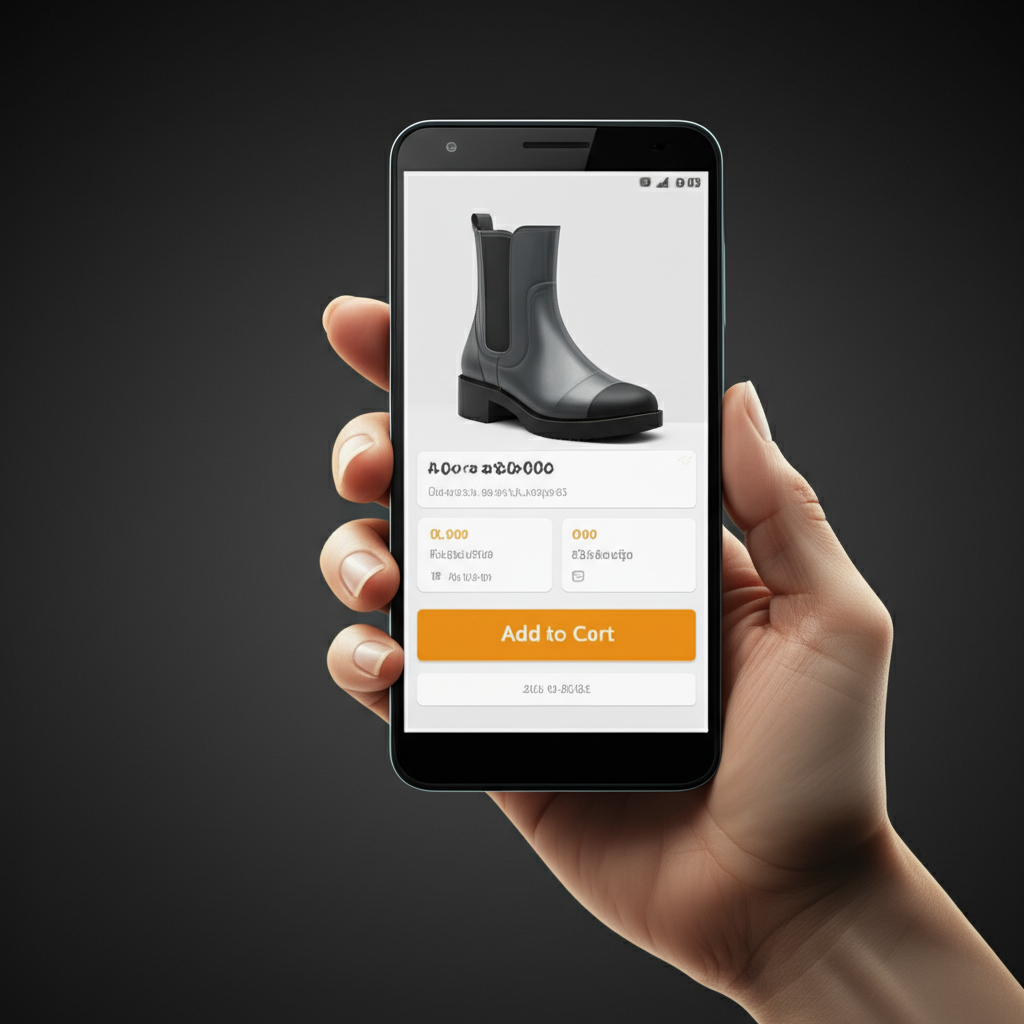
Use a single responsive layout that prioritises vertical scrolling, large tap targets and one‑hand use.[1] Place primary actions (Add to Cart, Buy Now, FriMi/PayHere buttons) within easy reach of the thumb at the bottom of the screen, and keep menus short and icon‑driven for quick scanning on 5‑6 inch displays.[1][4]
2. Fast‑loading product pages
Although median mobile speeds have improved, many Sri Lankans still experience slower 3G/4G and high‑latency connections, especially outside major cities.[1][2] Optimise for speed by:
- Serving product photos as compressed WebP images.
- Enabling lazy loading for gallery and recommendation images below the fold.
- Minimising or deferring non‑critical JavaScript so above‑the‑fold content renders almost instantly.[1]
3. Sticky actions and instant support
On mobile commerce in Sri Lanka, frictionless checkout is critical, especially when offering local gateways like FriMi and PayHere that users expect to see on their phones.[1] Implement:
- Sticky cart/checkout bars pinned to the bottom of the screen.
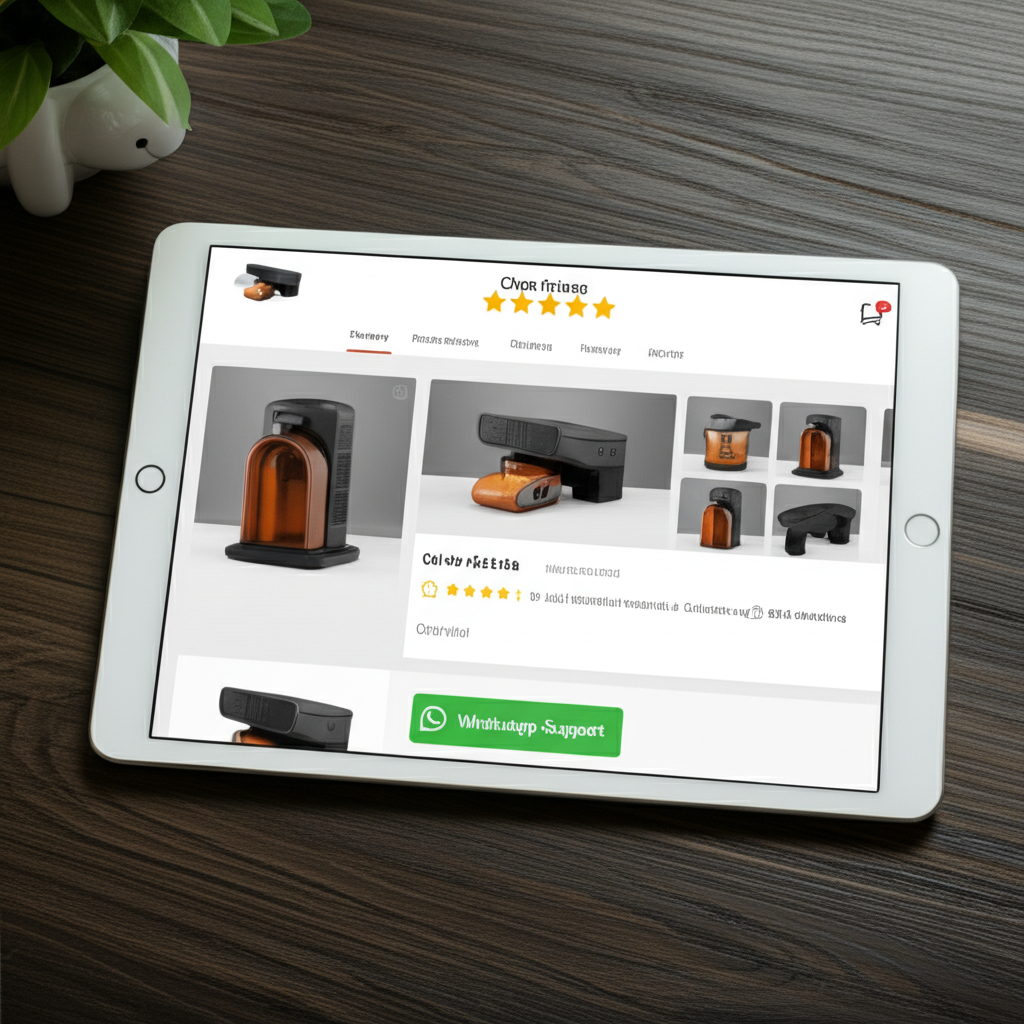
- A floating WhatsApp CTA for quick pre‑sale questions and order confirmations, aligning with Sri Lankans’ heavy use of messaging apps.[1][2]
- Tap‑to‑call buttons for support, especially important for high‑trust purchases.
4. Sinhala/English content and search
Design for bilingual shoppers by offering key UI elements, category labels and checkout flows in both Sinhala and English. Ensure your search tolerates mixed‑language queries (Sinhala product names typed with English letters, and vice versa) and works well with mobile keyboards and voice input, which are increasingly used on smartphones.[1][4]
5. Test on real Sri Lankan devices and networks
The typical Sri Lankan shopper uses a budget to mid‑range Android phone on mobile data.[1][2][7] Always test:
- On low‑RAM Android devices with older browsers.
- Over throttled 3G/4G connections to mirror rural and congested‑network conditions.[1][2]
- Key flows: product listing → product page → FriMi/PayHere checkout on mobile.
Only when your site feels fast, clear and easy on these conditions can you be confident it truly serves Sri Lankan mobile shoppers.
FriMi, PayHere and local payment gateway essentials
Sri Lankan shoppers increasingly expect local payment methods at checkout, especially on mobile. The country’s digital commerce is growing fast, but many buyers still prefer familiar gateways and simple forms before trusting a new store.[1][2] When a site offers only global options like Stripe or PayPal, customers worry about currency conversion, extra fees, and dispute resolution, and up to 70% of local carts can be abandoned at checkout due to unfamiliar gateways or complex flows.[2]
To convert Sri Lankan traffic efficiently, your e‑commerce site should offer a mix of core payment options that match local habits: FriMi and PayHere for wallet/online payments, standard card payments, direct bank transfers, and cash on delivery (COD).[2][3] CBSL data shows digital payments are surging but cash still plays a major role, so giving buyers a trusted offline fallback like COD alongside digital rails is critical.[1][3]
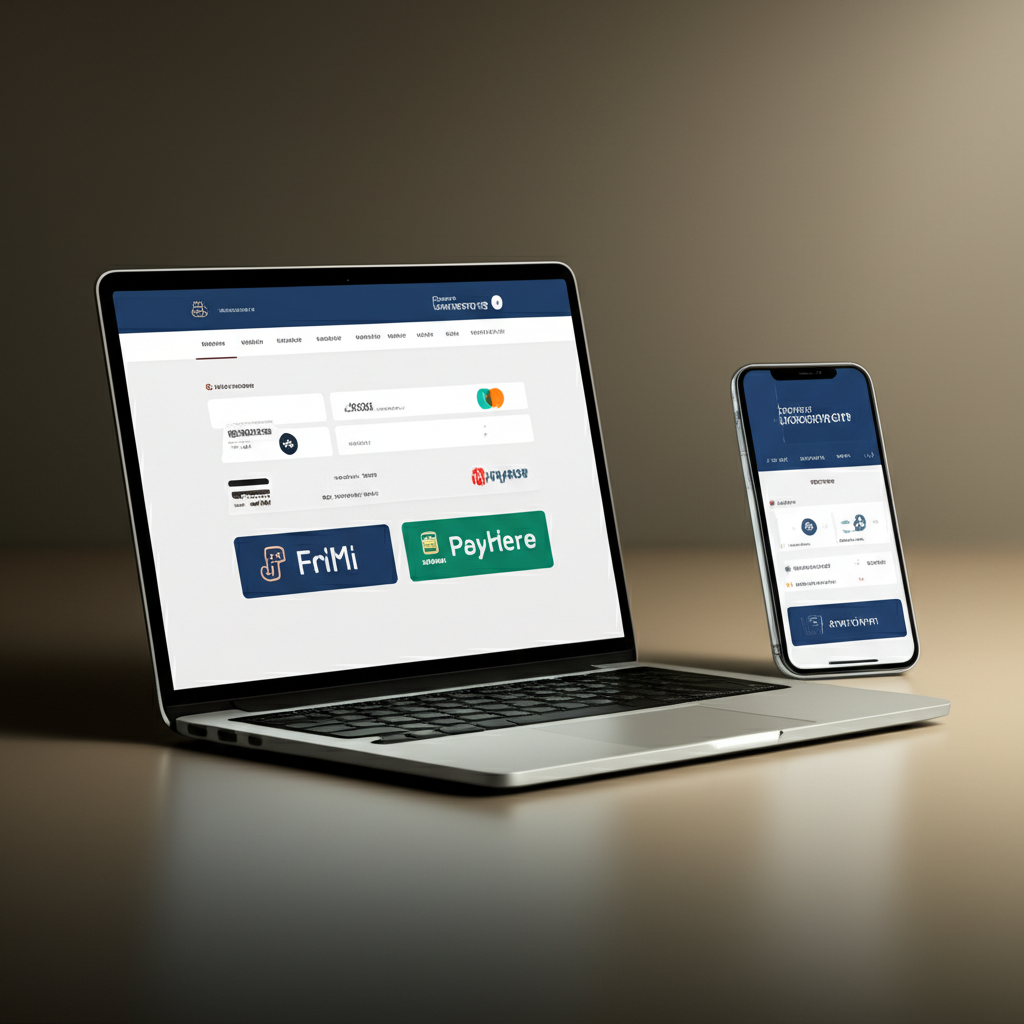
Design your checkout so FriMi and PayHere buttons are visually prominent. Place them:
- As one‑tap options on the cart page, above the fold on mobile.[2]
- At the top of the payment methods list on the main checkout step.[2]
- With clear labels like “Pay with FriMi (LANKAQR)” or “Local payment via PayHere” to build trust.[3]
Because over 70% of Sri Lankan e‑commerce happens on mobile devices, your checkout should be single‑page and guest‑friendly, with only essential fields (name, mobile, address, delivery method, payment method) and no forced account creation.[2] Short forms and responsive layouts reduce friction on slower 4G networks and are strongly correlated with higher completion rates for local buyers.[2]
For price‑sensitive customers, display instalment plans, card offers and bank partnerships clearly next to the total, not hidden in fine print. Highlight options like “0% instalments for 3 months with selected banks” or “Rs. X per month” and show applicable banks’ logos so shoppers can instantly see how affordable the order becomes.[2][6]
Finally, treat FriMi/PayHere like any critical funnel step: rigorously test and monitor payment performance. Track gateway‑specific success rates, error codes and drop‑off points using analytics and heatmaps, then optimise messaging and error handling where users most often quit.[2] Local‑first, mobile‑optimised checkouts with reliable gateways routinely see 3–5x better completion rates compared to global‑only setups.[2]
Product discovery and on‑site search tailored to Sri Lanka
For Sri Lankan e‑commerce, product discovery must feel as seamless as browsing a familiar physical store in Colombo or Kandy, while still working flawlessly with local wallets like FriMi and PayHere and on low‑end mobile devices that dominate online traffic.[1][2]
Start by designing category structures that mirror real Sri Lankan buying patterns. Group products around popular local niches such as Ceylon tea, spices, batik and handloom, electronics, and budget fashion, and highlight “Colombo same‑day delivery” and “islandwide shipping” as top‑level discovery paths.[1][2] Use seasonal collections like Avurudu deals or back‑to‑school to match local shopping peaks and impulse‑buy behaviours.[1][2]
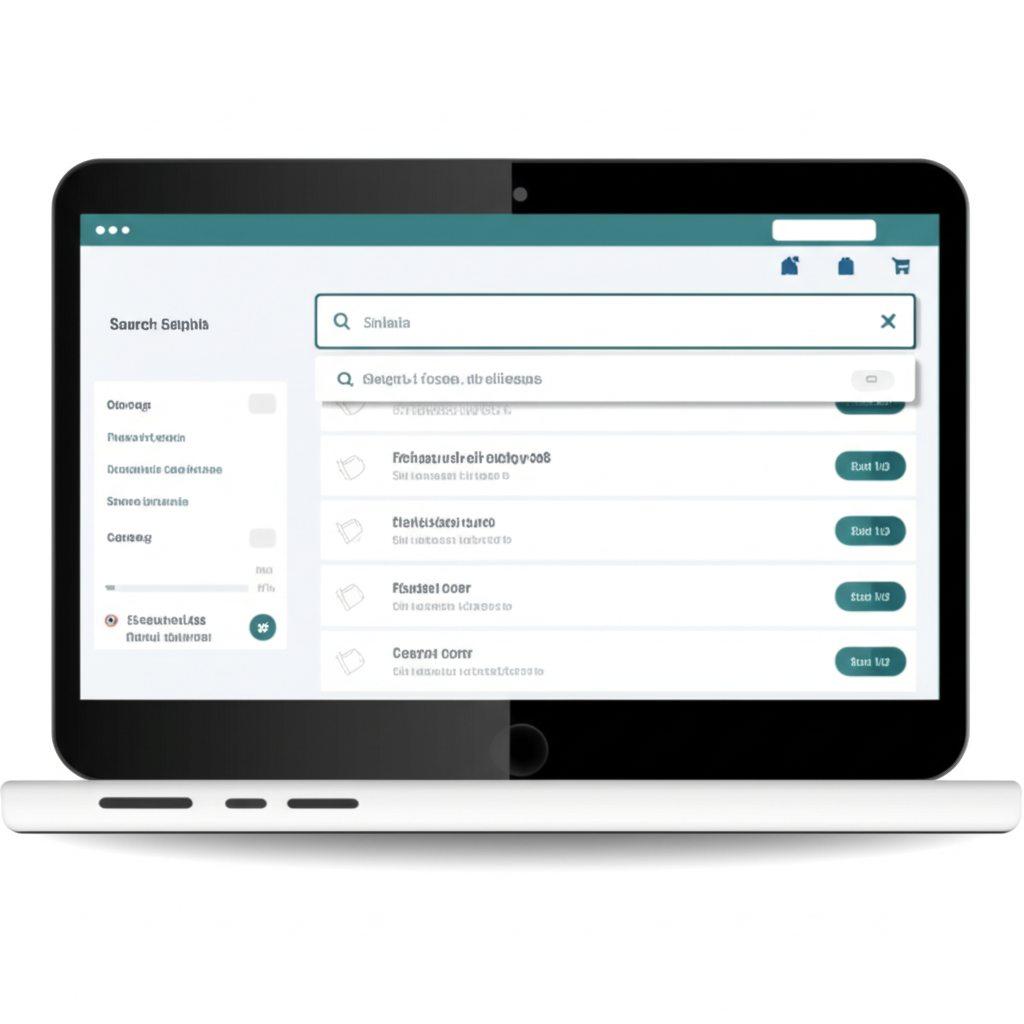
Implement a bilingual Sinhala/English search experience with auto‑suggest, so a shopper typing “තායි කට්ට” or “kottu roti delivery Colombo” still finds the correct products.[2][3] Auto‑complete and voice search shorten query time on mobiles, while fuzzy matching tolerates spelling variations and transliterated Sinhala (e.g., “kotthu,” “kottu”).[2][3] Make sure search results respect PayHere/FriMi–driven promotions, surfacing items eligible for local wallet discounts first.[1][2]
Layer in smart filters tuned to Sri Lankan needs: price in LKR, customer rating, delivery area (Colombo, suburbs, islandwide), material, size, and availability (in stock vs pre‑order).[2] Clearly marked “Colombo delivery” and “islandwide shipping” filters reflect Sri Lanka’s hyperlocal vs national logistics reality and reduce post‑checkout frustration.[2][3]
Use cross‑sell and upsell recommendations based on local purchase patterns, such as “Frequently bought together with Ceylon tea: jaggery and cinnamon sticks,” or mobile phones bundled with tempered glass and back covers.[2][3] AI‑driven “You might also like…” carousels tailored to Sri Lankan tastes increase average order value without adding friction to the FriMi/PayHere checkout flow.[2][3]
Because over 70% of Sri Lankan e‑commerce traffic is mobile, with many users on low‑end Android devices and 4G networks, performance is critical.[1][2][3] Optimise search and filter results with lightweight JSON responses, image compression (WebP under 100KB), and lazy‑loaded product grids so that pages stay under roughly two seconds to first meaningful paint.[1][2] This is especially important just before payment, where slow pages can derail wallet‑based checkouts.
Finally, track on‑site search queries to uncover missing products and content gaps specific to Sri Lankan shoppers. Monitor terms like “LankaQR discount,” “islandwide cash on delivery,” or local brands and see where users get zero results, then feed those insights back into merchandising and content.[1][2][3] Over time, this loop ensures your discovery experience evolves with Sri Lanka’s fast‑growing, mobile‑first market.
Trust signals, delivery and customer support for Sri Lankan buyers
Sri Lanka is a relatively low‑trust e‑commerce market, so your website must constantly reassure shoppers from the first scroll to checkout.[6] Use real people, clear delivery promises and visible support options to reduce hesitation, especially for mobile users paying via FriMi or PayHere.[2]
Use real reviews, photos and videos
Replace generic stock images with real customer photos, names and locations to show that “people like me” already buy from you.[1][2] Short testimonial videos, unboxing clips and before/after photos work well for fashion, electronics and beauty products. Place 3–6 reviews near the price or “Buy with FriMi/PayHere” button so mobile users see social proof without scrolling far.[1][2]
Be specific about delivery times
Clearly separate delivery expectations for Colombo, suburbs and islandwide shipping, using realistic ranges instead of vague promises:
- Colombo 1–15: 1–2 working days
- Suburbs (e.g. Nugegoda, Ja‑Ela, Kadawatha): 2–4 working days
- Islandwide (e.g. Jaffna, Batticaloa, Badulla): 3–7 working days
Show this information on the product page, checkout and order confirmation, not only in a FAQ. Local buyers are highly price‑sensitive and delay‑averse, so accurate timeframes reduce cancellations and COD refusals.[2][6]
Returns, refunds and warranties in simple Sinhala/English
Write your returns, refunds and warranty policy in short sentences, with headings in both Sinhala and English. For example, “Easy 7‑day returns / දින 7ක ඇනුළුම ප්රතිවිකුණුමක්” directly above or below the Buy button. Keep key rules (return window, conditions, who pays shipping) in bullet points, and link to the full policy for details. Clear consumer information is increasingly important as Sri Lanka tightens e‑commerce and import rules.[6][9]
Trust badges and local payment logos
Show visible SSL / HTTPS and security badges to signal safe payments, as trust signals like SSL are proven to lift conversions on Sri Lankan stores.[2] Place recognizable FriMi, PayHere and local bank logos (e.g. Commercial Bank, HNB, BOC) near the checkout and in the footer to reassure users that money is processed by trusted partners.[2] If you hold any industry certifications (e.g. ISO, chamber memberships), add them next to these badges for extra credibility.[1]
WhatsApp and phone support integration
Many Sri Lankans prefer asking questions on WhatsApp or by phone before committing to an online order.[1][2] Add a fixed “WhatsApp Now” button and a click‑to‑call number on all pages, especially on mobile, to handle pre‑purchase questions about sizing, authenticity, delivery charges and payment options. Web redesign checklists for Sri Lankan SMEs now treat WhatsApp and local payment buttons as standard conversion elements.[1]
Order tracking and local‑friendly updates
Provide a simple order tracking page plus automatic SMS, email or WhatsApp notifications at key stages: order received, packed, shipped, out for delivery and delivered. Use plain, locally familiar language and mix Sinhala/English where appropriate (e.g. “Order shipped – යැවීම සකස් කර ඇත”). Clear status updates and easy tracking compensate for still‑evolving national e‑commerce regulations and help build trust over time.[2][6]
Legal, tax and compliance basics for Sri Lankan e‑commerce
Before you plug in FriMi, PayHere or any local payment gateway, your Sri Lankan e‑commerce site should meet a few minimum legal, tax and compliance standards. These basics build trust with mobile shoppers and help you stay on the right side of regulators.
Mandatory legal pages and business details
Make sure your footer clearly links to dedicated Terms & Conditions, Privacy Policy and Return / Refund Policy pages. These should explain who you are, how you sell, what happens if something goes wrong, and how you handle data – all critical for card and wallet payments. Include accurate business name, registration number, address, phone, and email on your site and invoices so customers and banks can verify you.
Cookie consent and data protection
If you use cookies for analytics, remarketing or tracking (for example, Meta Pixel or Google Analytics), show a clear cookie banner that lets visitors know what you collect and gives them a simple way to accept or manage preferences. This supports emerging privacy and data protection expectations in Sri Lanka, where the Personal Data Protection Act is moving towards full implementation and emphasises transparency and user consent for data use.[9] Separate your cookie notice from your general privacy policy, but make sure both are consistent.
Local e‑commerce and VAT environment (high level)
Sri Lanka’s e‑commerce rules are still developing, and regulators have signalled tighter oversight of online trade and imports, including new customs rules for e‑commerce channels.[2] At the same time, VAT rules are expanding to cover digital and platform‑based services. An 18% VAT on cross‑border digital services supplied via electronic platforms has been legislated and is now scheduled to take effect from 1 April 2026, after earlier delays.[4][5][8] While this mainly targets non‑resident digital providers, it shows the direction of travel: more structured tax compliance around online and digital activity. Treat this as context only, not legal advice.
Invoices and tax details
Your checkout and invoices should clearly state the item price, shipping, discounts and any applicable taxes. If you are VAT‑registered, include your VAT number and show whether prices are VAT‑inclusive or exclusive, plus the VAT amount per order line where relevant. For FriMi and PayHere, make sure order confirmation emails and downloadable invoices match the amounts shown on the payment page so customers can reconcile bank or wallet debits easily.
Accessibility for mobile shoppers
Compliance today also includes basic accessibility. Use readable fonts (at least 14–16px body text), strong colour contrast between text and background to aid visibility, and alt text for key product and UI images so screen readers can describe them. This matters especially on small screens, where Sri Lankan shoppers are often browsing over mobile networks and may have visual or motor impairments.
Get expert help before you scale
As regulations on customs, VAT and data protection tighten, and with new rules on digital and cross‑border services coming into force, it is wise to speak with a qualified Sri Lankan accountant or tax advisor about registration thresholds, invoicing and VAT treatment, and a local lawyer to review your policies, contracts and dispute processes before you invest heavily in marketing or cross‑border sales.[2][4][5][8][9] This small step can prevent costly non‑compliance later.

Performance, analytics and growth checklist for 2026 and beyond
In Sri Lanka, over 70% of internet users now shop from mobile, so your e‑commerce performance strategy must be mobile‑first, tuned for FriMi/PayHere, and guided by data‑driven optimisation.[1] Aim for fast loads, clear analytics and a simple roadmap you can iterate every quarter.
1. Speed benchmarks and mobile performance tools
Target LCP under 2.5s on mobile and full page load under 3 seconds; beyond this, up to 40% of shoppers abandon the site.[1][3] Use Google PageSpeed Insights, GTmetrix and real‑user monitoring (e.g. Cloudflare Web Analytics) to test 4G performance in Sri Lankan conditions where rural speeds often fall below 5 Mbps.[1][2] Prioritise image compression (WebP/AVIF), critical CSS and a local or CDN edge in Sri Lanka to keep TTFB under 150 ms.[1][2]
2. Core metrics to track for Sri Lankan stores
In Google Analytics 4 and your gateway dashboards, track:
- Add‑to‑cart rate – % of product views that add to cart; falling rates often signal slow pages or weak CTAs.[3][8]
- Checkout completion rate – % of carts that reach “order confirmed”. Monitor separately for FriMi and PayHere flows.[10]
- Payment gateway success – % of initiated FriMi/PayHere payments that succeed; drops can indicate gateway issues or confusing bank OTP steps.[10]
- Mobile vs desktop split – with 85% of purchases starting on mobile, mobile conversion should be a primary KPI, not a secondary view.[1][7]
3. Using heatmaps and recordings on FriMi/PayHere steps
Deploy tools like Hotjar or Microsoft Clarity to run heatmaps and session recordings on your cart and payment pages.[2] Look for rage clicks, dead taps on payment logos, and where users drop during FriMi/PayHere redirections or OTP forms; this reveals friction such as hidden buttons, unclear error messages or poor mobile zoom behaviour.[2][10]
4. A/B testing for higher conversions
Run ongoing A/B tests on:
- CTAs – “Buy Now” vs “Add to Cart”, adding WhatsApp support buttons, or Sinhala/Tamil translations.[2]
- Layouts – one‑page checkout vs multi‑step, sticky cart summaries, trust badges near totals.[1][2]
- Payment button order – test placing FriMi/PayHere above card options if your audience skews to local wallets; measure uplift in completion and gateway success rates.[1][10]
5. Simple growth roadmap: MVP to advanced features
Start with a Mobile MVP: fast product, cart and checkout pages integrated with at least one local gateway.[1] Then schedule quarterly optimisation sprints for speed, UX and A/B tests, followed by new capabilities like a PWA for offline carts and app‑like speed, plus push notifications for offers and order updates—both proven to lift engagement and conversions in Sri Lanka.[1][3][6]
6. Ongoing maintenance checklist
- Update plugins, themes and FriMi/PayHere gateway modules monthly to prevent security and compatibility issues.[2][10]
- Automate daily off‑site backups and test restores quarterly.[2]
- Run security scans (malware, SSL, mixed content) and Core Web Vitals checks every month.[2]
- Review analytics and heatmaps monthly to tweak copy, forms and mobile UX based on real user behaviour—not guesses.[2][10]