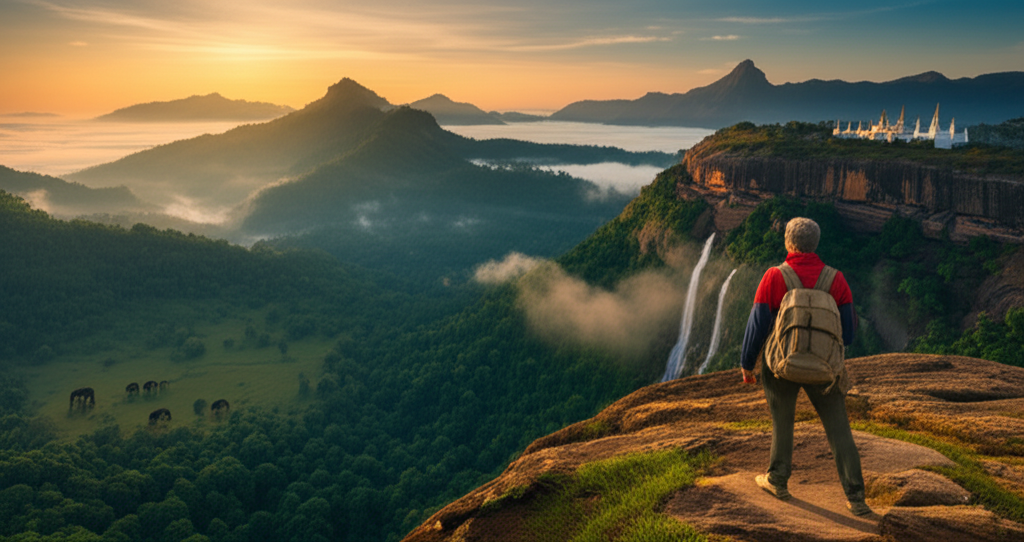

Why off-season Sri Lanka is a smart move
Planning Sri Lanka in the so‑called “low” or off‑season is one of the easiest ways to unlock a quieter, cheaper and more authentic version of the island, without sacrificing the core experiences that make it special. With smart timing and a bit of flexibility, you can trade peak‑season stress for space, savings and softer rhythms almost everywhere you go.
1. Your money goes further (often 30–40% further)
Outside the peak months, demand drops noticeably, and prices follow. Many hotels, guesthouses and villas discount rooms substantially in low season, while tour operators and drivers are more open to negotiation or value‑adds such as free upgrades, breakfasts or late check‑outs. Flights are also typically cheaper, especially if you avoid major holidays. For a mid‑range budget, that can mean staying in boutique properties instead of basic guesthouses, or adding an extra few days on the coast or in the hills without increasing your total spend.
2. Fewer crowds at the big-name sights
Iconic spots like Sigiriya, Dambulla, Ella’s viewpoints, safari parks and the south‑coast beaches can feel quite different in the high season, when tour buses, day trips and group tours all converge at once. In the off‑season:
- You’ll often have shorter queues at ticket counters and viewpoints.
- It’s easier to take photos without crowds in the frame.
- Safari tracks are less congested, so wildlife encounters feel calmer and more intimate.
- Temples, markets and tea estates are quieter, making it easier to connect with local culture instead of just passing through with the masses.
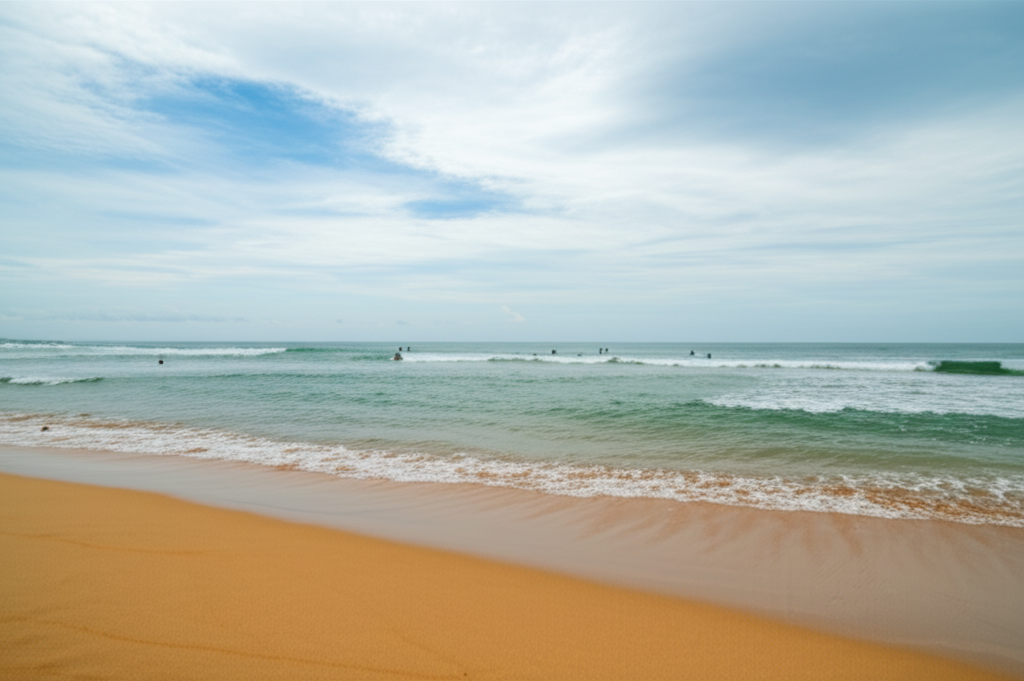
This is especially noticeable at sunrise or sunset hotspots and on popular coastal strips, where you can suddenly find long, empty sections of sand that are packed in high season.
3. More choice and flexibility
In peak months, the “best” properties, scenic train seats and top‑rated guides can book out weeks or months in advance. Travelling off‑season flips that dynamic:
- Last‑minute hotel changes are easier if you want to stay longer somewhere you love.
- You have a better shot at booking popular trains (such as Kandy–Ella) closer to departure.
- Drivers and guides are more available, so you can tweak routes and timings to suit your interests instead of fitting into whatever is left.
This flexibility is ideal if you prefer a looser, more spontaneous style of travel or if you’re building in “weather wiggle room” to shuffle beach days and sightseeing as conditions change.
4. Still very good weather if you pick the right regions
Sri Lanka’s two monsoon systems mean that when one coast is seeing more rain and swell, another is usually enjoying sunshine. High season tourism tends to cluster around December–April on the south and west coasts, and May–September on the east coast. Off‑season travel is really about going where the conditions are currently best instead of locking into the classic winter‑sun pattern.
Even in “rainy” months, showers are often intense but short, clearing to blue skies. With realistic expectations and a region‑by‑region plan, you can still enjoy plenty of beach time, hill‑country hikes and cultural sightseeing, especially if you travel with a bit of date flexibility and keep your daily schedule loose enough to dodge the heaviest downpours.
5. The island is greener, calmer and more atmospheric
Thanks to more frequent showers, rice paddies, tea plantations and jungle areas turn a rich, saturated green in the low season. Waterfalls are fuller, the air feels fresher, and sunsets along the south and west coasts can be particularly dramatic when clouds catch the evening light. On the coast, surf may be wilder in places, but beaches are emptier, cafés are quieter, and the general pace relaxes: fewer day‑trippers, less traffic, and more of that slow, seaside village feel in towns that can be hectic in peak months.
6. A more personal, authentic experience
With fewer tourists around, interactions tend to run deeper. Guesthouse owners have more time to chat, cooking classes may be just you and the host, and surf schools, yoga studios or dive shops operate with smaller groups. This can mean:
- More tailored recommendations for local eateries and hidden viewpoints.
- Better chances to join in village events or festivals without feeling like part of a huge crowd.
- A more relaxed rhythm in popular towns, where it’s easier to slip into local routines rather than a purely touristy circuit.
If you value connection as much as checklists, this quieter atmosphere is a major advantage.
7. Better for the island: a more sustainable choice
Off‑season travel spreads visitor numbers more evenly across the year, supporting guesthouses, drivers, guides, restaurants and small shops beyond the intense peak months. This helps:
- Reduce overtourism pressure on popular beaches, national parks and cultural sites during high season.
- Provide steadier income for locals whose livelihoods depend on tourism.
- Encourage a slower, more mindful style of travel that fits well with Sri Lanka’s pace of life.
For travellers who care about their footprint, shifting dates slightly into low or shoulder seasons is one of the simplest ways to make a positive impact without sacrificing comfort or safety.
8. Ideal if you like “hackable” itineraries
Because the island is genuinely visitable year‑round, off‑season Sri Lanka is perfect for travellers who enjoy planning around value and conditions. You can:
- Combine popular highlights with lesser‑known spots that feel almost empty.
- Balance a few splurge stays (made affordable by discounts) with simple guesthouses.
- Follow the best current weather coast‑to‑coast instead of being tied to one region.
When you put those pieces together, off‑season Sri Lanka stops looking like a compromise and starts looking like a smart, insider way to experience the island at its most relaxed, affordable and rewarding.
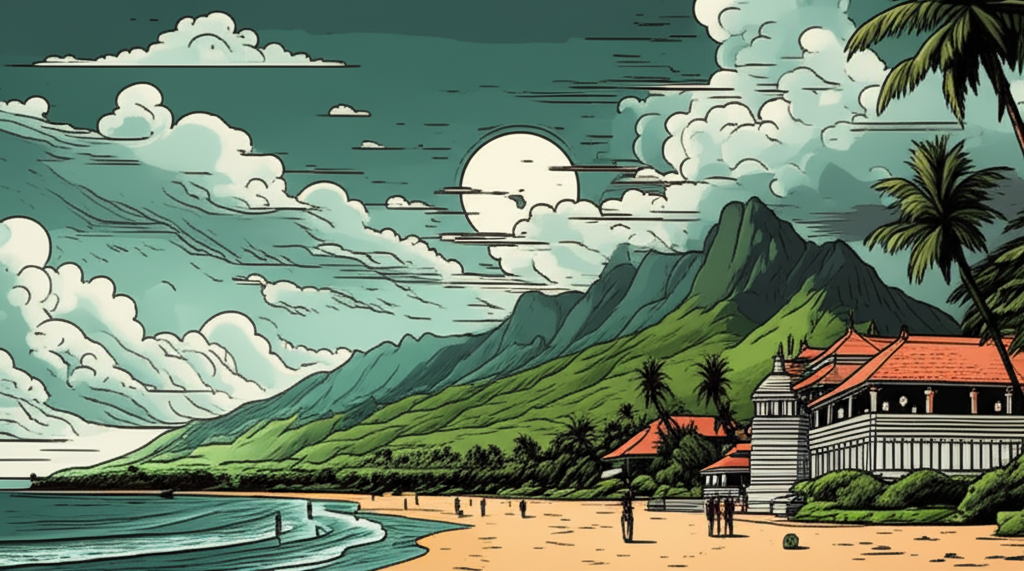
Monsoons and microclimates: understanding Sri Lanka’s seasons
Planning off‑season travel in Sri Lanka starts with one key idea: the island is small, but its two different monsoon systems create very different weather on each coast at the same time. That means while one side is rainy and quiet, the other can be sunny, good‑value, and relatively empty.
The two monsoons in a nutshell
- South‑west (Yala) monsoon – May to August
Brings the heaviest rain to the south and west (Colombo, Galle, Weligama, Mirissa, Bentota, Hikkaduwa) and much of the hill country. Seas can be rough, and showers are frequent but often come in bursts rather than all‑day downpours. - North‑east (Maha) monsoon – November to February
Targets the north and east (Trincomalee, Nilaveli, Pasikuda, Batticaloa, Arugam Bay) with more consistent rain, while the south and west enjoy their classic “winter‑sun” weather. - Inter‑monsoon periods – roughly April and October
These shoulder months can be unpredictable everywhere: hot, humid, with sudden thunderstorms and short, intense showers. They also bring some of the lowest crowd levels and prices island‑wide.
Microclimates: why “it depends where you are”
Sri Lanka’s central highlands, complex coastline, and changing climate patterns mean that even during “monsoon,” you can experience:
- Localised showers – it may pour in Galle while Mirissa, an hour away, stays dry.
- Time‑of‑day patterns – clear, sunny mornings followed by short, heavy afternoon or evening rain, especially in the wet season.
- Altitude effects – the hill country (Kandy, Nuwara Eliya, Ella, Haputale) is cooler year‑round, with more mist and drizzle, especially in the south‑west monsoon.
Because of these microclimates, “off‑season” rarely means constant wash‑outs; it more often means planning your sightseeing for mornings, being flexible in the afternoons, and expecting some dramatic tropical storms rather than day‑long grey skies.
How seasons shape crowds and prices
| Region | Typical “high” season | Quieter / cheaper “off” or shoulder periods | What to expect |
|---|---|---|---|
| South & West Coasts Colombo, Galle, Mirissa, Weligama, Bentota, Hikkaduwa |
Dec–Mar (plus Christmas/New Year & Feb school holidays) | May–Jun (wettest), Sep–Nov (mixed), parts of Apr | More rain May–Jun, but lush landscapes, big surf, very low prices, and far fewer tourists. Sep–Nov sees changeable weather, low to mid‑range rates, and quiet beaches. |
| East Coast Trincomalee, Nilaveli, Pasikuda, Batticaloa, Arugam Bay |
May–Sep (beach high season; Arugam Bay surf peak Jun–Aug) | Mar–Apr and Oct–early Nov | Before and after peak you get warm seas, fewer crowds, and softer prices, but with higher risk of a few rainy days, especially late Oct–Nov. |
| Cultural Triangle Sigiriya, Dambulla, Anuradhapura, Polonnaruwa |
Dec–Mar | Apr, May–Jun, Sep–Nov | Hot and occasionally stormy in the inter‑monsoon months, but iconic sites are much quieter and hotel rates drop outside major holidays. |
| Hill Country Kandy, Ella, Nuwara Eliya, Haputale |
Dec–Mar, Jul–Aug (local holiday peaks) | Apr–Jun, Sep–Nov | Cooler than the coasts year‑round. Expect mist and showers in the south‑west monsoon, but also vivid green tea estates and easier booking at popular guesthouses. |
Putting it to work: off‑season timing by goal
- Fewer people at headline sights
Visit Sigiriya, Dambulla, Polonnaruwa and Kandy in the shoulder or low months (roughly May–Jun and Sep–Nov). Go early in the morning to beat both heat and any afternoon showers. - Cheaper south‑coast beach time
Aim for May–Jun or September. You may get some rain and bigger waves, but you’ll find far lower room rates, easy last‑minute availability, and quieter surf spots. - Great value on the east coast
Travel in the shoulder edges of its season: late April–early May or late September–early October for warm seas and a more relaxed feel than peak July–August. - Cooler escapes in the hills without crowds
Choose April–June or September. Plan hikes and train rides in the morning; keep a spare day in case of cloud or drizzle.
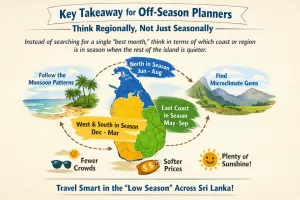
Key takeaway for off‑season planners
Instead of searching for a single “best month,” think in terms of which coast or region is in season when the rest of the island is quieter. By matching your route to the active monsoon and local microclimates, you can travel in so‑called low season with fewer crowds, softer prices, and still plenty of sunshine across much of Sri Lanka.
South & west coasts off‑season: Galle, Mirissa, Ahangama and beyond
The south and west coasts (roughly Galle to Matara, including Unawatuna, Mirissa, Weligama, Ahangama and smaller surf towns) are considered “off‑season” from around May to October, when the southwest monsoon brings more wind, swell and intermittent rain. For crowd‑averse, budget‑minded travelers, this is one of the best times of year to be here: prices drop, the coast quiets down, and the landscape turns intensely green.
What “off‑season” really feels like on the south coast
Off‑season does not mean a washed‑out beach holiday every day. Expect a pattern of:
- Changeable weather: sunny or bright mornings are common, with clouds or showers building later; some days are fully sunny, others have long rainy spells.
- Rougher seas on exposed beaches, but plenty of swimmable, sheltered spots if you choose your bay and time of day carefully.
- Lower visitor numbers: far fewer tour buses, less traffic on the Galle–Matara road, quieter beaches and viewpoints.
- Greener scenery: rice paddies, palm groves and jungle behind the coast are at their lushest; inland day trips feel especially scenic.
- Some closures, not a shutdown: a handful of purely seasonal beach bars or boutique hotels may close or scale back, but big hubs like Galle, Mirissa, Weligama and Ahangama stay active year‑round.
Price drops and availability: how much can you save?
Because the south and west are no longer in their peak Dec–Apr season, you can often expect:
- Accommodation discounts of roughly 20–40% compared with December–March rack rates, especially on beachfront mid‑range and boutique stays.
- Far better last‑minute availability: you can usually book guesthouses, surf camps and villas just a few days ahead, even for weekends.
- Lower long‑stay rates: many coastal properties are happy to negotiate weekly or monthly discounts in May–October, especially in surf‑oriented towns like Weligama and Ahangama.
- Cheaper flights into Sri Lanka overall during the island’s broader low season, which can make a big difference to your total budget if you’re coming from Europe or Australia.
Galle off‑season: old‑town ambience without the tour buses
Galle and its fortified old town feel markedly different once the peak‑season crowds thin out.
- Best off‑season window: June to early September. Shoulder months (May, October) can be wetter but are especially quiet and good for deals.
- Why go then:
- Far fewer day‑trippers; you can walk the ramparts at sunset without jostling for photo spots.
- Many of the cafés, boutiques and galleries stay open year‑round, so the town still feels lively, just slower and more local.
- Short, dramatic showers can make for atmospheric views over the sea from the fort walls.
- Off‑season hacks:
- Plan city walks, museums and fort explorations in the morning when skies are usually clearer and temperatures lower.
- Use rainy spells to enjoy tea salons, bookstores and cafés inside the fort; this is when you appreciate having everything walkable and under cover.
- Look for heritage guesthouse promos for 2–3‑night stays; many historic hotels quietly reduce rates outside Dec–Apr.
Mirissa off‑season: calmer beaches, adjusted expectations
Mirissa is famous for its crescent beach, nightlife and whale‑watching trips, all of which change character in the low season.
- Sea conditions:
- Swells are bigger, and swimming can be risky on rough days; always check local flags and ask lifeguards or beach staff about conditions.
- On calmer days, the bay can still be fine for a dip, especially at the more sheltered eastern end.
- Whale watching:
- The most reliable whale season off Mirissa is roughly December–April. Outside those months, many operators reduce or pause trips, and sightings are less predictable.
- Off‑season is not ideal if whale watching is your main reason to visit; treat any trip you take as a bonus, not a guarantee.
- Nightlife and dining:
- Beach parties scale down, but a core of bars and restaurants stays open, often with happy hours and food specials to attract the smaller crowd.
- You can usually walk in without reservations, even at popular sunset spots on the headlands.
- Off‑season hacks:
- Base in Mirissa for views and dining, but use tuk‑tuks or scooters to swim in more protected nearby bays if the main beach is too rough.
- Ask guesthouses about whale‑watching operators they trust and whether trips are genuinely running; avoid booking online with inflexible, non‑refundable terms in low season.
- Look for sea‑view rooms that would be out of budget in peak season; many drop sharply in price.
Ahangama, Weligama & surf towns: low‑season for surfers and slow‑travelers
From Unawatuna through Dalawella, Koggala, Ahangama, Midigama, Weligama and on toward Hiriketiya, the coast is dotted with surf breaks, yoga shalas and small cafés that don’t necessarily shut in May–October. In fact, off‑season can be ideal if you like waves and a relaxed social scene.
- Surf conditions:
- The classic high season for beginner‑friendly surf on this stretch is Dec–Apr, but in low season you still get consistent swell, especially for intermediate surfers and those comfortable with rougher conditions.
- Lineups are much less crowded. For many surfers, that’s a worthwhile trade‑off for less predictable weather.
- Atmosphere:
- Fewer package tourists means a more local and long‑stay crowd: remote workers, surf nomads, yoga retreats.
- The vibe is slower and more personal: it’s easier to get to know café owners, surf coaches and neighbors.
- Off‑season hacks for this stretch:
- Consider base‑hopping: 3–4 nights each in Galle/Unawatuna, Ahangama/Weligama, and perhaps Hiriketiya, adjusting based on where the surf and weather are best that week.
- Book shorter initial stays (1–2 nights) so you can switch towns quickly if the sea is too rough in one spot or if you find a better micro‑climate a few bays away.
- Use the low‑season lull to negotiate surf‑lesson packages or board‑rental deals; many schools are open to multi‑day discounts.
- Prioritize stays with good common areas, coworking‑friendly tables and reliable Wi‑Fi, since you may spend more time indoors during heavy showers.
Beyond the obvious: small bays and hidden beaches
With fewer people around, off‑season is perfect for exploring lesser‑known corners of the south and west coasts.
- Hidden‑bay strategy:
- Use Galle, Mirissa or Weligama as a base, then tuk‑tuk short distances along the coast to find smaller coves that might be calmer on a given day.
- Ask locals where they take children to swim when the sea is rough; these are often your safest low‑season options too.
- Day‑trip ideas that shine in low season:
- Tea and cinnamon estates inland from Galle and Ahangama: the hills are cooler and vividly green after rain.
- Lagoon and river safaris near Galle and Weligama: birdlife and mangroves thrive in wetter months, and boats are less crowded.
- Temple visits and village walks in the countryside between Galle and Matara, where off‑season tourism feels especially low‑key.
Practical off‑season hacks for the south & west coasts
- Plan by time of day:
- Do beach time, surfing and outdoor sightseeing early (roughly 7–11 am), before heat and clouds build.
- Use afternoons for spa treatments, yoga, cooking classes, cafés and naps.
- Choose your accommodation wisely:
- On open beaches, look for set‑back or elevated hotels to avoid sea spray and wind; in bays, you can be closer to the water.
- Prioritize good drainage and solid construction (concrete, proper roofs) over the most rustic bamboo huts during the wettest months.
- Stay flexible with your route:
- In May–October, consider combining the south/west coast with better‑weather regions like the Cultural Triangle, hill country or the east coast, shifting days between them based on weekly forecasts.
- Buy flexible or cancellable rates so you can add or drop coastal nights if the monsoon intensifies.
- Pack for mixed conditions:
- Bring a light rain jacket, quick‑dry clothes and waterproof bags for electronics.
- Footwear that can handle wet streets and muddy paths (e.g., sandals with grip, not just flip‑flops) makes life easier.
- Safety around the sea:
- Always ask locals about current, rip and jellyfish conditions before swimming; flags and lifeguards may be less consistent in low season.
- If in doubt, opt for hotel pools, lagoons and clearly sheltered bays on rough‑surf days.
If you value fewer crowds, lower prices and a slower pace more than guaranteed beach‑brochure weather, the south and west coasts in off‑season can be one of Sri Lanka’s most rewarding experiences. With flexible plans, some savvy about where to swim, and a willingness to enjoy the rain as part of the atmosphere, you can enjoy Galle, Mirissa, Ahangama and beyond at their most relaxed.
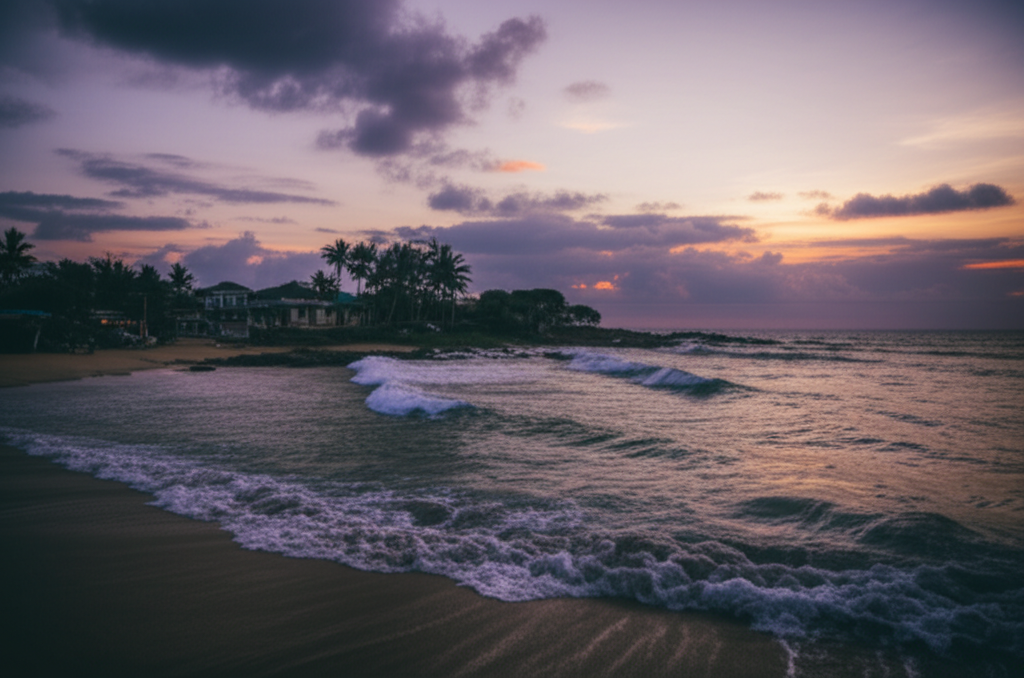
East coast off-season: Arugam Bay, Trinco, and when to go
Sri Lanka’s weather is split by two different monsoon systems, so the “off‑season” flips between coasts. The east coast (Arugam Bay, Trincomalee, Nilaveli, Passikudah) has its classic high season roughly from May to September, when seas are calmer and surf and beach conditions peak. Outside those months you get the off‑season feel: fewer people, softer prices, and more of a local vibe, with trade‑offs in weather and sea conditions.
Weather patterns on the east coast
Broadly, Sri Lanka’s east and north are at their best from about February to September, with a core “beach season” on the east coast from May to September. The north‑east monsoon then affects this side of the island from about October to January, bringing more cloud, choppy seas, and bursts of heavy rain. Meanwhile, the south and west get hit by the opposite monsoon from May to July, which is why many travelers “flip coasts” and chase better weather.
For off‑season travel hacks, think in terms of:
- Shoulder months (February–April and late September–early October): generally good weather, noticeably fewer visitors than peak May–August, and attractive prices.
- True low season (late October–January): cheapest rates and the quietest beaches, but with a higher chance of rougher seas and rain spells.
Arugam Bay off‑season: when surfers and budget travelers win
Arugam Bay is the east coast’s surf capital, buzzing from around May to September when its right‑hand point breaks are in season and the town fills with surf camps, digital nomads, and backpackers. Off‑season, the village slows down dramatically, which can be either a plus or a minus depending on your style.
Best off‑season windows for Arugam Bay
- February–April (early shoulder):
Quiet lanes, warm days, and generally improving weather. You may not get classic peak‑season waves, but there’s often surfable swell for beginners and intermediates at the beach break. Guesthouses and small hotels typically discount, and you can walk into rooms that are fully booked months in advance in July. - Late September–early October (late shoulder):
The crowds thin just as the southwest summer holidays end. Many surf camps are still open, but lineups, restaurants, and yoga classes are less busy. You can often negotiate better rates for rooms, scooters, and surfboard rental, especially for stays of a week or more. - November–January (deep low season):
Expect a very quiet feel: some places close, evenings are sleepy, and surf conditions are inconsistent. This is the time to go if you want rock‑bottom prices, long beach walks with almost no one around, and time to write, read, or work remotely with minimal distraction. It is not ideal if your priority is reliable surf or a social scene.
Arugam Bay off‑season hacks
- Use it as a “base plus day trips” hub:
In the cooler, wetter months, focus less on surfing and more on nearby national parks such as Kumana (for birdlife and elephants), rice‑paddy cycling, or lagoon safaris. Activities still run, but with fewer jeeps and boats competing for space. - Negotiate long‑stay deals:
Owners prefer someone in the room over leaving it empty. If you’re staying 5+ nights, ask directly for “low‑season discount” or a rate without breakfast. You can often get substantial reductions compared with peak‑season prices. - Be flexible with surf expectations:
In shoulder months, you might need to get up early to catch clean conditions before wind picks up, or be prepared to travel up or down the coast for a better bank or reef. - Consider private transfers over rare buses:
In deep low season, public transport timetables may feel less convenient for early flights or late arrivals. Splitting a taxi or van among two or three travelers can be worth it, and you often get better prices when drivers are less busy.
Trincomalee & Nilaveli off‑season: calm, culture, and cut‑price stays
Around Trincomalee, Uppuveli, and Nilaveli, the high season tends to cluster between May and September, when the sea is calm, snorkeling visibility is high, and Pigeon Island trips run at full tilt. Outside those months, you trade some certainty in sea conditions for quieter sands and better value.
When to go for fewer crowds and lower prices
- February–April (pre‑peak shoulder):
This is a sweet spot: Trinco is generally warm and relatively dry, but tour groups haven’t yet arrived in full force. You can get good deals on mid‑range beach hotels, and you’ll share top spots like Nilaveli Beach with more locals than tourists. Some boat trips may operate, though not as predictably as in high season. - Late September–October (post‑peak shoulder):
The weather can still be pleasant, though you might see more cloud and occasional rain as the monsoon approaches. Many hotels start dropping prices, and some will happily upgrade you if they have empty rooms. Snorkeling and diving operators may reduce departures, so check operating days in advance. - November–January (monsoon low season):
This is when prices are lowest and availability is highest. The sea can be rough, and water clarity often drops, so swimming and snorkeling may not always be safe or worthwhile. The upside: temple visits (like Koneswaram), hot springs, local markets, and city walks are almost entirely devoid of tourist crowds, giving a more everyday feel to the town.
Trinco off‑season hacks
- Shift focus from sea to culture:
If conditions aren’t good for the beach, spend time at hilltop temples, war‑history sites, Hindu festivals, and village markets. You’ll have more time with guides and can ask deeper questions without feeling rushed. - Time your visit for festivals:
The east has its own religious and cultural events, particularly around Hindu temples. Visiting in shoulder or low season not only cuts costs but can also put you in town during vibrant local celebrations that aren’t packaged for tourists. - Bundle activities to bargain:
When there are fewer visitors, operators are keener to secure business. Ask for a combined rate on, for example, a city tour, a half‑day snorkel (if conditions permit), and hot springs transfer, rather than booking each separately. - Look beyond the beachfront:
In low season, demand for “oceanfront” drops. You can stay a street or two back for a fraction of peak‑season beachfront rates and still walk to the sea in a few minutes.
East coast vs south/west: how to “zig when others zag”
Because Sri Lanka’s coasts peak at opposite times, off‑season on the east is often high season on the south/west, and vice versa. To maximize value and minimize crowds:
- May–September:
This is high season on the east (Arugam Bay, Trinco), but off‑season on much of the south and west. If you want the east coast’s surf or calm seas, you’ll pay closer to full price there but can build cheaper, quiet days into your itinerary on the south coast. If price and solitude matter most, consider inverting the usual pattern: prioritize the south/west and treat the east as a shorter side trip. - October–January:
The east is wetter and quieter; the south and west are moving into or already in their prime. This is ideal if you want a brief, cheap, very quiet east‑coast segment followed by sunny, slightly busier days near Galle, Mirissa, or Ahangama. - February–April:
A versatile period when much of the island is pleasant. You can split time and chase “shoulder season” on both coasts: a few days on the east when it’s warming up and inexpensive, then down to the south before Easter and the main holiday crowds drive prices up.
Practical planning tips for east‑coast off‑season
- Stay flexible with dates and locations:
In low season, last‑minute changes are easier: trains and buses are less full, and most guesthouses have spare rooms. This flexibility lets you move if weather turns bad or you hear another bay is sunnier. - Check what’s open:
Smaller cafes, surf schools, and dive shops may close or run limited hours in the quietest months. Confirm opening days and departure schedules before building your plans around a specific activity. - Use weather as a bargaining chip:
If rain is forecast or seas are rough, some hotels and drivers will drop prices further rather than lose business entirely. Politely mentioning that you’re considering shortening your stay can sometimes unlock an extra discount or free extras such as breakfast or late checkout. - Pack for variability:
Even off‑season on the east can see hot sun between showers. Bring a light rain jacket, quick‑dry clothing, dry bags for electronics on boat trips, and sandals that can handle wet streets.
With a basic grasp of Sri Lanka’s twin monsoon pattern and a willingness to travel in shoulder or low season, the east coast becomes one of the easiest places in the country to enjoy big savings, quiet beaches, and more authentic day‑to‑day life—without sacrificing too much in terms of comfort or experience.
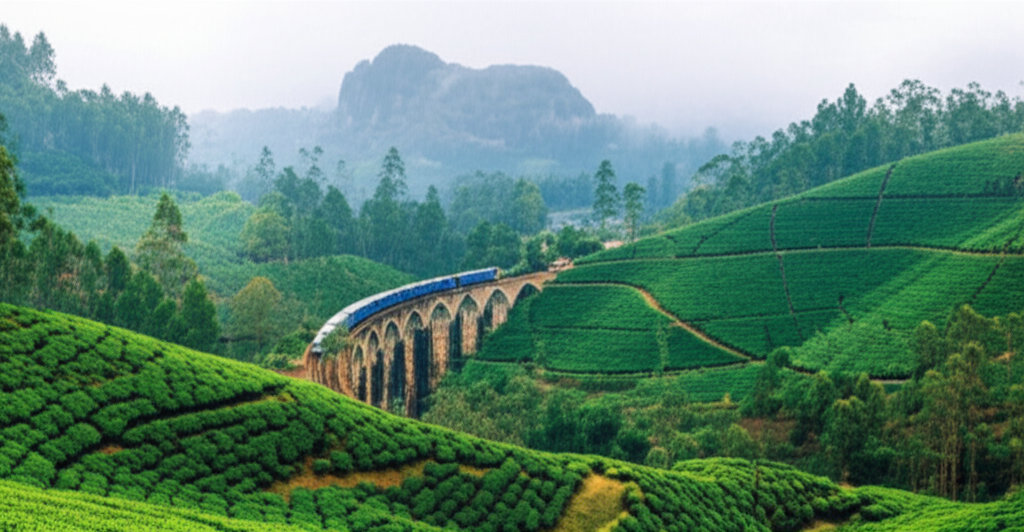
Cultural Triangle & Hill Country: Temples, Tea, and Train Rides with Fewer Crowds
Sri Lanka’s Cultural Triangle (Sigiriya, Dambulla, Anuradhapura, Polonnaruwa) and central hill country (Kandy, Ella, Nuwara Eliya, Haputale) are year‑round destinations, but the *timing* of your visit makes a big difference to crowds and prices. The goal here is to dodge the peak tourism window of December–March, while still enjoying mostly dry days for hiking, temple visits, and scenic train rides.
Best “Off‑Peak” Months for the Cultural Triangle
The Cultural Triangle lies in Sri Lanka’s drier “intermediate” zone and is less affected by monsoons than the coasts. That means you can play more with timing and still get decent weather.
- Mid‑January to early February (micro off‑peak in peak) – Technically high season, but just after New Year and before many Western school breaks. If you must travel during “good weather” months, this short window often has slightly lighter crowds and better last‑minute availability.
- Mid‑March to late April – As peak season tapers off, hotel prices soften and big‑bus groups thin out. Days are hot and mostly dry, making early‑morning climbs of Sigiriya or Pidurangala manageable if you start at sunrise.
- May and June – One of the best sweet spots for budget and breathing room. You may get an afternoon shower, but mornings are usually fine for temple visits and ruins. Expect noticeably lower room rates and relaxed ticket queues at Sigiriya and Dambulla.
- September and early October – Another strong low‑crowd window between the mid‑year and Christmas holiday surges. It can be warm and a bit humid, but rains are often short, and popular sites feel far less busy.
Practical crowd‑dodging hacks in the Cultural Triangle
- Flip your day – Climb Sigiriya or Pidurangala at gate opening (often around 7:00 am), then rest midday and visit Polonnaruwa or village areas late afternoon. Group tours tend to arrive 9:30–11:00 am.
- Aim for shoulder weekdays – Avoid weekends and Sri Lankan public holidays, when local visitors swell numbers at Dambulla Cave Temple and major stupas.
- Base yourself outside the main hubs – Staying in smaller guesthouses in Inamaluwa, Kandalama, or rural Sigiriya villages usually means better rates and quieter evenings than central tourist strips.
- Choose second‑tier but stunning sites – If you’re crowd‑averse, pair one “headline” site (Sigiriya) with quieter alternatives like Ritigala, Mihintale, or smaller cave temples instead of repeatedly hitting the main hotspots.
Hill Country: Tea, Mist, and Scenic Trains Minus the Crush
The central highlands (Kandy–Nuwara Eliya–Ella–Haputale) are cooler year‑round and receive more frequent showers, but misty rain here is often short and atmospheric rather than trip‑ruining. The biggest issue isn’t weather; it’s train and hotel congestion during peak months.
When to go for fewer crowds and better prices
- May and June – Great for budget and serenity. Tea estates are lush after earlier rains, trekking paths are quieter, and Kandy and Ella have fewer group tours. You may see mist and quick showers, so pack a light rain jacket and quick‑dry layers.
- Late August and September – After the Kandy Perahera festival and many European school holidays, demand drops. Trains are still busy on weekends, but not at crush levels. Clearer views are common in the mornings.
- October to mid‑November (shoulder‑monsoon) – Rains become more frequent and less predictable, but prices are some of the lowest of the year. If you’re flexible and happy with misty vistas, this can be a very atmospheric, quiet time.
Hill country hacks: trains, tea, and town choices
- Time the iconic Kandy–Ella train –
- Travel in the late morning or midweek rather than the classic early‑morning departure that tour groups favor.
- Consider boarding at smaller stations like Nanu Oya or Haputale instead of Kandy/Ella termini to snag seats more easily.
- If first‑class observation is sold out, second or third class on an off‑peak day often feels less crowded and more local.
- Stay just outside the hotspots –
- Choose Haputale or Ohiya instead of central Ella for quieter trails and cheaper, view‑rich homestays.
- Near Nuwara Eliya, pick a tea estate bungalow or village guesthouse rather than the busy town center.
- Hike early and off‑route – Start popular walks (Little Adam’s Peak, Ella Rock, World’s End) at sunrise. For more solitude, ask locals or guides about lesser‑known trails and viewpoints instead of the signposted “Instagram” ones.
- Use the rain to your advantage – A forecast of afternoon showers can scare off day‑trippers. Plan long hikes in the morning, then tea‑factory visits, café time, or spa treatments for wet hours. You’ll often find same‑day discounts when it’s drizzling.
Linking Cultural Triangle & Hill Country in the Off‑Season
To combine both regions and still stay ahead of the crowds and prices:
- Travel in May–June or September – These windows balance reasonable weather in both the dry zone (Cultural Triangle) and the hill country, with lower demand for trains and rooms.
- Route direction matters –
- Do the Cultural Triangle first, then descend via Kandy into the tea country and on to Ella, finishing on a coast that is “in season” at that time (south/west in Dec–Apr, east in May–Sep).
- Book trains late, hotels early (or vice versa) – In shoulder seasons, you can often secure excellent accommodation deals last‑minute, but popular scenic trains might still need advance booking. If you are fixed on a specific train day, secure it first.
- Leverage flexible dates – Even a one‑day shift can halve your costs in some hill‑country guesthouses, especially just before or after local long weekends and festival periods.
By aiming for these shoulder and low‑season windows, starting activities at sunrise, and staying just beyond the most obvious hubs, you can enjoy Sri Lanka’s Cultural Triangle and hill country with serene temples, quiet tea fields, and scenic train rides at a fraction of the usual crowds and cost.
Booking hacks: how to lock in lower prices and quieter experiences
Sri Lanka’s twin-monsoon climate means that when one coast is “off‑season,” another is usually sunny, which is perfect if you want low prices and fewer people rather than textbook‑perfect weather everywhere.
1. Use the “opposite coast” rule
For fewer crowds and better deals, book where the weather is just turning from “ideal” to “good enough.”
- South & West coasts (Galle, Mirissa, Ahangama, Hikkaduwa): Peak is roughly December–April. From May–October, showers are more frequent but days are still often sunny, prices drop, and beaches quieten dramatically.
- East coast (Trincomalee, Passikudah, Arugam Bay): Peak is roughly May–September. For deals and calmer vibes, look at April and October–early November.
- Hill Country (Kandy, Nuwara Eliya, Ella): Weather is mixed year‑round; “off‑season” is more about local holidays and school vacations than rain. Aim for shoulder months (late February–March, June, October) for lower demand.
2. Target shoulder weeks, not just shoulder months
Instead of “travel in May,” think “travel in the second half of May.” Rates can drop sharply as soon as local and European holiday periods end.
- Before and after Christmas–New Year: Arrive in late November or the first half of December for the south and west coasts; you’ll see noticeably lower prices and thinner crowds than late December–January.
- Late April: After Sinhala & Tamil New Year (around mid‑April), many domestic travelers go home and international demand dips, especially in the south and west.
- Late September: As the east coast winds down and before the main European winter rush begins, both coasts often have more availability and negotiable prices.
3. Play the “low‑season” accommodation game
In low season, hotels and guesthouses often prefer some revenue to empty rooms, which you can turn into substantial savings.
- Book cancellable, then negotiate: Hold a free‑cancellation booking, then message properties directly asking if they can beat the online rate for cash payment or a longer stay.
- Stay longer in one base: Many boutique villas on the south coast or in the Hill Country will cut 15–30% for week‑long stays during May–October.
- Look for “locally busy, tourist‑quiet” patterns: Around Poya (full‑moon) days and local long weekends, popular hotels can fill with Sri Lankans even in off‑season while smaller guesthouses still discount heavily. Consider homestays and smaller hotels just outside town centers for the best rates.
4. Shift your daily schedule instead of your destination
If you can’t fully avoid peak season, you can still get quiet experiences by choosing when you visit popular spots.
- Iconic viewpoints and hikes (Ella Rock, Little Adam’s Peak, Sigiriya): Go for first light (start walking in the dark with a headlamp) or just before closing; crowds thin out dramatically compared to mid‑morning.
- Safari parks (Yala, Udawalawe, Minneriya): Book afternoon or second‑day safaris instead of the “must‑do” first‑morning drive that everyone picks; in off‑season you’ll often share tracks with far fewer jeeps.
- Beaches (Mirissa, Unawatuna, Arugam Bay): In off‑season, pick mid‑week days and early mornings to have long stretches almost to yourself, even on famous beaches.
5. Combine coasts for price arbitrage
Because one coast’s low season often lines up with the other’s high season, you can blend the best of both:
- Example: May trip – Start with 3–4 days on the south coast (Ahangama, Weligama) where prices soften after April, then hop to the east coast (Arugam Bay, Trincomalee) hitting its prime beach weather as rates are just starting to climb.
- Example: October trip – Begin on the east coast in its wind‑down phase with discounted stays and quiet beaches, then spend a week in Ella and Kandy as they warm up for peak season but remain relatively uncrowded and good value.
6. Use flexible dates and multi‑city tricks for flights
- Flex your arrival by 2–3 days: International fares into Colombo can swing significantly depending on day of week and proximity to major Western and local holidays.
- Connect via regional hubs: Check fares via hubs like Dubai, Doha, or Singapore, then compare separate tickets for the final Colombo leg; off‑season can bring generous promotions on these routes.
- Watch monsoon‑driven demand: As European summer starts (June–August), some fares rise even though parts of Sri Lanka are technically off‑season; shoulder windows like late April–May and September–October often give a better price‑to‑comfort balance.
7. Book experiences last‑minute in low season
In high season, you book months ahead to secure guides and drivers; in low season, that urgency flips in your favor.
- Private drivers and transfers: Ask several drivers for quotes once you arrive; with fewer tourists, many reduce daily rates or throw in extra stops.
- Surf lessons and yoga classes: On the south and east coasts in off‑season, walk‑in prices or “multi‑session” deals at surf schools and studios can be better than anything listed online.
- Cooking classes, village walks, tea‑estate tours: Guides are often happy to run a class for 1–2 people at group rates rather than cancel; ask politely and be flexible with time.
8. Choose locations that “improve” in low season
Some places are arguably at their best when others consider them off‑season.
- South coast villages (Ahangama, Midigama, Talalla): From May–October they trade party crowds for a slower, more local feel, lush landscapes, and easier access to line‑ups for surfers.
- Hill Country tea regions: Slightly cooler, mistier conditions and more changeable skies can make train rides and tea‑estate walks more atmospheric, while hotels slash rates compared to December–March.
- Cultural Triangle (Sigiriya, Dambulla, Polonnaruwa): Even when it is warm, off‑season means fewer tour buses. Start early and you can have entire sections nearly to yourself.
9. Read the weather right—then embrace it
“Off‑season” rarely means non‑stop rain over the whole island; it more often means short, heavy showers and some rougher seas.
- Prioritize flexibility over perfection: Book cancellable or semi‑flexible rates, then adjust your coast or number of nights once you see the short‑term forecast.
- Shift to inland or city days when it rains: Use wet afternoons for spa sessions, cooking classes, or museum visits in places like Kandy and Colombo, keeping dry days free for hikes and beaches.
- Pack for brief tropical bursts, not constant storms: A light rain jacket, quick‑dry clothing, and sandals that handle puddles are usually enough to turn “bad weather” into a non‑issue.
10. Watch for event spikes inside off‑season
Even during wider low‑season windows, specific festivals or surf competitions can briefly send prices up and rooms down.
- Kandy Esala Perahera (usually July/August): Accommodation in and around Kandy sells out and prices spike; instead, base in a nearby town and commute in for a single evening’s procession.
- Surf competitions (often around peak east or south coast seasons): If you prefer quiet line‑ups and cheaper rooms, check dates in Arugam Bay or Weligama and choose the weeks just before or after big events.
- Local school holidays: Popular family spots and some national parks can get busy with domestic travelers while smaller, more remote areas stay quiet and good value.
Lean into Sri Lanka’s off‑season by treating it as your secret ally: accept a little weather unpredictability, and you’ll unlock quieter beaches, more personal encounters, and room rates that are often 30–40% lower than in peak months.