
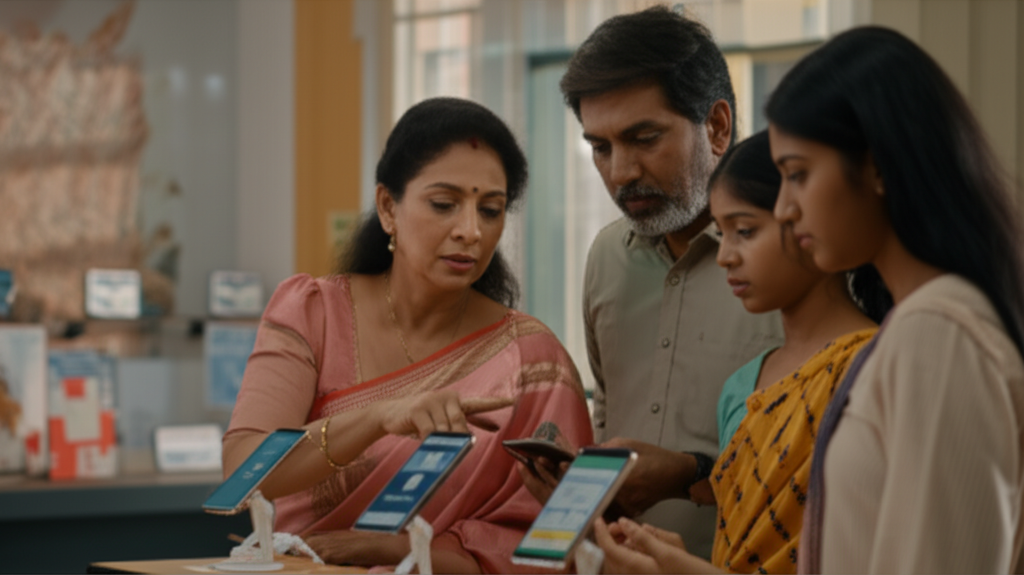
Understand your parents’ and kids’ real needs first
Before checking specs like battery, camera, or warranty, start by asking who will use the phone, how they’ll use it, and what you want to avoid. A phone for an elderly parent in Sri Lanka and a first smartphone for a child have very different priorities.
For parents
Many Sri Lankan parents mainly need clear calls, WhatsApp, and maybe Facebook or YouTube. Large, bright screens and simple menus often matter more than processor speed or gaming power. For them, a phone that is:
- Comfortable to hold and easy to read (bigger display, good brightness)
- Loud enough for calls, with good voice quality
- Long-lasting on a single charge, since they may forget to charge often
- Backed by a strong local warranty and service network (to avoid repair hassles)
If your parents love taking photos of family events and pilgrimages, then a good rear camera becomes important; otherwise, you can save money by focusing on battery and durability instead.
For kids
With children, the key questions are safety and screen-time control. Decide upfront:
- Do they truly need a full smartphone, or would a basic/limited phone for calls and WhatsApp be enough?
- What apps are allowed (school apps, WhatsApp, camera) and which are restricted (social media, games)?
- How many hours per day are acceptable for screen time?
Once you’re clear on those rules, you can choose a device that supports parental controls, app blocking, and location sharing, instead of only chasing the best camera or biggest screen.
Investing a few minutes to clarify these real-life needs will help you balance budget, battery life, camera quality, and warranty in a way that suits your own family—not just what’s popular in the market.
Battery life and charging: all‑day use in Sri Lankan conditions
In Sri Lanka’s hot, humid climate and often spotty mobile coverage, both parents and kids need phones that comfortably last a full day without hunting for a plug. Look for at least a 5000 mAh battery in any new phone, and closer to 6000 mAh if they stream a lot of video, play games, or travel long distances by bus or train.
Poor signal in rural areas and inside concrete buildings makes phones work harder to stay connected, draining the battery faster. If your family spends time outside main cities, battery size becomes even more important. For school‑age kids, a bigger battery also means they can use WhatsApp, YouTube, and online classes during the day and still have charge left to call home.
Fast charging is the second key factor. Aim for at least 18–30 W fast charging so the phone can gain several hours of use from a short top‑up before school or work. For older parents, this reduces the chance of going out with a half‑charged phone because they forgot to plug in early enough.
Check that the fast charger is included in the box; otherwise you may need to buy an original charger locally to get full speed and protect the battery. Avoid very cheap, unbranded chargers and cables, which can damage both the phone and home wiring.
Heat also affects batteries. In Sri Lanka, phones often sit in parked vehicles, on dashboards, or under the pillow while charging. Encourage family members to:
- Charge on a hard, open surface (not covered by cloth or under pillows).
- Keep the phone out of direct sun, especially in vehicles and near windows.
- Avoid using heavy apps (gaming, HD video) while charging, which adds extra heat.
For parents who mostly call, use WhatsApp, and watch a little TV, strong battery life means fewer charging worries and safer travel. For kids, it means they can stay reachable throughout tuition, sports, and after‑school activities without carrying a power bank every day.


Warranty, after‑sales support and durability in Sri Lanka
For parents and kids, a phone’s warranty and after‑sales support in Sri Lanka can be just as important as battery and camera. Repairs are costly, and children especially are more likely to drop or damage devices, so plan for what happens after you buy.
Check local warranty coverage
- Look for at least a 1‑year official warranty from an authorised Sri Lankan distributor or brand partner.
- Confirm who handles repairs (brand service centre vs. third‑party shop) and usual repair times.
- Ask what is covered: many warranties exclude accidental damage, screen cracks, and normal battery wear.
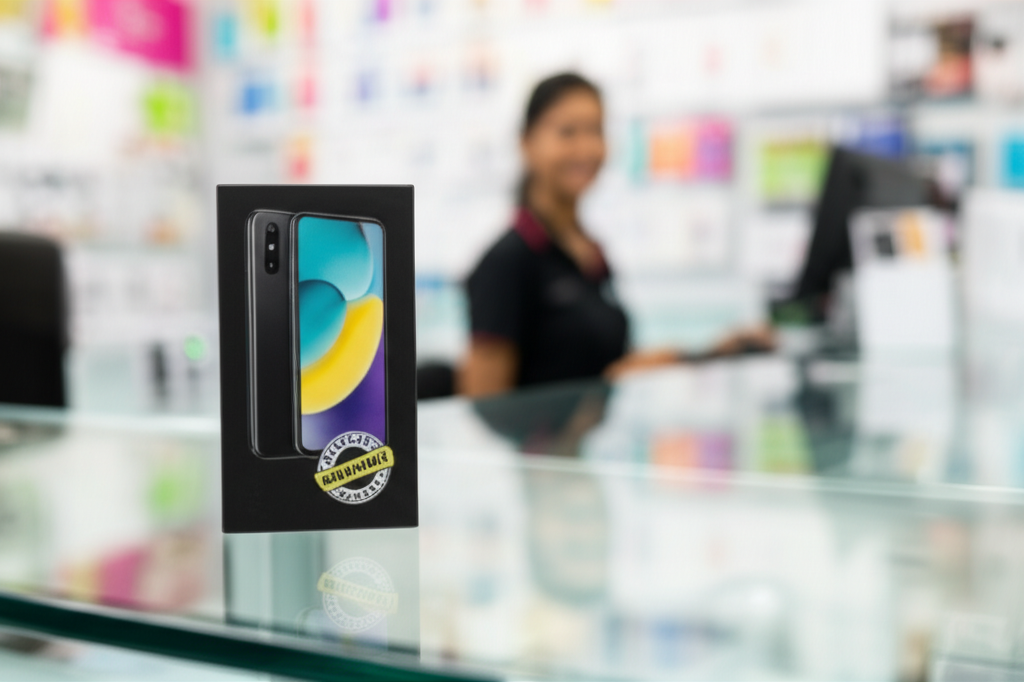
- Make sure you receive a warranty card and a VAT invoice; keep photos of both for future claims.
Authorised sellers vs. grey imports
- Phones from authorised retailers usually get full software, parts and warranty support in Sri Lanka.
- Cheaper “shop warranty” or grey‑market phones may have limited or no official after‑sales service.
- For parents and school‑age kids, prioritise peace of mind over a small upfront saving.
Service, spare parts and support
- Choose brands with a visible service network in Colombo and major towns, plus a clear process for island‑wide courier repairs.
- Ask about spare part availability (screens, batteries, ports) and approximate costs for common repairs.
- Check whether software updates and security patches are provided for at least 2–3 years.
Durability for parents and kids
- Prefer phones with solid build quality, aluminium or sturdy plastic frames, and some level of splash resistance.
- Budget for a good case and tempered glass from day one, especially for younger children.
- Consider models with smaller, lighter bodies for kids, which are easier to grip and less likely to be dropped.
- If the phone will be used for several years, choose a model with a reliable battery and locally available replacements.
References
- iDealz Lanka. “Best Phones in Sri Lanka | Top Smartphones – iDealz.” Accessed via iDealz.lk product listings for smartphones, including details on battery capacity, camera specifications, and warranty periods for popular models in Sri Lanka.[1]
- Quickee Blog. “Kick Off 2026 with a Smartphone Upgrade — Top Budget Smartphones in Sri Lanka.” Blog article discussing budget-friendly smartphones available in Sri Lanka, with emphasis on features like battery life and value for money.[2]
- Singer Sri Lanka. “Best Mobile Phone Prices in Sri Lanka – SINGER Sri Lanka.” Retail catalog highlighting smartphones with strong camera quality, long battery life, and brand warranties, tailored to Sri Lankan buyers.[3]
- Economic Times Telecom. “Oppo launches Reno15 5G series at ₹34,999 starting price, brings all-new ‘Pro Mini’ model.” News report covering Oppo Reno15 series, detailing high‑resolution cameras, large batteries, and durability features relevant when evaluating camera and battery performance.[4]
- BuyAbans. “Best Mobile Phones & Devices Price in Sri Lanka – BuyAbans.com.” Online store listing mobile phones in Sri Lanka, including entry‑level and mid‑range models suitable for parents and kids, with information on price and brand support.[5]