Core Differences: Cost, Comfort, and Accessibility
Cost: The Deciding Factor
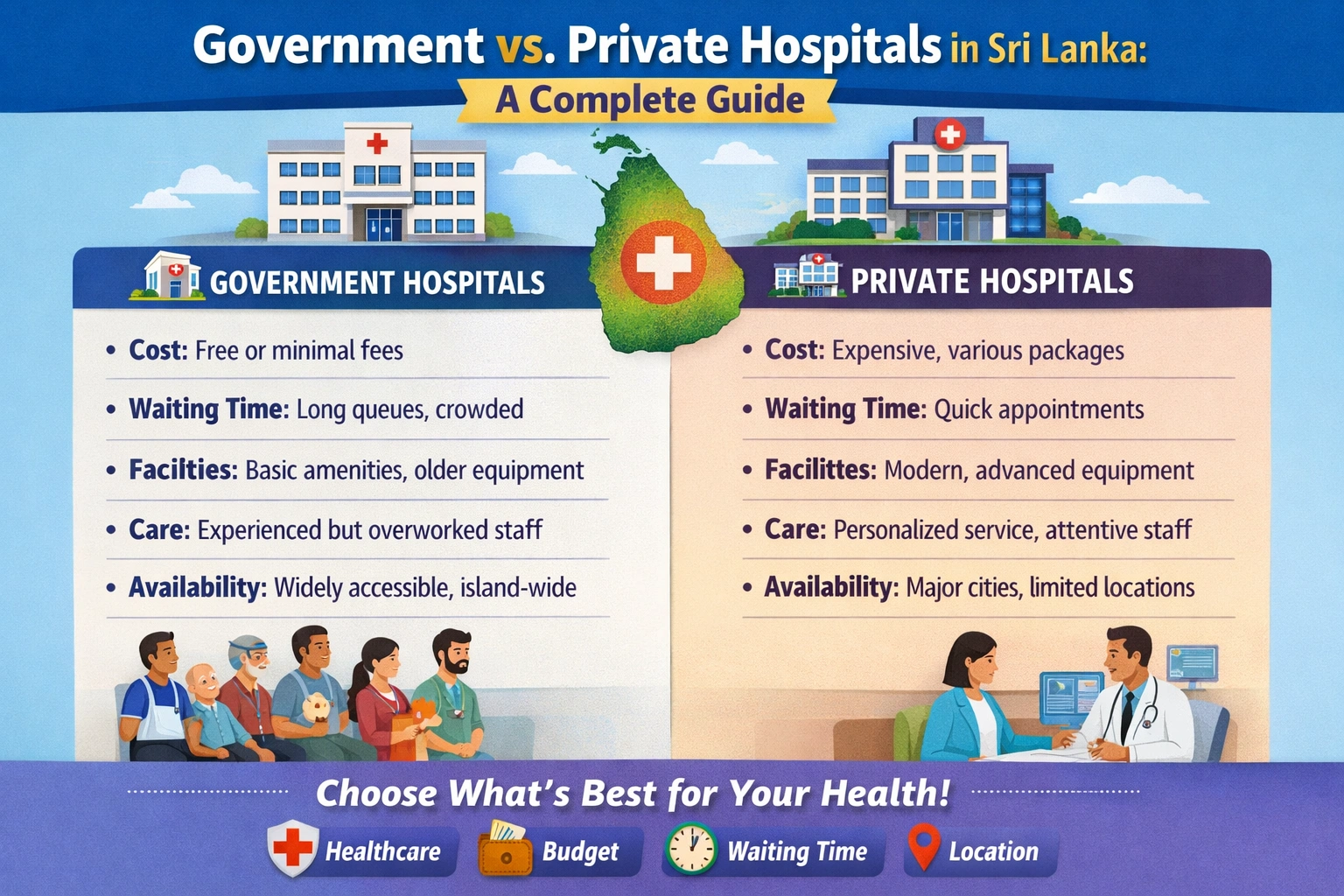
The most significant distinction lies in cost. Government hospitals offer services that are largely free at the point of use, funded by the state. This covers consultations, surgeries, essential medications, and ward stays. While this makes healthcare accessible to all, patients may occasionally need to purchase certain specialized drugs or equipment from external pharmacies.
In contrast, private hospitals operate on a fee-for-service model. Every aspect of care, from the initial consultation to room charges and medical supplies, is billed directly to the patient or their insurance provider. The final cost can be substantial, making it a choice for those with sufficient funds or comprehensive health insurance.
Comfort and Amenities
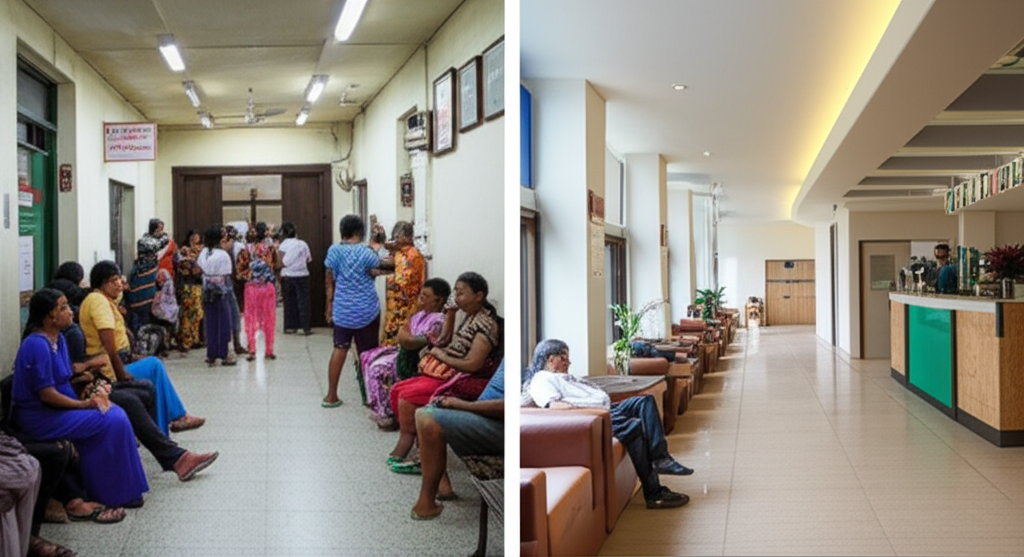
Patient experience and comfort levels vary dramatically. Due to high patient volumes, government hospitals are often crowded, leading to long waiting times and shared accommodation in general wards with limited privacy. The focus is purely on functional medical care.
Private hospitals prioritize patient comfort as a key service. They typically offer private or semi-private rooms, shorter queues, appointment-based consultations, and more personalized attention from staff. The environment is often quieter and more akin to a hotel, with better amenities and facilities.
Accessibility and Reach
Government hospitals form a comprehensive network that spans the entire island, ensuring a healthcare facility is available in nearly every region, including rural and remote areas. However, access to highly specialized consultants or advanced diagnostic tools may involve long waiting lists or travel to a major city hospital.
Private hospitals are predominantly located in Colombo and other major urban centers. They offer quick access to specialists and cutting-edge technology for those who can afford their services. However, their limited geographical spread makes them less accessible for individuals living outside these main cities.
When to Use a Government Hospital
Government hospitals form the backbone of Sri Lanka’s healthcare system, providing comprehensive medical services at little to no cost. While they may not offer the same level of luxury as private institutions, they are the undisputed choice in several critical situations due to their expertise, resources, and accessibility.
For Emergencies and Major Trauma
In a life-threatening emergency, such as a serious accident, heart attack, or stroke, a government hospital is your best option. Major state hospitals, especially General and Teaching Hospitals, are equipped with 24/7 emergency departments and specialized trauma units designed to handle critical interventions immediately. They have the on-site staff and infrastructure to manage severe cases effectively.
When Cost is a Primary Concern
If you are facing budget constraints, the government sector provides an invaluable service. All consultations, diagnostic tests, medications, surgeries, and inpatient stays are offered free of charge. This makes essential healthcare accessible to every citizen, ensuring that financial limitations do not prevent you from receiving necessary medical attention.
For Complex Surgeries and Specialized Treatment
Highly specialized and complex medical procedures, such as organ transplants, major cardiac surgeries, and advanced cancer treatments, are predominantly performed in the state sector. These hospitals have accumulated decades of experience and house teams of highly skilled specialists focused on complex, high-risk conditions.
For Comprehensive Maternity and Chronic Care
Government hospitals are renowned for their maternity and childbirth services, handling a vast majority of the nation’s births, including high-risk pregnancies. Similarly, for the long-term management of chronic illnesses like diabetes, hypertension, or kidney disease, state clinics offer regular follow-ups and medication without the recurring expense of private care.

When to Choose a Private Hospital
While Sri Lanka’s government healthcare system is the backbone of the nation’s health, private hospitals offer a compelling alternative in specific situations where convenience, comfort, and speed are top priorities. The decision often hinges on balancing cost against a different level of service and accessibility.
Consider opting for a private hospital in the following scenarios:
- For Urgent but Non-Life-Threatening Care: If you need to see a specialist, get a diagnostic test like an MRI, or undergo a planned surgery without long waiting periods, private hospitals are the ideal choice. The ability to schedule appointments provides predictability and reduces uncertainty.
- When Comfort and Amenities are a Priority: Private hospitals provide a more hotel-like experience. This includes private or semi-private rooms, air conditioning, more varied meal options, and attentive non-medical staff, which can significantly improve a patient’s comfort and mental well-being during recovery.
- To Select a Specific Doctor or Specialist: The private sector allows you to choose your preferred consultant or surgeon. This is a major advantage if you have been recommended a particular specialist or have built a trusted relationship with a doctor through “channeling” services.
- For Elective and Planned Procedures: For non-emergency surgeries, cosmetic procedures, or specialized fertility treatments, private facilities offer greater flexibility in scheduling and more direct access to the necessary specialists and technology.
- If You Have Private Health Insurance: If your insurance policy covers treatment at private facilities, it makes financial sense to utilize these benefits. Doing so provides a more comfortable experience while significantly reducing your out-of-pocket expenses.
Ultimately, choosing a private hospital is often a personal decision based on your financial capacity, the urgency of your medical need, and the value you place on immediate access and enhanced comfort.

A Quick Decision-Making Checklist
When you need to decide quickly, ask yourself these key questions. Your situation will often point to the best choice.
-
Is it a life-threatening emergency?
For major accidents, heart attacks, strokes, or any critical condition, go directly to the nearest government hospital. Their Accident & Emergency (A&E) units are equipped and experienced in handling severe trauma and urgent cases. -
Is cost your primary concern?
If your budget is tight, the government hospital is the clear choice. Care is provided free of charge, from consultations and tests to medication and major surgeries. -
Do you need a specific doctor or want less waiting time?
Choose a private hospital if you want to be treated by a particular specialist or need a non-urgent procedure done quickly. They offer scheduled appointments and shorter queues for consultations and surgeries. -
How important are comfort and amenities?
For a more comfortable experience, including a private room, better food, and more personalised nursing attention, a private hospital is the better option. -
Is it a complex or rare medical condition?
For highly specialised, long-term treatment, major government teaching hospitals often have the most experienced experts and comprehensive facilities, despite potential waiting lists.

References
- Ministry of Health, Sri Lanka
- World Health Organization (WHO) – Sri Lanka Country Office
- Public satisfaction with the healthcare system in Sri Lanka: a national-level study – BioMed Central
- Sri Lanka Health Accounts: National Health Expenditure – Institute for Health Policy
- Sri Lanka’s public and private healthcare sectors: A symbiotic relationship – Daily FT
- Sri Lanka’s health system: A development success story – The World Bank
- A comparative study on patient perception of service quality in public and private hospitals in Sri Lanka – ResearchGate
- Sri Lanka’s Healthcare System: What Works, What Doesn’t, And What Needs To Change – Roar Media