Understanding Sri Lanka’s 2026 Visa Framework
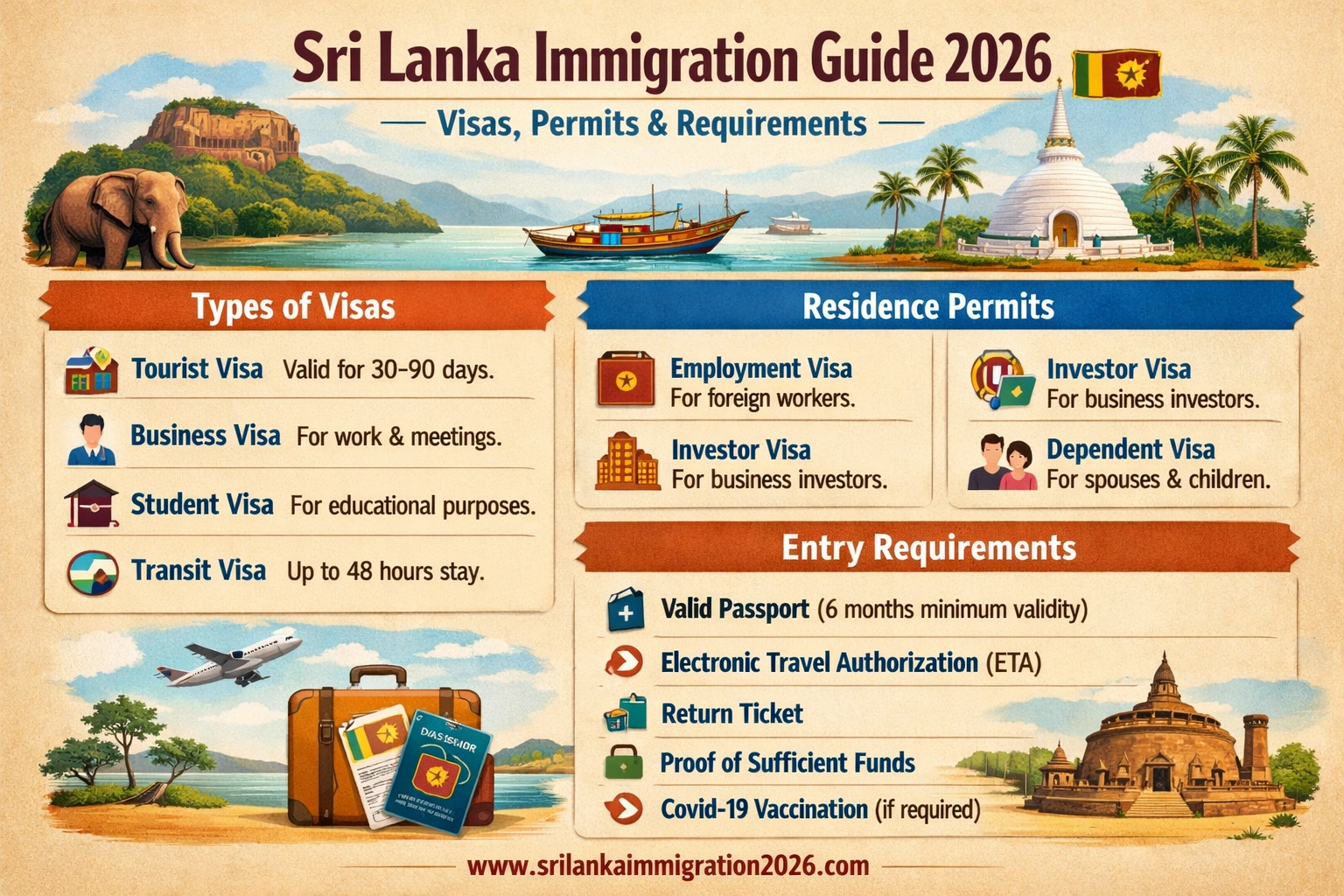
As of 2026, Sri Lanka has rolled out a modernized and streamlined visa framework designed to enhance accessibility for tourists, investors, and professionals. This new system replaces previous complexities with a clear, tiered structure, aiming to bolster the nation’s economy and solidify its position as a premier destination for travel, work, and investment in South Asia. The framework is built on principles of efficiency, clarity, and digitalization.
Key Visa Categories
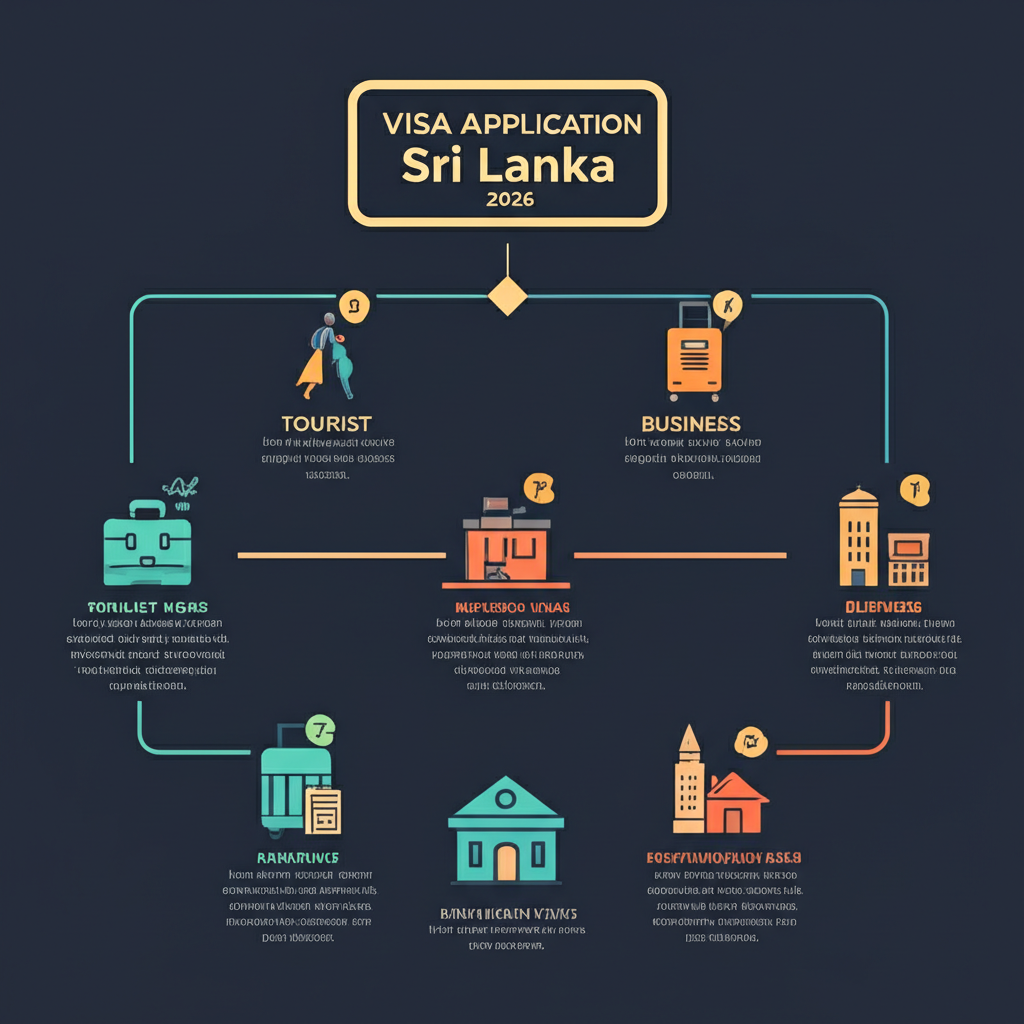
The 2026 regulations are structured around distinct travel purposes to ensure applicants can easily identify the correct pathway. Key categories include:
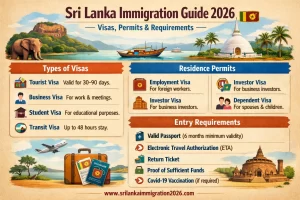
- Tourist Visa (ETA): The Electronic Travel Authorization (ETA) remains the primary method for short-term visits. The system now offers greater flexibility, including a standard 30-day single-entry visa, a six-month multiple-entry option for frequent visitors, and a one-year tourist visa for extended stays.
- Business & Investor Visa: This category is designed to attract foreign capital and expertise. It provides a simplified route for entrepreneurs, directors, and investors, with long-term residency options tied to specific investment thresholds in key sectors like technology, sustainable tourism, and manufacturing.
- Digital Nomad Visa: Acknowledging the global trend of remote work, Sri Lanka has introduced a dedicated Digital Nomad Visa. This allows professionals with a proven foreign income to live and work from the island for up to one year, with a straightforward renewal process.
- Long-Term Residence Pathways: For individuals seeking to make Sri Lanka a more permanent home, new pathways to long-term residence are available. These are linked to significant investment, specialized skills needed in the local economy, or family connections.
A Shift to Digitalization
The cornerstone of the 2026 framework is its digital-first approach. A new, unified online portal centralizes all visa applications, significantly reducing processing times and paperwork. This user-friendly platform allows for real-time application tracking and secure document submission, making the process more transparent and efficient than ever before.
Tourist & Short-Stay Visas: Exploring the Island
Welcome to the Pearl of the Indian Ocean! For most international visitors planning a holiday or brief visit to Sri Lanka in 2026, obtaining the correct entry permit is a simple and streamlined process. The primary method for short-term stays is the Electronic Travel Authorization (ETA), designed to facilitate a smooth arrival for tourists.
Electronic Travel Authorization (ETA)
The ETA is an official online pre-approval for visiting Sri Lanka for tourism, visiting family, or short business meetings. It is the most convenient and highly recommended option for a hassle-free start to your journey. The application is completed through the official government portal, and approval is typically granted within a few business days, often much faster.
An approved Tourist ETA is initially valid for 30 days from the date of arrival and generally permits double entry, allowing for flexibility during your travels in the region.
Key Requirements & Considerations
To ensure a successful application and entry, please have the following ready:
- Passport Validity: Your passport must be valid for at least six months from your date of arrival in Sri Lanka.
- Confirmed Ticket: You must possess a confirmed return or onward flight ticket.
- Sufficient Funds: Be prepared to demonstrate you have adequate funds to cover your expenses during your stay.
- Visa Extensions: If you fall in love with the island and wish to extend your stay beyond the initial 30 days, you can apply for an extension. This must be done in person at the head office of the Department of Immigration and Emigration in Colombo before your current visa expires.
While a Visa on Arrival facility may be available for certain nationalities, securing an ETA in advance is strongly advised to avoid potential delays at the airport. Always check the official Sri Lankan immigration website for the most current fees, policies, and eligible nationalities before making your travel arrangements.

Residency & Long-Term Stays: Making Sri Lanka Home
Thinking of trading temporary visits for a more permanent slice of paradise? Sri Lanka offers several pathways for foreign nationals to establish long-term residency, embracing the island’s vibrant culture, serene landscapes, and warm hospitality. As of 2026, the process is streamlined for individuals contributing to the nation’s economy and cultural fabric.
Key Residency Pathways
While tourist visas are perfect for short stays, settling down requires a residence visa. The primary routes are tailored to different circumstances:
- Employment & Investor Visas: Designed for professionals with a confirmed job offer in Sri Lanka or entrepreneurs investing in a local business. This visa typically requires approval from the Board of Investment (BOI) or a relevant ministry and is tied to the duration of your employment or project.
- My Dream Home Visa Programme: A popular choice for retirees and individuals with stable foreign income. Applicants must deposit a specified amount in a Sri Lankan bank. This visa grants a long-term, renewable residency, allowing you to live, but not work, in the country.
- Digital Nomad Visa: A new and exciting option for 2026, this visa caters to the modern remote workforce. It allows location-independent professionals to live in Sri Lanka for up to one year, with possibilities for extension, provided they can prove a stable income from foreign sources.
- Student & Dependent Visas: Those enrolled in recognized educational institutions or who are dependents (spouses and children) of a primary residence visa holder can also apply for long-term stays.
The Application Journey
The application process generally begins after you arrive in Sri Lanka on an entry visa. You will need to submit a comprehensive set of documents, including proof of funds, medical reports, and letters of intent, to the Department of Immigration and Emigration in Colombo. Patience and thorough preparation are key. Once approved, residence visas are usually issued for one to two years and are renewable from within the country.
Making the move is a significant step, but the reward is a life lived amidst the rhythm of the Pearl of the Indian Ocean.

The Digital Nomad Visa: Work Remotely from Paradise
Sri Lanka has officially opened its doors to the global remote workforce with its highly anticipated Digital Nomad Visa. Launched to attract location-independent professionals, this visa transforms the dream of working from a tropical paradise into a tangible reality. By 2026, the program is fully established, offering a seamless way for freelancers, remote employees, and entrepreneurs to base themselves on the island while serving clients and employers abroad.
This special visa category acknowledges that your work is not tied to a physical office, allowing you to legally reside in Sri Lanka for an extended period without the constraints of a traditional tourist visa. It is designed for those who want to blend a productive work life with the rich cultural experiences and stunning natural landscapes that Sri Lanka offers, from the surf-friendly southern coast to the cool, misty hills of the tea country.
Key Features and Benefits
- Long-Term Stay: The visa is granted for an initial period of one year, with a straightforward option to renew, providing stability for your stay.
- Favorable Tax Structure: A major incentive is the tax exemption on foreign income. Earnings generated from outside Sri Lanka are not subject to local income tax.
- Streamlined Online Process: The application is designed to be user-friendly, with a fully online portal for document submission and status tracking, minimizing bureaucratic hurdles.
- Thriving Expat Community: Connect with a growing network of digital nomads and utilize the expanding infrastructure of co-working spaces in major hubs like Colombo, Weligama, and Ahangama.
Primary Eligibility Criteria
Applicants are typically required to provide proof of:
- Consistent remote work (e.g., employment contract with a foreign company, freelance client contracts, or ownership of a foreign-registered business).
- A minimum monthly income threshold, generally around $2,000 USD, to demonstrate self-sufficiency.
- Comprehensive health insurance valid for the duration of your stay in Sri Lanka.

Step-by-Step: Application Process & Documentation
Navigating Sri Lanka’s immigration process is straightforward when you are well-prepared. As of 2026, most applications are streamlined through a centralized online system. Follow this guide to ensure a smooth application experience.
The Application Process
- Determine Your Visa Type: First, identify the correct visa for your purpose of travel. The most common types are Tourist, Business, and Residence Visas. For short-term visits (under 30 days), most nationalities can apply for an Electronic Travel Authorization (ETA). For long-term stays, you must apply for a specific entry visa. Always verify the latest categories on the official Department of Immigration & Emigration website.
- Complete the Online Form: All applications begin on the official government immigration portal. You will need to create an account, select your visa type, and fill out the application form with accurate personal, passport, and travel details.
- Upload Documents & Pay Fees: Scan and upload all required documents directly to the portal. Afterward, you will be prompted to pay the non-refundable visa processing fee using a valid credit or debit card.
- Submission and Approval: Once submitted, you will receive an email confirmation with a reference number. Processing times vary by visa type. Upon approval, your visa or ETA will be sent electronically to your registered email address.
Required Documentation
While specific documents vary based on the visa category, all applicants should prepare the following core items:
- A digital copy of your passport bio-data page. Your passport must be valid for at least six months from your intended date of arrival.
- A recent, passport-sized digital photograph meeting ICAO standards.
- Proof of a confirmed return or onward flight ticket.
- Evidence of sufficient funds to cover your stay, such as recent bank statements.
- Confirmed accommodation bookings for at least the initial part of your stay.
Note: Business, student, or residence visas will require additional documentation like invitation letters, proof of enrollment, or employment contracts. Ensure all scanned documents are clear and in the specified format.
Post-Arrival: Registration & Settling In
Welcome to Sri Lanka! Once you have arrived, a few key steps will ensure your transition is smooth. This section outlines the immediate priorities for registering your stay and settling into your new life on the island.
Immigration Registration
For those holding long-term visas, such as Residence, Work, or Student visas, registering with the Department of Immigration and Emigration in Colombo is a mandatory first step. This process should typically be completed within 30 days of your arrival.
You will need to submit an application along with supporting documents. While requirements can change, be prepared to provide:
- Your passport and a copy of your visa
- Passport-sized photographs
- Proof of your Sri Lankan address (e.g., a utility bill or tenancy agreement)
- Any documents specific to your visa category, like an employment letter or university admission letter.
Always check the official Department website for the most current forms and document checklists before your visit.
Finding Accommodation
Securing a place to live is a top priority. Many expatriates start with a short-term rental or serviced apartment, which provides flexibility while you search for a long-term home. Popular online property portals and local real estate agents are excellent resources for finding houses or apartments for rent. When you find a suitable place, you will typically sign a tenancy agreement and pay a security deposit. Review the contract carefully before signing.
Essential Services Setup
To manage daily life, you will need to set up a few essential services. Opening a local bank account is crucial for salary payments and managing expenses. You will generally need your passport, visa, and proof of address to do so. For communication, purchasing a local SIM card is easy and can be done at the airport or any mobile provider store. Major providers include Dialog, Mobitel, and Hutch. Once you have a long-term residence, you can arrange for utilities like electricity, water, and broadband internet.

References
- Department of Immigration and Emigration – Sri Lanka
- Sri Lanka Electronic Travel Authorization (ETA) System
- Ministry of Foreign Affairs of Sri Lanka
- Board of Investment of Sri Lanka (for Investor Visas)
- Sri Lanka Export Development Board – Visa Information
- U.S. Department of State – Sri Lanka Travel Advisory
- GOV.UK – Foreign Travel Advice for Sri Lanka