Navigating Australian Visa Pathways for Sri Lankan Families
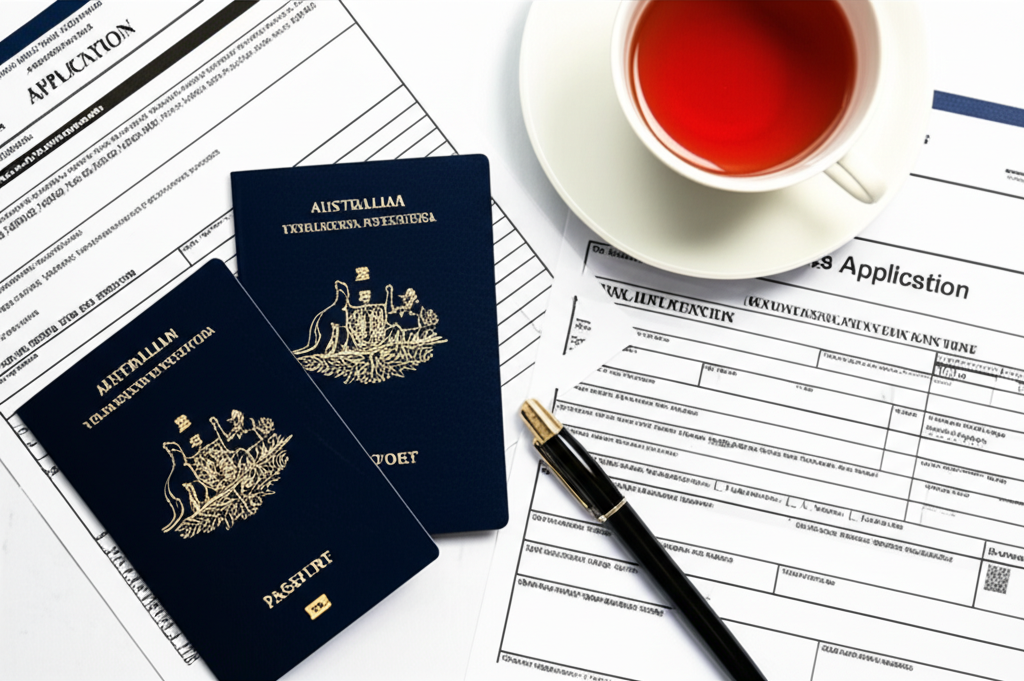
Choosing the right visa is the critical first step in your family’s journey to Australia. The pathway you take will depend on your professional skills, qualifications, family ties, and employment prospects. For most Sri Lankan families, the primary routes are through skilled or employer-sponsored programs.
Skilled Migration Visas
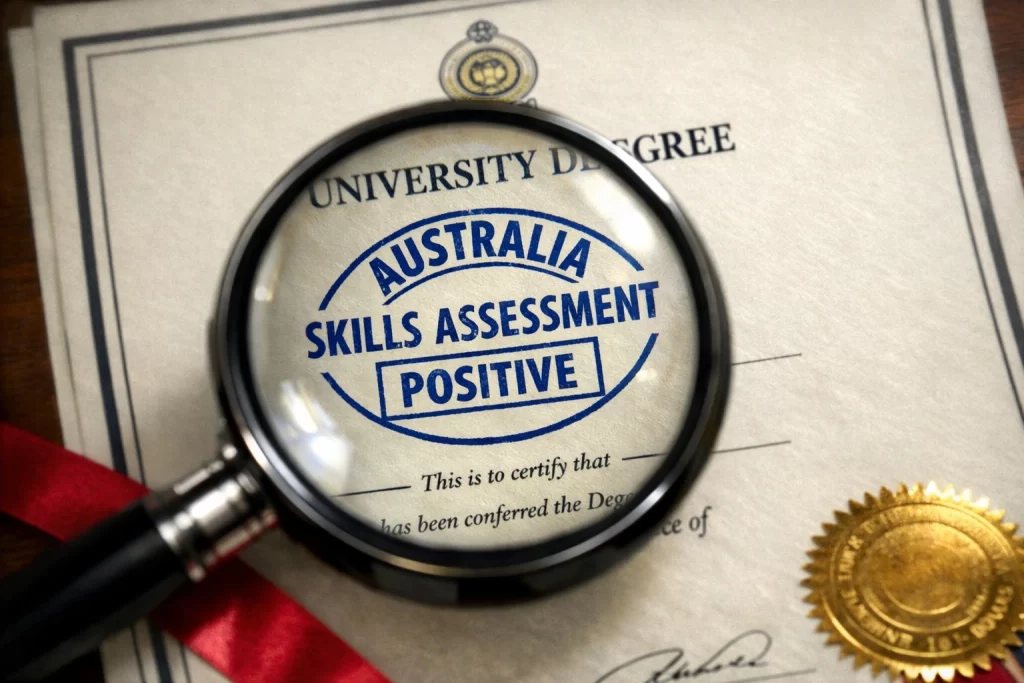
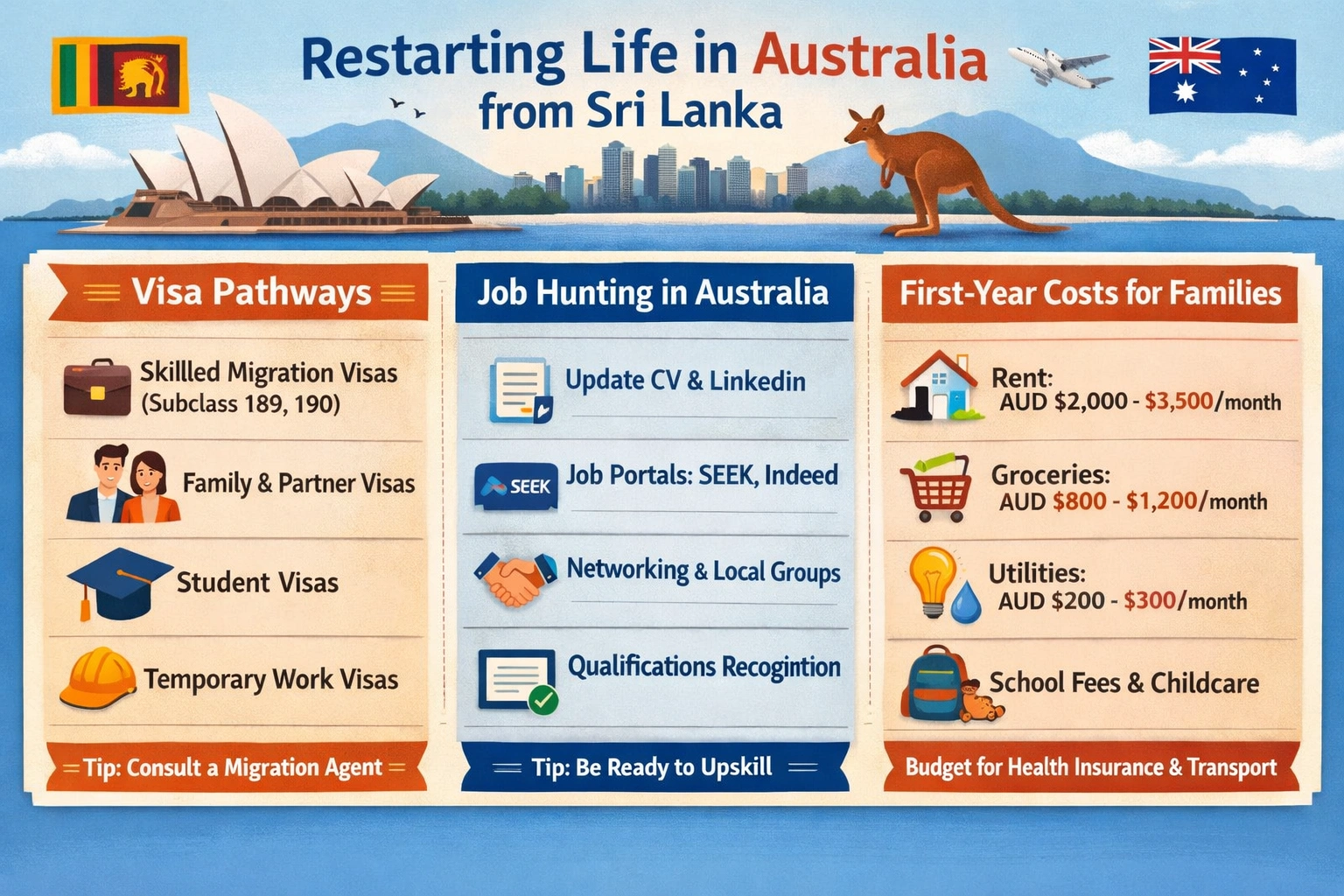
Australia’s General Skilled Migration (GSM) program is a popular option based on a points system. Your family’s primary applicant earns points for factors like age, English language ability, skilled employment experience, and educational qualifications. A positive skills assessment in an eligible occupation is mandatory. Key visa options include:
- Skilled Independent Visa (subclass 189): For highly skilled workers who can meet the points threshold without sponsorship from a state or employer.
- Skilled Nominated Visa (subclass 190): Requires a nomination from an Australian state or territory government, which adds extra points to your application.
- Skilled Work Regional Visa (subclass 491): A provisional visa for those nominated to live and work in a designated regional area. This is often a more accessible pathway with a broader range of eligible occupations and is a strong option for families.
Employer and Family Sponsored Visas
If one family member secures a job offer, an Employer-Sponsored Visa (subclass 482) may be possible. This visa is temporary but can provide a pathway to permanent residency. Alternatively, if you have close family who are Australian citizens or permanent residents, you may be eligible for a Family Stream Visa, such as a Partner or Parent visa. However, these can have long processing times and significant costs.
Visa regulations change frequently. Always consult the official Australian Department of Home Affairs website for the most current criteria. Using their online “Visa Finder” tool can help identify your best options. For complex situations, consider seeking advice from a registered migration agent.
The Job Hunt: Securing Employment in Australia
Landing your first job is a pivotal step in establishing your new life. The Australian market is competitive, but with strategic preparation, you can significantly improve your chances of success. It’s wise to begin your research and networking even before you arrive.
Key Strategies for Success
Adapt Your Resume (CV): The Australian resume format focuses on achievements over duties. Use bullet points with action verbs to highlight your accomplishments and quantify your results where possible. Keep it clean and concise, typically two to three pages, and always write a tailored cover letter for each application.
Leverage Online Job Platforms: Most job hunting happens online. Create strong profiles on the top Australian platforms:
- Seek: The country’s largest and most popular job board.
- LinkedIn: Essential for professional networking, building connections, and finding advertised roles.
- Indeed: A global platform with a strong presence in the Australian market.
Overcome the “Local Experience” Hurdle: Many newcomers face the challenge of not having Australian work experience. You can bridge this gap by considering volunteer work, internships, or short-term contracts in your field. Completing a short vocational course at a TAFE (Technical and Further Education) institute can also provide local credentials and networking opportunities.
Network Proactively: Many jobs are found through connections. Use LinkedIn to connect with professionals in your industry. Don’t be afraid to reach out for “informational interviews” to learn more about your sector and build relationships.
Get Qualifications Recognised: For many professions, you must have your Sri Lankan qualifications assessed by the relevant Australian authority (e.g., VETASSESS, Engineers Australia). This is a critical step that validates your skills for local employers.
Persistence is your greatest asset. The job hunt can take time, but a proactive and adaptable approach will open doors to rewarding opportunities.

First-Year Budget: Estimated Costs for a Family of Four
Moving to Australia requires careful financial planning. The following is an estimated budget for a family of four during their first year. Costs are in Australian Dollars (AUD) and can vary significantly based on your chosen city (e.g., Sydney and Melbourne are more expensive than Adelaide or Perth) and lifestyle.
Initial Setup Costs (One-Off)
These are immediate expenses you’ll face within the first month. Having substantial savings is crucial to cover these without stress.
- Rental Bond: Typically four weeks’ rent, paid upfront. (AUD $2,500 – $4,000)
- Basic Furniture & Appliances: Costs for beds, a sofa, a fridge, and a washing machine. (AUD $4,000 – $8,000)
- Used Family Vehicle: A reliable second-hand car is often essential for families. (AUD $10,000 – $20,000)
Estimated Annual Living Expenses
These ongoing costs form the bulk of your budget.
- Accommodation (Rent): For a 2-3 bedroom house or apartment. (AUD $31,000 – $45,000)
- Groceries: A standard weekly shop for a family of four. (AUD $13,000 – $18,000)
- Utilities: Includes electricity, gas, water, and internet. (AUD $4,000 – $6,000)
- Transport: Car running costs (fuel, insurance, registration) or public transport fares. (AUD $5,000 – $8,000)
- Health Insurance: Mandatory Overseas Visitor Health Cover (OVHC) for most temporary visa holders. (AUD $5,000 – $7,500)
- Miscellaneous: School supplies, clothing, entertainment, and personal items. (AUD $5,000 – $10,000)
Total Estimated First-Year Cost: Expect to budget between AUD $85,000 and $130,000 for your first year. This figure includes both initial setup costs and a full year of living expenses.

Finding a Home and Setting Up Your Life
Securing Your First Home
Your first priority upon arrival will be accommodation. Many families start with short-term options like Airbnb or serviced apartments for a few weeks. This gives you time to explore neighbourhoods and attend rental inspections without pressure.
The long-term rental market can be competitive, especially in major cities like Sydney and Melbourne. Start your search on websites like realestate.com.au and domain.com.au. To apply for a property, you’ll need identification, proof of income, and rental history if possible. Be prepared to pay a bond (usually four weeks’ rent) and two to four weeks’ rent in advance once your application is approved.
Essential Services and Paperwork
Getting your official life in order is a critical step. Focus on these tasks within your first week:
- Bank Account: Open a local bank account to manage your finances and receive salary payments.
- Tax File Number (TFN): You cannot legally work without a TFN. Apply for free through the Australian Taxation Office (ATO) website as soon as you arrive.
- Mobile Phone & Internet: Get a local SIM card for your phone and arrange for an internet connection at your new home.
- Healthcare: If your visa grants access, register for Medicare, Australia’s public healthcare system. Consider private health insurance for additional coverage.
Settling in as a Family
Once you have a home, focus on establishing routines. Enrolling your children in school is a key step. Public schools are zoned based on your residential address (known as a catchment area), so your choice of suburb is important. You can also explore private or Catholic school options.
Finally, check the road authority in your state or territory regarding converting your Sri Lankan driver’s license. Rules and timeframes vary, so it’s best to address this early. Connecting with local Sri Lankan community groups can also provide invaluable support and a sense of home.

Healthcare and Education System Explained
Understanding Australia’s healthcare and education systems is crucial for a smooth transition. Both are high-quality but operate differently from Sri Lanka’s systems.
Australia’s Healthcare: Medicare and Private Health
Australia has a universal public healthcare system called Medicare. As a permanent resident, your family will be eligible. Upon arrival, you should enrol at a Services Australia centre to get your Medicare card. Medicare is funded by taxes and covers the cost of seeing a doctor (known as a General Practitioner or GP), medical tests, and treatment in public hospitals. Look for “bulk-billing” doctors to avoid out-of-pocket expenses for consultations.
However, Medicare does not cover everything. Services like dental care, optical services (glasses), and ambulance transport are generally not included. For this reason, many families purchase Private Health Insurance (PHI). PHI can cover these extra services and provides access to private hospitals, which may offer shorter waiting times for elective surgery. Note that some temporary visas require you to hold adequate private health insurance as a mandatory condition.
Navigating the Education System for Your Children
Schooling in Australia is compulsory for children, typically from age six to sixteen. The system is divided into primary and secondary school, with several options available:
- Public Schools: These are government-funded and are free to attend for children of permanent residents and citizens. You will still need to pay for uniforms, textbooks, and school excursions. Your child is generally guaranteed a place at the local public school in your suburb’s designated “catchment area.”
- Catholic Schools: A popular, lower-cost private alternative to the public system. They charge fees but are often more affordable than independent schools.
- Independent/Private Schools: These schools charge significant tuition fees and often have specific educational philosophies. Enrolment can be competitive, with waiting lists common.
For younger children, childcare and kindergarten (preschool) are widely available but are not free. For higher education, Australia has world-class universities and vocational TAFE colleges. As a permanent resident, you can access government loan schemes (like HECS-HELP) to defer tuition fees, an option not available to temporary visa holders.

Integration: Building a Community and Social Network
Moving across the world can feel isolating at first, but building a strong social network is the key to making Australia truly feel like home. It’s a vital step in your settlement journey, providing emotional support, practical advice, and a sense of belonging for your entire family.
Connecting with the Sri Lankan Diaspora
Australia is home to a vibrant and welcoming Sri Lankan community. Tapping into this network can provide an instant taste of home and a shared understanding of the migration experience. Look for:
- Cultural and Religious Centres: Buddhist temples, Hindu Kovils, and churches often host festivals and events, serving as major community hubs.
- Alumni and Professional Associations: Many prominent Sri Lankan schools and universities have active alumni groups in major Australian cities.
- Social Media Groups: Search on Facebook for groups like “Sri Lankans in Melbourne” or “Sydney Lankans” to connect online for advice and social gatherings.
- Local Businesses: Your local Sri Lankan grocery store is more than just a place to buy spices; it’s a great spot to meet people and hear about community news.
Embracing Your New Australian Community
While connecting with fellow Sri Lankans is comforting, integrating into the broader local community is essential for you and your children. Consider these avenues:
- School and Childcare: Get involved in your children’s school. Attend parent-teacher meetings, volunteer for events, and arrange playdates. This is one of the fastest ways to meet other local families.
- Local Clubs and Hobbies: Enrol your kids in local sports like cricket, netball, or swimming (“Nippers” surf life-saving is a classic). For adults, join a gym, a library book club, or a local volunteer group.
- Your Neighbourhood: Don’t underestimate the power of a friendly “g’day” to your neighbours. Attending local council events or farmers’ markets can also help you feel more connected to your suburb.
Building these connections takes time and effort, but the rewards are immense. A diverse social circle provides a robust support system, helping your family to not just live, but thrive in your new Australian life.

References
- Australian Department of Home Affairs – Visa Finder
- Skilled Occupation List – Department of Home Affairs
- Australian High Commission, Sri Lanka
- Seek.com.au – Australia’s #1 Job Site
- Workforce Australia – Government Job Search
- Skills Assessment for Migration – Department of Home Affairs
- Numbeo – Cost of Living in Australia
- Cost of Living in Australia for Families – Study Australia
- Australian Taxation Office (ATO) – Individual Income Tax Rates
- Realestate.com.au – Search for Rental Properties
- Services Australia – Payments for families
- Life in Australia Booklet – A Guide for New Migrants