Section 1: The Initial Leap – Visas and First Steps
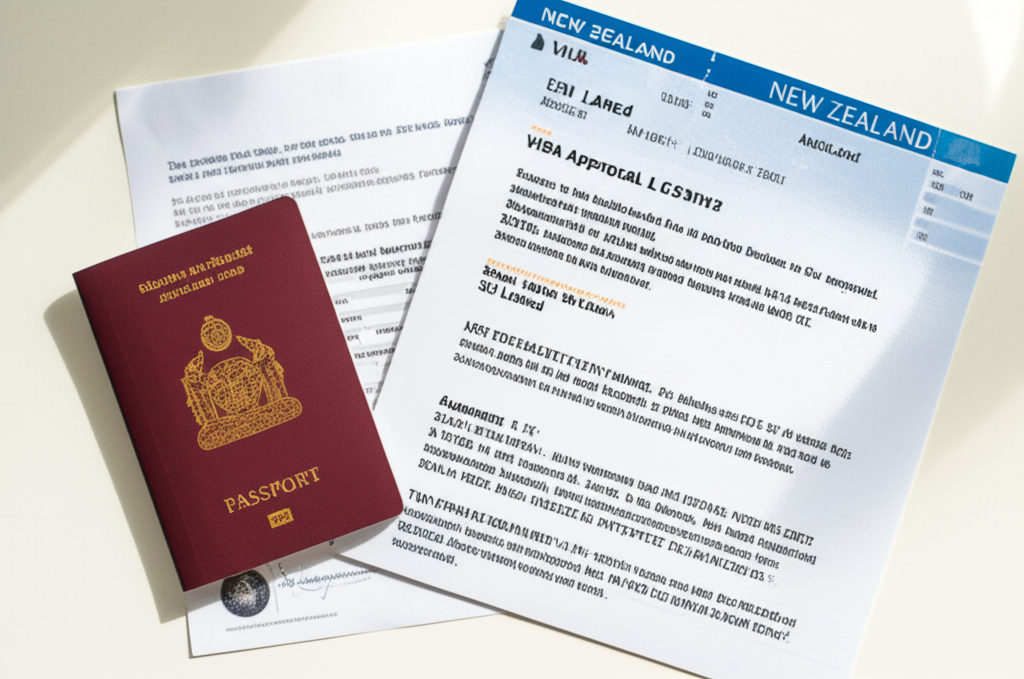
The journey from the vibrant streets of Colombo to the sprawling landscapes of Auckland begins with a crucial, paperwork-heavy step: securing the right visa. This is your official key to starting a new life in Aotearoa New Zealand. Careful preparation at this stage will set the foundation for a smoother transition.
Navigating the Visa Maze
Your reason for moving will determine your visa pathway. For many Sri Lankan professionals and families, the most common routes include:
- Skilled Migrant Category (SMC) Visa: This is a points-based system that considers your age, qualifications, work experience, and skilled employment offer. It is a direct pathway to residency for those whose skills are in demand.
- Accredited Employer Work Visa (AEWV): If you have a job offer from an employer who has been accredited by Immigration New Zealand, this is a very common and direct work visa option.
- Student Visa: Pursuing further education in New Zealand can be a valuable way to gain local qualifications and experience, often opening doors to post-study work visas and potential residency.
Always consult the official Immigration New Zealand (INZ) website for the most up-to-date criteria, application processes, and required documents like police clearances and medical examinations. Policies can change, so staying informed is vital.
Your First Week on the Ground
Once you land, a few immediate tasks are essential to get yourself established. Focus on this checklist within your first few days:
- Open a Bank Account: You will need a local bank account to receive your salary and manage finances. Major banks like ANZ, ASB, BNZ, and Westpac allow you to start the process online before you arrive.
- Get an IRD Number: An Inland Revenue Department (IRD) number is mandatory for tax purposes. You cannot legally be paid by an employer without one. Applying online is the easiest method.
- Stay Connected: Purchase a local SIM card from providers like Spark, One NZ, or 2degrees to get a New Zealand phone number and access mobile data, which is crucial for job hunting and navigation.
With these fundamentals in place, you’ll be ready to tackle the next major steps: finding a home and securing employment.
Section 2: Finding a Home – The Auckland Housing Market
Moving from Colombo to Auckland presents one of the biggest adjustments for new migrants: the housing market. Auckland is New Zealand’s largest and most expensive city, and securing a home requires preparation and a realistic budget. The experience is a significant shift from what you might be used to, with high demand and formal application processes.
Renting: Your First Step
For most newcomers, renting is the practical first step. Websites like Trade Me Property and realestate.co.nz are the primary tools for finding listings. The market is competitive; it’s common to attend open viewings with dozens of other hopeful tenants. Landlords require a formal application, including references and proof of income.
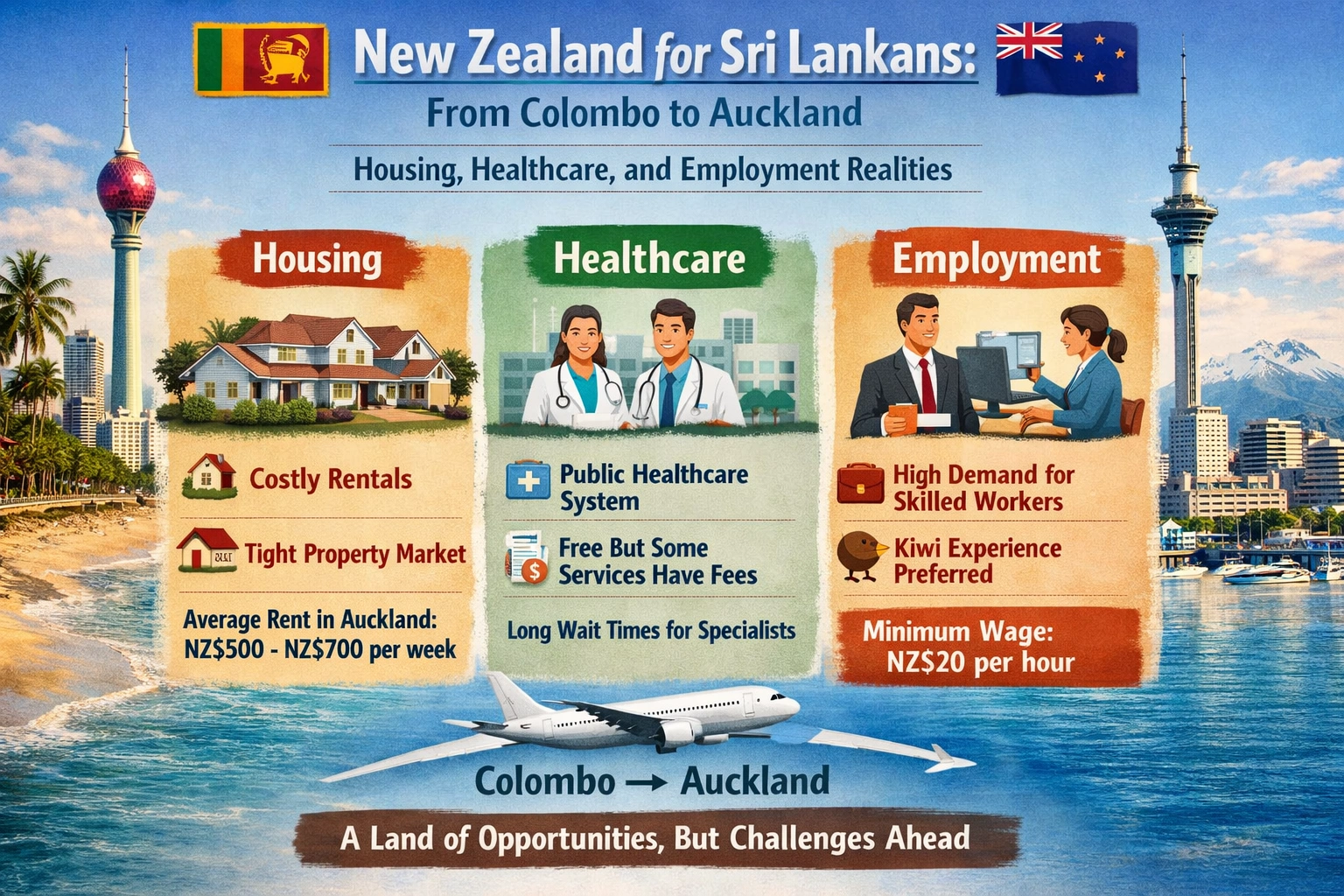
Be prepared for the upfront costs: a bond (usually four weeks’ rent) held by a government agency, plus one or two weeks’ rent in advance. As a guide, a standard three-bedroom family home in a central suburb can range from NZ$700 to over $900 per week. Initially, consider “flatting” (sharing a house with others) to reduce costs while you get established.
Popular Suburbs for the Sri Lankan Community
Many Sri Lankan families gravitate towards suburbs with established communities, good schools, and access to familiar food and cultural centres. These areas can make the transition feel much smoother. Key areas to explore include:
- Mount Roskill & Blockhouse Bay: Known for their cultural diversity, strong community feel, and a large Sri Lankan population. You’ll find specialty grocery stores and community events here.
- The North Shore (e.g., Glenfield, Forrest Hill): These suburbs are popular for their excellent schools and family-friendly environment, attracting many professional migrant families.
While buying a home is a long-term goal for many, it is a major financial undertaking with median prices often exceeding NZ$1 million. Focus first on settling in, building your credit history, and understanding the market before considering a purchase.

Section 3: Your Health Matters – Navigating NZ’s Healthcare
New Zealand’s healthcare system is known for its high standards, but it operates differently from what you may be used to in Sri Lanka. It’s a mix of publicly funded services and private options. Understanding how to access care is essential for your family’s wellbeing.
Eligibility for Public Healthcare: Your access to publicly funded services depends on your visa. If you hold a resident visa or a work visa valid for two years or more, you are generally eligible for the same subsidised healthcare as citizens. Those on shorter-term visas must have private health insurance to cover medical costs.
- General Practitioners (GPs): Unlike in Sri Lanka where you might visit a specialist directly, your GP is your first point of contact for non-emergency health issues. You must enrol with a local medical centre to receive subsidised care. GP visits are not free, but the government subsidy significantly reduces the cost. Your GP manages your overall health, provides prescriptions, and gives referrals to specialists.
- Hospitals and Specialists: Public hospital care is free for eligible people, but you typically need a referral from your GP to see a specialist. Be prepared for potentially long waiting lists for non-urgent procedures.
- Accident Compensation Corporation (ACC): A unique feature is the ACC. If you are injured in any kind of accident—at work, home, or playing sports—ACC helps cover your treatment costs. This no-fault scheme applies to everyone in New Zealand, including visitors, and can provide income support if you cannot work.
Many New Zealanders also opt for private health insurance. This can provide faster access to specialists and elective surgeries in private hospitals, bypassing the public system’s waiting lists. It can also cover services like dental, optical, and physiotherapy, which have limited public funding.

Section 4: Securing a Job – Employment Realities
Finding employment is a pivotal step in your settlement journey. While New Zealand’s job market is robust, it is also competitive. Understanding its unique characteristics, from application processes to workplace culture, is essential for a successful transition from Colombo to a Kiwi career.
The Aotearoa Job Market
New Zealand actively seeks skilled migrants to fill crucial gaps. High-demand sectors consistently include Information Technology, healthcare (nurses, doctors, and aged care), construction and trades, engineering, and agriculture. Aligning your qualifications with New Zealand’s official Skill Shortage Lists can significantly strengthen your visa application and job prospects. Researching your specific industry before you arrive will give you a realistic view of current opportunities.
Your Job Search Toolkit
Your job hunt will primarily be digital. Major online portals like Seek and Trade Me Jobs are the go-to resources. However, do not underestimate the power of networking. Use LinkedIn to connect with professionals in your field and join Sri Lankan community groups for valuable insights and potential leads.
Your CV is your first impression. A New Zealand-style CV is different from a typical Sri Lankan resume; it should be concise (ideally two pages), results-oriented, and highlight your achievements rather than just listing duties. A tailored cover letter for each application is non-negotiable and demonstrates genuine interest.
Kiwi Workplace Culture
The New Zealand workplace is generally egalitarian and informal, with flat hierarchies where everyone is encouraged to contribute ideas. Teamwork, a positive “can-do” attitude, and a strong work-life balance are highly valued. Communication is typically direct but polite. Punctuality is expected, and showing initiative is highly regarded by employers.
Overcoming Hurdles
A common challenge for newcomers is the perceived “lack of local experience.” Be prepared to address this by emphasizing your transferable skills. Consider volunteering, internships, or contract roles to build your New Zealand work history and professional network. Persistence is key—tailor each application and remain positive throughout your search.

Section 5: Building a Community – Finding a Slice of Sri Lanka
Moving to a new country is more than just finding a house and a job; it’s about finding a home. For many Sri Lankans, building a community is the key to truly settling into life in New Zealand. Fortunately, a vibrant and welcoming Sri Lankan diaspora exists, particularly in cities like Auckland and Wellington, offering a familiar touch of home thousands of miles away.
In Auckland, areas like Mount Roskill, Sandringham, and Blockhouse Bay are popular with the South Asian community. Here, you will find grocery stores stocked with familiar spices, rice varieties, and brands from back home. Discovering a shop that sells kithul treacle or your favourite brand of tea can be a small but significant comfort. These suburbs are also dotted with restaurants serving authentic kottu roti, hoppers, and flavourful curries, providing a perfect setting for a family meal that tastes just right.
Cultural and Spiritual Connections
Religious centres are pillars of the community. Buddhist Viharas, Hindu Kovils, and churches offering services in Sinhala and Tamil are not just places of worship; they are bustling hubs for cultural events and social gatherings. Celebrating major festivals like Sinhala & Tamil New Year, Vesak, Thai Pongal, or Christmas with fellow Lankans helps maintain cultural traditions and creates lasting friendships.
Beyond religious institutions, numerous cultural associations and societies actively organise events, from musical evenings to sports tournaments—especially cricket! Joining these groups is an excellent way to connect with people who share your heritage and interests.
Online platforms are also invaluable. Facebook groups such as ‘Sri Lankans in New Zealand’ are active forums where people share advice, organise meetups, and offer support. By tapping into these networks, you can quickly build connections that transform New Zealand from a foreign land into a new home, enriched by a comforting slice of Sri Lanka.

Section 6: Long-Term Outlook – Finances and Future
Moving from Colombo to Auckland is more than a change of address; it’s a long-term investment in your family’s future. While the initial years focus on settling in, a forward-thinking approach to your finances from day one is crucial for building a secure and prosperous life in New Zealand.
Building Your Financial Foundation
Once you are established, your financial focus will shift from meeting immediate needs to long-term wealth creation. A key pillar of this is KiwiSaver, New Zealand’s voluntary retirement savings scheme. It is highly recommended to join as soon as you are eligible. Your contributions are supplemented by your employer and the government, making it a powerful tool for your future. Beyond KiwiSaver, many explore other investments, such as managed funds or shares, to grow their savings over time.
The Path to Home Ownership
For many Sri Lankan families, owning a home is a cherished dream. While property prices, particularly in cities like Auckland, can seem daunting, it is an achievable long-term goal. The journey involves disciplined saving for a deposit, understanding the mortgage process, and potentially starting with a smaller home or an apartment. Climbing the property ladder is a common strategy for Kiwis, and with sound financial planning, you can work towards creating a permanent home for your family.
Career Progression and Citizenship
Your first job in New Zealand is a stepping stone. Long-term success involves continuous professional development, upskilling, and adapting to the Kiwi work culture to advance your career. This progression is directly linked to greater financial stability and opportunity.
Ultimately, the path from residency to New Zealand citizenship offers the greatest long-term security. It solidifies your place in the country, granting you full rights and responsibilities. This final step transforms your journey from a migration story into a legacy of building a new life, blending your rich Sri Lankan heritage with your future as a Kiwi.

References
- Explore visa options | Immigration New Zealand
- Moving to and living in New Zealand | New Zealand Government
- Guide to eligibility for public health services | Ministry of Health NZ
- Tenancy Services – Information for landlords and tenants
- Seek – New Zealand’s no. 1 jobs, employment, career and recruitment site
- Careers New Zealand – Your guide to career planning, study and training
- Cost of Living Comparison Between Colombo and Auckland
- United Sri Lanka Association in New Zealand (USLA)