From Tropical Warmth to Icy Winters: The Initial Shock
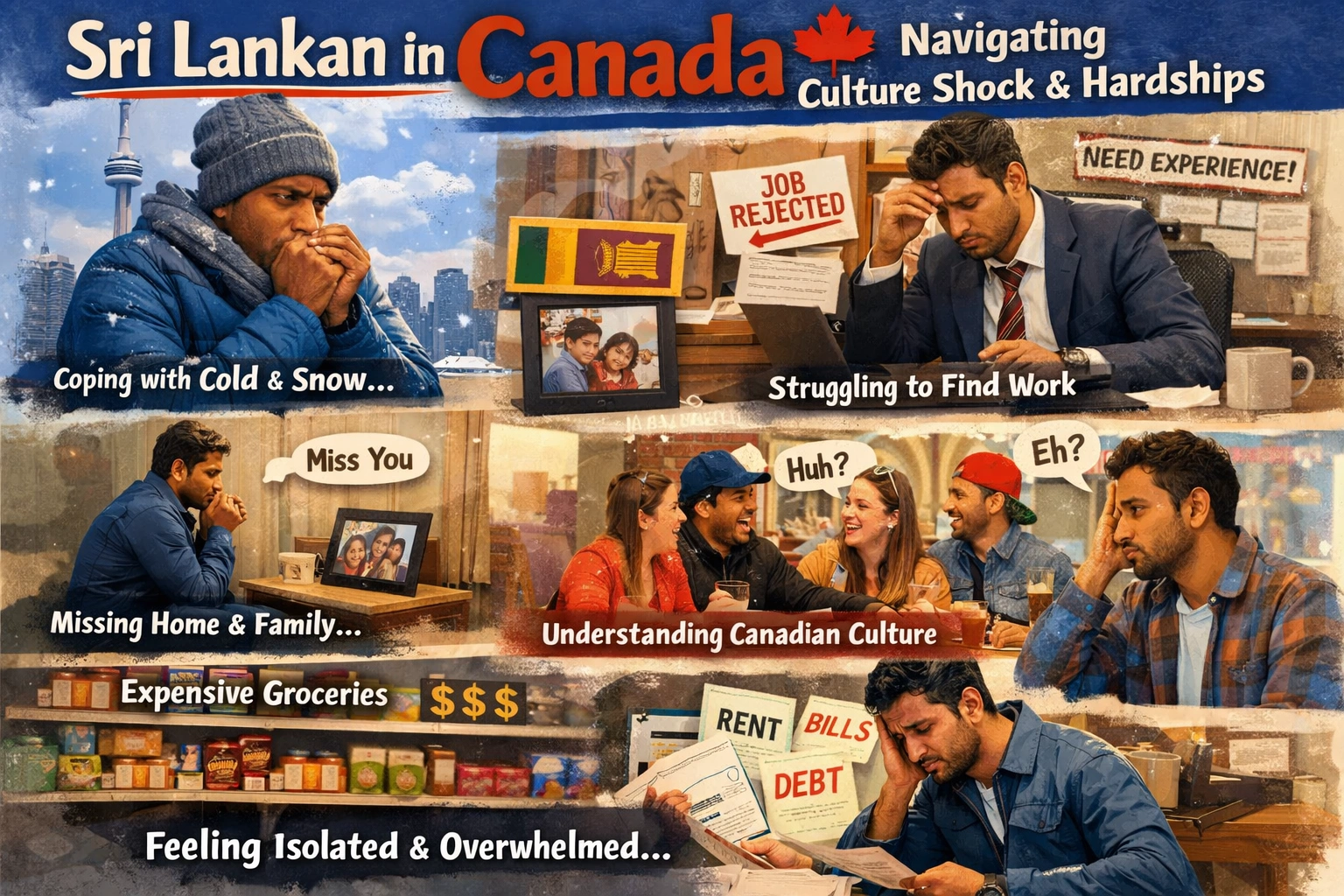
For many Sri Lankans, the first and most visceral element of culture shock in Canada is the weather. Leaving behind an island where the temperature rarely dips below 25°C is a profound physical and psychological adjustment. The concept of seasons is transformed from the familiar rhythm of sun and monsoon to a dramatic cycle of thaw and deep freeze. The initial arrival, especially outside the brief summer months, is a sensory assault. The first breath of sub-zero air is a sharp, painful shock to lungs accustomed to balmy, humid air scented with salt and tropical flowers.
The first snowfall, while initially magical, quickly ushers in the harsh realities of a Canadian winter. Newcomers must learn an entirely new vocabulary of survival: thermal layers, insulated boots, toques, and gloves become essential armour against an environment that feels actively hostile. The simple act of walking outside requires careful planning. Navigating icy sidewalks becomes a perilous task, and the sheer weight of winter clothing feels restrictive and unfamiliar.
Beyond the physical discomfort, the long, dark winters take a psychological toll. The dramatic reduction in daylight hours can feel oppressive, draining energy and exacerbating feelings of isolation. The vibrant, outdoor social life common in Sri Lanka is replaced by indoor confinement. This climatic shift is more than just an inconvenience; it’s a fundamental change in one’s relationship with the natural world, often amplifying the initial pangs of homesickness and making the warmth of home feel impossibly far away.
Echoes of Home: The Pervasive Ache of Homesickness
For many Sri Lankan immigrants, the initial thrill of arriving in Canada is soon tempered by a profound and persistent ache: homesickness. This is not merely a fleeting sadness for distant relatives; it is a visceral, sensory longing for the very essence of a life left behind. It is the ghost of humidity on the skin, the phantom scent of jasmine and frying curry leaves in a kitchen that now smells of pine cleaner. It is the silence of a suburban street that painfully contrasts with the memory of bustling markets, the trill of a koel bird, or the comforting cadence of Sinhala or Tamil spoken all around.
This ache is woven into the daily fabric of life. The culinary landscape, while diverse, cannot replicate the specific comfort of a mother’s kiribath or the sharp, familiar taste of street-side isso vade. The transition from a collectivist culture, where community and family are interwoven into an ever-present support system, to Canada’s more individualistic society can feel isolating. The absence of spontaneous visits from neighbours, the lack of shared cultural context in casual conversation, and the difficulty in recreating vibrant festivals like Avurudu or Thai Pongal with the same communal spirit creates a deep void.
Perhaps most jarring is the physical shock of the environment. The unrelenting Canadian winter, with its biting winds and deep, silencing snow, is the antithesis of Sri Lanka’s year-round tropical warmth. For months, the sun becomes a distant stranger, and the long, dark evenings can amplify feelings of loneliness and displacement. This climatic shift is more than just an inconvenience; it is a physical manifestation of their emotional reality—a cold and unfamiliar world far from the warmth of home. This pervasive homesickness becomes a constant companion, a quiet but steady echo in the new Canadian chapter of their lives.
The Unspoken Barrier: Dealing with Racism and Microaggressions
While Canada’s reputation as a welcoming multicultural mosaic is a powerful draw for many Sri Lankans, the reality on the ground can be jarring. The idealized image of a post-racial society often fades when confronted with the nuanced and painful experiences of racism. For many, this is an unexpected and deeply unsettling aspect of their new life.
Overt discrimination, though it exists, is often less common than the steady stream of microaggressions. These are the subtle, everyday slights and insults that communicate hostile or negative messages based on race. It’s the seemingly innocent question, “But where are you really from?” that invalidates their Canadian identity. It’s the repeated, careless mispronunciation of a traditional name, the backhanded compliment on their “excellent English,” or assumptions that lump them into a single “South Asian” stereotype, erasing their unique Sri Lankan heritage.
Each incident, while perhaps small in isolation, accumulates, creating a significant emotional burden. This “death by a thousand cuts” can lead to feelings of alienation, frustration, and self-doubt. It forces immigrants to constantly be on guard, questioning whether a negative interaction was a simple misunderstanding or something more sinister. This exhaustion adds another heavy layer of stress to the already difficult process of adapting to a new country, compounding the pain of homesickness and separation from loved ones.
Navigating this landscape is a silent struggle. Deciding whether to confront a comment or let it go is a constant, draining calculation. This unspoken barrier is a profound part of the culture shock, forcing a difficult confrontation with the complex realities of identity, belonging, and acceptance in their new home.

A Divided Heart: The Struggles of Family Separation
For many Sri Lankan immigrants, the journey to Canada begins with a profound sacrifice: leaving loved ones behind. This act of separation, often undertaken with the hope of building a better future, creates a deep and persistent ache—a feeling of having a heart divided between two worlds. While Canada offers promise and opportunity, the emotional cost of being thousands of miles from spouses, children, and aging parents is a heavy burden that shapes their entire settlement experience.
The separation is frequently a pragmatic, albeit painful, strategy. Often, one parent immigrates first to secure employment, establish a financial foothold, and navigate the unfamiliar terrain. The plan is to sponsor the rest of the family, but Canada’s complex and often lengthy immigration process can stretch this waiting period from months into years of agonizing uncertainty. During this time, the lone immigrant bears the immense pressure of not only adapting to a new culture but also earning enough to support two households, all while battling profound loneliness.
The emotional toll is staggering. Video calls become a bittersweet lifeline, a window into a life they are no longer physically part of. Immigrants miss crucial milestones—a child’s first words, school graduations, family weddings, and the final goodbyes to elderly parents. This creates a lingering sense of guilt and loss. Back home, the spouse left behind shoulders a double burden of parenting and managing the household alone. For children, a parent can become a distant figure on a screen, making the eventual reunion a significant challenge. Rebuilding bonds stretched by time and distance is a delicate process. The family that finally reunites is not the same one that separated, and learning to be a family again within the new cultural landscape of Canada is a quiet, often unspoken, struggle.

Finding a New ‘Village’: Rebuilding Community in Canada
For many Sri Lankan immigrants, one of the most profound losses is that of the ‘village’—the intricate, multi-generational web of family, neighbours, and friends that forms the backbone of daily life. This sudden absence of a built-in support system can amplify feelings of homesickness and isolation in Canada’s more individualistic society, turning the challenge of settling in into a deeply lonely experience.
The process of rebuilding this community is often centered around cultural and religious hubs. Hindu kovils, Christian churches, and mosques become more than places of worship; they transform into vital community centers. Here, immigrants can reconnect with their language, celebrate festivals like Thai Pongal or Vesak, and share meals that taste of home. These institutions serve as the initial cornerstones for a new social network, offering a familiar anchor in an unfamiliar land.
This effort extends into neighbourhoods, creating vibrant pockets of Sri Lankan culture in cities like Toronto. Ethnic grocery stores stocked with familiar spices and vegetables, restaurants serving kottu roti and lamprais, and community-run events provide tangible links to their heritage. These spaces act as informal meeting points, fostering a sense of belonging and providing a buffer against the alienation that can stem from racism and cultural misunderstandings.
Ultimately, this new ‘village’ is a hybrid creation—a blend of Sri Lankan traditions and Canadian realities. It does not erase the pain of family separation, but it offers a surrogate family of ‘aunties’ and ‘uncles’ who understand the unique journey. Through cultural associations, alumni networks, and deep friendships, Sri Lankan immigrants forge a resilient support system. This reconstructed community is a testament to their strength, providing the shared understanding and emotional support needed to navigate their new life and transform Canada from a foreign country into a true home.
Weaving Two Worlds: Crafting a Sri Lankan-Canadian Identity
The journey from Sri Lanka to Canada is often paved with dreams of opportunity and security. However, the initial landing is frequently met with the jarring reality of culture shock. For many, building a new life involves the complex and often painful process of weaving the familiar threads of their homeland with the starkly different patterns of Canadian society. This intricate process is shaped by profound challenges that test their resilience.
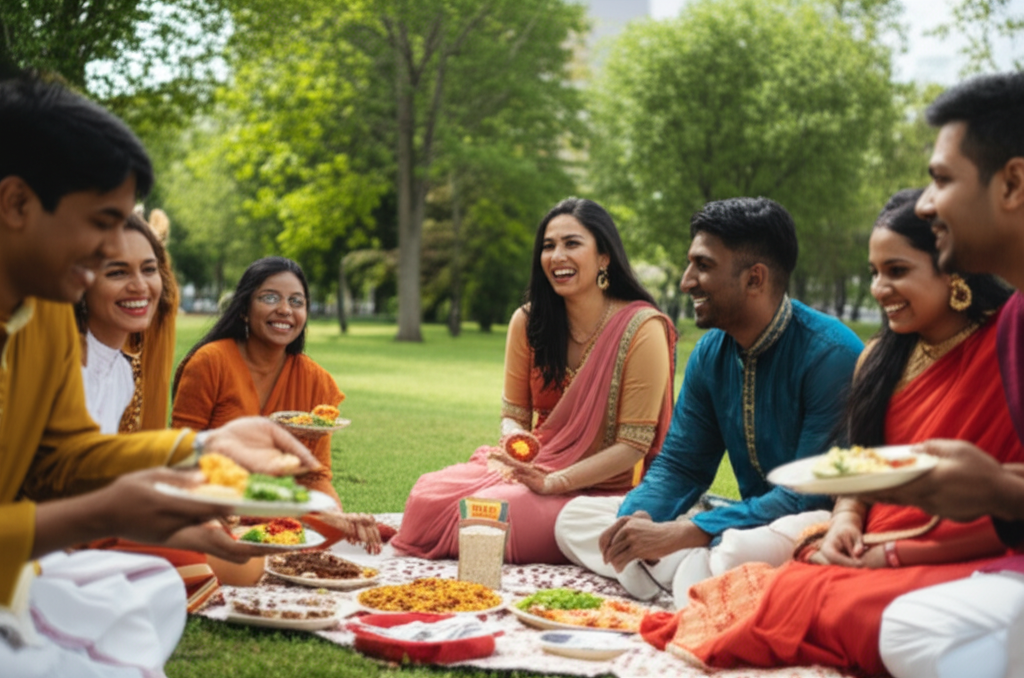
A deep, persistent homesickness is a constant companion. The longing for Sri Lanka is sensory—a yearning for the tropical warmth, the fragrant aroma of spices from a family kitchen, and the familiar rhythm of a close-knit community. The stark contrast of cold Canadian winters and a more individualistic social landscape can amplify feelings of isolation, making the heart ache for the vibrant social fabric left behind.
This sense of displacement is often compounded by the harsh sting of racism. Beyond overt discrimination, subtle microaggressions—the mispronunciation of a name, questions about one’s “real” home, or stereotypical assumptions—serve as painful reminders of being an outsider. Simultaneously, the struggle is deeply personal due to family separation. Leaving parents, siblings, and an entire support system creates a void that video calls cannot fully bridge. The weight of responsibility for family back home, coupled with the loneliness of navigating a new world, is an immense emotional burden.
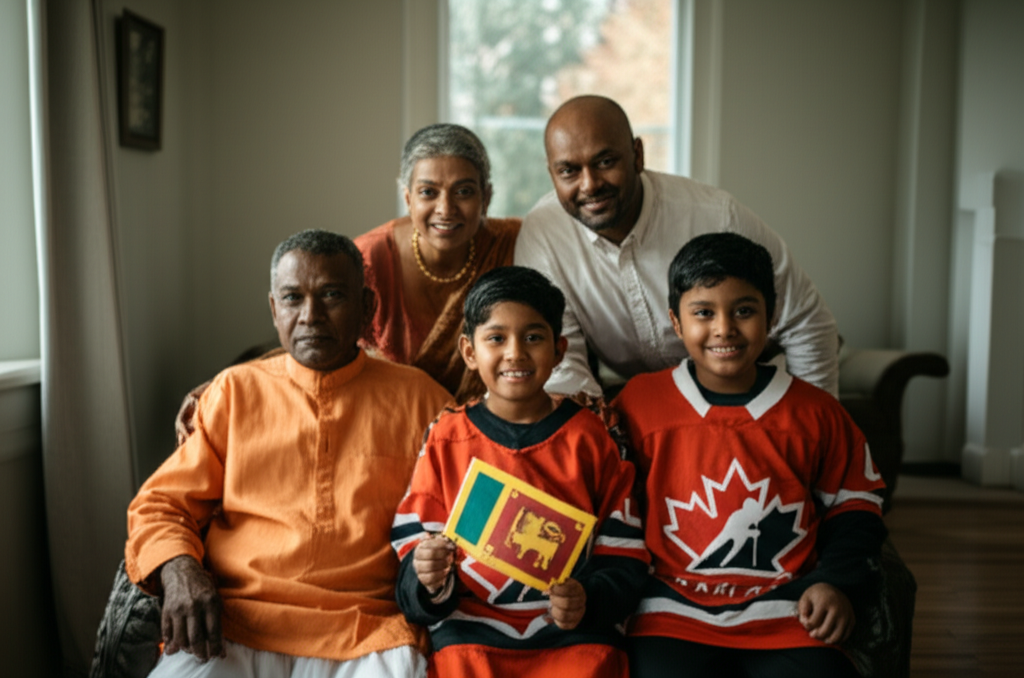
Yet, it is through navigating these very struggles that a unique Sri Lankan-Canadian identity is forged. It is an identity built from resilience, blending cherished traditions with new experiences. It is a testament to the strength required to hold onto one’s heritage while adapting to a new home, creating a rich, hybrid culture that honors both the past and the future.
References
- From ‘Islanders’ to ‘Brown People’: The racialization of Sri Lankan immigrants in Toronto
- The Mental Health of Sri Lankan Tamil Refugees in Canada
- ‘We are still living in the refugee camp in our minds’: Sri Lankan Tamil refugee families’ pre- and post-migration experiences
- The Sri Lankan Tamil Diaspora in Toronto
- Waiting in the Shadows: A report on the family reunification of refugees in Canada
- A Study of the Integration of Sri Lankan Immigrants in the City of Toronto
- Migration and Mental Health in Canada: A Scoping Review of the Literature on the Mental Health of Immigrants, Refugees, and Asylum Seekers
- Living in between: The process of acculturation among Sri Lankan immigrants in Toronto