
The Leap of Faith: Motivations and Expectations
The decision to leave one’s homeland for the distant shores of Australia or New Zealand is rarely a simple one. For women from Sri Lanka, it represents a profound leap of faith, a calculated risk taken in the pursuit of a life that balances ambition with security. This journey is propelled by a complex mix of powerful motivations, pushing them from familiar comforts and pulling them toward a horizon of new possibilities.
A primary driver is the quest for professional fulfillment and economic stability. Many women, armed with education and skills, face a career ceiling or a volatile job market in their home country. The promise of a meritocratic work environment, better remuneration, and the chance to build a meaningful career in an advanced economy is a powerful lure. The backdrop of economic uncertainty in Sri Lanka often amplifies this desire, transforming the move from a simple choice into a perceived necessity for financial security and independence.
Beyond individual careers, the well-being of family is paramount. The dream is often for their children—a world-class education, access to superior healthcare, and a safe, stable society in which to grow. For some, migration also represents a path to greater personal autonomy and safety, an escape from rigid social norms or the lingering anxieties of a turbulent political landscape. They seek not just a new house, but a secure home.
The expectations tied to this leap are immense. They envision a life where their qualifications are recognised, their hard work is rewarded, and they can achieve a harmonious work-life balance that often feels unattainable back home. They anticipate a society where their children can thrive without fear and where their fundamental rights are protected. This vision—of a secure present and a brighter, more predictable future—is the star that guides them through the immense challenges of uprooting their lives and starting anew.
The Career Conundrum: Navigating the Professional Landscape
For many Sri Lankan women arriving in Australia or New Zealand, the promise of a thriving career is a powerful motivator. They often bring a wealth of experience, advanced degrees, and formidable ambition. However, the reality on the ground presents a complex professional maze. The first hurdle is often a systemic one: non-recognition of overseas qualifications, forcing highly skilled professionals like doctors, lawyers, and engineers into survival jobs, a phenomenon often described as ‘downward mobility’. This initial setback is not just a professional challenge but a deep blow to one’s identity and sense of worth.
Beyond these initial barriers lies the profound challenge of balance. The professional world demands long hours and networking, while cultural expectations often place the burden of domestic life—the ‘second shift’—squarely on women’s shoulders. Navigating this dual role becomes a delicate, and often exhausting, juggling act. The drive to rebuild a career competes with the deep-seated responsibility felt towards family, creating a constant tension between personal ambition and cultural duty.
The workplace itself can be an unfamiliar territory. Navigating flatter hierarchies, different communication styles, and subtle unconscious biases requires a rapid and often unspoken cultural education. For many, personal safety also influences career choices. The need for flexible hours to accommodate childcare or the decision to avoid roles requiring late-night commutes can limit professional options, prioritising family well-being over career progression.
Despite these obstacles, these women demonstrate incredible resilience. They redefine success on their own terms, whether by patiently climbing the corporate ladder, pivoting to new industries, or launching their own businesses. They are not just adapting; they are actively carving out new professional identities that honour both their heritage and their aspirations in their new home.
Weaving a New Family Fabric: Redefining Roles
Migration to Australia and New Zealand acts as a powerful catalyst for change within the Sri Lankan family structure. The economic realities of a new country often dismantle traditional gender roles, compelling women to step into pivotal roles as co-providers or even primary breadwinners. This transition is more than just financial; it represents a fundamental shift in identity and influence. As they build careers and contribute significantly to the household income, these women are not just supporting their families—they are actively reshaping their dynamics from the inside out.
This professional evolution inevitably ripples into the domestic sphere, prompting a renegotiation of responsibilities at home. The traditional division of labour, where the home was solely the woman’s domain, becomes unsustainable. Couples must navigate new territory, learning to share childcare, cooking, and household management. For many, this is a collaborative process that strengthens their partnership. For others, it can be a source of tension as deep-seated cultural expectations clash with the practical demands of their new lives. They are essentially re-weaving the very fabric of their daily existence, stitch by stitch.
This journey involves walking a cultural tightrope. While embracing the independence and opportunities of their new environment, many women still feel the pull of cultural expectations to be the perfect homemaker and nurturing mother. Juggling a demanding career with these ingrained ideals creates a complex and often exhausting balancing act. They become pioneers, crafting a hybrid identity that honours their heritage while embracing a more egalitarian future. In doing so, they not only empower themselves but also provide a new blueprint for their children, demonstrating a resilient and adaptive model of family life in a globalised world.
Forging a Safe Haven: Community, Identity, and Security
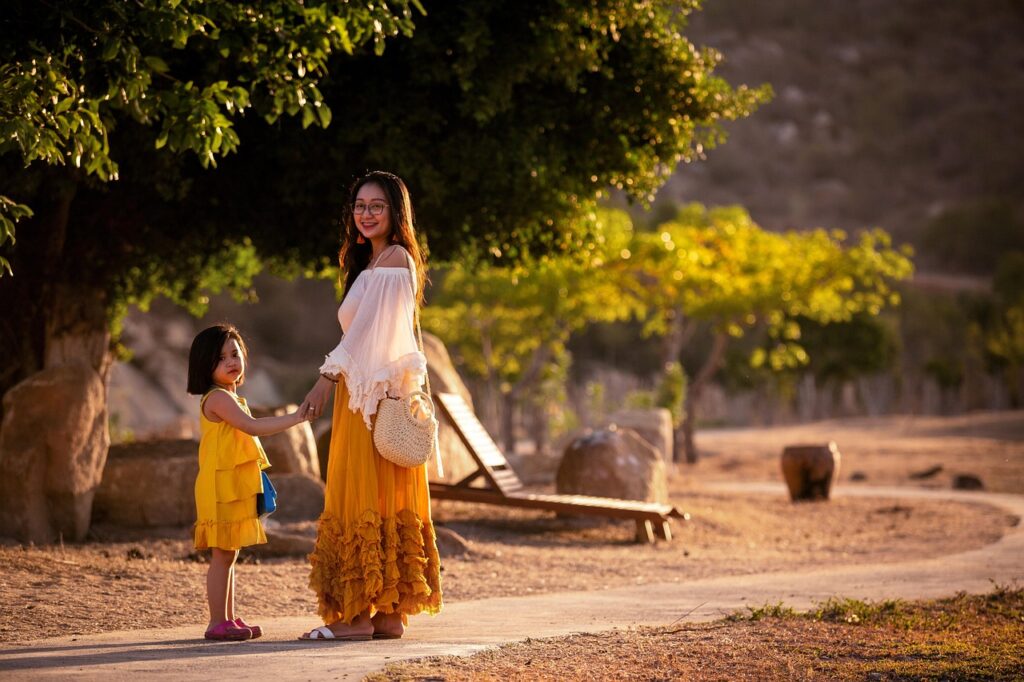
For many Sri Lankan women migrating to Australia and New Zealand, the journey is not just about advancing a career; it is about building a sanctuary. This safe haven is constructed from three essential pillars: a strong community, a fluid sense of identity, and the profound feeling of security that allows them to thrive personally and professionally.
Upon arrival, the vibrant Sri Lankan diaspora often becomes an immediate lifeline. Community networks, built around cultural associations, religious centres, and informal social circles, provide an essential support system. Sharing a familiar language, celebrating festivals like Avurudu, or exchanging home-cooked meals helps combat the initial isolation of migration. This ready-made family offers practical advice on navigating a new country, from school enrolments to job hunting, creating a crucial safety net that cushions the challenges of resettlement.
Navigating identity is a delicate dance. These women skilfully weave the rich threads of their Sri Lankan heritage with the fabric of their new lives. They are professionals in demanding fields and mothers raising children who straddle two cultures. In their homes, the aroma of spicy curries coexists with the local barbecue. They strive to pass on traditions and mother tongues to the next generation while embracing the freedoms of their adopted nations. This creates a unique, resilient identity that is both Sri Lankan and distinctly Australian or Kiwi.
Ultimately, these elements combine to foster a deep sense of security. It is the security of living in a stable society, free from the political and economic uncertainty they may have left behind. It is the emotional security of knowing there is a community to lean on. This foundation of safety empowers them to pursue ambitious goals and raise their families with confidence, transforming their migration from a mere move into the successful creation of a new, thriving home.