The Opportunity: Connecting the Diaspora with a Taste of Home
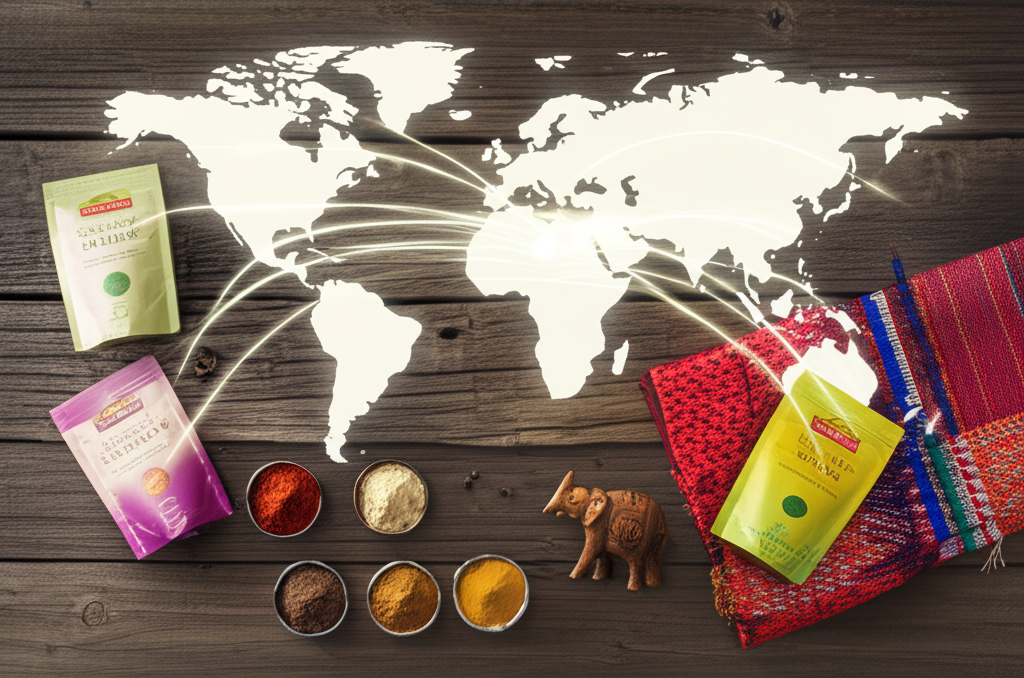
Thousands of Sri Lankans live and work in countries like the United Kingdom and Canada. While they build new lives, a powerful sense of nostalgia remains. This longing for the sights, sounds, and tastes of home creates a unique and growing market. People miss the simple things: the exact brand of tea they grew up with, the spicy kick of a specific curry powder, or the comfort of a familiar snack.
This is where the business opportunity begins. The Sri Lankan diaspora is a dedicated customer base looking for authentic products that are difficult or impossible to find in Western supermarkets. The demand goes beyond food and includes:
* Groceries: Spices, heritage rice, treacle, and ready-to-eat mixes.
* Crafts & Decor: Handloom textiles, wooden masks, and unique home goods.
* Wellness: Ayurvedic oils, herbal teas, and natural beauty products.
* Cultural Items: Clothing, religious items, and books.
A dropshipping model is the perfect way to serve this market. It allows an entrepreneur to start an online store without the high cost of buying and storing inventory. You act as the bridge, connecting customers in London or Toronto with suppliers in Colombo. Your website becomes a curated marketplace for all things Sri Lankan.
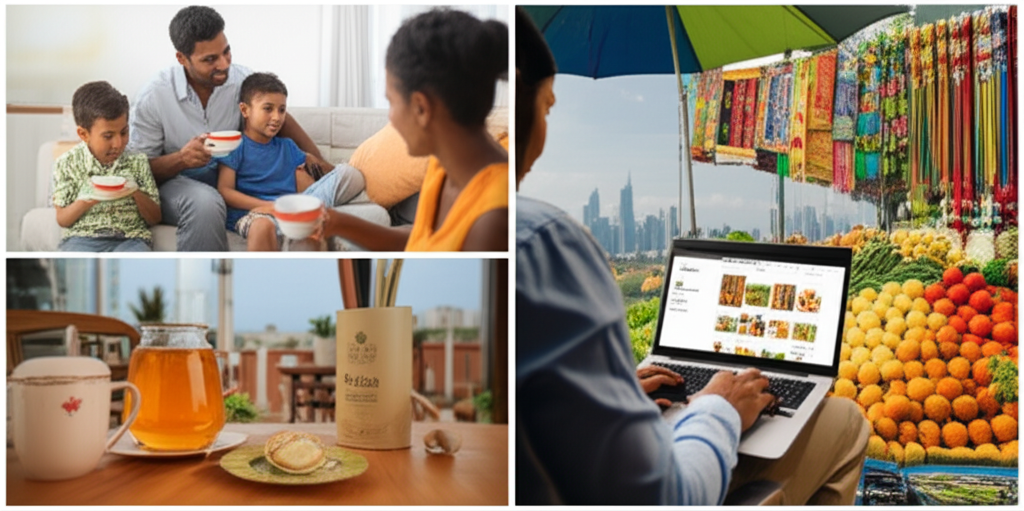
This business is not just about selling goods; it’s about selling a feeling of connection. For many migrants, receiving a package with their favourite products is a powerful way of coping with homesickness and isolation. By providing a reliable way to access a “taste of home,” you can build a loyal customer base and a profitable e-commerce venture.
Sourcing and Supplier Partnerships in Sri Lanka
The success of your dropshipping business rests on your suppliers. Finding reliable partners in Sri Lanka is your first and most important task. They are the ones who store, pack, and ship products to your customers in the UK and Canada. A strong partnership ensures that your customers receive high-quality items on time.
# Finding the Right Products and People
Start your search with personal connections. Ask family and friends for recommendations. They can often connect you with small, local businesses or talented artisans. Focus on unique products that Sri Lankan expats miss, such as handloom textiles, authentic spices, Palmyra leaf crafts, or natural wellness products. These items have high demand and are not easily found on major online stores.
Initially, it is wise to avoid very heavy, bulky, or fragile items. This helps keep shipping costs down and reduces the risk of damage during transit. Look for suppliers who take pride in their quality and craftsmanship. Ask for samples before you agree to list their products on your store.
# Building a Strong Supplier Relationship
A great partnership is built on clear communication and trust. Many small Sri Lankan producers may not be familiar with dropshipping. You will need to explain the process clearly. Tell them they will be shipping individual orders directly to customers abroad, not selling in bulk.
Agree on everything upfront. This includes product quality, packaging standards, and shipping times. Clear payment terms are also vital. Using one of the best remittance apps ensures your partners get paid quickly and securely. Understanding their business structure can also be helpful. Knowing about the different ways to register a small business in Sri Lanka gives you insight into their operations and helps build a professional relationship.

Building a Resilient Supply Chain: From Colombo to Toronto
Your dropshipping business is only as strong as its supply chain. Getting a beautiful piece of handloom fabric or a pack of Ceylon spices from a supplier in Sri Lanka to a customer in London or Toronto requires careful planning. A smooth, reliable process keeps your customers happy and builds trust in your brand.
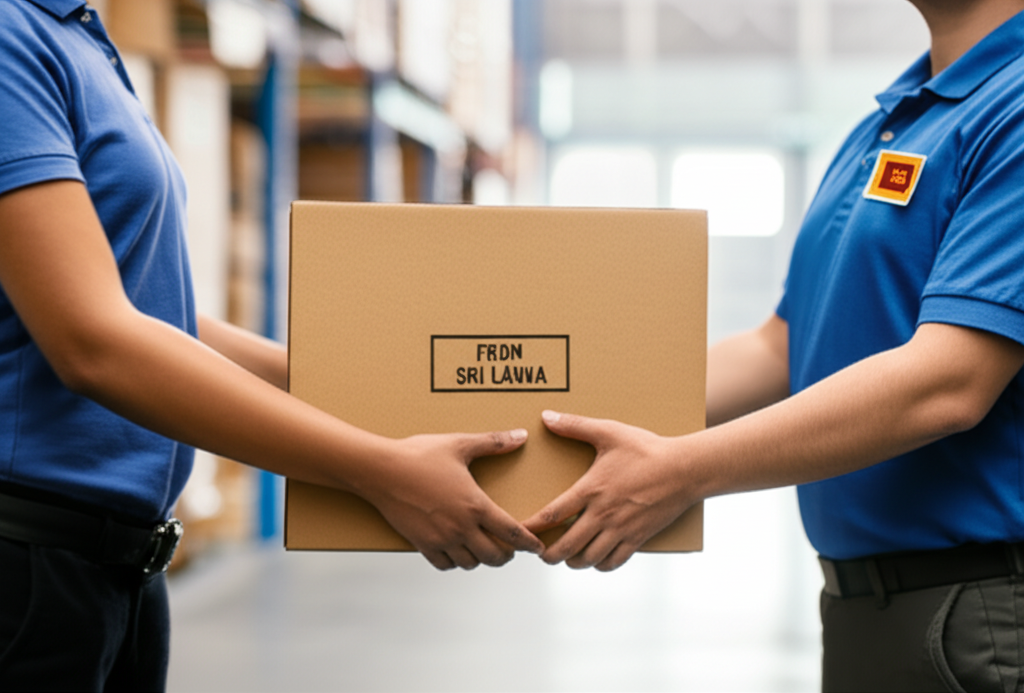
The journey begins with a great supplier in Sri Lanka. Partner with producers who offer high-quality products and can pack them securely for a long journey. Good communication is vital. You need to know exactly when an item ships and receive a tracking number promptly to share with your customer.
Next, choose your shipping partner. International couriers like DHL or FedEx provide fast, trackable services but come at a higher cost. Sri Lanka’s EMS (Express Mail Service) is a more affordable option but can sometimes be slower. Your choice will depend on your product’s value and what your customers expect for shipping speed.
Every package must pass through customs in the UK or Canada. This step can cause delays if not handled correctly. Ensure all paperwork is accurate, especially the commercial invoice, which declares the item’s value. In a typical dropshipping model, your customer is responsible for paying any import duties or taxes required by their country. It is important to state this clearly on your website to manage customer expectations and avoid surprise costs.
Building a strong supply chain is the first practical step when you decide to register a small business in Sri Lanka to serve global markets. For many, this business model is a way to stay connected, especially in the context of the recent crisis migration from Sri Lanka, offering a meaningful link to home.
Navigating UK & Canadian Customs and Regulations
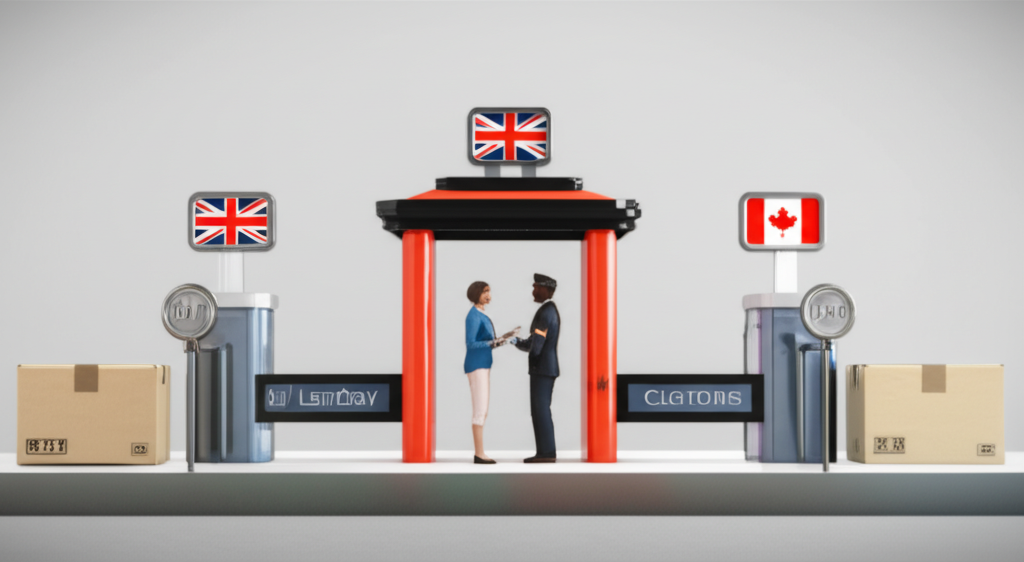
Sending products from Sri Lanka to the UK and Canada means you must understand their customs rules. If you ignore these regulations, your customers could face long delays or unexpected fees. This can quickly damage your dropshipping store’s reputation. Getting customs right from the start is essential for building a successful business.
Understanding Import Taxes and Duties
When a customer in the UK or Canada buys from your store, they become the importer. This means they are typically responsible for paying any import fees. In the UK, this tax is called Value Added Tax (VAT). In Canada, it is the Goods and Services Tax (GST) or Harmonized Sales Tax (HST).
Each country also has a tax-free limit known as the “de minimis value.” This is the threshold below which packages are not charged duties or taxes.
- For the UK: The tax-free allowance was removed. VAT applies to all commercial goods. However, a separate customs duty is only charged on shipments valued over £135.
- For Canada: Packages valued under C$20 are generally free from duties and taxes.
It is good practice to inform your customers about these potential costs on your website before they make a purchase.
Prohibited Goods and Correct Paperwork
You cannot ship everything. Both the UK and Canada restrict certain items, especially food, plants, and animal products. Before listing an item, check the official government websites to ensure it is allowed. Your supplier in Sri Lanka must also attach an accurate customs declaration form (like a CN22) to every package. This form must clearly state the contents, origin, and true value. Incorrect information can cause packages to be held or returned.
Following these rules helps build trust and keeps your customers happy. While starting a business abroad is rewarding, managing personal challenges is just as important. Many find support in shared experiences, from coping with homesickness in Canada/UK to learning about immigration paths like the Canada Express Entry for IT pros from Sri Lanka.
References
- Import goods into the UK: step by step – The official guidance from the UK government on processes, taxes (VAT), and customs duties for importing commercial goods.
- A Step-by-Step Guide to Importing Commercial Goods into Canada – Provided by the Canada Border Services Agency (CBSA), this outlines the official importing process for businesses.
- Sri Lanka Export Development Board (SLEDB) – The official government portal for promoting Sri Lankan exports, offering resources on finding suppliers and understanding export regulations from Sri Lanka.
- Dropshipping on Wikipedia – A comprehensive overview of the dropshipping business model, its history, and common practices in supply chain management.