

Getting Started: Legal and Practical First Steps
Turning your Colombo apartment into an income source while you are overseas requires careful planning. Getting the first few steps right will save you a lot of trouble later. Here is a simple checklist to get you started on the right foot.

- Choose Your Manager Wisely: Your first decision is who will look after your property. You can hire a professional property management company or ask a trusted family member. A company handles everything from finding tenants to repairs for a fee. A relative might be cheaper but may not have the same experience.
- Grant Legal Authority (Power of Attorney): You must legally appoint someone to act for you. This is done with a Power of Attorney (POA), a document that lets your representative sign contracts and manage the apartment. It is crucial to have a lawyer in Sri Lanka draft this for you to ensure it is valid.
- Set Up Your Finances: Open a separate bank account in Sri Lanka for all rental income and expenses. This makes tracking your money simple. When you need to transfer your earnings abroad, you’ll want to find the most cost-effective method. You can compare options in our guide to the best remittance apps for Sri Lankans.
- Understand Tax Rules: The rent you earn is taxable income in Sri Lanka. Make sure you have a Taxpayer Identification Number (TIN) and understand when to file returns. Proper tax planning for Sri Lankan expats is essential to avoid penalties and manage your finances effectively.
When you live thousands of miles away, your property manager is more than just an agent. They are your eyes and ears on the ground, protecting one of your most valuable assets. Choosing the right one is crucial for your peace of mind and the success of your investment. A good manager handles the daily stress so you don’t have to.
So, what should you look for? Here are the key things to consider:
* Full Range of Services: A reliable manager should handle everything. This includes finding and screening good tenants, collecting rent on time, and managing all repairs and maintenance. They should also pay utility bills and apartment service charges for you.
* Clear Communication: You need someone who provides regular updates. Ask how they will communicate with you. Will you get monthly reports, photos, or emails? Prompt and clear communication is vital when you are in a different time zone.
* Transparent Fees: Understand the fee structure completely. Most managers charge a percentage of the monthly rent. Ask about extra costs, such as fees for finding a new tenant or supervising major repairs. There should be no hidden charges.
* Local Knowledge: A manager with experience in Colombo knows the rental market well. They can help set the right rent and understand local tenancy laws to prevent legal problems.
Before you decide, interview at least two or three companies. Ask for references, especially from other overseas landlords. A professional manager will provide clear financial statements each month. These reports are essential for your records, especially for tax planning for Sri Lankan expats. They also help you track your income before you use one of the best remittance apps for Sri Lankans in Australia to bring your money home.

Navigating Financials: Rent Collection and Tax Implications
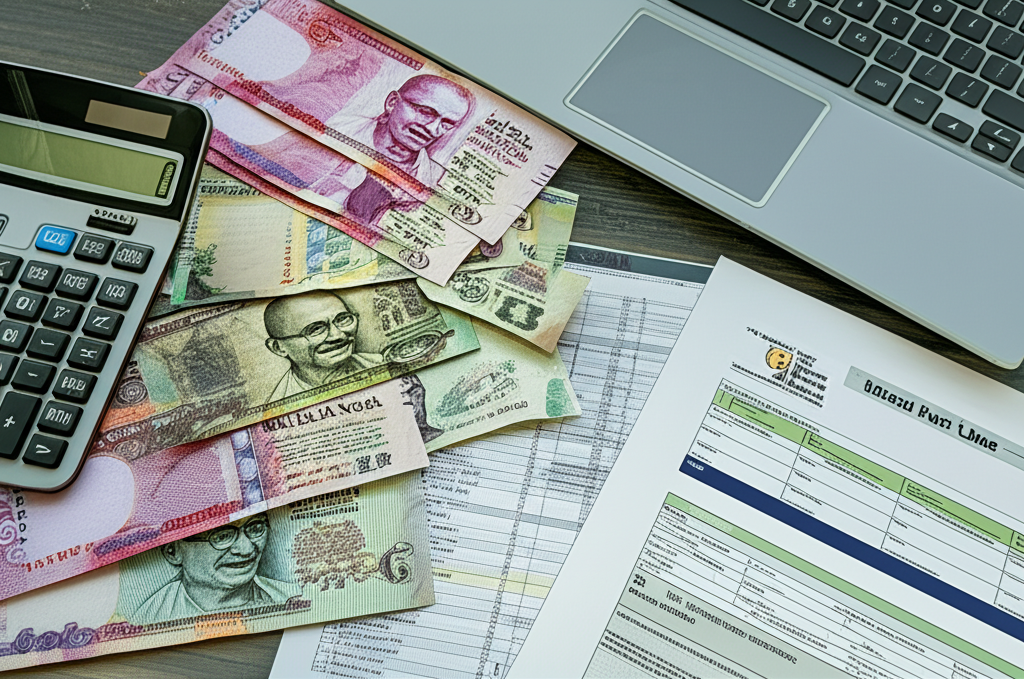
Once you have a tenant, the next step is managing the money. This involves two key parts: collecting your rent smoothly and understanding your tax duties. Getting this right from the start will save you a lot of headaches later.
Rent Collection and Transfer
Collecting rent from another country can be tricky. The easiest method is to have your property manager handle it. They can collect the payment from the tenant and deposit it into your Sri Lankan bank account. If you don’t have a manager, a trusted family member can also help. It’s wise to have a local bank account specifically for this rental income.
To use this money overseas, you’ll need to transfer it from your Sri Lankan account. Using a reliable money transfer service is often cheaper and faster than traditional bank transfers. It’s worth comparing the best remittance apps for Sri Lankans in Australia 2026 to find the best exchange rates and lowest fees.
Understanding Your Tax Duties
The rent you earn from your Colombo apartment is considered income in Sri Lanka and is subject to local taxes. Here’s what you need to know:
- Income Tax in Sri Lanka: You must declare this rental income to the Inland Revenue Department (IRD). You can often deduct expenses like maintenance fees, agent commissions, and repair costs to lower your taxable income. Be sure to keep all your receipts.
- Tax in Your Country of Residence: Your tax duties don’t end in Sri Lanka. Most countries require residents to declare their worldwide income. This means you will likely have to report your Colombo rent earnings to the tax office where you live.
Thankfully, Sri Lanka has Double Taxation Agreements with many countries. These agreements prevent you from being taxed twice on the same income. However, the rules can be complex. Proper tax planning for Sri Lankan expats is essential to ensure you are compliant in both countries.
Because tax laws change, it is highly recommended to speak with tax advisors in both Sri Lanka and your current country of residence. They can provide advice for your specific situation.
Long-Distance Landlording: Communication and Maintenance
Managing your Colombo apartment from another country can seem challenging. However, with good systems, you can make it a smooth process. Your success as a long-distance landlord depends on clear communication and proactive maintenance.
Strong communication with your property manager is essential. Before you even sign a contract, set clear expectations. Decide how often you will get updates, such as a monthly email with photos and financial reports. Using tools like WhatsApp for quick questions helps bridge time zone gaps. It is also wise to agree on a spending limit for repairs. For example, you can allow your manager to approve any repair under LKR 20,000 without asking you first. This small step keeps tenants happy and prevents minor issues from becoming urgent problems.
When it comes to maintenance, being proactive saves you money and stress. Instead of waiting for things to break, schedule regular inspections for plumbing, air conditioning, and electrical wiring. A good property manager should have a trusted network of electricians, plumbers, and other workers to handle repairs quickly. Managing funds is also part of maintenance. You will need to receive rent and send money for any major work. Researching the best remittance apps for Sri Lankans in Australia 2026 can save you a lot on fees and exchange rates. These simple steps will help you protect your investment with peace of mind.

- Inland Revenue Department (IRD), Sri Lanka – The official government source for all tax-related regulations, including income tax on rental earnings for residents and non-residents.
- LankaPropertyWeb – The Landlord’s Guide to Renting a House in Sri Lanka – An industry-leading property portal offering practical advice and market insights for landlords in the Sri Lankan real estate market.
- Central Bank of Sri Lanka – Foreign Exchange Act – Provides the legal framework and guidelines for foreign exchange transactions, which is essential for overseas landlords looking to repatriate rental income.
- KPMG Sri Lanka – Tax Facts – A comprehensive summary of the Sri Lankan tax system from a leading global accounting firm, offering a clear overview for financial planning.