There’s a persistent myth that opening a US bank account from abroad is impossible without a Social Security Number and a plane ticket. You’ve likely felt this frustration. You’re trying to manage payments from US clients or platforms, but every online form seems to reject your application, forcing you back to costly wire transfers that chip away at the support you send to family in Colombo or Kandy.
The entire process can feel like a closed door, designed to keep you out. But the barrier isn’t as solid as it appears. The key isn’t finding a secret loophole; it’s understanding the specific requirements that certain US financial institutions accept for non-residents. This involves knowing the difference between an SSN and an ITIN, and which banks are structured to work with international individuals like you.
Forget the dead ends. We will show you the exact, legitimate steps to successfully open and maintain a US bank account while living outside the country. You’ll learn which documents to prepare, how to approach the application process to avoid instant rejection, and how to manage your account to minimize fees, ensuring more of your hard-earned money reaches your loved ones back home.
Why a US Bank Account is Essential for Supporting Family Back Home
You know that sinking feeling. You’re at a remittance counter, sending a portion of your paycheck to your parents in Colombo. After the high transfer fees and a less-than-ideal exchange rate are applied, the final amount they receive is noticeably smaller. It’s a frustrating routine, watching your hard-earned money get chipped away month after month. There is a much smarter, more efficient way to manage this financial lifeline.
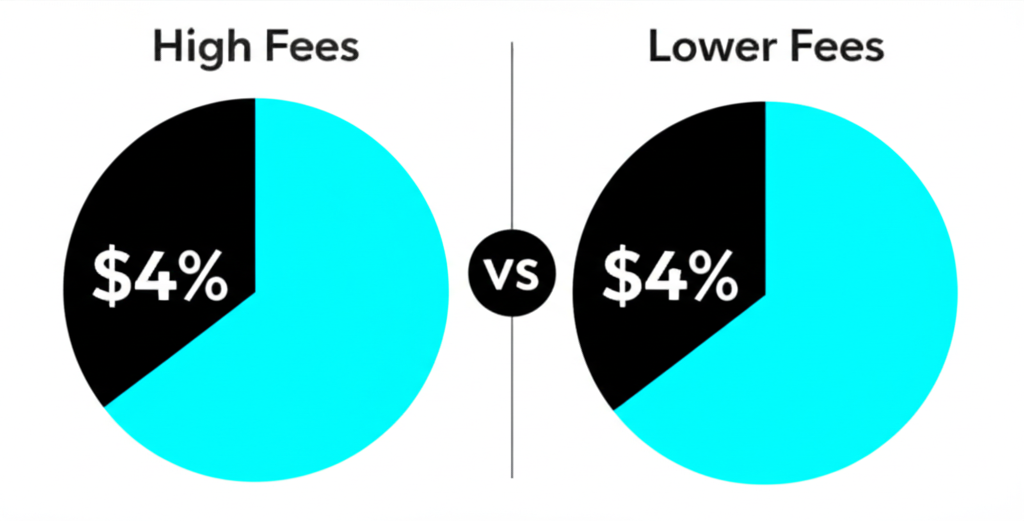
A dedicated US bank account acts as your financial command center. Instead of relying on expensive, one-off wire services, you can link your account to modern transfer platforms or use your bank’s own international transfer system. Consider this: sending $1,000 through a traditional service might cost you $25 in fees plus a poor exchange rate, costing you another $30-$40. By using a service connected to your US bank account, that same transfer could cost as little as $5 with a much more competitive rate. Over a year, that difference could easily add up to an extra month’s support for your family.
Reliability and Peace of Mind
Beyond the cost savings, a US bank account provides unmatched security and consistency. Funds held in an eligible account are protected by the FDIC for up to $250,000, a guarantee that informal methods simply cannot offer. This stability allows you to confidently set up recurring, automated payments. Imagine your family receiving the funds on the same day every month without you having to lift a finger. No more last-minute rushes or worrying if the money arrived safely. It just works.
Clear Financial Tracking
Managing your finances becomes significantly simpler when you use a separate account for family support. It creates a clean, official record of every dollar you send home. This separation is incredibly useful for your personal budgeting, allowing you to see exactly how much you’re contributing over time. Furthermore, having a clear paper trail can be valuable for tax purposes or if you ever need to provide proof of financial support for immigration sponsorship. It transforms your good intentions into a well-managed financial strategy.
Opening a US Bank Account: A Step-by-Step Guide
Trying to open your first US bank account can feel like a frustrating loop. You need an address to get an account, but you need an account to pay for an apartment. You see forms asking for a Social Security Number you don’t have yet, and the whole process feels designed to keep you out. It’s a common headache for anyone new to the country, especially when your goal is simply to manage your money and send support back home to Sri Lanka efficiently.
Here’s what really matters though. The system isn’t as rigid as it first appears. With the right documents and a clear strategy, you can get this done, often in a single afternoon. Let’s break down exactly what you need.
Step 1: Gather Your Documentation
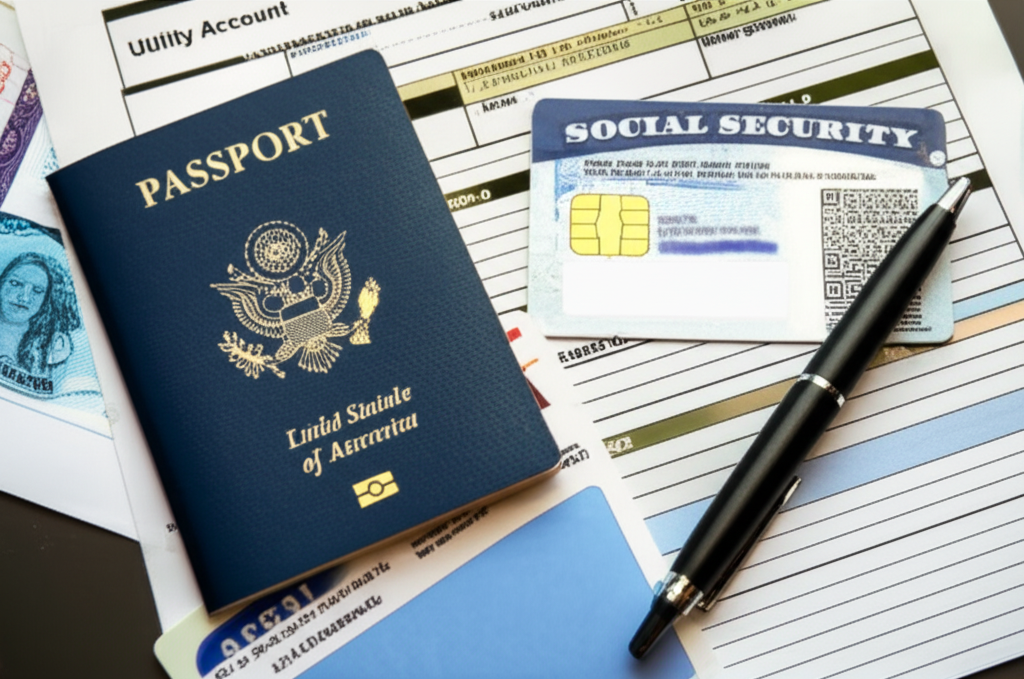
Before you approach any bank, get your papers in order. This preparation makes all the difference. You will almost certainly need:
Passport and US Visa: This is your primary form of identification. Make sure it’s current and not expired.
Proof of US Address: This is often the biggest hurdle. A utility bill (gas, electric), a signed lease agreement, or even a letter from your employer on company letterhead can work. Banks need to confirm where they can mail your debit card and official statements.
A Taxpayer Identification Number: If you have a Social Security Number (SSN), bring it. If not, don’t worry. Many banks can accept an Individual Taxpayer Identification Number (ITIN) instead. An ITIN is a tax processing number issued by the IRS for those who don’t qualify for an SSN. Some financial institutions may even assist with the application.
Step 2: Choose the Right Bank
Not all banks have the same requirements for non-citizens. Major national banks like Bank of America or Chase are excellent choices because they have experience with international clients. However, they almost always require you to visit a branch in person. For example, a student on an F-1 visa could walk into a Bank of America branch near their university with their passport, I-20 form, and a dorm residency letter to open an account. Alternatively, online-focused services mentioned by Wise may allow remote applications but will still require a US mailing address for your debit card.
Step 3: The Application Process
If you go in person, a banker will guide you through the forms, verify your documents, and have your account opened on the spot. For online applications, you’ll upload photos of your documents and may have to complete a digital identity check. Once approved, your funds are protected. Remember, your money in a US bank is insured by the FDIC up to $250,000, offering a level of security that provides significant peace of mind as you build your financial foundation.
Top Methods for Sending Money from Your US Account to Sri Lanka
You’ve done the hard work of setting up your US bank account. Now comes the moment that matters most: sending support back home. That feeling of uncertainty can be stressful. You hit “send” and then you wait, wondering how much will be lost to high fees and poor exchange rates before it reaches your family in Sri Lanka. It feels like a tollbooth on the road to helping your loved ones.
The good news is that your US account gives you powerful and secure options. Your money is protected by FDIC insurance up to $250,000 while it’s in the bank, giving you peace of mind as you choose your transfer method. The best approach depends entirely on how much you’re sending and how often.
Direct Bank Wire Transfers: The Old-School Powerhouse
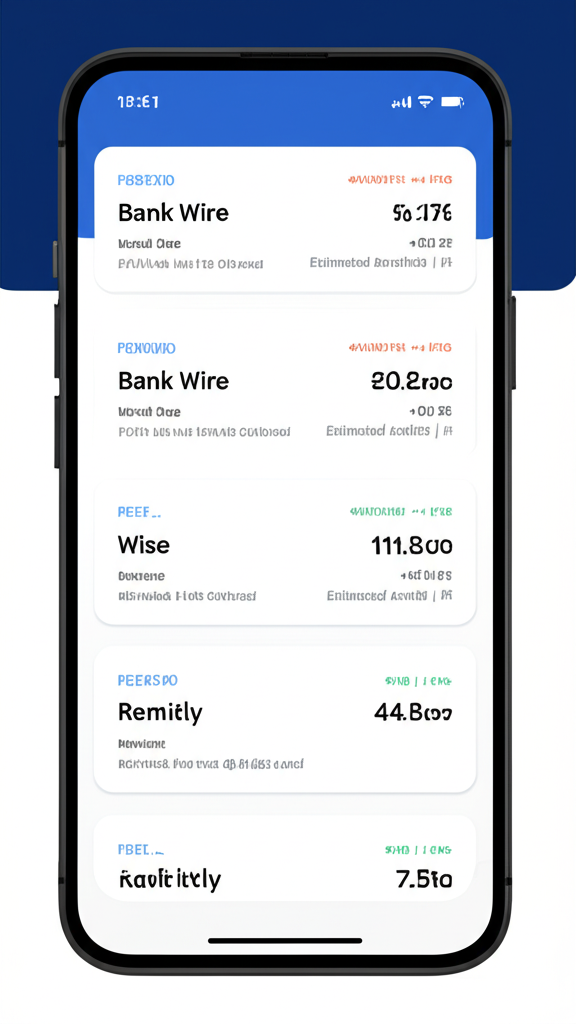
This is the traditional method, handled directly between your US bank and the recipient’s bank in Sri Lanka. You’ll need your family member’s full name, bank name, account number, and their bank’s SWIFT code to initiate the transfer. While reliable, it’s often the most expensive choice. Banks typically charge a flat outgoing international wire fee of $25 to $50, and the transfer can take 3-5 business days to clear. This option makes the most sense for large, infrequent transfers—like for a property down payment or a major family event—where the fixed fee is a tiny fraction of the total amount.
Online Money Transfer Services: Speed and Savings
For regular, monthly support, specialized online services are almost always the smarter choice. They were built specifically for international remittances and compete fiercely on price and speed. Top platforms include:
Wise (formerly TransferWise): Known for transparent fees and using the real mid-market exchange rate.
Remitly: Often offers promotional rates for new users and provides different delivery speeds.
Xoom (a PayPal service): Focuses on very fast transfers, sometimes arriving within minutes.
These services consistently offer lower fees and more competitive exchange rates than banks. For instance, sending $1,000 might cost you under $10 with a service like Wise, compared to a $40 wire fee. That difference, plus a better rate, means significantly more rupees in your family’s hands each month.
Peer-to-Peer (P2P) Services
While services like PayPal are excellent for domestic payments, their international transfers can be a mixed bag. If your family member also has a PayPal account, it can seem convenient. Be sure to check the fine print, as the currency conversion fees and exchange rate markups can be less favorable than those from dedicated remittance companies. They are best used for small, informal amounts where speed and convenience are the top priority.
Maintaining Your Account and Managing Finances Remotely
You’ve done the hard part. You navigated the paperwork, provided your passport and proof of address, and successfully opened a US bank account. For a moment, it feels like a victory. But then a new anxiety creeps in: How do you actually manage this account from thousands of miles away in Sri Lanka, making sure it works for you and not the other way around?
Now, you might be wondering, “How do I manage this account without getting hit with surprise fees or missing a payment to my parents?” The good news is, with a few smart habits, you can run your account smoothly and efficiently right from your phone.
Keep Your Money Yours: Avoiding Monthly Fees
Most US checking accounts come with a monthly maintenance fee, typically between $10 to $15. Wasting that money is pointless. Thankfully, banks almost always offer simple ways to waive this fee. The two most common methods are:
Maintaining a minimum daily balance. This could be $1,500 in a Bank of America Advantage Plus account, for example. As long as your balance doesn’t dip below that threshold, the fee is waived.
Setting up a qualifying direct deposit. If you receive payments from a US-based client or employer, having it deposited directly into your account often eliminates the fee.
Check your bank’s specific requirements, as meeting just one of these is usually enough to keep your account free.
Automate Your Support for Peace of Mind
One of the greatest benefits of a US account is the ability to schedule payments. Instead of manually sending money each month, you can set up a recurring automatic transfer. Decide on a date—say, the 25th of every month—and an amount. Your bank will automatically initiate the wire or transfer to your family’s Sri Lankan account. This “set it and forget it” approach ensures your support is consistent and predictable, removing one more thing from your to-do list.
Manage Everything from Your Phone
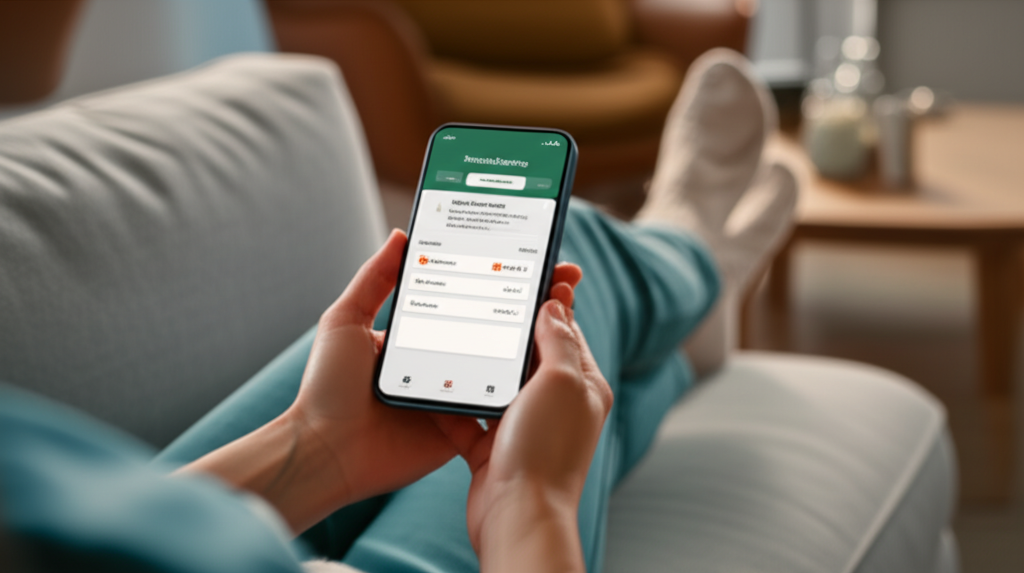
Your bank’s mobile app is your command center. Use it to monitor your balance to stay above the fee threshold, track the status of transfers to your family, and review your statements. Knowing your funds are safe, insured up to $250,000 by the FDIC, provides incredible security. This digital access means you are always in control, no matter the time zone difference.
Watch the Exchange Rate
Timing your transfers can make a significant difference. The USD to LKR exchange rate fluctuates daily. Before sending a large sum, take a moment to check the current rate. For instance, a shift from 300 LKR to 305 LKR per dollar might not seem like much, but on a $1,000 transfer, that’s an extra 5,000 LKR for your family. By monitoring the rate, you can choose to send funds when the dollar is stronger, maximizing the value your loved ones receive.
Navigating Tax Rules and Legal Considerations
You’ve successfully opened the account and sent your first transfer to your family in Sri Lanka. The relief is huge. But then a small, nagging question might creep in: did I just create a tax headache for myself? It’s a common worry, but the rules are often more straightforward than you might fear, designed to accommodate exactly this kind of family support.
The primary concept to understand is the US annual gift tax exclusion. For 2024, you can send up to $18,000 to any single individual without needing to file a gift tax return. This exclusion is per recipient. For example, you could send $18,000 to your mother and a separate $18,000 to your father within the same year, all without triggering a reporting requirement. For most people sending regular support, these amounts fall well within the annual limit.
A separate rule to be aware of is the FBAR, or the Report of Foreign Bank and Financial Accounts. This applies if you have a financial interest in foreign financial accounts—like a personal bank account you still maintain in Sri Lanka—and the combined value of those accounts exceeds $10,000 at any point during the year. This is about reporting your own assets abroad, not the money you are sending to family.
The Simple Habit of Good Record-Keeping
Through all of this, your best friend is a clear, simple record. Keep a log of every transfer you make, noting the date, amount, and recipient. A basic spreadsheet is perfect for this. This practice isn’t just for facing a potential audit; it provides clarity for your own budgeting and gives you complete peace of mind. Should any questions ever arise from a financial institution or government agency, you’ll have the answers ready.
While these guidelines cover the basics, they are not a substitute for professional tax advice. Your situation is unique, so consulting with a tax professional familiar with non-resident or expatriate issues is a sound investment.
Your Path to Smarter Support
The worry over every dollar lost to high transfer fees can be exhausting. You work hard to support your family in Sri Lanka, and seeing that support diminished by slow, expensive systems is deeply frustrating. This process, however, can be brought under your control. The most effective strategy is to pair the right US bank account with the smartest transfer service, a combination that minimizes fees and maximizes the funds reaching your loved ones. You now have the knowledge to build this financial bridge. Take the first step today: research two banks that are friendly to non-residents and compare the latest transfer fees on services like Wise to ensure every dollar counts.
Frequently Asked Questions
Can I open a US bank account without a Social Security Number (SSN)?
Yes, it is possible. Many banks allow you to open an account with an Individual Taxpayer Identification Number (ITIN). Some banks, particularly large institutions with a physical presence, may even open an account for a non-resident with just a passport and proof of address, but policies vary.
What is the cheapest way to send money from the US to Sri Lanka?
Generally, online money transfer services like Wise or Remitly offer the most competitive exchange rates and lowest fees compared to traditional bank wire transfers. It's best to compare the final receivable amount on a few platforms before initiating a transfer.
Do I have to pay US taxes on the money I send to my family in Sri Lanka?
For most people, no. In the US, you can give up to the annual gift tax exclusion amount per person per year without any tax implications or filing requirements. For 2024, this amount is $18,000. Money sent for direct payment of tuition or medical expenses is also typically exempt.
Facebook
X
LinkedIn
WhatsApp
Daily News Digest
Get the top stories delivered to your inbox every morning. No spam, ever.
Many Sri Lankan artisans believe that getting their products onto global platforms like Amazon and eBay is a logistical nightmare reserved only for large exporters. You might have a stunning
The most expensive myth for foreign investors is that buying a property in a famous US city guarantees Airbnb success. This assumption is a fast track to disappointment. The truth
Most import ventures from Sri Lanka fail before their first container even docks. It’s not a lack of US demand for Ceylon cinnamon or fiery Jaffna curry powder; it’s a
Have you ever had a truly amazing Sri Lankan meal, maybe a lamprais fresh out of the banana leaf, and thought, “Wow, more people in America need to experience this”?