Let’s be honest: celebrating Sri Lankan New Year in America often feels more like a performance than a genuine tradition. You see the big community gatherings, the vibrant saris, and the tables of food, but something is often missing. The quiet, spiritual core of the holiday gets lost in the noise of a large-scale production.
The most common mistake is focusing on the party while neglecting the sequence. The true heart of Avurudu lies in observing the Nekath—the specific auspicious times for lighting the hearth, partaking in the first meal, and conducting the first transaction (Ganu Denu). When these rituals are skipped or rushed, the day loses its unique rhythm and meaning. It becomes just another get-together, not a sacred transition.
This article will show you how to reclaim that authenticity. You’ll get practical advice on performing these traditions meaningfully at home, even with a hectic schedule. As an insider tip, we’ll cover how to correctly perform the milk boiling ceremony (Kiri Ithirima) for prosperity, a detail many overseas events get wrong. You’ll learn to find community events that honor the substance, not just the style, of this beautiful celebration.
What is Avurudu? The Heart of the Sri Lankan New Year
Many first-timers mistake the Sri Lankan New Year for a purely religious event. It’s not. At its heart, Aluth Avurudda (in Sinhala) or Puththandu (in Tamil) is a vibrant, ancient festival tied directly to the sun and the harvest. It’s a shared cultural celebration that masterfully unites the island’s Sinhala Buddhists and Tamil Hindus, marking a moment of cosmic and personal renewal. It’s about family, community, and starting fresh, together.
The entire celebration, typically falling on April 13th or 14th, is built upon a single astrological event: the sun completing its circuit and transitioning from the House of Pisces (Meena Rashiya) to the House of Aries (Mesha Rashiya). This celestial shift signals the end of the old harvest season and the dawn of a new agricultural cycle. Everything that follows is dictated by this cosmic clock, grounding the festivities in a rhythm that feels both ancient and deeply connected to nature.
The Sacred Pause: Understanding the ‘Nonagathe’
One of the most profound aspects is the ‘Nonagathe’, or the ‘neutral period.’ This is the specific window of a few hours when the sun is considered to be between zodiac houses. Insider Tip: During this time, all worldly activities—cooking, working, even eating—come to a complete halt. It’s a prescribed pause. Families will put out their fires and spend the time in quiet religious observances, either at home or at the temple. Think of it as a collective deep breath for the entire nation before the New Year officially begins.
Once the Nonagathe ends, a series of rituals unfolds according to precise, astrologically determined times known as ‘Nakatha’. From lighting the family hearth for the first time to preparing and eating the first meal of kiribath (milk rice), every significant act is synchronized. It’s this shared timing that creates a powerful sense of unity. It’s precisely this structure and meaning that Sri Lankan communities in places like Staten Island work so hard to replicate, ensuring the heart of Avurudda beats strong, even thousands of miles from home.
Recreating Core Traditions in Your American Home
While community events are wonderful, this brings us to something often overlooked: the profound, private rituals that form the very heart of Avurudu. These are the practices that ground the celebration in family and tradition, and they can be beautifully adapted to an American lifestyle. It all begins with a deep cleaning of the house. This isn’t just spring cleaning; it’s a symbolic act of sweeping away the old year’s misfortunes to welcome a fresh start. Think of it as resetting your home’s energy for the prosperity to come.
The Hearth and the First Meal
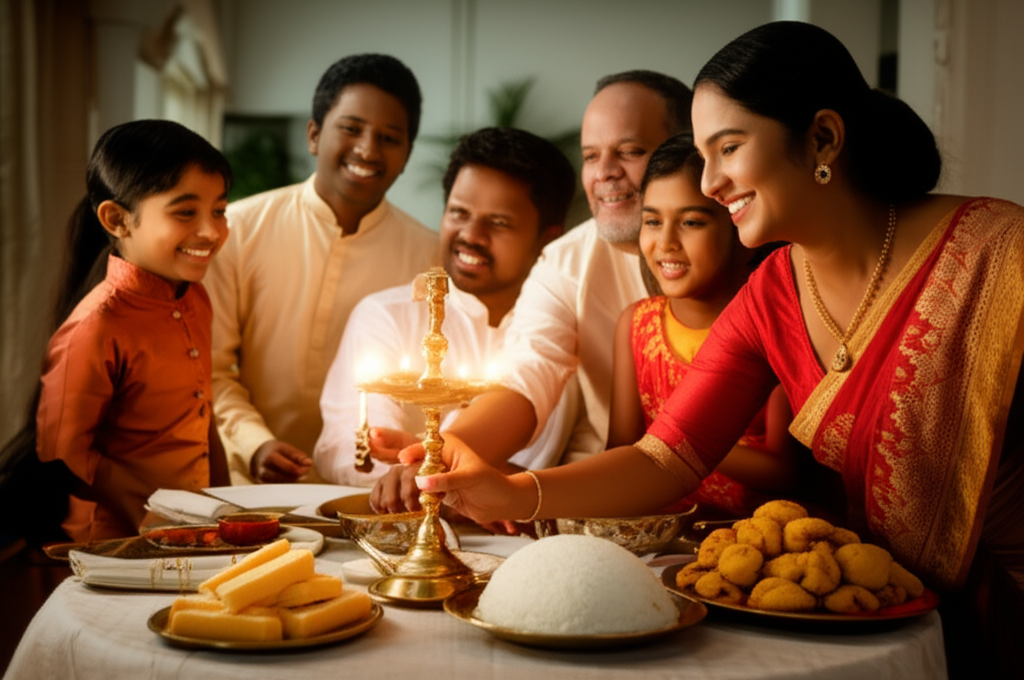
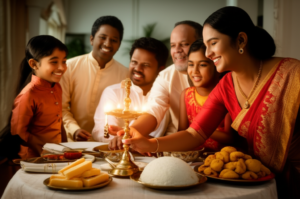
The most significant moments of Avurudu are dictated by auspicious times, or nekath, published annually. At the prescribed moment, the matriarch of the family lights the stove—our modern-day hearth—and prepares the first meal, almost always Kiribath (milk rice). A common mistake is to treat this as just another meal. Instead, gather the family to watch. The act of lighting the flame at a precise time signifies a unified, prosperous beginning for the household. After cooking, the entire family eats together, traditionally facing a specific direction outlined in the astrological almanac. It’s a simple act of unity that reinforces family bonds.
The Art of ‘Ganu Denu’
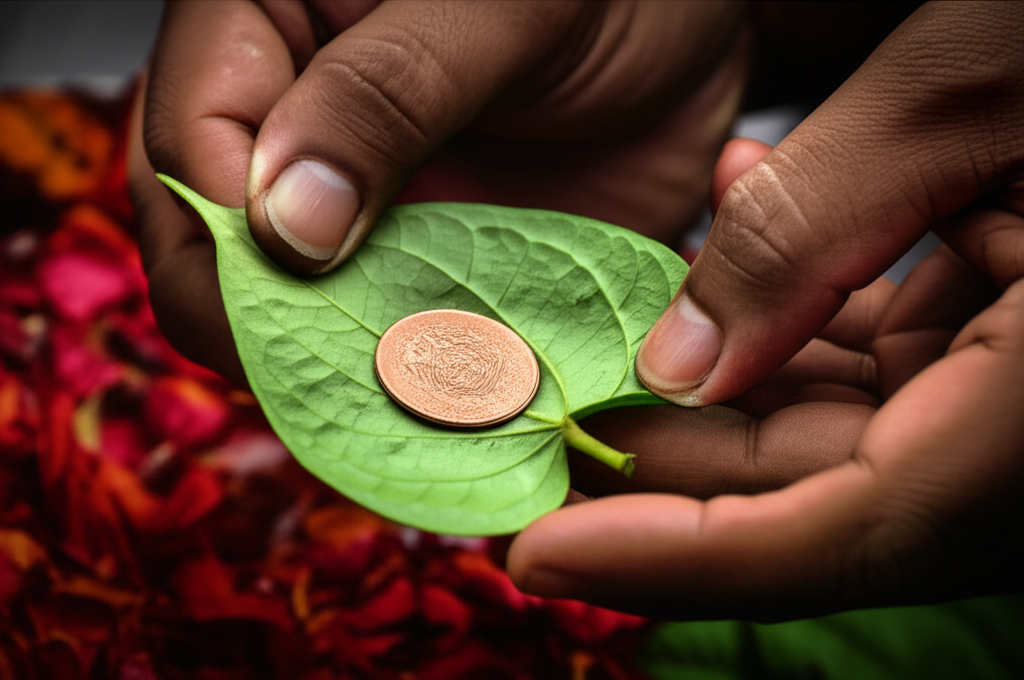
Following the first meal is ‘Ganu Denu’, the year’s first transaction, which symbolizes ongoing prosperity. The classic method involves wrapping a fresh coin in a betel leaf and giving it to the family elder, who gives one back. This exchange honors wisdom and cements familial respect. Another tradition is dropping a coin into the family well. How do you adapt that in a Chicago apartment? Insider Tip: Use a symbolic well. For years, my family has filled a small clay bowl with clean water and placed it in the center of our table. Each person drops their betel-wrapped coin into it. This small adaptation preserves the ritual’s respect for water and resources, connecting us directly to the practices of our ancestors, even thousands of miles away.
The Taste of Avurudu: A Guide to the New Year Food Table
And this is where things get practical. While the rituals of cleaning the house and boiling milk to overflow symbolize a fresh start, the Avurudu food table is where those hopes for prosperity become tangible. This isn’t just a meal; it’s an edible expression of culture, prepared with precision according to auspicious times dictated by the calendar, typically around April 13th or 14th. The entire spread is designed to represent abundance and sweetness for the year to come.
Kiribath: The Centerpiece of Prosperity
The first dish prepared and eaten in the New Year is always kiribath, or milk rice. This is the undisputed heart of the table. Made by cooking rice with rich coconut milk, it’s a simple dish with profound meaning. Once cooked, it’s flattened onto a platter and traditionally cut into diamond shapes, symbolizing wealth. Insider tip: The consistency is everything. It must be firm enough to cut cleanly but still creamy. Many families have a specific heirloom recipe, and the first piece is often offered to the elders as a sign of respect. This tradition is faithfully recreated in diaspora homes, connecting generations across continents.
The Kavili Platter: A Sweet Tradition
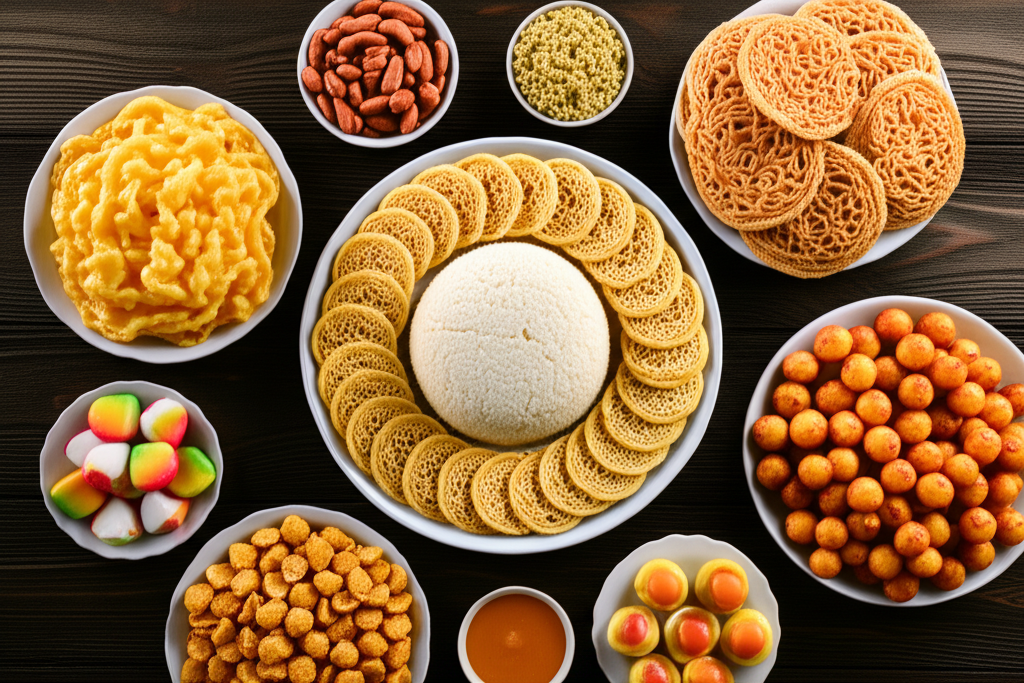
Surrounding the kiribath is the kavili platter, an assortment of traditional sweets that are as much a test of skill as they are a treat. A common mistake for those new to the tradition is underestimating the labor involved. These are not simple cookies. For instance, at community celebrations like those held by Sri Lankans on Staten Island, families often collaborate, each household specializing in one or two sweets to contribute to the communal table. This sharing of labor is a beautiful adaptation of tradition in an American context.
What will you find on this platter?
Kavum: A deep-fried oil cake made from rice flour and treacle. Getting the iconic conical shape on top requires a specific wrist-flicking technique that takes years to master.
Kokis: A crispy, savory-sweet snack made from a rice flour and coconut milk batter, deep-fried using a special decorative mold. It’s the crunchy counterpoint to the softer sweets.
Mung Kavum: Diamond-shaped sweets made with green gram flour, offering a dense, nutty flavor.
Aluwa: A softer, diamond-shaped sweet, often made with toasted rice flour and treacle, sometimes spiced with cardamom.
Each sweet represents the sweetness of life and the fruits of a successful harvest, a sentiment that resonates deeply whether you’re in Colombo or Connecticut.
Finding Community: Avurudu Celebrations Across the USA
Recreating the precise rituals of Aluth Avurudda in an American home is one thing. But here’s what really matters though: finding that shared sense of joy and belonging that defines the season. Fortunately, you don’t have to look far. The Sri Lankan diaspora has established vibrant cultural hubs, particularly in metropolitan areas like New York (especially Staten Island), Los Angeles, and the Washington D.C. region, where New Year celebrations are a major event.
Where to Start Your Search
Your search for an Avurudu Uthsawaya (New Year festival) should begin with three key institutions:
Sri Lankan Buddhist Temples: These are the cultural anchors. Events here are often more traditional, focusing on religious observances, community blessings, and family-friendly activities.
Cultural Associations: Secular organizations often host the largest-scale events with a broader focus on entertainment, food, and networking.
University Student Groups: These celebrations, like those seen in student societies, are energetic and a fantastic way for younger generations to connect. Expect a lively party atmosphere mixed with cultural pride.
Insider Tip: Master Social Media
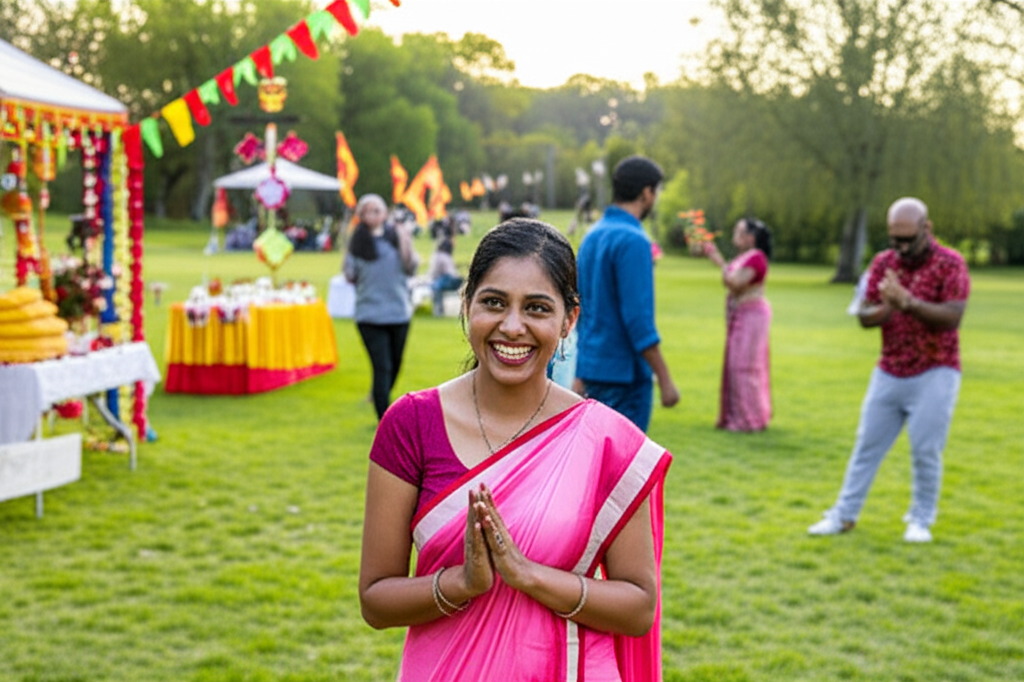
Forget generic web searches. The heart of community organizing for diaspora events is on Facebook. Join groups like “Sri Lankans in [Your City Name]” and search for “Avurudu” or “Sinhala and Tamil New Year.” You’ll find event pages with all the details. One common mistake is looking for events only on April 13th or 14th. Most communities hold their large public celebrations on the nearest weekend to maximize attendance. Expect to see traditional games (Avurudu Kreeda) like tug-of-war, live music, and food stalls selling everything from kiribath to spicy kottu. For example, the annual festival in Staten Island draws thousands, transforming a local park into a miniature Sri Lanka for a day—a perfect testament to keeping traditions alive far from home.
Avurudu Games: Bringing Fun and Tradition to the Festivities
Once the solemn rituals of boiling milk and sharing kiribath are complete, the true community spirit of Avurudu bursts into the open. The afternoon is for play. Far from being just for children, these traditional games are a cornerstone of the celebration, designed to bring laughter and friendly competition to everyone, regardless of age. In Sri Lanka, the entire village green comes alive, and we can recreate that same energy in American backyards and parks.
Adapting the Classics for American Backyards
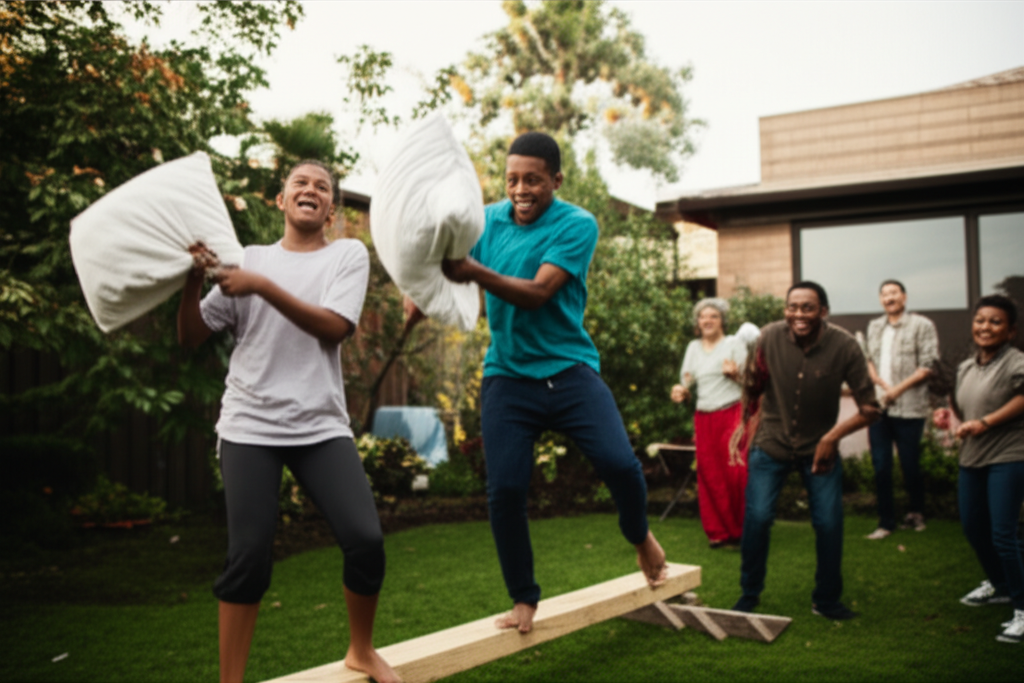
The most iconic outdoor games are surprisingly easy to set up. For ‘Kotta Pora’ (pillow fighting on a log), forget trying to find a perfectly round log. Insider Tip: A sturdy, low-lying landscaping timber from a home improvement store works perfectly and is much safer. Lay it on a soft lawn, give each contestant a pillowcase stuffed with soft cloth, and you have an instant classic. Another favorite is ‘Kana Mutti Bindeema’ (breaking a pot blindfolded). You can find small terracotta pots at any garden center. Hang one from a tree branch, spin the participant around, and let them try to break it with a stick. A common mistake is leaving the pot empty; fill it with water or colorful powder for a much more satisfying splash!
These activities are more than just fun. They are a physical link to heritage. I’ve watched Sri Lankan-American parents in communities from Staten Island to Los Angeles teach their kids how to balance for Kotta Pora or listen for the crowd’s directions during Kana Mutti Bindeema. Even the simple act of decorating a park swing for ‘Onchili Padeema’ (swinging) connects a new generation to the sights and sounds of a New Year back home. Through these shared moments of play, traditions are not just told; they are felt, experienced, and passed on with a smile.
Your Seat at the New Year Table
A common mistake is treating Avurudu as a performance to watch from the sidelines. The insider’s approach is to understand that the true spirit lies in participation. Don’t just attend an event; offer to help with the kavum or join a team for the kana mutti game. The core of celebrating in America isn’t about perfectly replicating every detail, but about actively forging community connections through these shared moments. The most meaningful festivities begin with a single step: showing up. Ready to celebrate? Start by planning your New Year meal or look up a local Sri Lankan community event to join the festivities. Share your Avurudu celebrations with us in the comments below!
Frequently Asked Questions
When is Sri Lankan New Year celebrated?
The Sri Lankan New Year, or Avurudu, is typically celebrated on April 13th or 14th each year. The exact dates and auspicious times are determined by astrological calculations based on the sun's movement from Pisces to Aries.
Is Sri Lankan New Year a religious holiday?
While it incorporates some religious customs, Avurudu is primarily a cultural and national festival. It is celebrated by both Sinhala Buddhists and Tamil Hindus in Sri Lanka and across the diaspora, marking a time of renewal, harvest, and family unity.
What is the most important food for Sri Lankan New Year?
The most important dish is Kiribath, or milk rice. It is the first meal prepared and eaten in the New Year, symbolizing prosperity and a fresh start. It is often served with a spicy onion relish called 'lunu miris' or a sweet 'jaggery' syrup.
Facebook
X
LinkedIn
WhatsApp
Daily News Digest
Get the top stories delivered to your inbox every morning. No spam, ever.
Many Sri Lankan artisans believe that getting their products onto global platforms like Amazon and eBay is a logistical nightmare reserved only for large exporters. You might have a stunning
The most expensive myth for foreign investors is that buying a property in a famous US city guarantees Airbnb success. This assumption is a fast track to disappointment. The truth
Most import ventures from Sri Lanka fail before their first container even docks. It’s not a lack of US demand for Ceylon cinnamon or fiery Jaffna curry powder; it’s a
Have you ever had a truly amazing Sri Lankan meal, maybe a lamprais fresh out of the banana leaf, and thought, “Wow, more people in America need to experience this”?