In Sri Lanka, “outdoor activity” usually means cricket on the beach, a trip to Nuwara Eliya, or a dip in the ocean. When you move to Canada, you might look out the window in February, see three feet of snow, and assume your only option is to stay inside with a heater and Netflix.
But here is the truth about Canadians: we don’t hibernate. We have simply invented a dozen different ways to slide, glide, and walk on frozen water. Embracing winter sports is the single best way to cure the “winter blues.” If you can learn to associate snow with fun rather than just a treacherous commute, your entire experience of the country changes.
You don’t need to be an Olympic athlete to get started. From the zero-skill thrill of tobogganing to the grace of ice skating, here is how a tropical migrant can learn to love the great outdoors, even when it’s freezing.
Level 1: Tobogganing (The Gateway Drug)
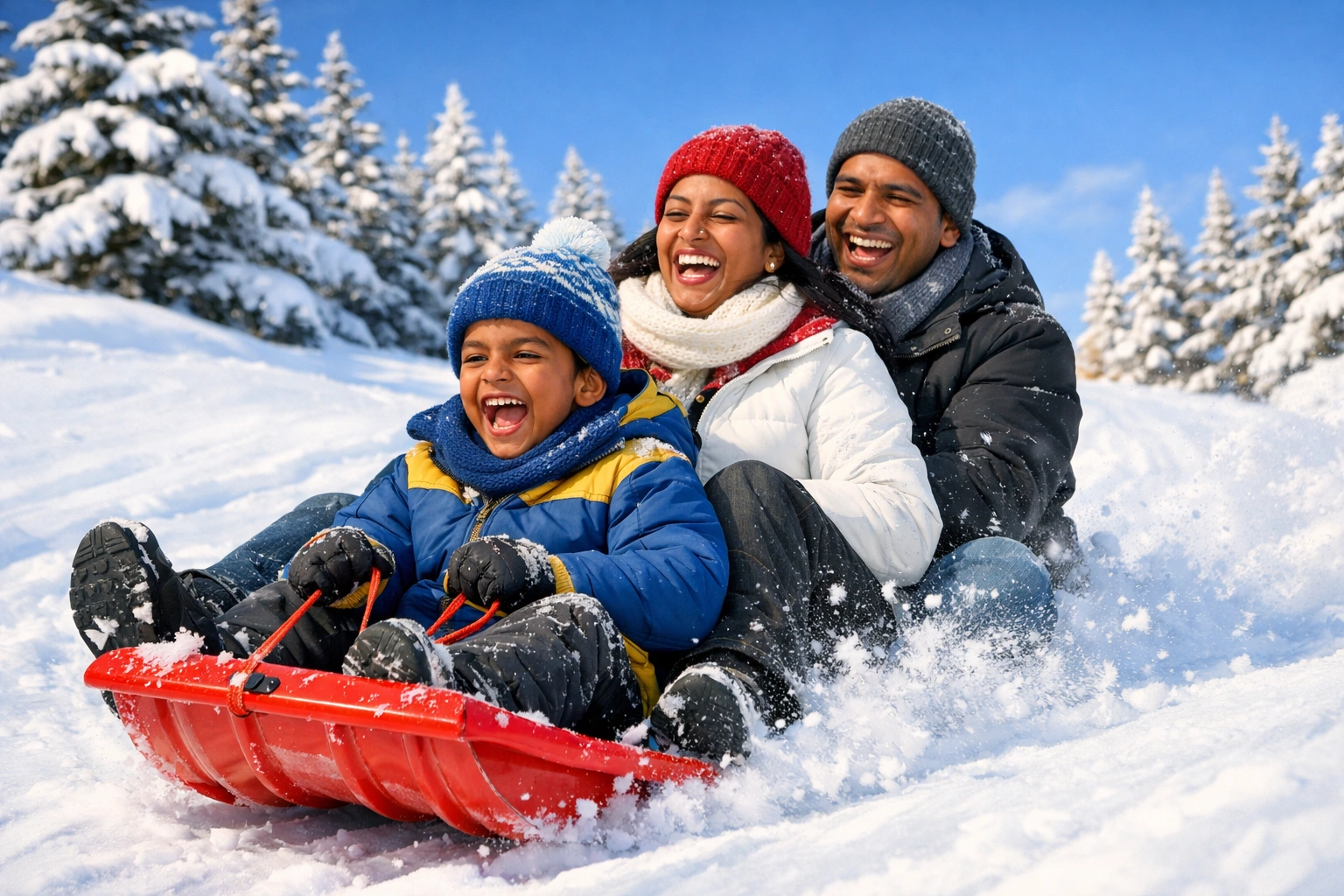
If you have never played in snow, start here. Tobogganing involves sitting on a piece of plastic and letting gravity throw you down a hill. It requires zero skill, costs almost nothing, and is exhilarating.
How to do it:
Go to a Canadian Tire or Walmart and buy a basic sled (the “GT Snow Racer” is the Cadillac of sleds, but a simple “Magic Carpet” sheet works too). Find a local park with a hill. Walk up. Slide down. Scream.
Safety Tip: It looks harmless, but check the bottom of the hill. If there are trees, fences, or a road, find a different hill. A plastic sled has no brakes.
Level 2: Snowshoeing (Hiking 2.0)
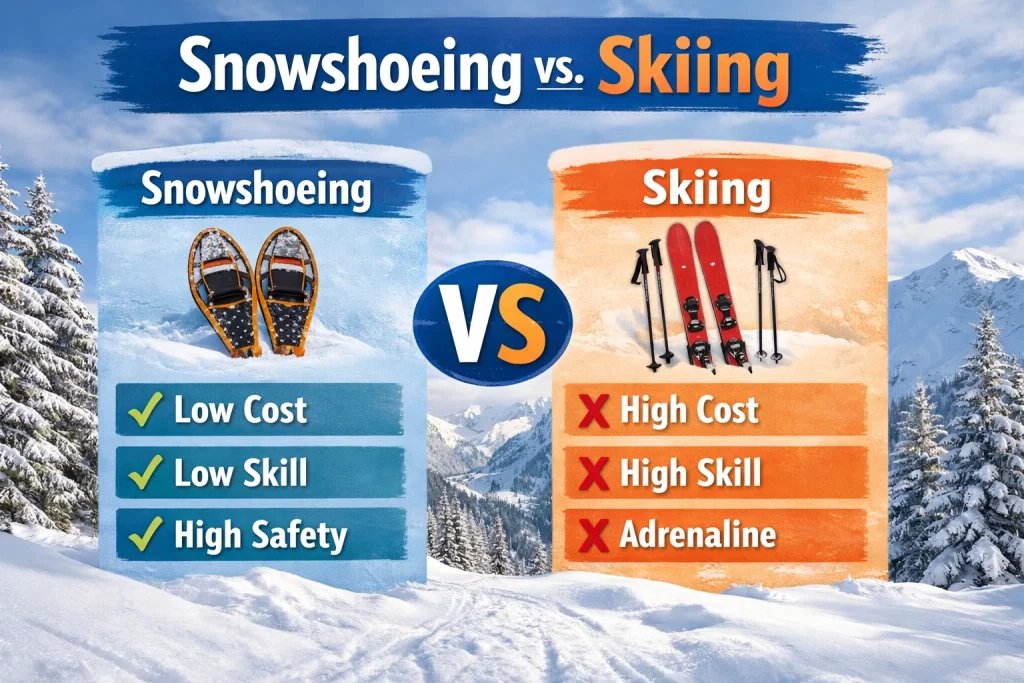
If you enjoy walking around Kandy Lake or hiking up Sigiriya, snowshoeing is your natural transition. It is essentially hiking, but with tennis-racket-shaped gear strapped to your boots to keep you from sinking into deep powder.
Why it’s great for beginners:
The learning curve is about five minutes. If you can walk, you can snowshoe. It is peaceful, great cardio, and lets you explore forests that look like Narnia in the winter.
Where to go: Most provincial parks (like Algonquin in Ontario or Gatineau Park near Ottawa) rent snowshoes for a small fee.
Level 3: Ice Skating (The National Obsession)
You cannot understand Canadian culture until you understand skating. In cities like Toronto and Ottawa, public rinks are everywhere, and using them is often free.
The Reality Check:
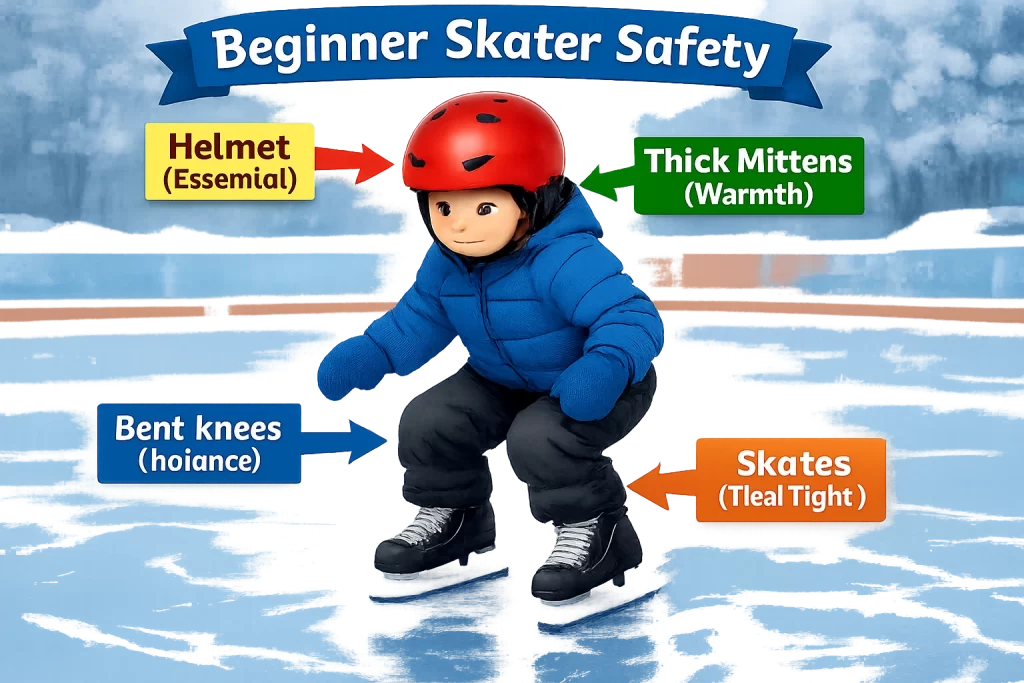
Skating is harder than it looks. As an adult learner, your center of gravity works against you. You will fall.
The Strategy:
1. Rent first: Don’t buy skates until you know you like it.
2. Wear a helmet: Ice is as hard as concrete. A slip can result in a concussion. No one will judge you for wearing a hockey helmet; it’s smart.
3. Use a “skating aid”: Many rinks have plastic frames you can hold onto for balance. Swallow your pride and use one for the first hour.
Level 4: Skiing and Snowboarding (The Investment)
This is the big leagues. Skiing is an adrenaline rush, but it comes with a high barrier to entry: cost.
The Cost Breakdown:
Between lift tickets ($80-$150/day), equipment rental ($50), and gas to get to the mountain (like Blue Mountain or Whistler), a day of skiing can easily cost $200+.
How to start cheap:
Look for “Discover Packages.” Most ski hills offer a beginner deal that includes a lesson, rentals, and a lift ticket for the “bunny hill” (the beginner slope) at a discounted rate. Do not try to teach yourself. You will hurt yourself or someone else. Take the lesson.
Summer Outdoors: Camping and Canoeing
When the snow melts, Canada transforms into a camper’s paradise. But Canadian camping is different from a trip to Yala.
The “Frontcountry” vs. “Backcountry”:
• Frontcountry (Car Camping): You drive your car to the campsite. There are showers and toilets nearby. You sleep in a tent but have a cooler full of food. This is the best way to start.
• Backcountry: You put everything in a canoe or backpack and travel into the wilderness. No toilets, no cell service. This requires serious preparation and map-reading skills.
The Bear Aware Rule: Unlike Sri Lanka where you worry about mosquitoes or elephants, here you worry about black bears (and grizzlies in the West). You must keep a “clean campsite.” Never leave food or garbage inside your tent. Bears have incredible noses and will investigate.
Conclusion
It is easy to view the Canadian landscape as hostile, especially when the wind chill hits -20°C. But the first time you glide across a frozen canal on skates, or drink hot chocolate on top of a snowy hill you just climbed, the cold stops bothering you.
You realize that winter isn’t a time to wait out; it’s a time to engage. So buy the thermal socks, rent the snowshoes, and get out there. The couch will still be there when you get back.