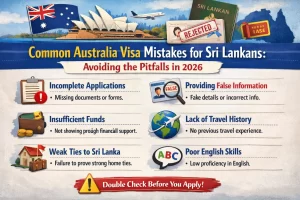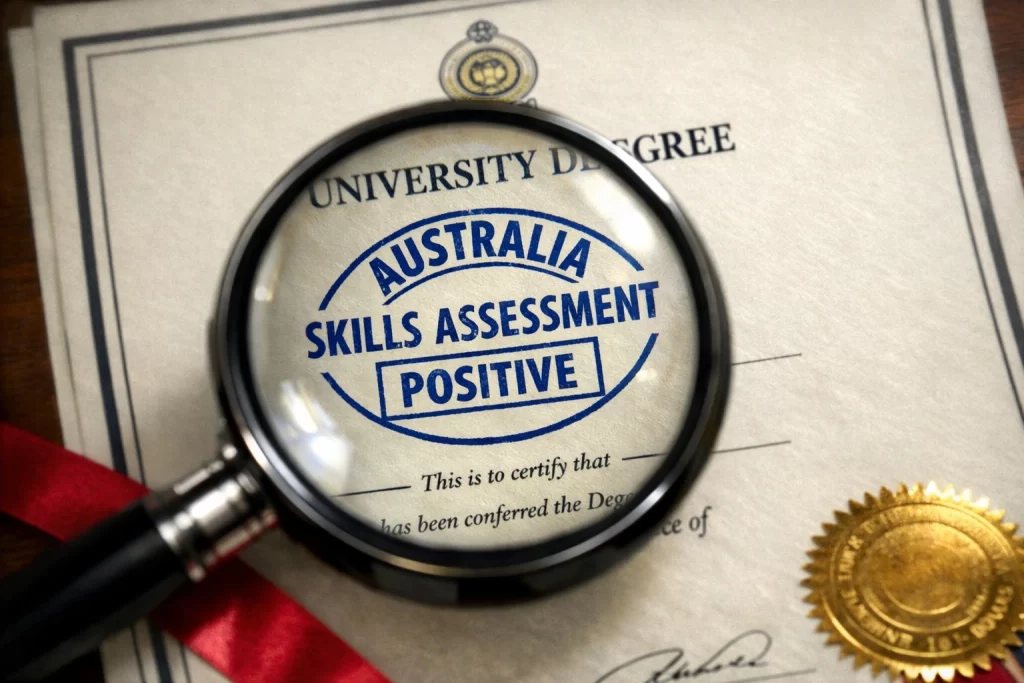
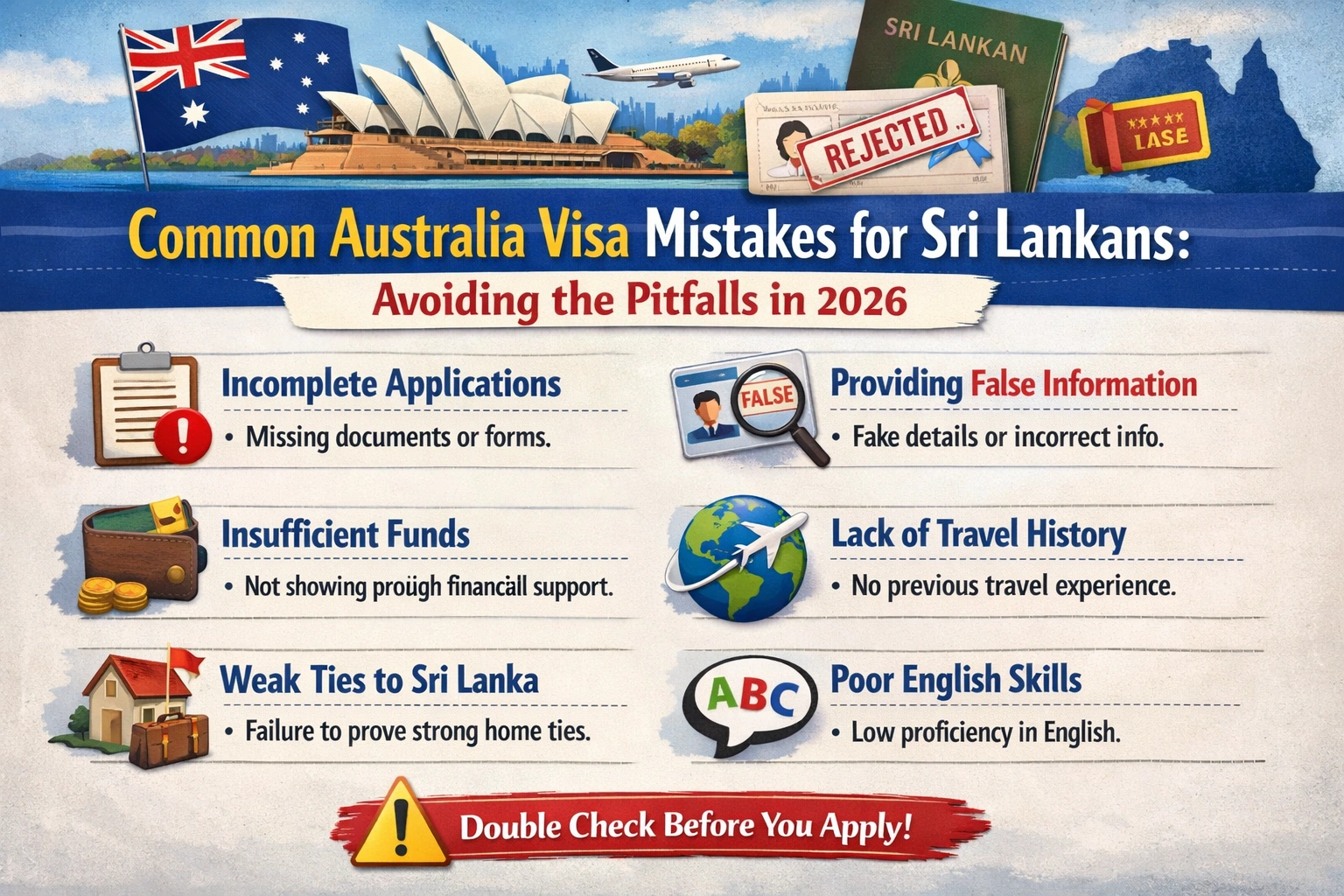
The journey from Sri Lanka to Australia is paved with good intentions but often derailed by small, avoidable errors. In 2026, the Australian Department of Home Affairs (DoHA) has moved toward a “zero-tolerance” digital verification system. A single inconsistency in your employment dates or a “parked” deposit in your bank account is no longer just a request for more information—it is often an immediate grounds for refusal.
For many Sri Lankan applicants, the pressure to secure a visa leads to a reliance on “agent talk” or outdated strategies from friends who migrated years ago. However, 2026 immigration law is a different beast. With the strict implementation of Public Interest Criterion (PIC) 4020, the consequences of a mistake are no longer just a lost application fee; they can result in a 3-year or even a 10-year ban from entering Australia.
This 1,500-word guide highlights the most common pitfalls specifically faced by Sri Lankan professionals and students, the “digital traps” of the 2026 system, and how to ensure your application tells a consistent, truthful story.
1. The “Points Inflation” Trap in SkillSelect
In the race for a Subclass 189 or 190 invitation, many Sri Lankans “over-claim” points in their Expression of Interest (EOI). In 2026, the system is designed to catch this at the visa stage.
- The Mistake: Claiming 10 years of work experience when your Skills Assessment only validated 8 years.
- The Reality: If you are invited at 90 points but can only prove 85 points during the visa application, your visa will be refused. There is no “mercy” for mathematical errors.
- The Fix: Always claim points conservatively. Only claim what is written on your Skills Assessment “Skill Level Requirement Met” date, not your actual start date at the company.
2. Financial “Funds Parking” and the 2026 Threshold
As of 2026, the financial requirement for students has risen to AUD 29,710 plus tuition. Many Sri Lankan families struggle to show this and resort to “funds parking”—suddenly depositing a large sum of money into a bank account just before applying.
- The Red Flag: Case officers now look for a 3-to-6-month history of funds. A sudden 5-million LKR deposit without a clear, documented source (like a land sale or a matured FD) is viewed as “borrowed money” for the visa.
- Section 4020 Risk: If the department suspects the money is not genuinely available to you, they may refuse the visa under PIC 4020 for “misleading information.”
3. Inconsistent Employment Records
Sri Lanka’s informal economy can be a nightmare for Australian immigration. Many professionals have worked for small companies where “Job Titles” on visiting cards don’t match the “Job Titles” on EPF/ETF records.
- The Conflict: Your CV says “Senior Software Engineer,” but your tax records or EPF say “Associate.” Or worse, your LinkedIn profile contradicts the dates on your reference letters.
- The Digital Watchdog: In 2026, AI-driven tools cross-check your digital footprint (LinkedIn, Facebook, previous visa applications) against your current claims. If the dates don’t align, it triggers a “Character” investigation.
4. Section 4020: The “Bogus Document” Nightmare
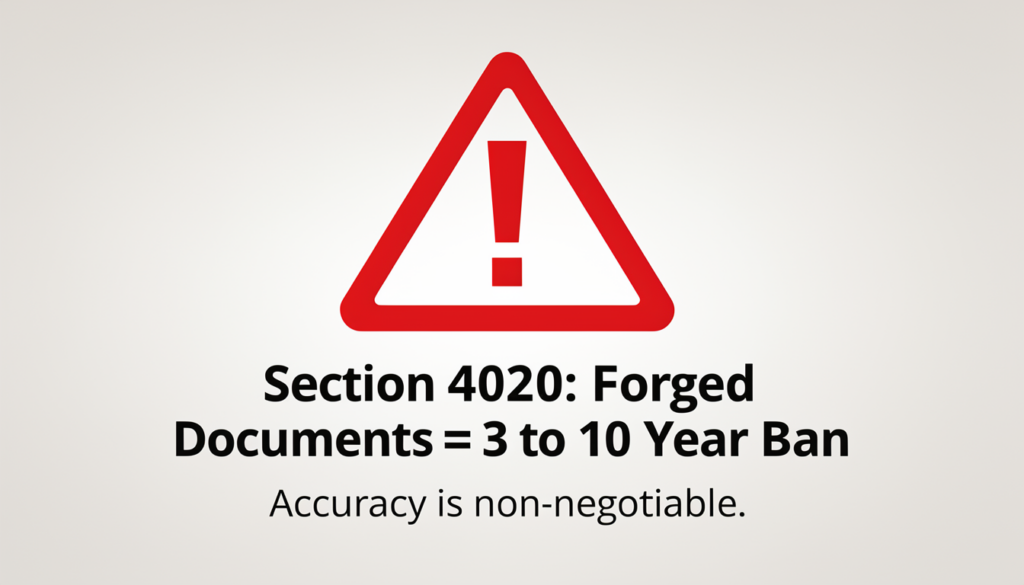
Public Interest Criterion 4020 is the most feared rule in Australian immigration. It applies if you provide a “bogus document” or “false and misleading information.”
| Offense | Consequence |
|---|---|
| False information (Unintentional) | Visa Refusal |
| Bogus Documents (Forged payslips, etc.) | 3-Year Ban |
| Identity Fraud (Fake passport/NIC details) | 10-Year Ban |
Expert Warning: Even if a “dodgy agent” in Colombo created the document without your knowledge, you are responsible. “I didn’t know” is not a valid legal defense in the eyes of the Australian government.
5. The “Course Hopping” and GTE/GS Failures
With the 2026 Genuine Student (GS) requirement, the department is hyper-focused on your “academic logic.” The Mistake: A Sri Lankan with a Master’s in Engineering from Moratuwa applying for a Diploma in Cookery in Hobart. The Result: Refusal. The department will conclude you are using the student visa as a back-door for work, not for genuine study. Your choice of course must show a logical progression from your previous studies or work history.
6. Ignoring Dependent Requirements
Many applicants assume that if the primary applicant is strong, the family is safe. However, in 2026, “One fails, all fail.” If your spouse has an undisclosed medical condition or your child (over 18) cannot prove they are “fully dependent” on you, the entire family’s PR application can be rejected.
7. Outdated Skills and Expiring Documents
Australian policy changes overnight. Many Sri Lankans rely on the “2024 list” only to find that in 2026, their occupation has been moved to the Regional-only list. Document Expiry: English tests (IELTS/PTE) are generally valid for 3 years for migration, but some skills assessments expire in 2 years. If your document expires while you are in the “pool” waiting for an invite, your EOI becomes invalid.
Conclusion: The “Decision-Ready” Gold Standard
The secret to a successful Australian visa in 2026 is being Decision-Ready. This means that from the moment you hit “Submit,” the case officer has everything they need to say “Yes.” If they have to ask for a missing document, you have already lost. For Sri Lankans, this means meticulously checking every date, every LKR in your bank statement, and every word in your reference letters.
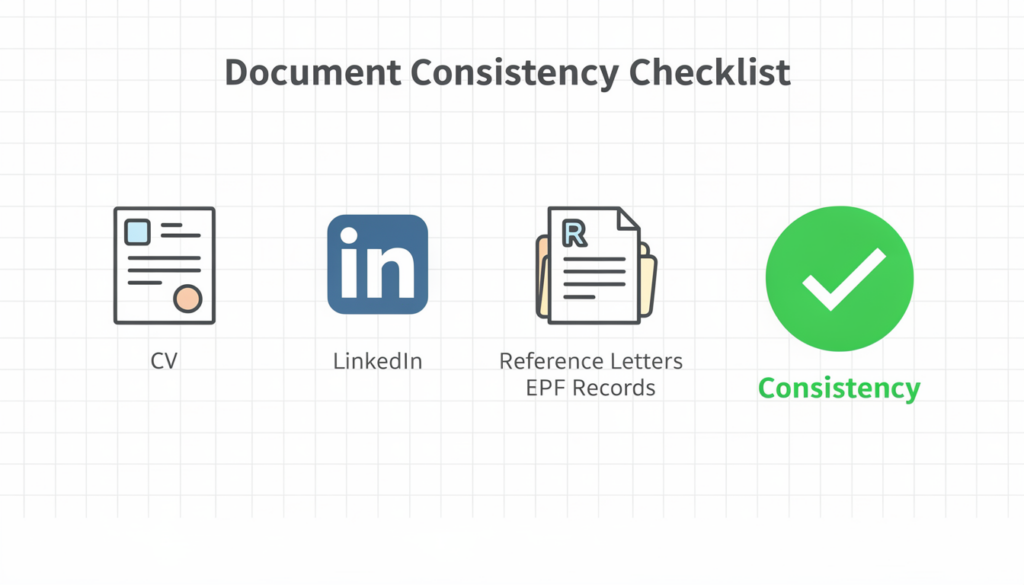
Next Step: Conduct a “Self-Audit.” Compare your LinkedIn profile, your EPF records, and your CV side-by-side. If the dates or titles don’t match 100%, fix them before you lodge your Skills Assessment or EOI.
References
- Australian Government. (2026). Public Interest Criterion 4020: Providing Accurate Information.
- Agape Henry Crux. (2026). Common Visa Mistakes and PIC 4020 Issues.
- LankaWebsites. (2026). Avoid These 5 Migration Mistakes: Sri Lankan Visa Refusals.
- Australian High Commission, Colombo. (2026). Caution: Fraud and Visa Scams in Sri Lanka.