Are you tired of trying fad diets and quick fixes that promise the world but deliver little to no results? You’re not alone. Millions of people struggle with weight loss every year, and it’s easy to get caught up in the latest trends and gimmicks. But the truth is, losing weight naturally is a journey that requires patience, dedication, and a willingness to make sustainable lifestyle changes. If you’re ready to ditch the quick fixes and focus on achieving lasting results, you’re in the right place. In this article, you’ll learn how to lose weight naturally and keep it off for good.
By the end of this article, you’ll have a clear understanding of the importance of a healthy diet and regular exercise, as well as practical tips and strategies for creating a weight loss plan that works for you. You’ll learn how to create a healthy diet plan, the role of exercise in weight loss, and how to stay motivated and accountable throughout your journey. So, let’s get started and take the first step towards a healthier, happier you.
Introduction to Natural Weight Loss
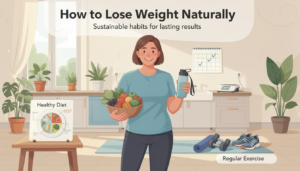
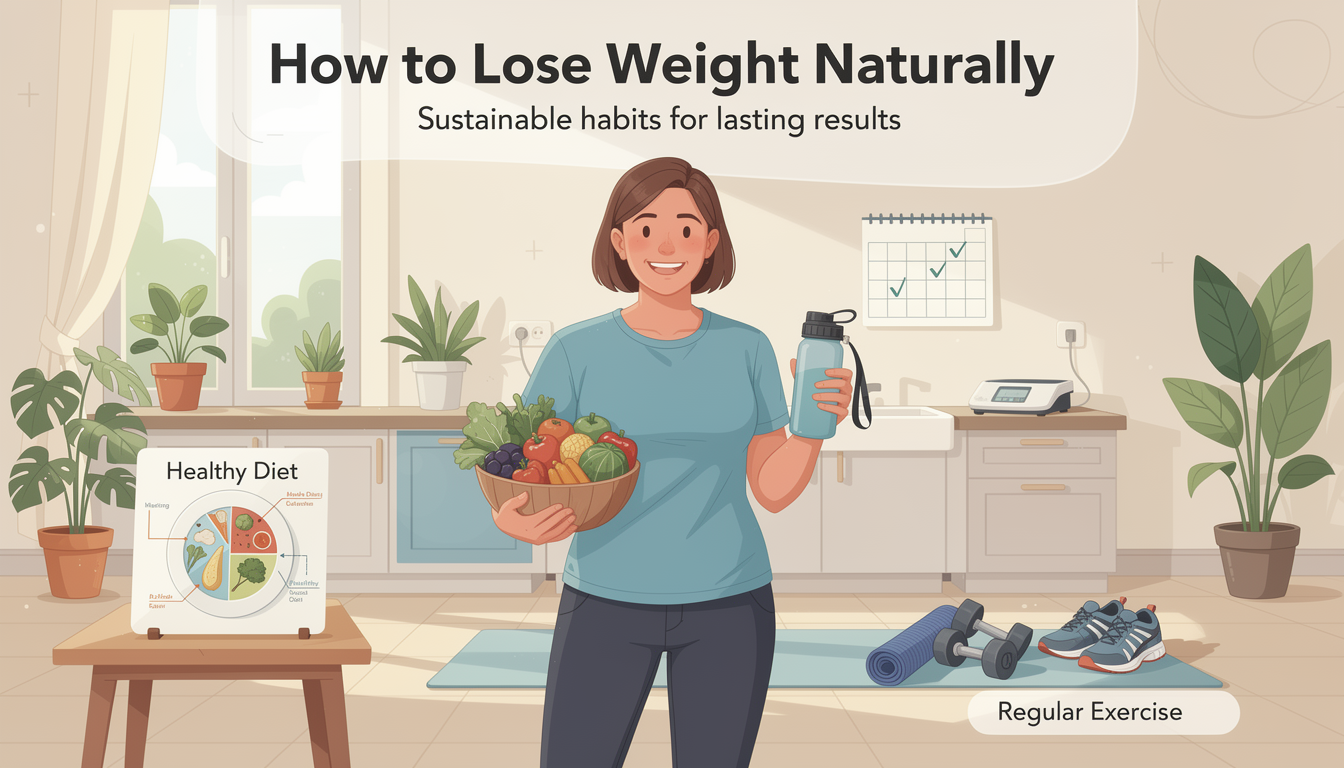
Natural weight loss is about making sustainable lifestyle changes that promote overall health and wellbeing, rather than trying to follow a restrictive diet or exercise plan. A healthy diet is the foundation of any successful weight loss plan, and it’s essential to focus on whole, unprocessed foods like fruits, vegetables, whole grains, lean proteins, and healthy fats. These foods provide the nutrients your body needs to function properly, and they’re also more filling and satisfying, making it easier to stick to your diet plan.
Exercise also plays a critical role in weight loss, and it’s essential to find activities that you enjoy and can stick to in the long term. Whether it’s walking, running, swimming, or cycling, regular exercise can help you burn calories, build muscle, and boost your metabolism. For example, a study published in the Journal of the American Medical Association found that women who exercised regularly were more likely to maintain weight loss over a two-year period than those who didn’t exercise. By combining a healthy diet with regular exercise, you can create a weight loss plan that’s tailored to your needs and goals.
It’s also important to remember that natural weight loss is not a one-size-fits-all approach. What works for someone else may not work for you, and it’s essential to be patient and flexible as you work towards your goals. With the right mindset and support, you can achieve lasting results and enjoy the many benefits of a healthy, active lifestyle. For instance, a study by the National Weight Control Registry found that people who maintained a weight loss of 30 pounds or more for at least a year shared common habits, such as eating breakfast every day, weighing themselves weekly, and exercising for at least 60 minutes daily.
Creating a Healthy Diet Plan
Creating a healthy diet plan is all about making sustainable lifestyle changes that promote overall health and wellbeing. One of the most important things you can do is focus on portion control, which means eating until you’re satisfied but not stuffed. This can be tricky, especially if you’re used to eating large portions or relying on processed foods that are high in calories and low in nutrients. However, by eating more mindfully and paying attention to your hunger and fullness cues, you can develop a healthier relationship with food and reduce your risk of overeating.
Meal planning is also essential for creating a healthy diet plan. By planning your meals in advance, you can ensure that you’re getting the nutrients you need and avoiding unhealthy foods that can derail your weight loss efforts. For example, you might start by planning your breakfast, lunch, and dinner for the next day, and then make a grocery list based on the ingredients you need. You can also find healthy recipes online or in cookbooks, and experiment with new ingredients and cooking techniques to keep your diet interesting and varied.
Some examples of healthy meal ideas include grilled chicken or fish with roasted vegetables, whole grain pasta with marinara sauce and sautéed spinach, and lentil soup with whole grain bread. You can also snack on fruits, nuts, and carrot sticks with hummus to keep your energy levels up throughout the day. By focusing on whole, unprocessed foods and planning your meals in advance, you can create a healthy diet plan that’s tailored to your needs and goals.
The Role of Exercise in Weight Loss
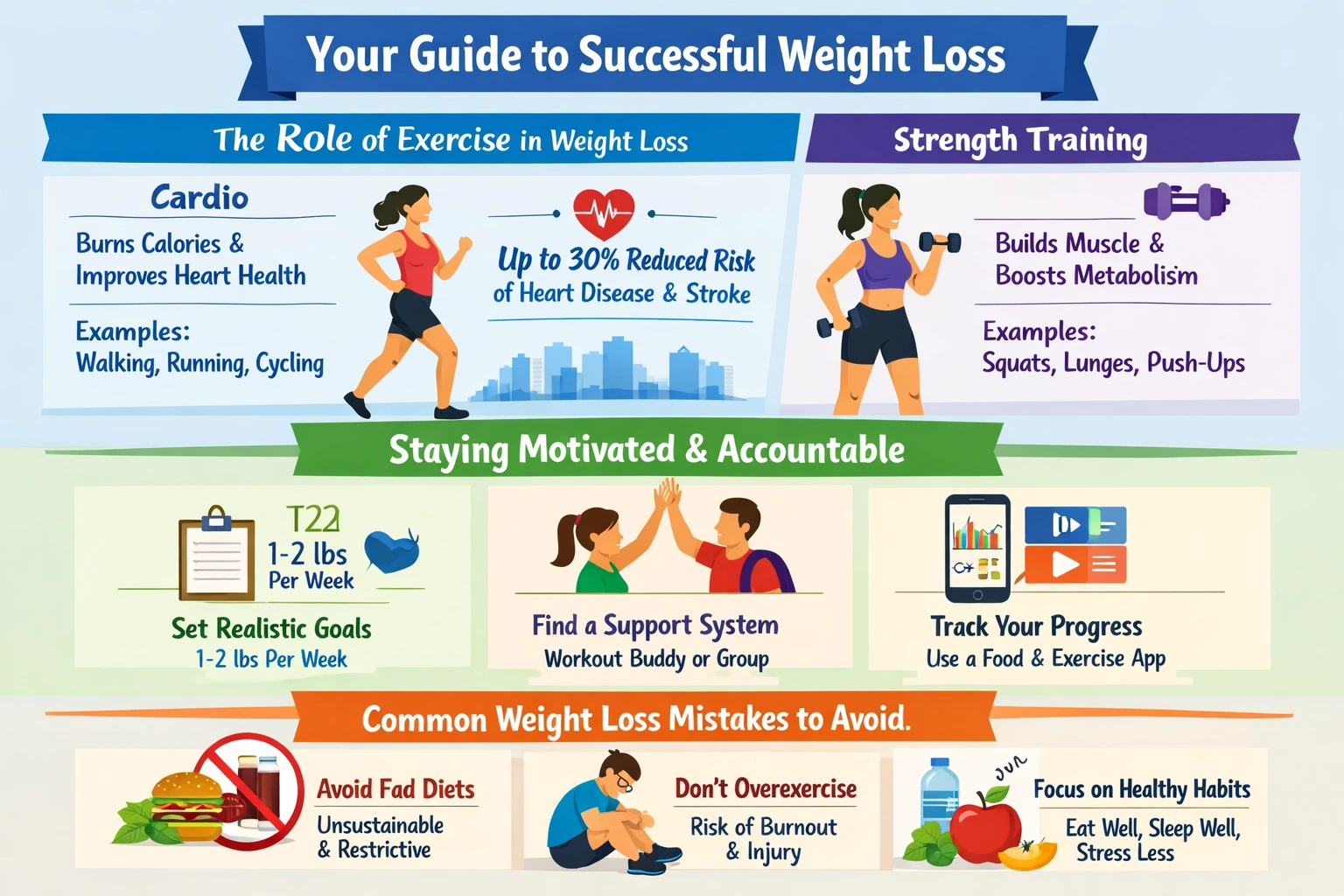
Exercise plays a critical role in weight loss, and it’s essential to find activities that you enjoy and can stick to in the long term. Cardio exercise, such as walking, running, or cycling, is great for burning calories and improving cardiovascular health. For example, a study published in the Journal of the American College of Cardiology found that regular cardio exercise can reduce the risk of heart disease and stroke by up to 30%. You can start by incorporating short bursts of cardio into your daily routine, such as taking the stairs instead of the elevator or going for a short walk during your lunch break.
Strength training is also essential for weight loss, as it helps to build muscle and boost your metabolism. When you have more muscle mass, you burn more calories at rest, which can help you lose weight and maintain weight loss over time. For example, a study published in the Journal of Strength and Conditioning Research found that women who did strength training exercises three times a week for 12 weeks lost more body fat and gained more muscle mass than those who didn’t do strength training. You can start by incorporating strength training exercises into your routine, such as squats, lunges, and push-ups, and gradually increase the intensity and duration as you get stronger.
It’s also important to remember that exercise is not a one-size-fits-all approach. What works for someone else may not work for you, and it’s essential to be patient and flexible as you work towards your goals. For instance, you might start with short walks and gradually increase the distance and intensity over time, or you might try different types of exercise, such as yoga or swimming, to find what works best for you. By finding activities that you enjoy and can stick to in the long term, you can create an exercise plan that’s tailored to your needs and goals.
Staying Motivated and Accountable
Staying motivated and accountable is essential for achieving lasting weight loss results. One of the most important things you can do is set realistic goals, which means aiming to lose 1-2 pounds per week rather than trying to lose 10 pounds in a week. This can be challenging, especially if you’re used to trying fad diets or quick fixes that promise rapid weight loss. However, by setting realistic goals and focusing on progress rather than perfection, you can create a weight loss plan that’s tailored to your needs and goals.
Having a support system is also essential for staying motivated and accountable. This might mean joining a weight loss group or finding a workout buddy, or it might mean sharing your goals and progress with a friend or family member. For example, a study published in the Journal of the American Medical Association found that people who had a support system were more likely to maintain weight loss over a two-year period than those who didn’t have a support system. You can also track your progress by keeping a food diary or using a mobile app to monitor your eating habits and physical activity.
Some examples of ways to stay motivated and accountable include sharing your goals and progress on social media, joining a weight loss community or forum, and rewarding yourself for reaching milestones or achieving certain goals. For instance, you might treat yourself to a new workout outfit or a massage after reaching a certain weight loss milestone. By staying motivated and accountable, you can create a weight loss plan that’s tailored to your needs and goals, and achieve lasting results that improve your overall health and wellbeing.
Common Weight Loss Mistakes to Avoid
There are several common weight loss mistakes that can derail your efforts and prevent you from achieving lasting results. One of the most important things to avoid is fad diets, which are often restrictive and unsustainable in the long term. These diets might promise rapid weight loss, but they’re often based on unrealistic expectations and can lead to nutrient deficiencies and other health problems. For example, a study published in the Journal of the Academy of Nutrition and Dietetics found that people who followed a fad diet were more likely to experience nutrient deficiencies and other health problems than those who followed a balanced and varied diet.
Overexercising is also a common mistake that can prevent you from achieving lasting weight loss results. While regular exercise is essential for weight loss, overexercising can lead to burnout and injury, and can also cause you to lose muscle mass and slow down your metabolism. For instance, a study published in the Journal of Strength and Conditioning Research found that people who overexercised were more likely to experience overuse injuries and burnout than those who exercised at a moderate intensity. By finding a balance between exercise and rest, you can create a weight loss plan that’s tailored to your needs and goals, and achieve lasting results that improve your overall health and wellbeing.
Some examples of ways to avoid common weight loss mistakes include focusing on whole, unprocessed foods rather than relying on processed or packaged foods, drinking plenty of water and limiting your intake of sugary drinks, and getting enough sleep and managing stress. For example, you might start by replacing sugary drinks with water or unsweetened tea, or by incorporating stress-reducing activities like yoga or meditation into your daily routine. By avoiding common weight loss mistakes and focusing on sustainable lifestyle changes, you can create a weight loss plan that’s tailored to your needs and goals, and achieve lasting results that improve your overall health and wellbeing.
Maintaining Weight Loss Results
Maintaining weight loss results is just as important as achieving them in the first place. One of the most important things you can do is continue to focus on healthy habits, such as eating a balanced and varied diet and getting regular exercise. This might mean continuing to track your progress and adjust your diet and exercise plan as needed, or it might mean finding new ways to stay motivated and accountable, such as joining a weight loss maintenance group or finding a new workout buddy.
Regular health check-ups are also essential for maintaining weight loss results. This might mean scheduling regular appointments with your doctor or a registered dietitian, or it might mean tracking your progress and adjusting your diet and exercise plan as needed. For example, a study published in the Journal of the American Medical Association found that people who received regular health check-ups were more likely to maintain weight loss over a two-year period than those who didn’t receive regular health check-ups. By continuing to focus on healthy habits and getting regular health check-ups, you can maintain weight loss results and enjoy the many benefits of a healthy, active lifestyle.
Some examples of ways to maintain weight loss results include continuing to track your progress and adjust your diet and exercise plan as needed, finding new ways to stay motivated and accountable, and getting regular health check-ups. For instance, you might start by scheduling regular appointments with your doctor or a registered dietitian, or by finding a new workout buddy or joining a weight loss maintenance group. By maintaining weight loss results, you can enjoy the many benefits of a healthy, active lifestyle, including improved overall health and wellbeing, increased energy and confidence, and a reduced risk of chronic diseases like heart disease and diabetes.
Key Takeaways
In conclusion, losing weight naturally is a journey that requires patience, dedication, and a willingness to make sustainable lifestyle changes. By focusing on whole, unprocessed foods, regular exercise, and healthy habits, you can create a weight loss plan that’s tailored to your needs and goals, and achieve lasting results that improve your overall health and wellbeing. Remember to stay motivated and accountable, avoid common weight loss mistakes, and maintain weight loss results by continuing to focus on healthy habits and getting regular health check-ups.
So, what’s the first step you’ll take towards achieving your weight loss goals? Will you start by creating a healthy diet plan, finding a new workout routine, or seeking out support and accountability? Whatever you choose, remember that losing weight naturally is a journey, not a destination, and that every step you take towards a healthier, happier you is a step in the right direction. Take the first step today, and start achieving the weight loss results you deserve.
Frequently Asked Questions
How long does it take to lose weight naturally?
The time it takes to lose weight naturally varies depending on individual factors, but a safe and sustainable rate of weight loss is 1-2 pounds per week
What are the best foods for weight loss?
The best foods for weight loss are whole, unprocessed foods such as fruits, vegetables, lean proteins, and whole grains