
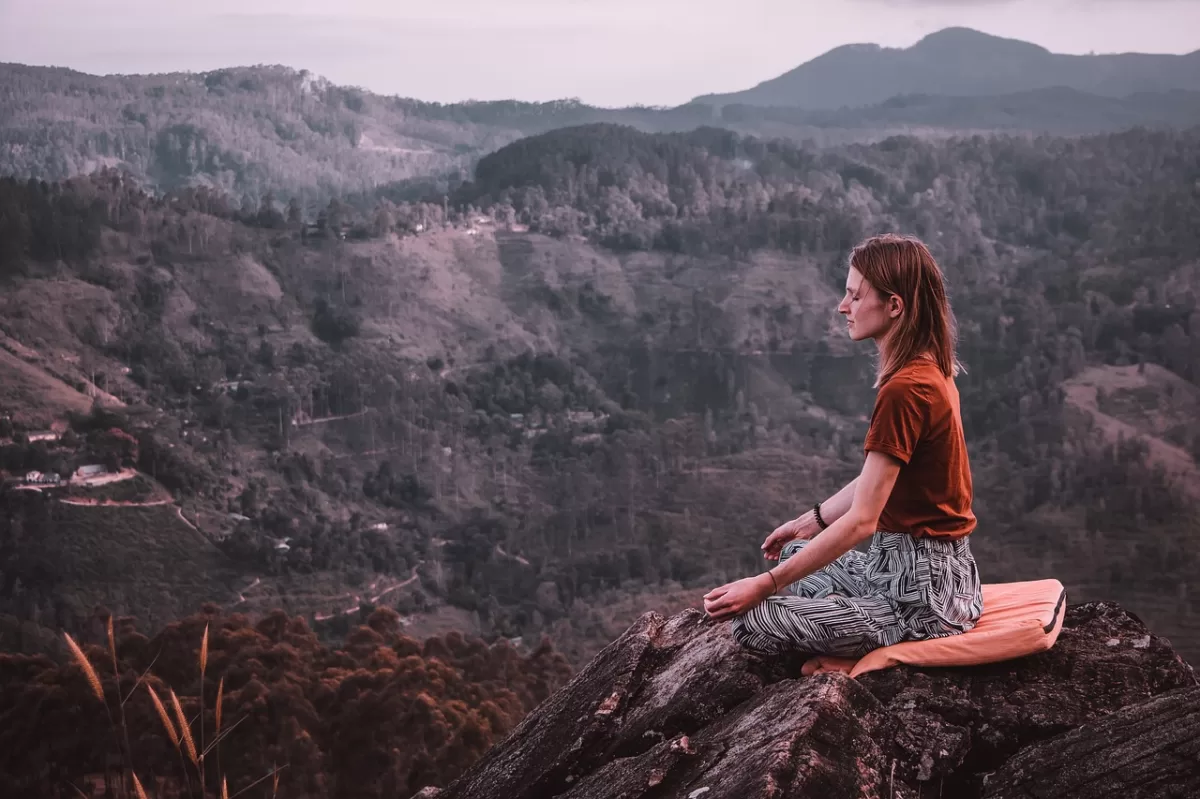
As you search for “yoga retreats near me,” you’re likely seeking a transformative experience that combines physical practice, mental relaxation, and spiritual growth. You may have heard that yoga retreats are only for experienced yogis or that they’re too expensive, but these misconceptions couldn’t be further from the truth. In reality, yoga retreats cater to diverse levels of experience and offer a wide range of prices, making them accessible to anyone seeking a holistic getaway. By the end of this article, you’ll be equipped with the knowledge to choose the perfect yoga retreat for your needs and preferences, and you’ll be ready to embark on a journey of self-discovery and wellness.
Whether you’re looking to reduce stress, improve your physical health, or simply take a break from the hustle and bustle of daily life, a yoga retreat can be a powerful tool for transformation. With so many options available, it can be overwhelming to decide which retreat is right for you. That’s why we’ll explore the different types of yoga retreats, their benefits, and what to expect during your stay. By understanding the various aspects of yoga retreats, you’ll be able to make an informed decision and find the perfect retreat to suit your needs.
Introduction to Yoga Retreats
A yoga retreat is a unique opportunity to immerse yourself in the practice of yoga, surrounded by like-minded individuals and experienced instructors. These retreats typically offer a combination of physical postures, breathing techniques, and meditation, designed to promote relaxation, reduce stress, and improve overall well-being. The physical benefits of yoga retreats are numerous, including increased flexibility, strength, and balance, as well as improved cardiovascular health and reduced chronic pain. Additionally, the mental and emotional benefits of yoga retreats can be profound, including reduced anxiety and depression, improved mood, and increased self-awareness.
There are various types of yoga retreats, catering to different styles, levels of experience, and interests. Some retreats focus on specific styles, such as Hatha, Vinyasa, or Restorative yoga, while others offer a more eclectic approach, combining elements from multiple traditions. Retreats can also vary in terms of their setting, ranging from serene natural environments to urban centers, and may offer additional activities, such as hiking, swimming, or cultural excursions. For example, a yoga retreat in Bali may offer a mix of Hatha and Vinyasa yoga, combined with meditation and pranayama practices, while a retreat in Costa Rica may focus on Restorative yoga and yoga Nidra.
One of the most significant advantages of yoga retreats is their ability to provide a supportive and nurturing environment, allowing participants to deepen their practice, challenge themselves, and connect with others. Many retreats offer small class sizes, personalized attention, and a sense of community, making it easier for participants to feel comfortable, relaxed, and inspired. Moreover, yoga retreats often provide a unique opportunity to learn from experienced instructors, gain new insights, and develop a more profound understanding of the practice and its benefits.
Types of Yoga Retreats
Yoga retreats can be categorized into several types, based on their focus, style, and level of intensity. Some retreats specialize in specific yoga styles, such as Ashtanga, Iyengar, or Kundalini, while others offer a more general or eclectic approach. For example, a retreat focused on Ashtanga yoga may involve intense physical practice, including rapid flows and challenging postures, while a retreat focused on Yin yoga may involve slow, meditative movements and deep relaxation.
Retreat settings can also vary greatly, ranging from luxurious resorts to rustic cabins, and from urban centers to remote natural environments. Some retreats may offer additional activities, such as hiking, swimming, or cultural excursions, while others may focus exclusively on yoga and meditation. The level of intensity can also vary, with some retreats offering gentle, restorative practices, and others providing more challenging, physically demanding experiences. For instance, a retreat in the mountains may offer a mix of hiking and yoga, while a retreat by the beach may focus on surfing and yoga.
When choosing a yoga retreat, it’s essential to consider your personal preferences, goals, and level of experience. If you’re a beginner, you may prefer a retreat that offers gentle, introductory classes, while more experienced practitioners may seek out more challenging, advanced practices. Additionally, consider the retreat’s focus, style, and setting, as well as the qualifications and experience of the instructors. By selecting a retreat that aligns with your needs and interests, you can ensure a more enjoyable, transformative, and rewarding experience.
How to Choose the Right Yoga Retreat
Choosing the right yoga retreat can be a daunting task, especially with the numerous options available. To make an informed decision, consider your yoga style and level, as well as the retreat’s location and setting. Think about what you hope to achieve from your retreat experience, whether it’s to reduce stress, improve your physical health, or deepen your spiritual practice. Consider the cost and duration of the retreat, as well as the qualifications and experience of the instructors.
Research the retreat’s curriculum, including the types of classes, workshops, and activities offered. Look for reviews, testimonials, and feedback from previous participants to get a sense of the retreat’s quality, atmosphere, and overall experience. It’s also essential to consider the retreat’s amenities, such as accommodations, meals, and facilities, to ensure they meet your needs and preferences. For example, if you have dietary restrictions, look for a retreat that offers vegetarian or vegan options.
When evaluating a yoga retreat, it’s essential to consider the instructor’s qualifications, experience, and teaching style. Look for instructors who are certified, experienced, and passionate about their craft, and who can provide personalized attention, feedback, and guidance. A good instructor can make a significant difference in your retreat experience, helping you to deepen your practice, overcome challenges, and achieve your goals. By taking the time to research and evaluate different retreats, you can find the perfect fit for your needs, preferences, and goals.
Benefits of Yoga Retreats
Yoga retreats offer a wide range of benefits, from reduced stress and anxiety to improved physical health and increased mindfulness. By immersing yourself in a supportive, nurturing environment, you can experience profound transformations, both physically and emotionally. One of the most significant benefits of yoga retreats is their ability to reduce stress and anxiety, by providing a safe, peaceful space to relax, unwind, and recharge.
Yoga retreats can also have a profound impact on physical health, by improving flexibility, strength, balance, and overall well-being. Regular practice can help to reduce chronic pain, improve cardiovascular health, and boost the immune system. Additionally, yoga retreats can provide a unique opportunity to develop greater self-awareness, by cultivating mindfulness, introspection, and self-reflection. By tuning into your body, mind, and spirit, you can gain a deeper understanding of yourself, your needs, and your goals.
Furthermore, yoga retreats can offer a sense of community and connection, by bringing together like-minded individuals who share a passion for yoga, wellness, and personal growth. This sense of belonging and support can be incredibly powerful, helping you to feel more inspired, motivated, and empowered to make positive changes in your life. For example, a yoga retreat may offer group meditation sessions, where participants can come together to practice and connect with one another.
What to Expect at a Yoga Retreat
When attending a yoga retreat, you can expect a unique and transformative experience, tailored to your needs and interests. A typical day at a yoga retreat may begin with a morning meditation or yoga class, followed by a healthy breakfast and some free time to relax, read, or explore the surroundings. The day may include a variety of activities, such as workshops, lectures, or excursions, designed to deepen your practice, challenge your assumptions, and inspire personal growth.
Yoga classes and workshops are often a central part of the retreat experience, offering a range of styles, levels, and themes. You may have the opportunity to practice with experienced instructors, learn new techniques, and refine your skills. Healthy meals and nutrition are also an essential part of the retreat experience, with many retreats offering delicious, locally sourced, and organic cuisine. Free time and activities, such as hiking, swimming, or journaling, can provide a welcome break from the intensity of the practice, allowing you to relax, recharge, and connect with nature.
It’s essential to approach a yoga retreat with an open mind, a willingness to learn, and a commitment to your own growth and development. Be prepared to challenge yourself, to step outside your comfort zone, and to embrace new experiences and perspectives. By doing so, you can create a profound and lasting impact on your life, by cultivating greater awareness, wisdom, and compassion. For instance, a yoga retreat may offer a workshop on mindfulness, where participants can learn techniques to cultivate greater awareness and presence in their daily lives.
Finding Yoga Retreats Near You
Finding yoga retreats near you can be a straightforward process, thanks to the numerous online resources and directories available. A simple search engine query, such as “yoga retreats near me,” can yield a wealth of results, including local studios, resorts, and retreat centers. You can also research online directories, such as Yoga Alliance or Retreat Finder, which offer a comprehensive list of yoga retreats, workshops, and classes.
When searching for yoga retreats, consider factors such as location, style, level, and cost. Look for retreats that align with your interests, goals, and preferences, and read reviews, testimonials, and feedback from previous participants to get a sense of the retreat’s quality and atmosphere. You can also contact the retreat center directly, to ask questions, request information, and book your spot. For example, you may want to ask about the retreat’s accommodation options, meal plans, and transportation arrangements.
Booking and preparation are essential steps in the process, as they can help ensure a smooth, enjoyable, and transformative experience. Be sure to research the retreat’s cancellation policies, payment terms, and any necessary preparations, such as vaccinations, travel documents, or equipment. By taking the time to research, evaluate, and prepare, you can find the perfect yoga retreat near you, and embark on a journey of self-discovery, growth, and wellness. Additionally, consider the retreat’s social media presence, as it can provide valuable insights into the retreat’s community and atmosphere.
Key Takeaways
In conclusion, yoga retreats offer a unique and transformative experience, tailored to your needs and interests. By understanding the different types of yoga retreats, their benefits, and what to expect, you can make an informed decision and find the perfect retreat to suit your needs. Remember to approach a yoga retreat with an open mind, a willingness to learn, and a commitment to your own growth and development. As you search for “yoga retreats near me,” what will you discover about yourself, your practice, and your place in the world?
Frequently Asked Questions
What is a yoga retreat?
A yoga retreat is a program that combines yoga classes, workshops, and other activities to promote physical, mental, and emotional well-being
How do I choose the right yoga retreat?
Consider factors such as yoga style and level, retreat location and setting, and cost and duration when selecting a yoga retreat