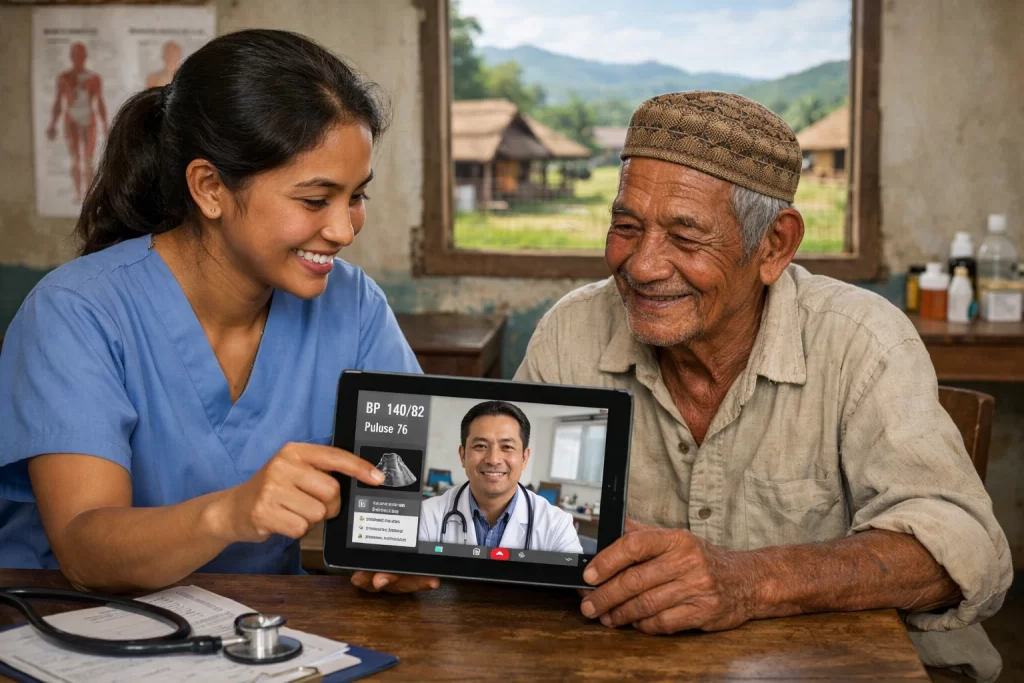
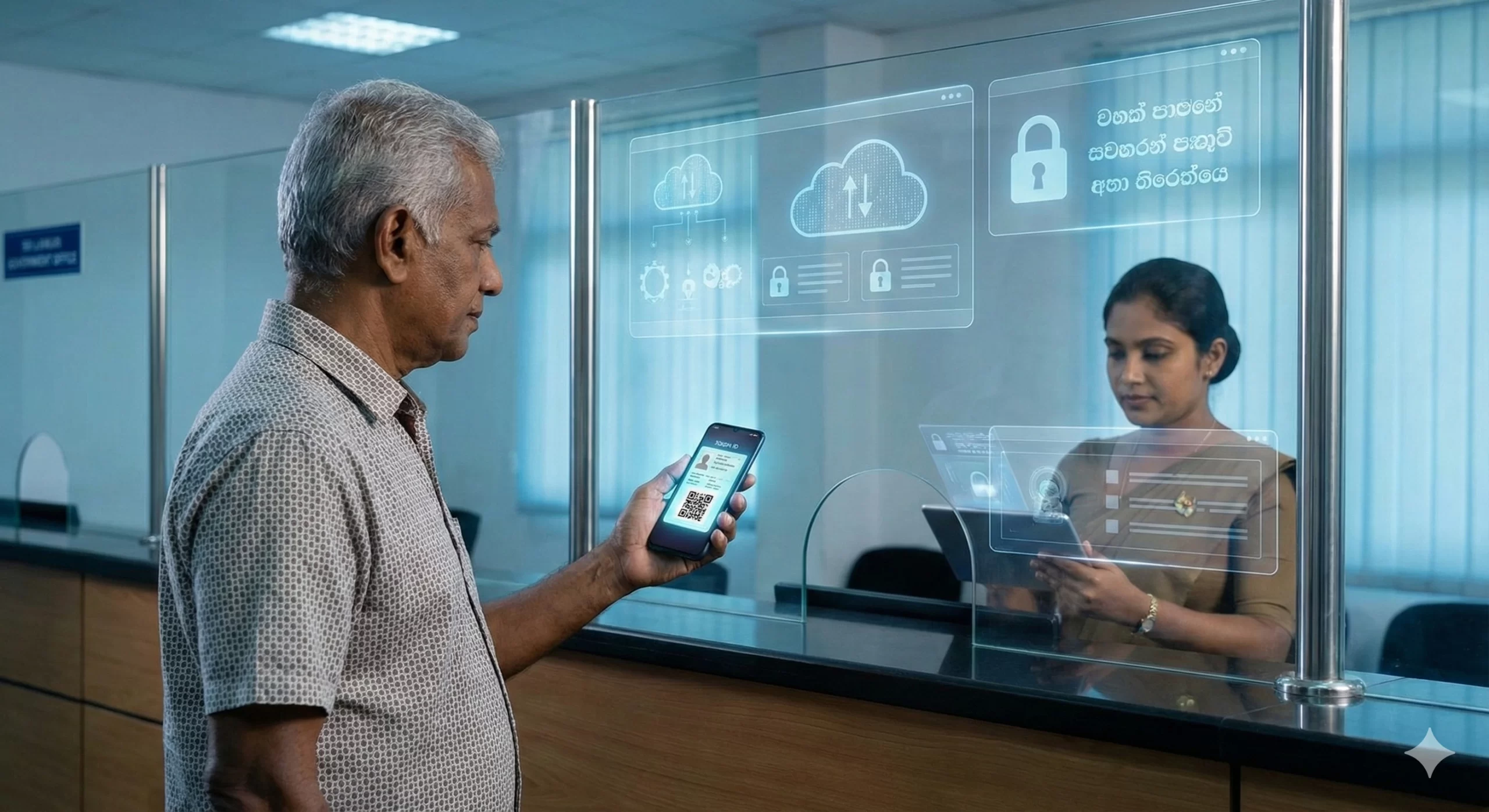
The World Bank’s $50 million digital transformation project, greenlit on December 19, 2025, positions Sri Lanka at the forefront of South Asian e-governance, delivering digital public infrastructure for 10 million citizens through unified IDs, service portals, and a secure government cloud. The flagship “Lanka Digital” app enables one-stop access to driver’s licenses, birth certificates, welfare payments, and tax filings, slashing processing times from weeks to hours and eliminating 70% of physical paperwork. Rural residents gain telemedicine consultations for 2 million patients post-cyclone, while businesses register in under 5 days via integrated single windows, boosting SME efficiency that drives 52% of GDP.
Funding allocation prioritizes impact: 40% builds core infrastructure like data centers in Colombo and Jaffna; 30% trains 100,000 youth in AI, cybersecurity, and fintech through ICTA partnerships; 30% fuels female-led startups with grants up to $50,000, targeting 60% women/rural participation to counter 25% graduate unemployment. Dialog Axiata and local firms like Scienter Technologies integrate 5G connectivity, projecting IT exports doubling to $2 billion by 2028. Early pilots in Kandy reduced corruption in land registry by 40%, saving Rs2 billion annually in bribes.
Citizens experience immediate conveniences: farmers apply for subsidies via voice-enabled Sinhala/Tamil interfaces, pensioners receive biometric-verified payments without queues, and exporters clear customs digitally. Yet privacy risks loom large without comprehensive data protection laws. Estonia’s X-Road model, handling 99% of public services securely, guides safeguards against breaches that could expose 22 million national ID records. The 40% rural digital divide—exacerbated by 35% lacking broadband—necessitates Starlink subsidies and community digital hubs in 500 grama niladhari divisions.
Civil society demands audits, opt-in consent, and penalties mirroring GDPR fines. Global benchmarks show digital IDs boosting GDP 1.5% via productivity, but failures like India’s Aadhaar glitches underscore equity needs for non-English speakers and elderly. Sri Lanka’s Personal Data Protection Act draft must mandate breach notifications within 72 hours.
In conclusion, the $50M digital push heralds efficient, inclusive governance that empowers citizens daily, but robust privacy frameworks and universal access ensure benefits reach beyond urban elites. Balancing innovation with rights forges a trusted digital social contract, propelling Sri Lanka into a prosperous connected future.
References:
https://www.newswire.lk/2025/12/20/world-bank-approves-50-million-project-to-support-sri-lankas-digital-transformation/
https://www.worldbank.org/en/news/press-release/2025/12/19/world-bank-group-and-sri-lanka-partner-to-improve-digital-services-an
https://themorningtelegraph.com/36728/
http://colombogazette.com/2025/12/22/world-bank-approves-50m-for-sri-lankas-digital-push
https://www.miragenews.com/world-bank-sri-lanka-to-boost-digital-economy-1594140/