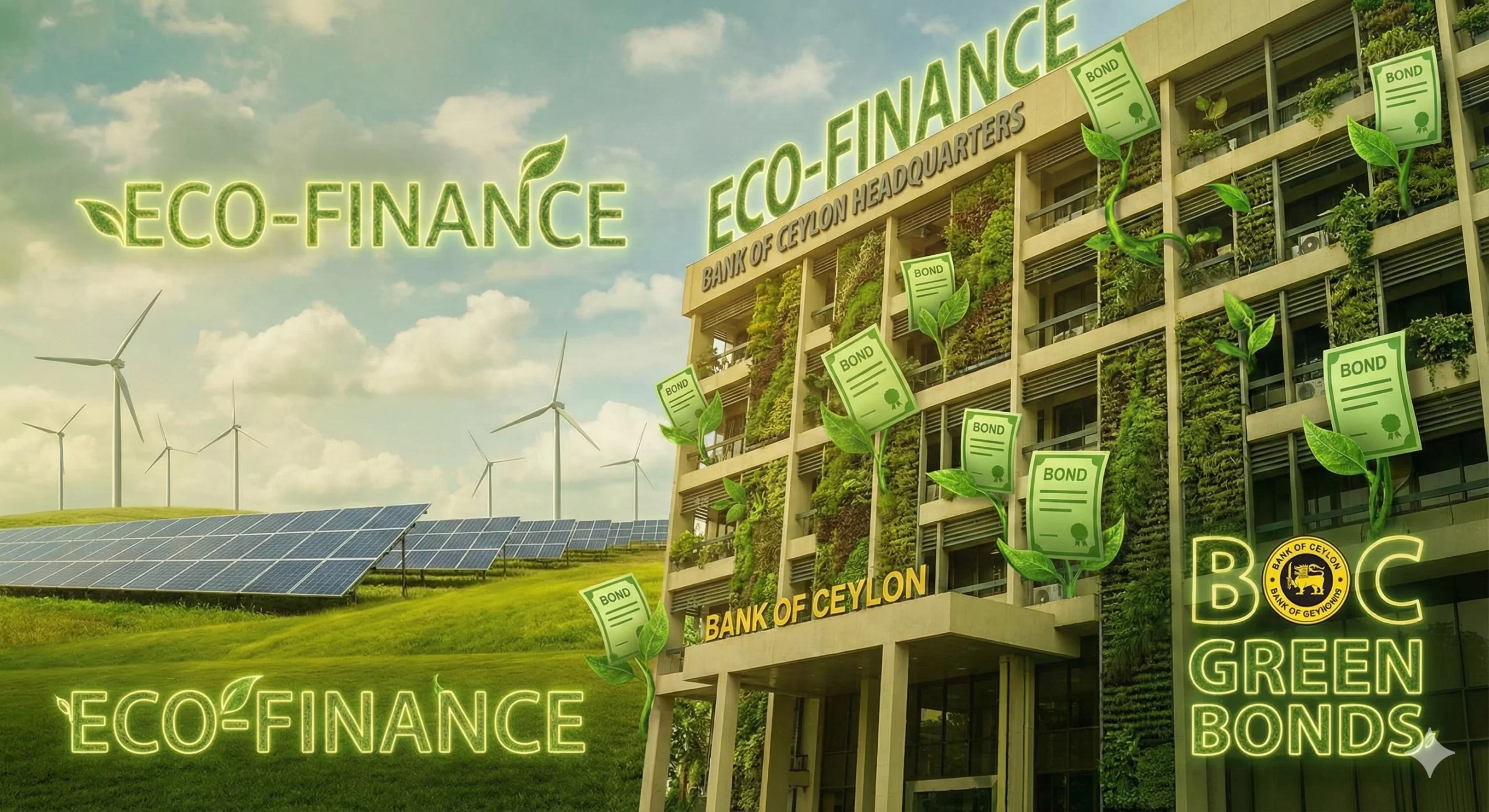
Bank of Ceylon’s announcement on December 18, 2025, of Sri Lanka’s largest sustainability bond issuance marks a transformative moment in the nation’s financial landscape, targeting Rs50 billion to dramatically expand green and social lending programs. Oversubscribed 2.5 times by a mix of local institutional investors, EPF, and international ESG funds from Singapore and Norway, this landmark instrument funds critical initiatives including solar microgrids serving 100,000 rural households, electric vehicle charging infrastructure across Colombo’s commercial districts, and women-led agro-processing enterprises in tea-growing regions. For the average Sri Lankan family spending 25% of income on electricity, subsidized home solar installations at 4% interest rates versus 12% commercial loans could slash monthly bills by 40%, saving Rs3,000 annually per household.
Small and medium enterprises, which contribute 52% to GDP and employ 7.5 million people, gain unprecedented access to green financing at 8% rates compared to 14% market averages. Apparel factories in Katunayake can now install energy-efficient sewing machines and LED lighting systems, reducing operational costs by Rs2 million per year while cutting carbon emissions by 30%. Retail borrowers access electric three-wheeler financing essential for last-mile delivery in urban markets, where fuel costs consume 35% of small business revenues. Corporate clients like Ceylon Tobacco Company fund sustainable tobacco curing facilities that eliminate wood-fired kilns responsible for 20% regional deforestation.
The bond’s structure aligns meticulously with the Central Bank’s newly published green taxonomy, certifying projects that deliver verifiable 30% emissions reductions within three years. This positions Sri Lanka competitively against India’s $10 billion green bond market and Indonesia’s palm oil sustainability financing, attracting co-financing from the Asian Development Bank and World Bank green climate funds. Implementation occurs through purpose-built digital green loan portals that streamline applications from 30 days to 72 hours, with blockchain-based audit trails ensuring transparency and preventing the greenwashing scandals seen in regional peers.
Risks remain significant: verification challenges for small-scale solar projects in remote areas require third-party engineering certifications modeled on EU Sustainable Finance Disclosure Regulation standards. Capacity building for 500 provincial bank branches handling green assessments demands Rs500 million training investment over two years. Public dashboards tracking bond proceeds allocation—updated monthly with project photos, emissions data, and beneficiary stories—rebuild trust eroded by past infrastructure scandals.
For women entrepreneurs comprising 35% of SME borrowers, dedicated quotas ensure 25% of funds reach female-led ventures, from spice processing cooperatives in Matale to garment design studios in Boralesgamuwa. Financial literacy programs bundled with loans teach cash flow management for renewable projects, boosting repayment rates above 95%. The bond’s success could catalyze Rs200 billion private green investment by 2028, creating 50,000 jobs in solar installation, EV maintenance, and sustainable agriculture.
Comparative analysis reveals Sri Lanka entering the market at optimal timing: global ESG assets under management hit $40 trillion in 2025, with 15% yield premiums for emerging market green bonds. Domestic EPF allocation limits rising to 10% for sustainability instruments unlock Rs100 billion pension funds. Banking competitors like Commercial Bank and HNB race to launch copycat issuances, potentially flooding the market unless CBSL imposes issuance caps.
In conclusion, Bank of Ceylon’s sustainability bond pioneers accessible green finance that empowers households, revitalizes SMEs, and positions Sri Lanka as South Asia’s climate finance hub. Transparent execution and capacity building ensure these funds deliver measurable emissions cuts and economic multipliers, forging a sustainable growth path that benefits every citizen through lower energy costs and resilient businesses.
References:
https://www.dailymirror.lk/news-features/Major-sustainable-finance-initiative-Bank-of-Ceylon-is-opening-the-largest-ever-Sustain
https://www.cbsl.gov.lk/en/sri-lanka-economy-snapshot
https://www.adb.org/where-we-work/sri-lanka
https://www.worldbank.org/en/news/press-release/2025/12/19/world-bank-group-and-sri-lanka-partner