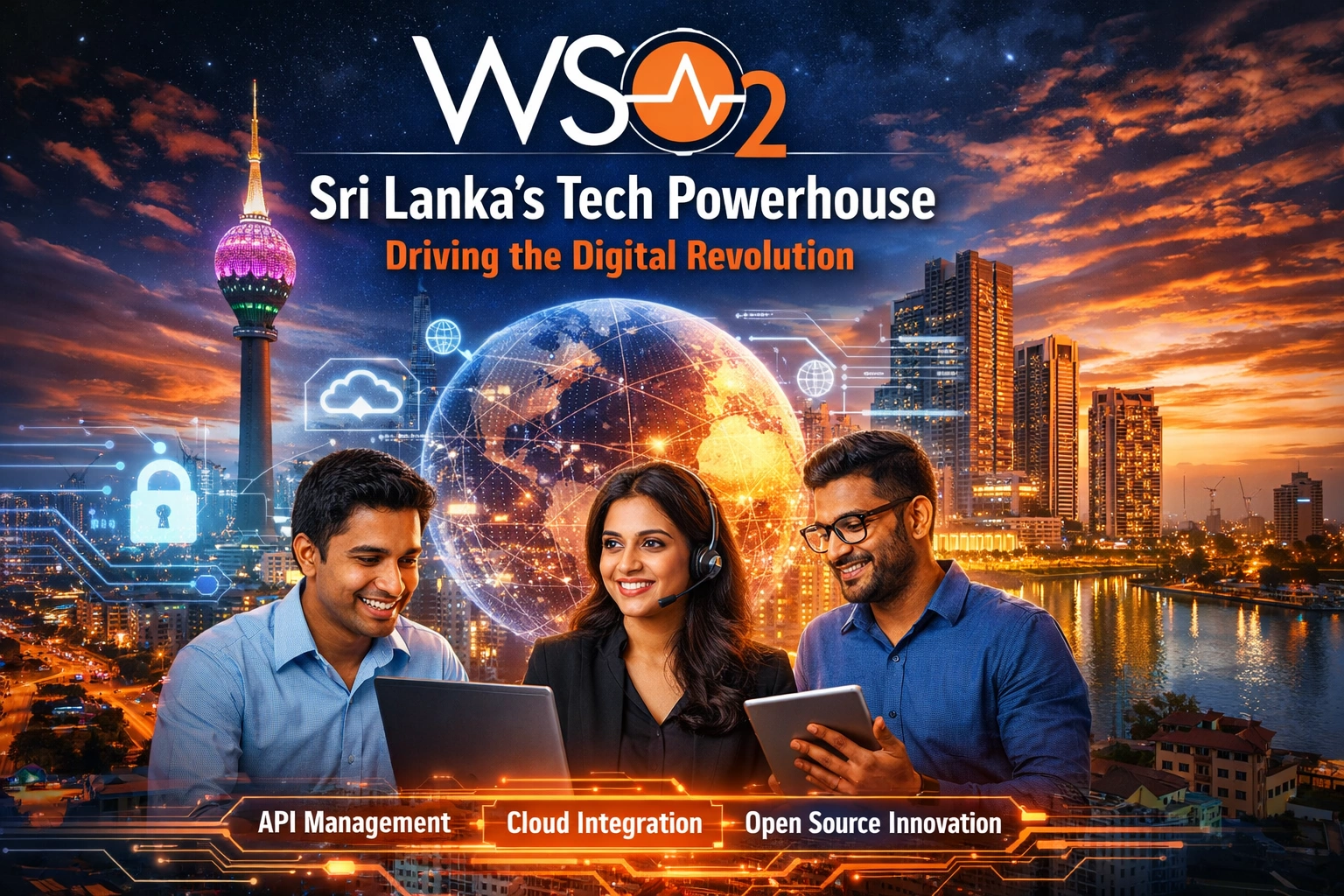
Introduction to WSO2: Sri Lanka’s Homegrown Tech Giant
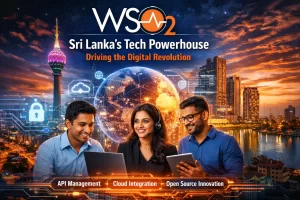
Sri Lanka’s technology sector is rapidly evolving, fueled by government investments like the 35.6 billion Sri Lankan rupees (approximately US$120 million) allocated in the 2026 Budget for digital transformation across sectors, including national digital identity systems and data exchange platforms.[1] At the forefront of this surge stands WSO2, a Colombo-based software company that has become synonymous with innovation in API management, integration, and open-source solutions. Founded in 2005 by Sri Lankan entrepreneurs, WSO2 has grown from a startup in Liberty Plaza, Colombo 3, to a global enterprise serving Fortune 500 companies, all while deeply rooted in Sri Lankan talent and culture.
With over 70% of Sri Lankans accessing the internet via mobile devices—72% mobile traffic dominance according to recent data—companies like WSO2 are pivotal in building scalable, mobile-first digital infrastructures tailored to local realities like variable 4G speeds (15-25 Mbps urban, under 5 Mbps rural).[2][3] This article dives into WSO2’s journey, its technological contributions, and its alignment with Sri Lanka’s digital economy ambitions for 2026 and beyond.
The Founding Story: From Colombo to Global Stages
WSO2 was co-founded by Dr. Sanjiva Weerawarana, a University of Moratuwa alumnus and Yale PhD holder, alongside Asela Pathberiya and others, with a mission to democratize enterprise middleware through open-source software. Headquartered in Colombo’s bustling tech hub near the Galle Face Green promenade, the company draws inspiration from Sri Lanka’s resilient entrepreneurial spirit—much like the island’s ancient trading ports that connected East and West.
Starting with the WSO2 Carbon platform, the firm addressed enterprise needs for service-oriented architecture (SOA). Today, WSO2 employs over 500 people in Sri Lanka alone, contributing to the nation’s ICT exports, which hit $1.5 billion annually. Its open-source ethos resonates with Sri Lanka’s collaborative culture, seen in community events at places like the BMICH in Colombo, where developers gather for hackathons.
Key Milestones in WSO2’s Sri Lankan Journey
- 2005: Founded in Colombo, releasing the first open-source ESB (Enterprise Service Bus).
- 2012: Launches API Manager, now a global standard used by banks like Commercial Bank of Ceylon.
- 2020: Amid COVID-19, WSO2 powers remote work solutions for Sri Lankan firms, boosting e-commerce via integrations with local payment gateways like FriMi and PayHere.
- 2025: Acquires Ballerina language for cloud-native development, enhancing Sri Lanka’s startup ecosystem with tools for microservices.
WSO2’s Core Technologies: Powering Sri Lanka’s Digital Shift
In a nation with 30.3 million cellular connections (130% of population) and 91.3% broadband mobile penetration, WSO2’s API-led connectivity is transformative.[3] Its flagship products include:
- WSO2 API Manager: Enables secure API marketplaces, vital for Sri Lanka’s digital payments push—government transactions now digital with waived fees under Rs. 5,000.
- WSO2 Integration Studio: Low-code platform for hybrid integrations, supporting Sinhala/Tamil multilingual chatbots aligning with 2026 trends in vernacular content.[4]
- WSO2 Identity Server: Key for national digital ID systems, shortlisted Indian firms notwithstanding, as Sri Lanka invests Rs. 500 million in data centers.[1]
WSO2’s solutions are mobile-optimized, addressing thumb-friendly designs and PWAs crucial for Sri Lanka’s 85% mobile-initiated purchases.[2] Local businesses in Kandy and Galle use them for seamless e-commerce, integrating with WhatsApp for order confirmations—a trend exploding in 2026.
Impact on Sri Lankan Industries
Banking and Finance: WSO2 powers Dialog Axiata’s fintech arms and HSBC Sri Lanka’s API ecosystems, enabling real-time transactions amid the Rs. 750 million AI data center allocation.[1]
Telecom: With 4G/5G rollout, SLT-Mobitel leverages WSO2 for network APIs, supporting the 12% internet adoption growth.[3]
Tourism and Retail: Hotels in Bentota and shops in Pettah markets use WSO2 for personalized apps, blending cultural storytelling with conversational AI in Sinhala and Tamil.[4]
Healthcare and Government: During crises, WSO2 facilitated vaccine tracking via APIs, now scaling to e-governance under the 2030 digital economy framework.[6]
WSO2 and Sri Lanka’s 2026 Digital Boom
The 2026 Budget’s Rs. 1.5 billion startup fund and Virtual Special Economic Zones position WSO2 as a mentor.[1] The company supports green energy incentives for data centers, offering low-cost electricity—ideal for Colombo’s tech parks. WSO2’s Ballerina language aids AI workflows, countering predictions that AI assists rather than replaces creators.[4]
In Sri Lanka’s context, where fixed internet speeds rose 38.1% to 8.73 Mbps, WSO2 ensures resilient, low-latency integrations.[3] Its role in the $10M digital overhaul across six industries underscores its strategic importance.[5]
Challenges and Future Outlook
Despite successes, talent retention amid global competition and rural connectivity gaps persist. WSO2 counters this via University of Colombo partnerships and women-in-tech programs, reflecting Sri Lanka’s diverse culture from Jaffna’s Tamil heritage to Sinhala heartlands.
Looking to 2030, WSO2 aims for carbon-neutral ops, aligning with investor incentives.[1] As conversational AI normalizes, expect WSO2 chatbots handling trilingual queries for brands like Keells Food World.
Why WSO2 Matters to Sri Lankans
WSO2 isn’t just a company; it’s a symbol of Sri Lankan ingenuity, exporting tech worth millions while creating jobs in Battaramulla and beyond. For aspiring developers in Matara or entrepreneurs in Trincomalee, WSO2’s open-source repos offer free entry points. In a year rewarding cultural, hyper-local content, WSO2 enables brands to thrive authentically.[4]
As Sri Lanka races toward a digital economy, WSO2 leads, blending island innovation with global scale.
References
- [1] Sri Lanka earmarks millions to accelerate digital transformation in 2026 budget
- [2] Mobile-First Website Trends in Sri Lanka for 2026
- [3] Digital 2026: Sri Lanka — DataReportal
- [4] Top Digital Media Trends and Predictions for Sri Lanka in 2026
- [5] Sri Lanka’s $10M Digital Revolution: These 6 Industries – YouTube
- [6] Sri Lanka’s digital future: Framework for reaching digital economy by 2030