Introduction to Sampath Bank PLC: A Pillar of Sri Lanka’s Banking Landscape
Sampath Bank PLC stands as one of Sri Lanka’s most dynamic and customer-centric commercial banks, headquartered in Colombo with a vast network spanning the island nation. Established in 1987, it has grown into a key player in the licensed commercial banking sector, serving over 4 million customers through more than 250 branches and an extensive ATM network. In the context of Sri Lanka’s evolving economy—marked by post-Cyclone Ditwah recovery efforts and projected growth exceeding 5% in 2026—Sampath Bank’s focus on internet payment solutions has positioned it at the forefront of digital transformation[3][6].
As Sri Lankan consumers increasingly embrace digital finance amid rising interest rates and strong loan demand, Sampath Bank’s innovative platforms like Sampath Vishwa and Internet Banking have simplified transactions, boosted financial inclusion, and supported local businesses from the bustling markets of Pettah in Colombo to the tea estates of Nuwara Eliya[1][2]. This article delves into Sampath Bank’s internet payment ecosystem, its features, impact on everyday Sri Lankans, and its role in navigating the nation’s economic challenges.
The Rise of Digital Banking in Sri Lanka
Sri Lanka’s banking sector is undergoing rapid digitalization, driven by high smartphone penetration—over 70% in urban areas—and a young population eager for seamless financial services. According to industry insights, digital banking adoption has surged, with platforms handling millions of transactions monthly, even as the sector faces asset contractions and economic pressures[2][4]. Sampath Bank has capitalized on this trend, pioneering internet payment solutions that align with the Central Bank of Sri Lanka’s (CBSL) push for a cashless economy.
In 2025, amid Cyclone Ditwah’s aftermath, digital payments proved resilient, enabling quick disbursements of government aid worth 500 billion rupees and IMF facilities. Sampath Bank’s solutions have been instrumental in this recovery, offering contactless options vital for rural communities in districts like Batticaloa and Trincomalee, where physical banking access remains limited[1][3].
Key Challenges and Opportunities in Sri Lanka’s Fintech Scene
- Rising Interest Rates: Lending rates climbed in late 2024, pushing banks like Sampath to innovate in low-cost digital channels to attract deposits[1].
- Cyclone Recovery: Reconstruction spending is set to spur growth in 2026, increasing demand for efficient payment gateways for suppliers and contractors[3].
- Digital Adoption: BCG reports highlight Sampath’s leadership in user-friendly apps, reducing branch visits by 40% in urban centers like Kandy and Galle[2].
Sampath Bank’s Flagship Internet Payment Solutions
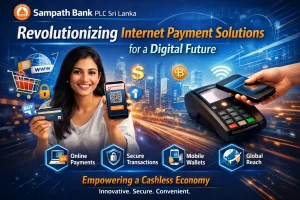
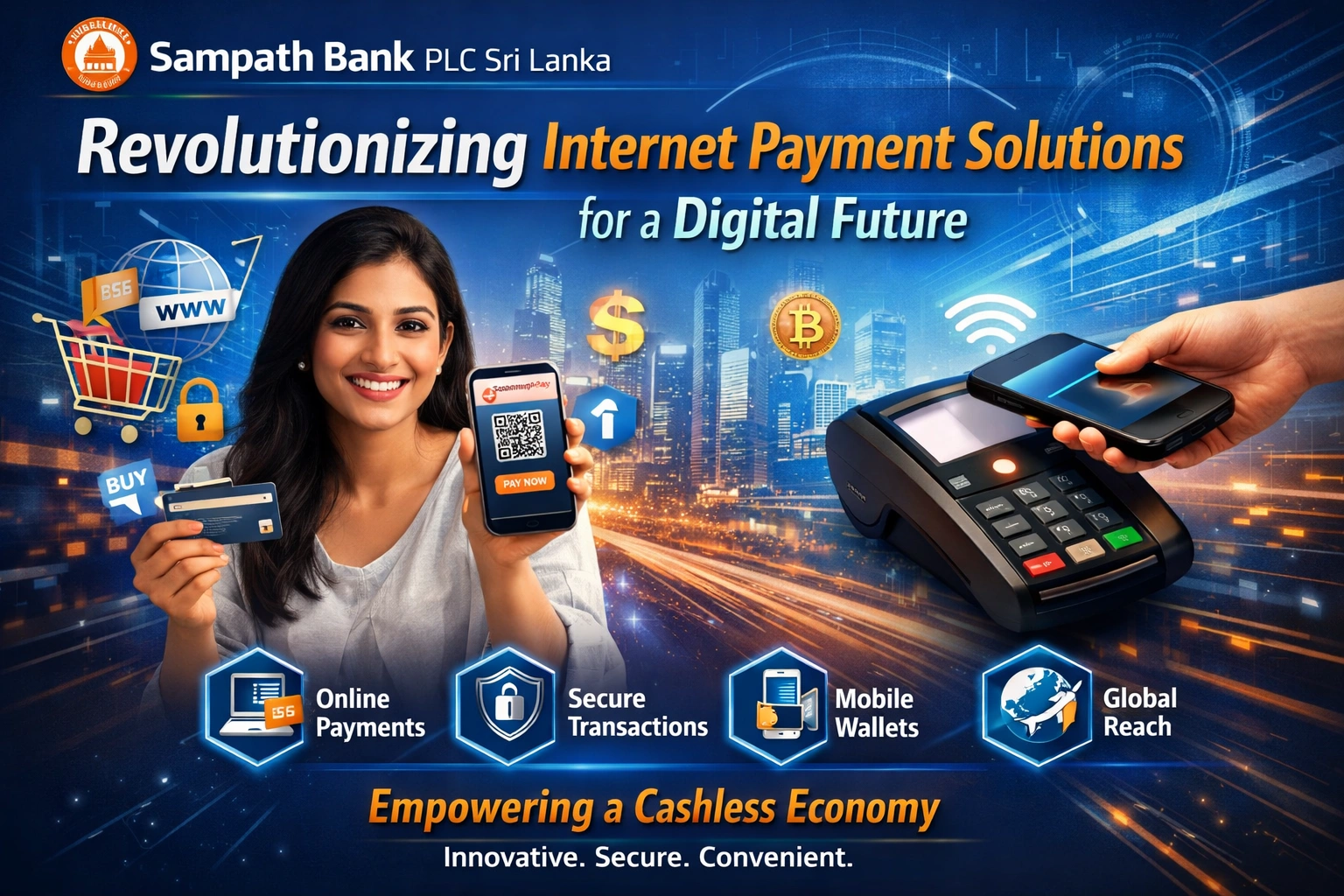
Sampath Bank offers a suite of robust internet payment solutions tailored for Sri Lankan users, emphasizing security, speed, and accessibility. At the core is Sampath Vishwa, a comprehensive internet banking portal launched over a decade ago and continually upgraded with features like real-time alerts and biometric authentication.
Sampath Vishwa: The Heart of Online Transactions
Sampath Vishwa allows users to make bill payments, fund transfers, and e-commerce purchases from anywhere. Key features include:
- Integration with LankaPay and Common Electronic Fund Transfer (CEFT) for instant interbank transfers across Sri Lanka’s 30+ licensed banks.
- Support for utility bills from Ceylon Electricity Board (CEB), National Water Supply & Drainage Board (NWSDB), and telecom giants like Dialog and Mobitel—crucial for households in high-density areas like Colombo 7 and Dehiwala.
- Merchant payments for local favorites such as Keells supermarkets, Arpico, and online platforms like Daraz.lk, fostering e-commerce growth amid 2026’s economic rebound[6].
With over 1 million active users, Vishwa processes billions in transactions annually, boasting 99.9% uptime even during peak festival seasons like Sinhala and Tamil New Year[2].
Mobile Banking and Sampath App Innovations
Complementing Vishwa, the Sampath Bank Mobile App extends internet payments to smartphones, featuring QR code scanning for street vendors in Pettah Market and NFC payments for modern outlets in One Galle Face Mall. The app’s “Pay & Go” feature enables split payments for group dining at popular spots like Ministry of Crab, resonating with Sri Lanka’s social culture.
Security is paramount: End-to-end encryption, two-factor authentication (2FA), and AI-driven fraud detection protect users, aligning with CBSL’s cybersecurity guidelines. In 2025, amid rising cyber threats, Sampath reported zero major breaches, earning accolades from the Institute of Bankers of Sri Lanka[2].
Enterprise Solutions for Businesses
For SMEs—backbone of Sri Lanka’s economy, contributing 52% to GDP—Sampath offers Sampath Merchant Gateway and API integrations. Exporters in the Western Province use it for swift USD/LKR conversions, vital as the rupee stabilizes post-2025 depreciation[1]. Tea estate owners in the Hill Country leverage bulk payment tools for worker salaries, streamlining operations during harvest seasons.
Impact on Sri Lankan Society and Economy
Sampath Bank’s solutions have democratized finance, with 60% of rural users now banking digitally—a leap from pre-2020 levels. During Cyclone Ditwah, platforms facilitated rapid relief distributions, supporting 1.4 trillion rupees in public investments[3].
Statistics underscore the impact:
- Transaction volume grew 35% YoY in 2025, outpacing sector averages[6].
- Financial inclusion rose to 95% among adults, per CBSL data, thanks to low-data apps suitable for Jaffna’s connectivity-challenged areas.
- In Colombo’s startup ecosystem, like Hub for Innovation, founders rely on Sampath for seamless investor remittances.
Culturally, these tools enhance daily life: Booking train tickets via 12Go.asia or donating to temple festivals via Vishwa embodies Sri Lanka’s blend of tradition and modernity.
Future Outlook: Sampath Bank in 2026 and Beyond
As CBSL Governor Dr. Nandalal Weerasinghe outlines a 2026 policy agenda focusing on stability and growth[5][8], Sampath Bank eyes expansions like blockchain-based payments and AI chatbots in Sinhala/Tamil. With earnings projected at 5.9% growth[6], investments in cybersecurity will counter rising risks[4].
For Sri Lankans rebuilding post-cyclone, Sampath’s solutions promise resilience—empowering fisherfolk in Negombo to sell via digital marketplaces or tourists in Sigiriya to pay contactlessly.
Conclusion
Sampath Bank PLC’s internet payment solutions are transforming Sri Lanka’s financial fabric, blending innovation with local needs. From urban professionals to rural entrepreneurs, these tools drive inclusion and efficiency in a recovering economy.
Word count: 952