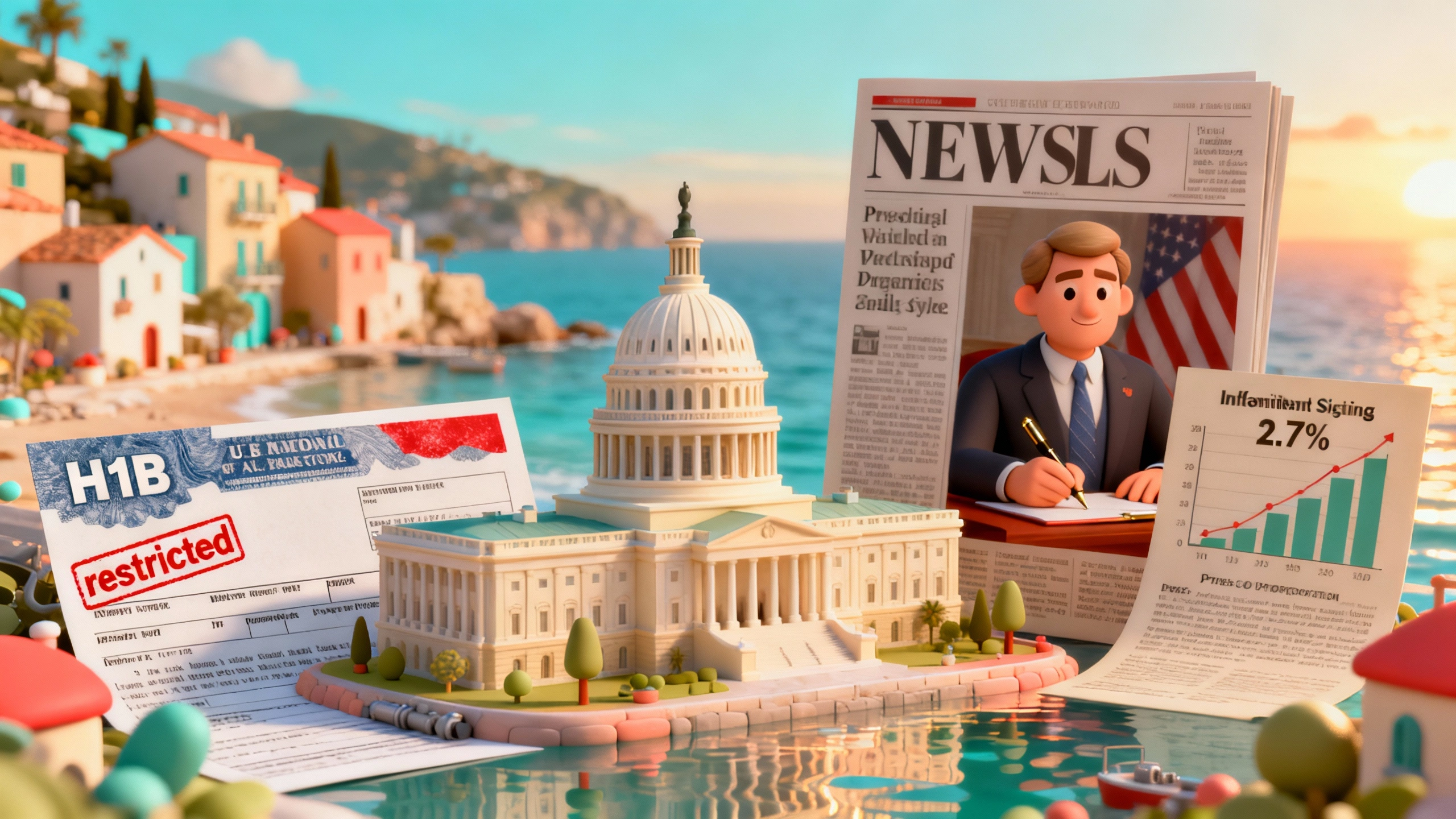
Trump’s Immigration Restrictions Take Effect January 2026
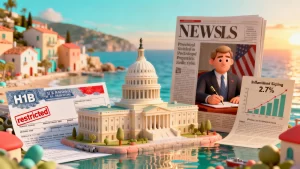
President Donald Trump’s latest immigration proclamation, signed in December 2025 and effective January 1, 2026, introduces significant restrictions on H1B visas and entries from certain countries, aiming to prioritise American workers in a competitive job market. The move comes amid a US economy showing mixed signals: inflation steady at 2.7%—the lowest since mid‑2025—coupled with pre‑pandemic low homicide rates and temporary extensions of ACA subsidies. Critics argue it risks exacerbating tech talent shortages, while supporters highlight domestic job protection.
The policy builds on 2025 border security measures, targeting high‑skill visas like H1B that have been central to Silicon Valley’s growth. Applications will face enhanced vetting, with quotas potentially tightened further based on unemployment data in key sectors.
Economic Context and Immediate Reactions
The US economy enters 2026 on solid footing despite policy shifts. December 2025 data shows consumer spending resilient, unemployment hovering at historic lows, and crime statistics—including homicides—returning to pre‑pandemic levels. However, fiscal challenges loom, with ACA subsidies set to expire and debates over federal spending intensifying.
Tech leaders have voiced concerns over innovation slowdowns, as H1B visas fill critical gaps in AI, software development and engineering. Companies like Google and Microsoft, heavy H1B users, are accelerating domestic training programs and exploring alternatives, though analysts predict short‑term project delays.
Political reactions are polarised. Trump administration officials frame it as fulfilling campaign promises on “America First,” while Democrats warn of economic drag similar to past restrictions.
Sector‑Specific Impacts and Long‑Term Outlook
The tech sector faces the most immediate pressure, with 85% of H1B approvals going to STEM fields. Web development, data science and cybersecurity roles could see hiring freezes, prompting firms to upskill local talent or offshore select projects. Broader economy impacts may include slight GDP drag if skilled labour shortages persist, though proponents cite wage growth for US workers as offsetting benefits.
Healthcare and manufacturing, less reliant on H1B, expect minimal disruption. Legal challenges are anticipated, with immigration advocates preparing lawsuits similar to those against prior bans.
Looking ahead, the policy could reshape global talent flows, benefiting countries with strong tech ecosystems. Businesses are advised to review visa dependencies now and diversify hiring strategies.
References
- https://www.aljazeera.com/news/2025/12/30/is-the-us-economy-strong-heading-into-2026-the-picture-is-complicated
- https://abcnews.go.com/US
- https://www.nafsa.org/regulatory-information/proclamation-december-16-2025-travel-ban-effective-january-1-2026
- https://www.cbsnews.com/news/trump-iran-protests-us-will-come-to-their-rescue/