Introduction to Sri Lanka’s Startup Landscape
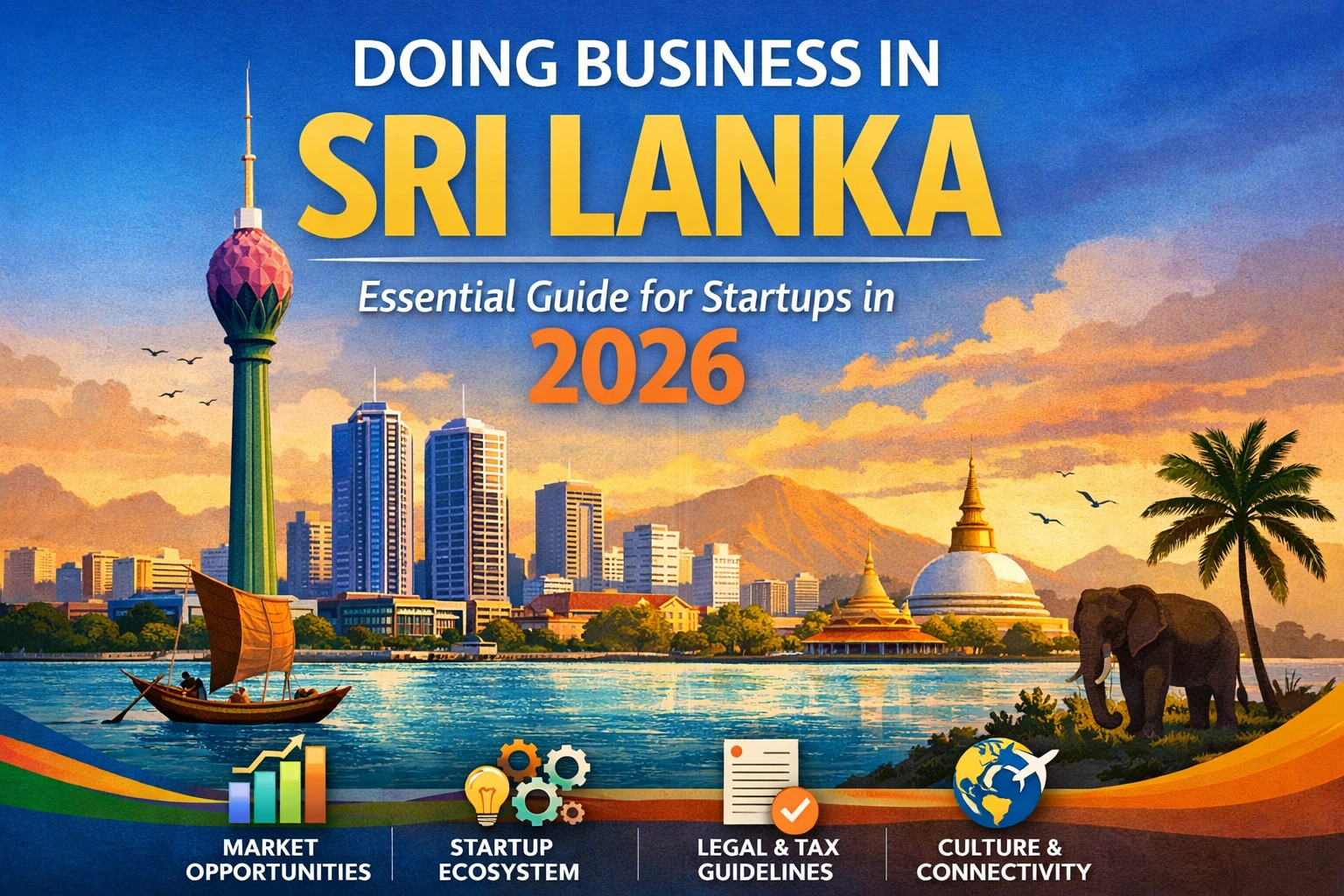
Sri Lanka, an island nation in the Indian Ocean known for its stunning beaches, ancient heritage sites like Sigiriya, and resilient entrepreneurial spirit, is emerging as South Asia’s next innovation hub. Ranked #68 globally and #2 in South Asia by StartupBlink, the country’s startup ecosystem features over 260 active companies, including ride-hailing leader PickMe and fintech pioneer Mintpay.[5] Despite past economic challenges, 2026 brings transformative momentum with a government-backed startup fund launching in January, aimed at spurring innovation and attracting global investment.[1][2]
For startups eyeing Sri Lanka, the blend of English-speaking talent, strategic location near India and Southeast Asia, and sectors like digital services, agritech, and fintech offers immense potential. This comprehensive guide covers everything from legal setup to funding, tailored for founders navigating Colombo’s vibrant scene and beyond.
Why Start a Business in Sri Lanka? Key Opportunities
Sri Lanka’s startup ecosystem is scaling new heights, with events like TiECon Sri Lanka 2026 marking its first global entrepreneurship summit.[7] The digital economy targets $15 billion in value, driven by talent in AI, ML, and software development—exemplified by firms like NemoSofts and Axiata Digital Labs.[1][5]
Thriving Sectors
- Fintech: Mintpay’s ‘buy now, pay later’ model has gained 316 investments, addressing consumer needs amid rising e-commerce.[5]
- Mobility & Logistics: PickMe dominates with safer, smarter taxi services, proving scalability in urban centers like Colombo and Kandy.[5]
- Digital & AI: Companies like Roar Media and NemoSofts leverage local talent for global clients, with AI-driven solutions in precision farming via AiGrow.[5][6]
- Tourism Tech: Post-recovery, startups innovate in sustainable travel, tapping into 2 million annual visitors to sites like Galle Fort.
Cultural emphasis on community and resilience—rooted in Buddhist principles of perseverance—fosters collaborative business environments, ideal for bootstrapped founders.
Legal and Regulatory Framework for Startups
Registering a business in Sri Lanka is straightforward via the Registrar of Companies (ROC) in Colombo. Opt for a Private Limited Company (most common for startups) requiring a minimum of two directors (one resident) and Rs. 100,000 (~$300 USD) capital. The process takes 7-14 days online through the ROC portal.
Step-by-Step Registration
- Name Reservation: Check availability on ROC e-Services; avoid offensive terms per cultural norms.
- Articles of Association: Draft bylaws; include tech IP clauses for software startups.
- Incorporate & Stamp Duty: Pay Rs. 15,000-30,000; obtain Certificate of Incorporation.
- TIN & GST: Register for Taxpayer Identification Number (free) and Goods & Services Tax if turnover exceeds Rs. 3 million annually.
- EPF/ESF & BOI: Mandatory provident funds; apply for Board of Investment (BOI) incentives for tech exports—tax holidays up to 5 years.
Foreign ownership is 100% allowed in most sectors, but land ownership requires local partnerships. Recent reforms promise to cut red tape, aligning academia with industry.[1][2]
Funding and Investment Landscape
Access to capital improves dramatically in 2026 with the government’s “fund of funds,” seeded publicly to unlock private VC—addressing historical bottlenecks.[1][2] Total ecosystem investment stands at $169 million tracked, with John Keells X making 10 investments since 2016.[3][5]
Funding Sources
- Government Fund: Launches January 2026; targets scaling local firms globally.[2]
- Accelerators/Incubators: Hatch (Colombo-based) offers coworking, mentorship; top programs provide funding up to $50,000.[3]
- VC & Angels: PickMe and Commercial Credit attract regional VCs; TiECon 2026 connects global investors.[5][7]
- Delegation Trips: European startups join 2026 trips to Colombo for founder-investor meets.[6]
Apply early via Ministry of Digital Economy portals; emphasize global scalability for best odds.
Top Accelerators and Incubators in Colombo
Colombo hosts Sri Lanka’s startup nerve center, with Hatch leading through accelerator programs focused on early-stage tech.[3] These hubs provide not just funding but networks in Cinnamon Gardens and near Gangaramaya Temple.
| Program | Focus | Key Benefits | Investments |
|---|---|---|---|
| Hatch | Tech, Digital | Coworking, Mentorship, Funding | Multiple cohorts |
| John Keells X | Fintech, Retail | Corporate Acceleration, $100K+ | 10 since 2016 |
Success stories like PickMe highlight how these programs elevate local ideas to national dominance.[3][5]
Building Your Team: Talent and Hiring in Sri Lanka
Sri Lanka boasts a 92% literacy rate and 50,000+ IT graduates yearly from universities like University of Colombo and Moratuwa. English proficiency aids remote hires; average software engineer salary: Rs. 150,000/month (~$500 USD).
Hiring Tips
- Platforms: TopJobs.lk, XpressJobs; LinkedIn for Colombo tech talent.
- Visas: Employment (Resident) Visa for foreigners; quick for skilled workers.
- Culture Fit: Respect hierarchical yet collaborative styles; festivals like Sinhala New Year build team bonds.
- Remote Hubs: Coworking at Hatch or Hub360 in Colombo Fort.
Leverage free zones like Zone 1 in Katunayake for tech talent pools.
Navigating Taxes, Banking, and Operations
Corporate tax: 24% (reduced to 14% for exporters via BOI). VAT: 8% standard. Open business accounts at Commercial Bank or Hatton National Bank—easy with ROC docs. Digital payments via Mintpay streamline ops.
Key Operational Considerations
- Intellectual Property: Register trademarks at National Intellectual Property Office (NIPO) in Colombo; 2-3 months.
- Logistics: Bandaranaike International Airport connects globally; local via PickMe logistics arms.
- Cultural Nuances: Punctuality valued, but flexibility for holidays; avoid business on Poya days.
Marketing and Scaling in the Sri Lankan Market
Target 22 million population with 60% internet penetration. SEO in Sinhala/Tamil/English; social media via Facebook (9M users). Scale via exports—BOI perks for EU/US markets. Join TiECon 2026 for global exposure.[7]
Growth Strategies
- Partner with PickMe for mobility integrations.
- Tap tourism rebound in Ella and Mirissa.
- Participate in delegation trips for Asia-Europe bridges.[6]
Challenges and Risk Mitigation
Economic recovery continues; mitigate via diversified funding and BOI stability. Political shifts? Government reforms signal commitment.[1] Build resilience like local founders weathering 2022 crises.
Success Stories and Future Outlook
PickMe’s revolution in transport and Mintpay’s fintech innovation inspire. With 2026’s fund and TiECon, expect ecosystem ascent.[4][7] Sri Lanka offers startups a culturally rich, cost-effective launchpad.
Conclusion: Launch Your Startup in Paradise
Sri Lanka combines tropical allure with startup grit. Act now—register, fundraise, and innovate in this rising hub.
Word count: 1025 (excluding metadata)
References:
- Sri Lanka to launch gov’t-backed startup fund in January 2026 – Xinhua[1]
- Sri Lanka to Launch Startup Funds in 2026 – Ministry of Digital Economy[2]
- Top Accelerators and Incubators in Sri Lanka – Failory[3]
- Sri Lanka’s Startup Ecosystem Scales New Heights[4]
- Top Startups in Sri Lanka – StartupBlink[5]
- Startup Delegation Trip to Sri Lanka 2026[6]
- TiECon Sri Lanka 2026[7]