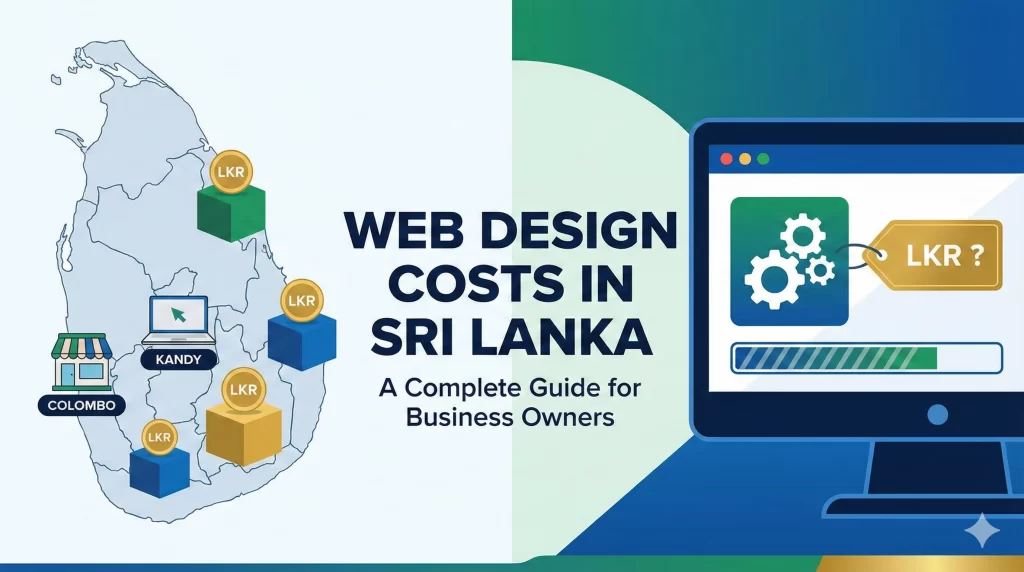
Introduction to E-Commerce Growth in Sri Lanka
Sri Lanka’s e-commerce landscape is booming, with the market projected to grow over 25% annually through 2026, fueled by rising mobile wallet usage like FriMi and PayHere, social commerce on platforms popular in Colombo and Kandy, and a burgeoning middle class in urban hubs like Sri Jayawardenepura Kotte.[6] For small businesses selling Ceylon tea from the highlands, batik apparel from Galle, or spices from Matara, launching an online store is essential. However, custom development can be costly—enter e-commerce website builders. These platforms offer drag-and-drop simplicity, local payment integrations, and mobile optimization crucial for Sri Lanka’s 4G-dominated market where impulse buys drive sales.[1][6]
This guide highlights the best e-commerce website builders for Sri Lankan businesses, focusing on ease of use, local relevance, and scalability. Whether you’re a startup in Dehiwala-Mount Lavinia or an established retailer in Gampaha, these tools help you go live in days, not months.
Why Sri Lankan Businesses Need Tailored E-Commerce Builders
In Sri Lanka, e-commerce success hinges on mobile responsiveness—over 70% of traffic comes from smartphones—and seamless local payments to reduce cart abandonment.[6] Builders must support gateways like PayHere, FriMi, and bank transfers, while handling Sinhala/Tamil multilingual setups for broader reach in diverse regions like Jaffna or the hill country.
Statistics show sites with under 2-second load times see 30% higher conversions, vital for price-sensitive shoppers in a market where trust signals like SSL and local testimonials convert hesitant browsers.[6] Platforms like WooCommerce and Shopify dominate here, as noted by local agencies such as Joomla Sri Lanka for web design expertise and Antyra Solutions.[2]
Key Features for Local Success
- Local Payment Gateways: Integration with PayHere, FriMi, and WebXpay for SMEs.[5][6]
- Mobile-First Design: Optimized for Dialog and Mobitel networks.
- Multilingual Support: Sinhala, Tamil, and English for national appeal.
- Low-Cost Hosting: Affordable plans suiting LKR budgets.
- SEO Tools: Targeting Sri Lankan searches like “buy tea online Colombo.”
Top 5 E-Commerce Website Builders for Sri Lanka
1. Shopify: Ideal for Scaling Retailers
Shopify leads for Sri Lankan businesses with robust apps for PayHere and FriMi, plus themes optimized for high-traffic sales like seasonal Avurudu promotions.[2][4] Freelancers on Upwork from Sri Lanka frequently customize Shopify stores with Elementor-like flexibility, handling product uploads for over 50,000 items—perfect for exporters of gemstones from Ratnapura.[4]
Pricing starts at $29/month, with LKR-friendly trials. Local agencies like Mobiz International integrate it seamlessly.[1][6] Pros: 24/7 support, abandoned cart recovery. Cons: Transaction fees unless using Shopify Payments (limited locally).
2. WooCommerce (WordPress): Budget-Friendly Powerhouse
Powered by WordPress, WooCommerce is a favorite among Sri Lankan developers for its free core and endless plugins.[1][3] Companies like Konekt and PixVio in Sri Jayawardenepura Kotte use it to revamp sites, boosting sales in construction and retail via user-friendly checkouts.[1]
Integrate local logistics like WebXpay for end-to-end SME solutions, getting online in 48 hours.[5] Ideal for batik shops in Panadura needing custom shipping. Host on local providers for speed. Pros: No transaction fees, full customization. Cons: Requires basic tech know-how; pair with Joomla Sri Lanka for expert web design tweaks.[7]
3. Magento: For Enterprise-Level Operations
Magento suits larger Sri Lankan firms like apparel chains in Colombo, offering multi-store capabilities and B2B features.[2][3] Antyra Solutions recommends it for complex inventories, such as spice merchants managing variants from Dambulla.[2]
It’s open-source but needs developers—Clutch lists top Sri Lankan teams like Tetris Pvt Ltd for this.[1] Pros: Scalable for 25% market growth. Cons: Steeper learning curve and higher costs.
4. BigCommerce: Multi-Channel Mastery
BigCommerce excels in omnichannel sales, syncing with Facebook Shops popular in Sri Lanka’s social commerce scene.[3] It supports local currencies (LKR) and payments, aiding businesses in Kandy exporting handicrafts.
Sri Lankan agencies like DigiFox Technologies praise its SEO tools for ranking in local searches.[3] Pros: Built-in CDN for fast loads. Cons: Less plugin ecosystem than WooCommerce.
5. Wix eCommerce: Beginner-Friendly Starter
For solopreneurs in Galle Fort selling souvenirs, Wix offers stunning templates with drag-and-drop ease and PayHere integration via apps.[4] It’s mobile-optimized, crucial for Sri Lanka’s impulse buyers.[6]
Pros: All-in-one (hosting, domain). Cons: Less scalable for high-volume sales.
Comparing the Builders: Which Fits Your Business?
| Builder | Best For | Starting Price | Local Payment Support | Mobile Speed Score |
|---|---|---|---|---|
| Shopify | Scaling Retail | $29/mo | Excellent (PayHere) | High |
| WooCommerce | Custom Shops | Free | Full via Plugins | Depends on Hosting |
| Magento | Enterprise | Free (Enterprise $) | Custom | High with Optimization |
| BigCommerce | Multi-Channel | $29/mo | Good | High |
| Wix | Beginners | $27/mo | Via Apps | Medium-High |
Implementation Tips for Sri Lankan Entrepreneurs
Start with a speed audit using GTmetrix, focusing on WebP images under 100KB for hero banners of Lankan gems or tea estates.[6] Add trust signals: SSL, customer reviews from local buyers, and guest checkout to cut abandonment.
Phase 1: Choose builder and integrate payments (Week 1).[6] Phase 2: Launch MVP with 10-20 products (Weeks 2-4). Phase 3: Add AI recommendations and PWA for progressive web apps, boosting repeat buys from Colombo commuters.[6]
Local firms like 3CS offer AI-driven optimizations, ensuring 3-5x checkout rates.[7] For web design in Sri Lanka, consult experts early.
Challenges and Solutions in Sri Lanka
Common hurdles include slow rural internet and payment trust. Solutions: Use CDNs with Sri Lankan POPs like Cloudflare, and WebXpay for SMEs.[5][6] With 110+ e-commerce developers listed on Clutch, hybrid approaches—builder plus local tweaks—yield best results.[1]
Conclusion: Launch Your Store Today
Select based on your scale: WooCommerce for flexibility, Shopify for speed. Sri Lanka’s e-commerce surge offers opportunities from Central Province spices to Southern tourism gear. Invest in a builder, optimize for local needs, and watch sales soar in 2026.
(Word count: 982)