Introduction: A Vision for Sri Lankan Excellence
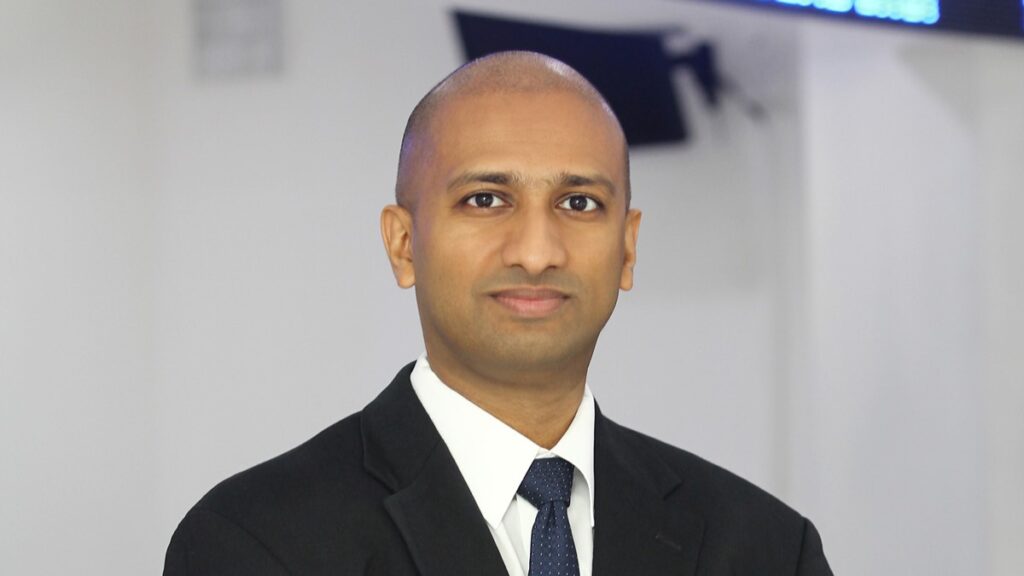
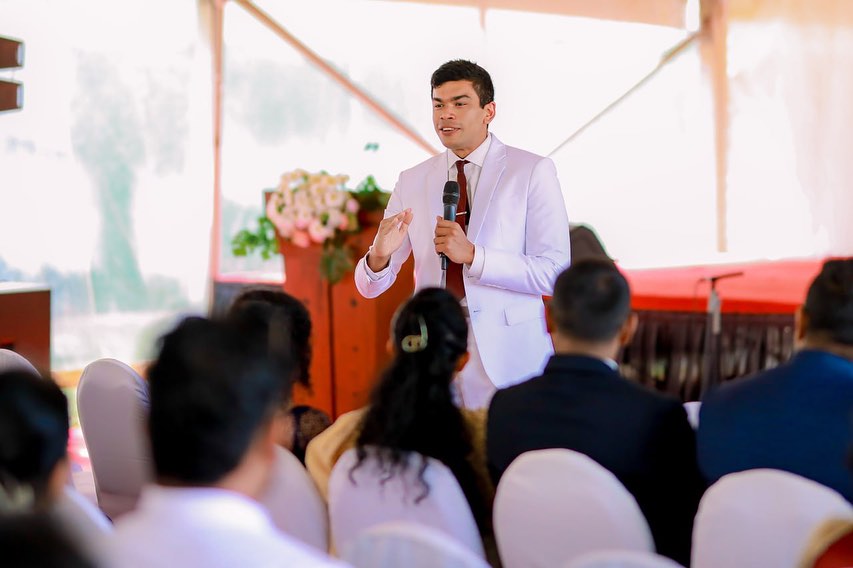
In the landscape of Sri Lankan entrepreneurship, few names resonate with the same combination of educational innovation and business acumen as Nikitha Grero. As the Group Director and Chief Visionary Officer of Lyceum International Schools, alongside his roles as founder of NCG Holdings and NCG Express, Grero represents a new generation of Sri Lankan business leaders who are reshaping industries while maintaining a steadfast commitment to national development. His journey exemplifies how strategic vision, educational excellence, and diversified entrepreneurship can create lasting impact across multiple sectors of the Sri Lankan economy.
The Educational Pioneer: Lyceum International Schools
Building a National Educational Network
At the core of Nikitha Grero’s entrepreneurial legacy lies Lyceum International Schools, a group of institutions that has become synonymous with quality English-medium education across Sri Lanka. Under his visionary leadership as Chief Visionary Officer and Group Director, Lyceum has expanded to seven branches strategically located in major urban centers throughout the island: Nugegoda, Wattala, Panadura, Ratnapura, Kurunegala, Anuradhapura, and Nuwara Eliya.
This geographical distribution is particularly significant for Sri Lankan education. By establishing schools in both metropolitan areas and provincial towns, Grero has democratized access to world-class education beyond the capital. The Nuwara Eliya campus, for instance, brings international-standard education to the central highlands, while the Anuradhapura branch serves the North Central Province—regions historically underserved by premium educational institutions.
Scale and Impact by the Numbers
The scale of Lyceum’s operations under Grero’s stewardship is remarkable. The group currently educates 17,955 students across its seven branches, employing 2,566 dedicated educators and support staff. These figures place Lyceum among Sri Lanka’s largest private school networks, rivaling many long-established institutions in terms of student population and institutional reach.
What distinguishes Lyceum under Grero’s leadership is not merely size, but educational outcomes. The schools have achieved examination results that bear comparison with the best international schools globally, with many graduates progressing to prestigious universities in Sri Lanka and abroad. This success reflects Grero’s commitment to maintaining rigorous academic standards while fostering holistic development.
Institutional Innovation and Centralization
As Chief Financial Officer of Lyceum Group, Grero introduced transformative management systems that modernized school operations across all branches. He established 34 centralized departments covering critical functions including Human Resources, Finance, Accounts, Registrations and Admissions, Operations, Event Management, and Logistics. This centralized approach ensures consistency in educational quality and administrative efficiency across geographically dispersed campuses—a significant achievement in managing a large educational network in Sri Lanka.
Educational Qualifications and Vision
Grero’s educational credentials provide important context for his institutional innovations. He holds a Master’s qualification in Education specializing in Leadership, Policy and Change from Monash University in Australia, complemented by a Bachelor’s degree in Commerce with a Double Major in Accounting and Management, also from Monash University (2008). This combination of business acumen and advanced educational leadership training has proven instrumental in his ability to bridge the gap between commercial efficiency and educational excellence.
His vision extends beyond conventional school management. Grero has demonstrated particular enthusiasm for school improvement initiatives, working tirelessly to enhance both student outcomes and staff development. His hands-on approach included serving as principal of five Lyceum branch schools, providing him with direct understanding of operational challenges and opportunities at the school level.
Diversified Entrepreneurship: NCG Holdings and Transportation
NCG Holdings: Automotive and Transportation Innovation
Beyond education, Nikitha Grero’s entrepreneurial portfolio reveals a sophisticated understanding of Sri Lanka’s infrastructure and transportation needs. As Founder and Director of NCG Holdings, established in 2011, Grero identified and capitalized on a significant market opportunity: the importation and distribution of quality buses to Sri Lankan customers.
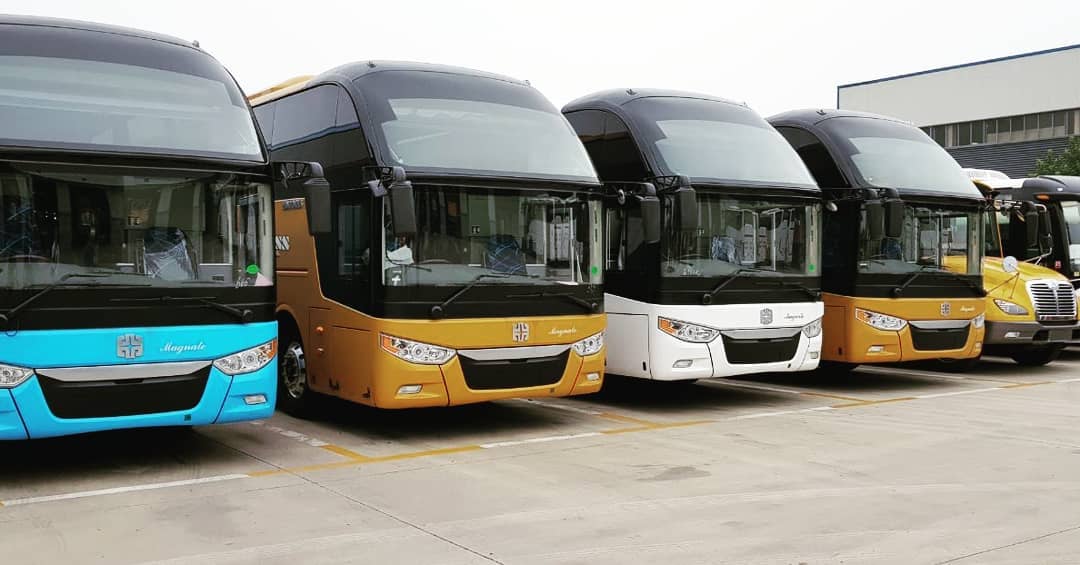
NCG Holdings operates as the sole dealer and official agent for Zhong Tong buses in Sri Lanka, a position that underscores Grero’s ability to secure exclusive partnerships with international manufacturers. The company provides comprehensive after-sales services and spare parts distribution, creating a complete ecosystem for bus operators and transportation companies across the country. This vertical integration—from import to service to parts supply—demonstrates sophisticated business strategy and understanding of Sri Lanka’s transportation sector.
NCG Express: Redefining Public Transportation
Building on his transportation expertise, Grero founded NCG Express (Pvt) Ltd in 2016, a leading public transportation service provider that operates a diverse fleet of vehicles. The company manages Super luxury, semi-luxury, and standard vehicles, primarily serving inter-provincial routes with select inter-city connections. This tiered approach to transportation services addresses different market segments and customer preferences across Sri Lanka’s diverse regions.
The establishment of NCG Express reflects Grero’s understanding of Sri Lanka’s evolving transportation landscape. As the country’s road infrastructure has improved and intercity travel has increased, quality transportation services have become increasingly valuable. By offering multiple service tiers, NCG Express captures market opportunities from premium business travelers to budget-conscious commuters, contributing to the modernization of Sri Lanka’s public transportation sector.
Leadership Philosophy and Impact on Sri Lankan Business
Combining Education and Enterprise
What distinguishes Nikitha Grero’s approach to entrepreneurship is the intentional integration of his educational mission with commercial ventures. Rather than viewing education and business as separate domains, he has created synergies between them. The discipline and management systems developed in educational institutions inform the operational excellence in his transportation and automotive businesses, while the entrepreneurial mindset drives innovation in educational delivery.
Contribution to Sri Lankan Development
Grero’s various enterprises collectively contribute to multiple dimensions of Sri Lankan development. Lyceum International Schools advance educational standards and create skilled human capital for the country’s future. NCG Holdings and NCG Express modernize transportation infrastructure and provide employment opportunities. His work exemplifies how individual entrepreneurial success can generate broader national benefits through job creation, service delivery, and institutional innovation.
The Future Vision: Building Leaders of Tomorrow
Central to Grero’s philosophy is the concept of “Building Leaders of Tomorrow,” a vision that extends beyond conventional educational outcomes. He recognizes that Sri Lanka’s future depends on developing not just academically accomplished students, but leaders equipped with entrepreneurial thinking, ethical values, and commitment to national progress.
This vision informs his commitment to carrying on the Lyceum legacy through continued emphasis on high-quality, inclusive English-medium education. By maintaining international standards while remaining accessible to Sri Lankan families, Lyceum under Grero’s direction represents education as a democratizing force—a pathway for talented individuals from diverse socioeconomic backgrounds to access world-class learning opportunities.
Conclusion: A Legend in the Making
Nikitha Grero’s trajectory from educated professional to multi-sector entrepreneur represents a distinctive model of Sri Lankan business leadership. His success in education, automotive distribution, and transportation services demonstrates that entrepreneurial excellence is not confined to single industries but emerges from coherent vision, strategic thinking, and commitment to quality across diverse ventures.
As Sri Lanka navigates economic challenges and seeks models for sustainable development, Grero’s approach—combining social impact through education with commercial success through diverse enterprises—offers valuable lessons. His work suggests that the most meaningful entrepreneurship in Sri Lanka’s context is that which simultaneously creates economic value and contributes to national capacity building.
Whether through the examination achievements of Lyceum students progressing to global universities, the modern buses serving Sri Lankan travelers, or the management systems improving institutional efficiency, Nikitha Grero is actively shaping Sri Lanka’s future. His legacy is still being written, but the foundations are unmistakably those of a leader committed to excellence, innovation, and the sustainable development of his nation.