Introduction: PickMe as Sri Lanka’s Tech Beacon
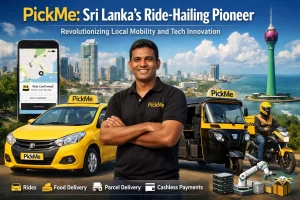
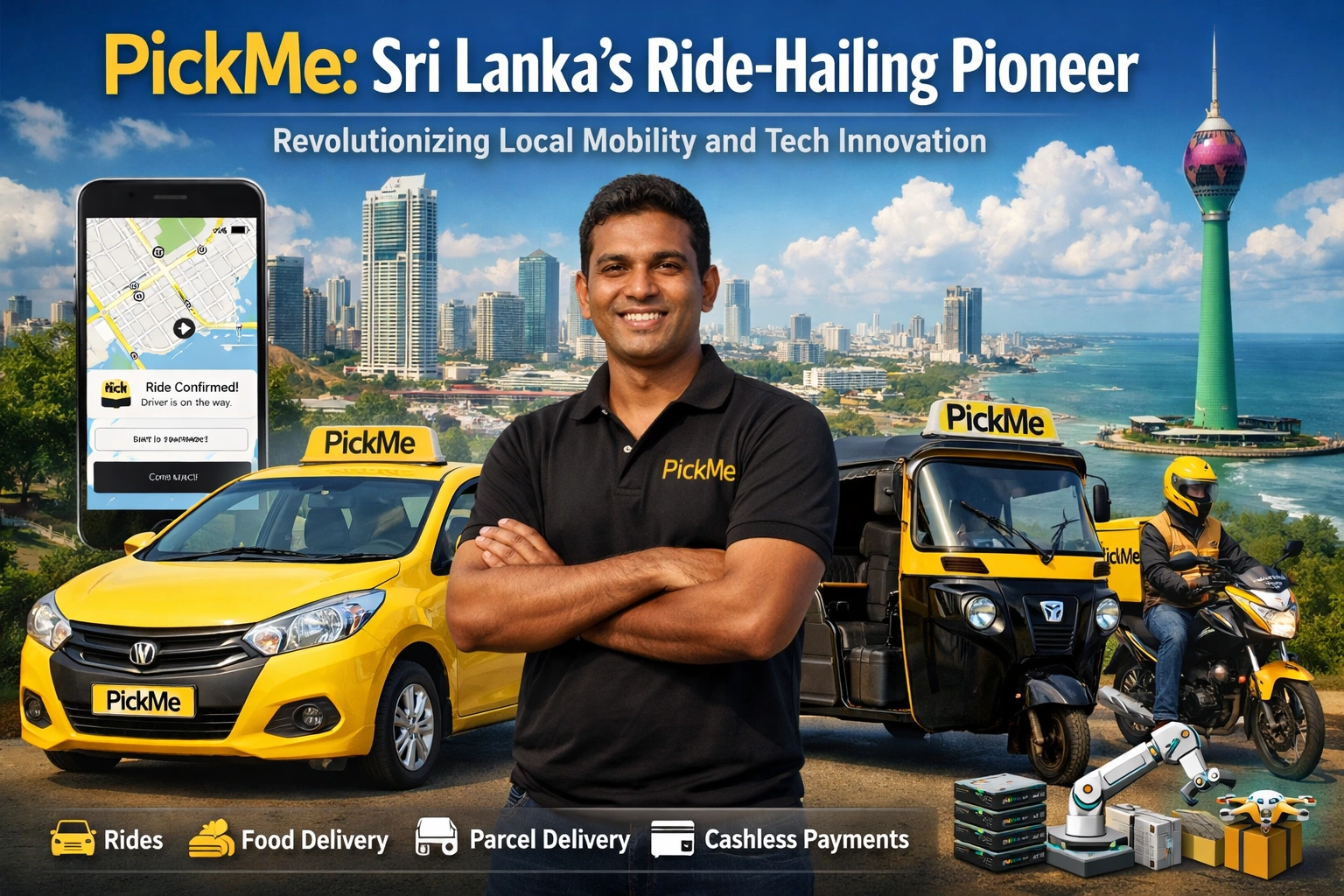
In the bustling streets of Colombo, where tuk-tuks weave through traffic and commuters juggle smartphones amid variable 4G signals, PickMe has emerged as a quintessential symbol of Sri Lankan IT ingenuity. Launched in 2015 by local entrepreneurs, this ride-hailing platform has transformed urban mobility, outpacing global giants like Uber by tailoring services to Sri Lanka’s unique needs—from three-wheeler dominance to cash-on-delivery preferences. As Sri Lanka’s digital landscape evolves in 2026, with over 72% of internet access via mobile devices[1][2], PickMe stands as a prime example of how homegrown tech can drive economic growth, foster innovation, and integrate seamlessly with local culture.
With 30.3 million cellular connections—130% of the population[2]—and a surge in broadband adoption, apps like PickMe are not just conveniences; they are lifelines for daily life, tourism, and entrepreneurship. This article delves into PickMe’s journey, its technological edge, cultural relevance, and future role in Sri Lanka’s digital economy push toward 2030[6].
The Genesis of PickMe: Born from Local Challenges
PickMe was founded by Jiffry Zulfer and his team at Hirdaramani Group, addressing Sri Lanka’s fragmented transport ecosystem. Unlike Western markets with abundant taxis, Sri Lanka relies heavily on three-wheelers (tuk-tuks), which number over 1 million nationwide. PickMe pioneered ride-hailing for these vehicles, launching with a simple app that connected riders and drivers in Colombo’s chaotic traffic.
By 2026, PickMe boasts millions of users and thousands of drivers, expanding to cities like Kandy, Galle, and emerging southern hubs such as Weligama and Mirissa—areas seeing tourism booms[4]. This growth mirrors Sri Lanka’s mobile-first reality: 65% Android users on budget phones, urban 4G at 15-25 Mbps, and rural speeds under 5 Mbps[1][2]. PickMe optimized its app for these conditions, ensuring thumb-friendly interfaces and quick loads even on spotty connections.
Key Milestones in PickMe’s Rise
- 2015: Launch as Sri Lanka’s first multi-modal ride-hailing app, including tuk-tuks, cars, and vans.
- 2018: Introduction of PickMe Food and PickMe Goods, tapping into e-commerce amid rising mobile purchases (85% start on phones)[1].
- 2020: Pivotal role during COVID-19 lockdowns, delivering essentials and contactless rides, boosting trust.
- 2023-2025: Expansion to intercity services and partnerships with tourism boards, aligning with southern belt growth[4].
- 2026: Integration of AI-driven features, vernacular support in Sinhala and Tamil, reflecting digital trends[3].
Technological Innovations Driving PickMe’s Success
PickMe exemplifies Sri Lankan IT prowess by building a robust tech stack suited to local constraints. Its mobile-first design—prioritizing speed and simplicity—aligns with 2026 trends where over 70% of web traffic is mobile[1]. The app uses progressive web app (PWA) elements for offline functionality, crucial in areas with high latency.
Core tech features include:
- GPS Optimization: Real-time tracking fine-tuned for Sri Lanka’s GPS-challenged urban canyons and rural roads.
- Payment Integration: Supports FriMi, PayHere, bank transfers, and cash-on-delivery—one-page checkouts reduce cart abandonment by minimizing friction[1].
- AI and Machine Learning: Dynamic pricing, demand prediction, and safety features like driver verification. In 2026, conversational AI chatbots handle Sinhala/Tamil queries, enhancing user experience[3].
- Safety Protocols: SOS buttons, ride-sharing for women, and integration with police apps, addressing cultural safety concerns.
These innovations have created thousands of jobs, empowering drivers in Colombo’s Pettah markets to Kandy’s hill country, while generating data for urban planning.
PickMe’s Impact on Sri Lanka’s Economy and Society
Beyond rides, PickMe fuels economic momentum. In a nation eyeing 3.7% GDP growth in 2026 driven by tourism and services[4], PickMe supports the sector by offering reliable transport to hotspots like Galle Fort and Mirissa beaches. Tourists, a key growth lever amid global disruptions[4], rely on it for seamless mobility.
Socially, it promotes inclusivity: Women drivers via PickMe Ladies, vernacular interfaces for rural Tamil/Sinhala speakers[3], and food delivery sustaining small eateries in Jaffna and Batticaloa. During economic crises, PickMe’s gig economy model provided flexible income, with remittances and low inflation bolstering recovery[4].
Statistics underscore its scale: Millions of rides annually, contributing to the 91.3% broadband mobile penetration[2]. By empowering local SMEs—think spice vendors using PickMe Goods— it aligns with the new Industrial Transformation and Innovation Authority (ITIA), fostering tech-driven industrial maturity[5].
Challenges and Adaptations in Sri Lanka’s Context
PickMe navigates hurdles like regulatory tussles with three-wheeler unions, fuel price volatility, and competition from Uber (which exited informally). It adapts via hyper-local strategies: Festival surges during Vesak or Thai Pongal, and rural expansions using vernacular content[3]. In 2026, with fixed internet speeds up 38%[2], PickMe eyes electric vehicle fleets to cut costs and align with green tourism.
Future Prospects: PickMe in Sri Lanka’s Digital 2030 Vision
As Sri Lanka builds toward a digital economy by 2030[6], PickMe is poised for expansion. Plans include drone deliveries in traffic-heavy Colombo, 5G integrations for faster broadband (up 12% in mobile internet users[2]), and AI-assisted creator tools for marketing[3]. Partnerships with ITIA could amplify its role in innovation[5].
For Sri Lankan readers—from tech enthusiasts in Cinnamon Gardens to entrepreneurs in Matara—PickMe proves local ingenuity trumps imports. It embodies mobile-first survival, cultural relevance, and scalable tech, inspiring the next wave of startups.
Conclusion: Lessons from PickMe for Aspiring Innovators
PickMe’s story is Sri Lanka’s tech triumph: From a Colombo garage to a national staple, it leverages local pain points into global-caliber solutions. As digital adoption surges—with 11.4% internet growth[2]—PickMe urges businesses to prioritize thumb-friendly designs, multilingual AI, and community trust[1][3]. In 2026, it remains a blueprint for IT-driven prosperity.