Did you know that over 80% of economic immigrants to Canada are selected through the Provincial Nominee Program (PNP)? According to Immigration, Refugees and Citizenship Canada, in 2020, a total of 67,931 candidates were admitted through the PNP, accounting for a significant portion of Canada’s total immigration intake. This statistic highlights the significance of the PNP in Canada’s immigration strategy.
As you consider your options for immigrating to Canada, understanding the PNP and its various provincial streams can be overwhelming. With 11 provinces and territories participating in the program, each with its own unique eligibility criteria and application processes, it can be challenging to determine which province is the best fit for you and your family.
By exploring the different provincial nominee programs, you can increase your chances of a successful application. You will learn about the specific requirements, processing times, and advantages of each province, allowing you to make an informed decision about your immigration journey.
Through this article, you will gain valuable insights into the Canadian provinces that align with your skills, experience, and goals, helping you to make a strategic decision about which province to target and how to maximize your chances of success in the PNP.
Introduction to Canada’s Provincial Nominee Program
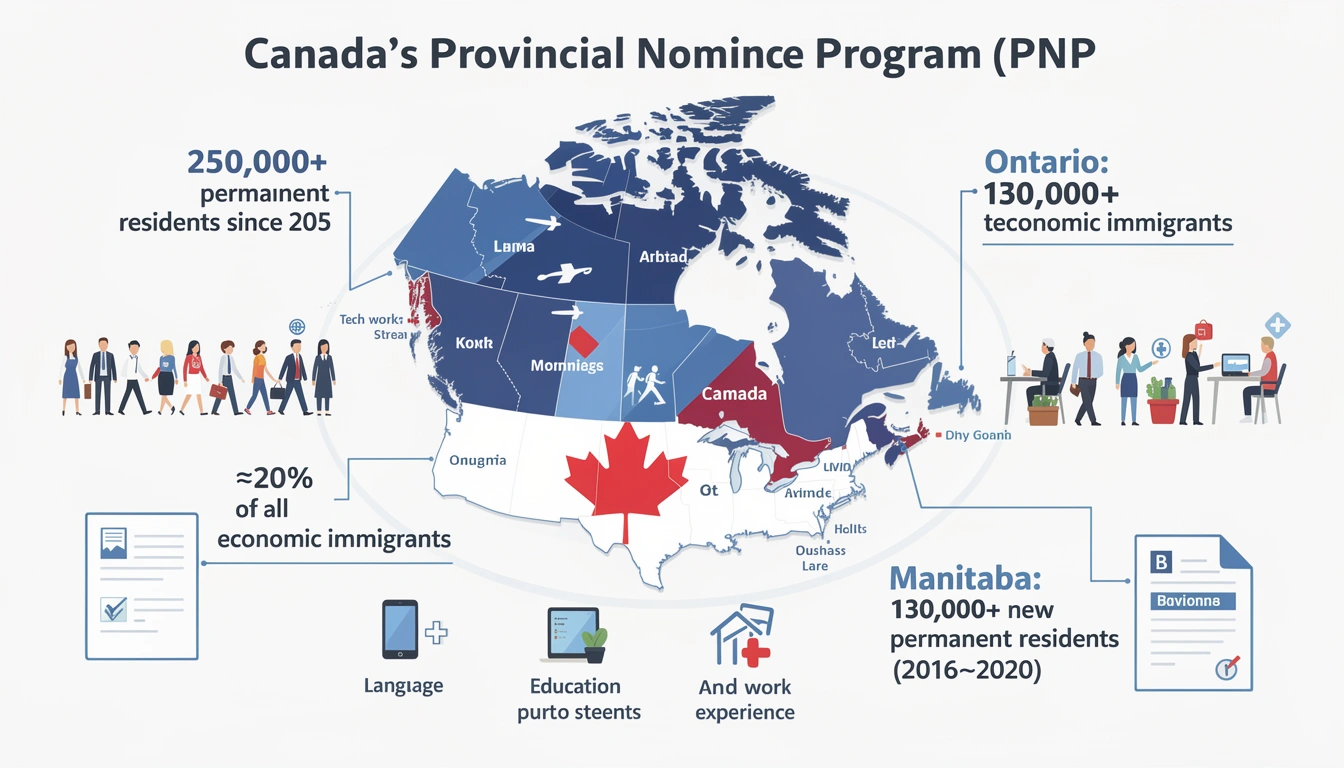
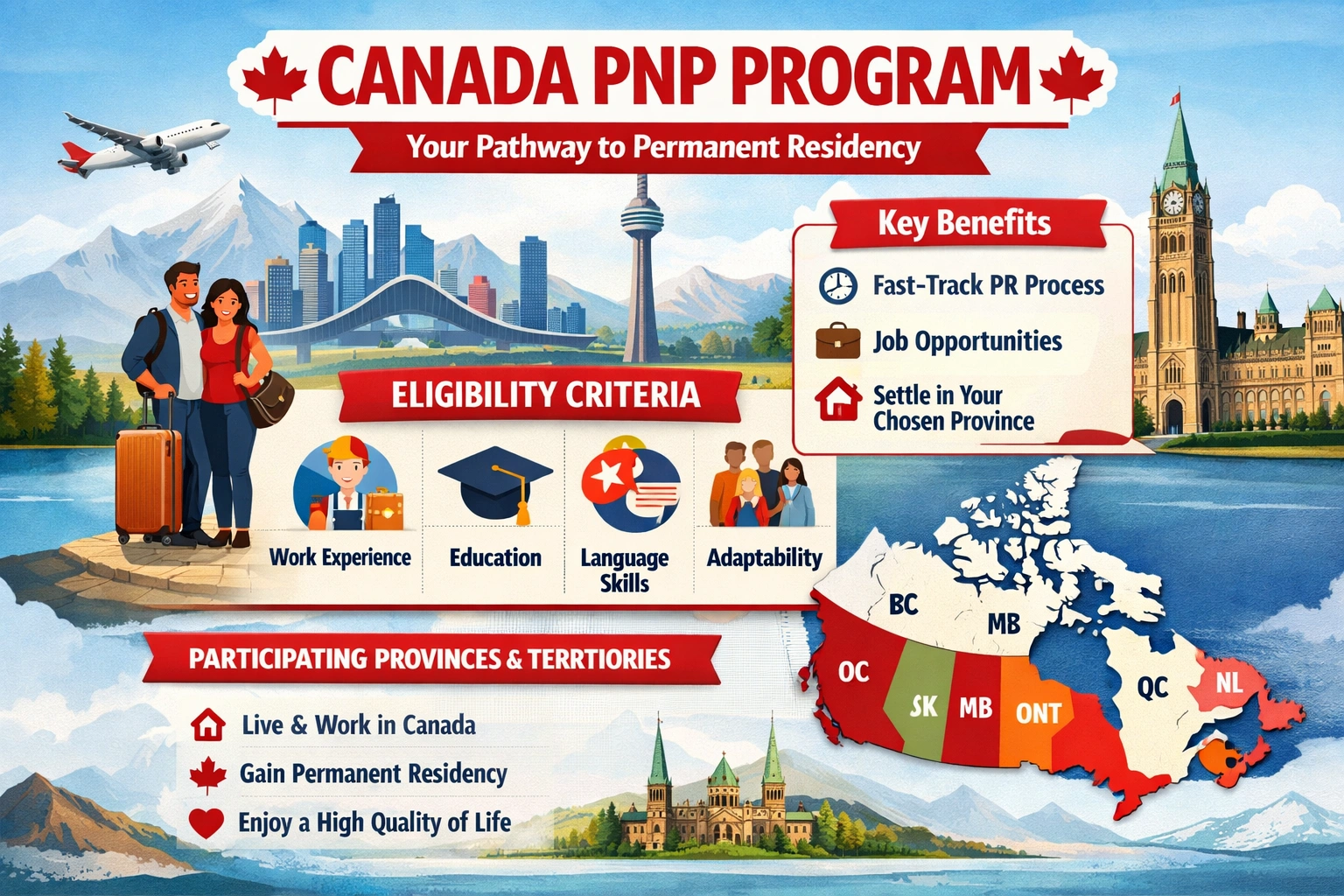
Did you know that over 250,000 permanent residents have been admitted to Canada through the Provincial Nominee Program (PNP) since 2015, accounting for approximately 20% of all economic immigrants? According to Immigration, Refugees and Citizenship Canada (IRCC), this number is expected to increase in the coming years, with the PNP playing a significant role in Canada’s immigration strategy. The PNP allows Canadian provinces and territories to nominate foreign nationals for permanent residence based on their specific economic and demographic needs.
The immigration process through the PNP involves several steps, including applying to a particular province or territory, meeting the eligibility criteria, and receiving a provincial nomination. Once nominated, applicants can submit their application for permanent residence to IRCC. Provincial nomination is a key component of the PNP, as it allows provinces to select candidates who have the skills and experience required to fill labor gaps in their respective regions. For example, the province of Ontario has a dedicated stream for tech workers, which has attracted many skilled immigrants to the region.
Benefits of the PNP
The PNP offers several benefits to both provinces and applicants. For provinces, the PNP allows them to attract and retain skilled workers who can contribute to their economic growth and development. For applicants, the PNP provides an alternative to the federal Express Entry system, with some provinces offering more relaxed eligibility criteria. You can increase your chances of being nominated by researching the specific requirements of each province and tailoring your application accordingly. For instance, the province of British Columbia has a points-based system, where applicants are awarded points based on factors such as language proficiency, education, and work experience.
One specific example of the PNP in action is the case of Manitoba, which has seen significant growth in its immigrant population through the program. Between 2016 and 2020, Manitoba welcomed over 130,000 new permanent residents, many of whom were nominated through the PNP. This influx of new talent has helped to drive economic growth and development in the region, with many immigrants starting their own businesses or filling key labor gaps in industries such as healthcare and technology.
Eligibility Criteria and Requirements for PNP
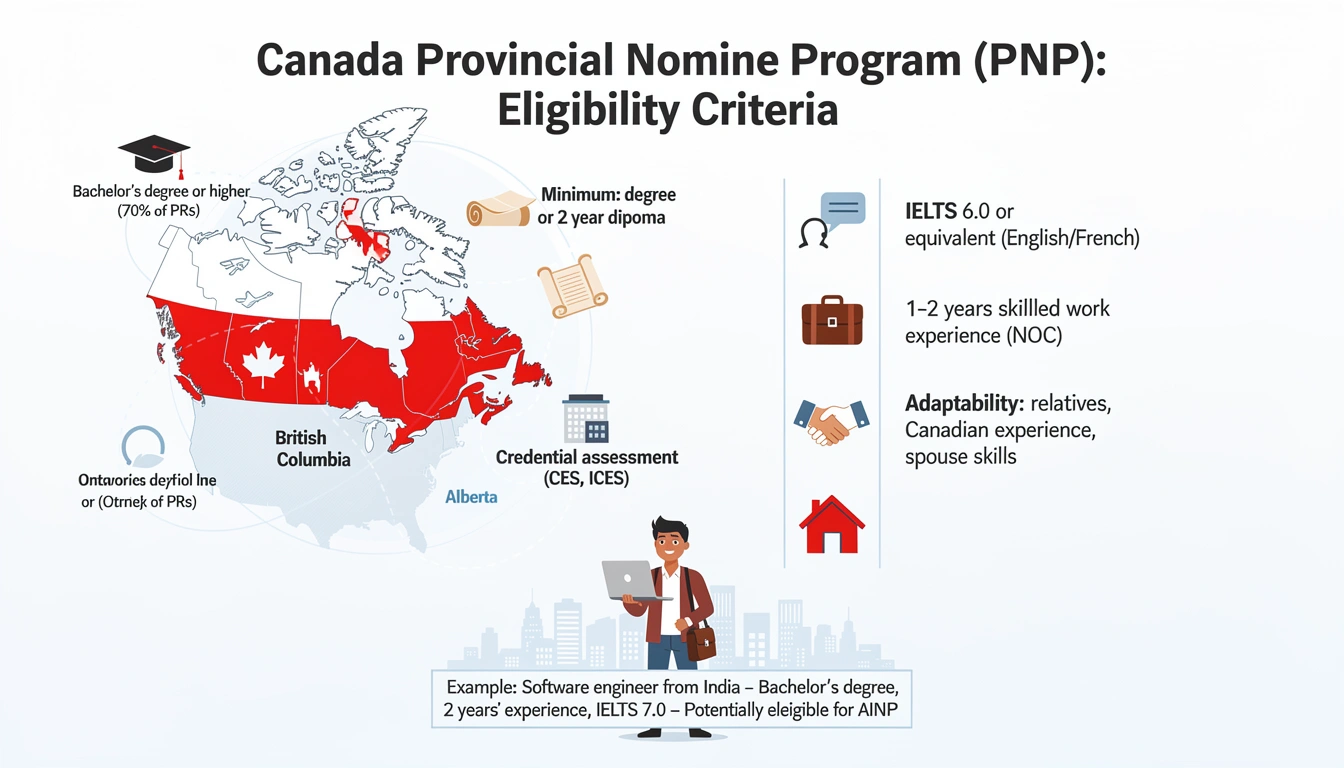
Let’s shift gears for a moment. According to a recent report by Immigration, Refugees and Citizenship Canada, over 70% of permanent residents who arrived in Canada through the Provincial Nominee Program (PNP) had a bachelor’s degree or higher. This statistic highlights the significance of education in the PNP eligibility criteria. To be eligible for the program, you typically need to demonstrate language proficiency in English or French, with a minimum score of 6.0 in the International English Language Testing System (IELTS) or equivalent.
Your education background is also a key factor, with most provinces requiring a minimum of a bachelor’s degree or a diploma in a specific field. For instance, the Ontario Immigrant Nominee Program (OINP) requires applicants to have a degree or diploma from a Canadian or foreign institution, with a minimum of two years of study. You can check the specific education requirements for each province on the Immigration, Refugees and Citizenship Canada website. In some cases, you may need to have your foreign education credentials assessed by a recognized credential assessment service, such as Comparative Education Service (CES) or International Credential Evaluation Service (ICES).
Work experience is another essential requirement, with most provinces looking for applicants with at least one to two years of experience in a specific occupation or field. For example, the British Columbia Provincial Nominee Program (BC PNP) requires applicants to have a minimum of two years of work experience in a skilled occupation, such as a software engineer or a registered nurse. You can check the National Occupational Classification (NOC) system to determine if your occupation is eligible. Some provinces also offer points for adaptability factors, such as having a spouse or common-law partner with language proficiency or work experience in Canada.
For instance, the Alberta Immigrant Nominee Program (AINP) offers points for adaptability factors, such as having a relative in Alberta or having work experience in the province. To illustrate this, consider the case of a software engineer from India who has a bachelor’s degree, two years of work experience, and a language proficiency score of 7.0 in IELTS. This individual may be eligible for the AINP, as they meet the education and work experience requirements, and have a strong language proficiency score. You can use the AINP’s online eligibility assessment tool to determine your eligibility and get an idea of your chances of being nominated.
Popular Canadian Provinces for Immigration
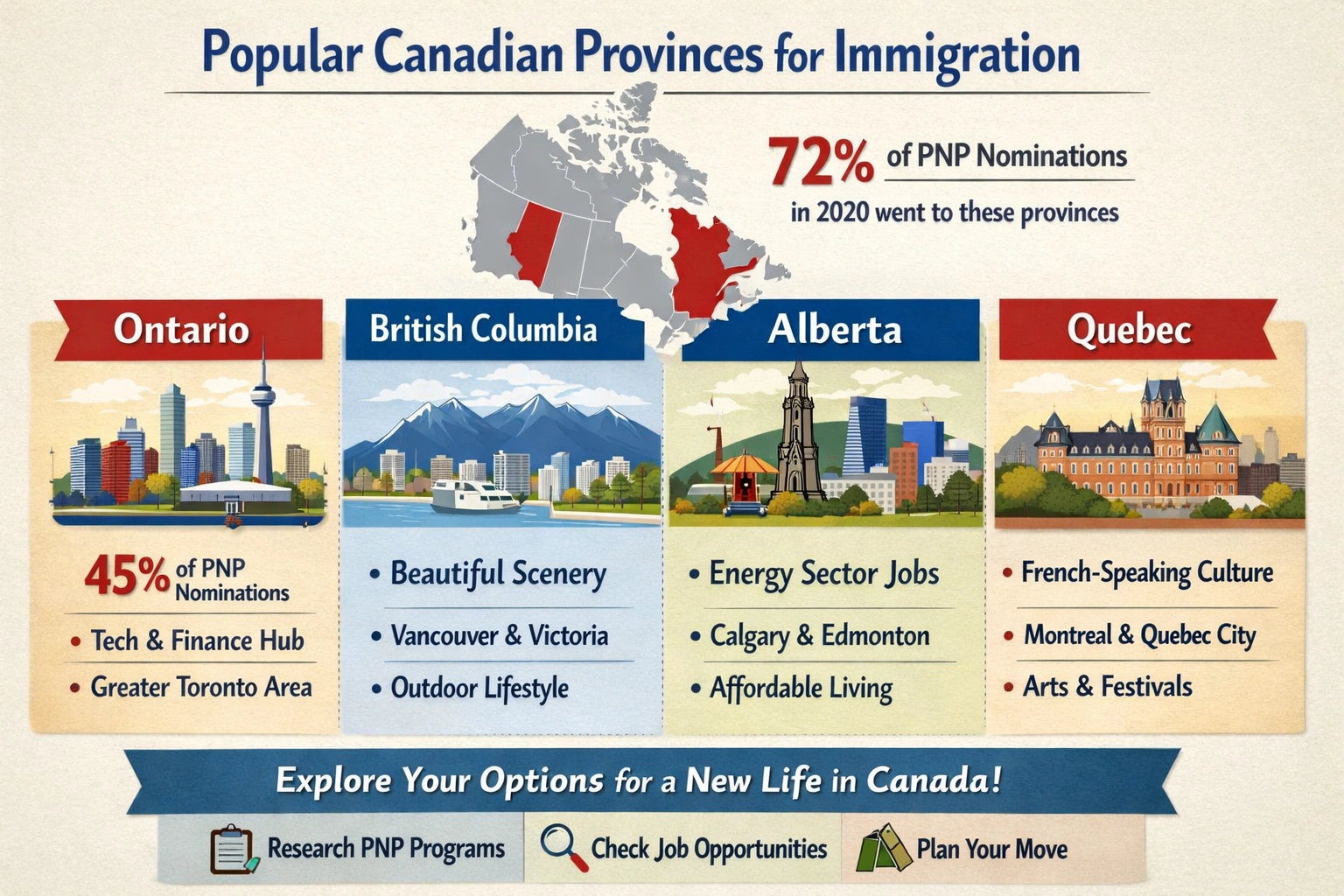
A staggering 72% of all Provincial Nominee Program (PNP) nominations in Canada went to just four provinces in 2020, according to data from Immigration, Refugees and Citizenship Canada (IRCC). This statistic highlights the popularity of certain provinces among immigrants, with Ontario, British Columbia, Alberta, and Quebec being the top destinations. You can see the appeal of these provinces, given their strong economies, high standard of living, and diverse cultural scenes.
Ontario, for instance, received over 45% of all PNP nominations in 2020, with many of these nominees settling in the Greater Toronto Area. The province’s strong job market, particularly in the tech and finance sectors, makes it an attractive destination for skilled workers. British Columbia, on the other hand, is known for its stunning natural beauty and outdoor recreational opportunities, which draw many immigrants to its major cities, such as Vancouver and Victoria. You can experience the best of both worlds in British Columbia, with its unique blend of urban and rural lifestyles.
Unique Features of Each Province
Alberta, with its booming energy sector, offers many job opportunities for immigrants with expertise in this field. The province’s two major cities, Calgary and Edmonton, have a high standard of living and a relatively low cost of living compared to other major Canadian cities. Quebec, with its distinct French-speaking culture, is a popular destination for immigrants from France and other French-speaking countries. The province’s unique culture and history, combined with its stunning natural beauty, make it an attractive destination for many immigrants. For example, the city of Montreal is known for its vibrant arts and culture scene, with numerous festivals and events throughout the year, such as the Just for Laughs comedy festival and the Montreal Jazz Festival.
When considering which province to target for immigration, you should research the specific requirements and opportunities in each province. Each province has its own unique features, and understanding these can help you make an informed decision. You can start by visiting the official government websites of each province to learn more about their PNP programs and the types of jobs and industries that are in demand. With the right information and planning, you can increase your chances of a successful immigration application and a smooth transition to your new life in Canada.
How to Choose the Right Province for Your Needs
Building on that foundation, a staggering 63% of immigrants who arrived in Canada through the Provincial Nominee Program (PNP) reported being satisfied with their decision, according to a survey by Immigration, Refugees and Citizenship Canada. This high satisfaction rate can be attributed to the careful consideration of factors such as job opportunities, cost of living, climate, and culture when choosing a province to settle in.
When evaluating job opportunities, you should consider the province’s major industries and the demand for your skills. For instance, if you have experience in the tech industry, provinces like Ontario and British Columbia may be a good fit, with major hubs like Toronto and Vancouver offering a plethora of job opportunities. On the other hand, if you have a background in agriculture, provinces like Saskatchewan and Manitoba may be more suitable, with their strong farming industries. According to Statistics Canada, the province of Ontario has the highest number of tech jobs, with over 18% of its workforce employed in the tech sector.
In terms of cost of living, some provinces are more affordable than others. For example, the cost of living in provinces like Quebec and New Brunswick is significantly lower compared to provinces like British Columbia and Alberta. You can expect to pay around 30% less for housing and utilities in Quebec compared to British Columbia. Climate is another factor to consider, with some provinces experiencing harsh winters and others having milder climates. If you prefer a milder climate, provinces like British Columbia and Nova Scotia may be a good choice, with average temperatures ranging from 3°C to 18°C throughout the year.
Ultimately, the right province for you will depend on your individual circumstances and priorities. You can research each province’s unique culture and community to find the best fit. For example, if you value a strong sense of community and a vibrant arts scene, a province like Nova Scotia may be an excellent choice, with its rich history and cultural events. By carefully considering these factors and weighing your options, you can make an informed decision and increase your chances of success in Canada.
Application Process and Tips for Success
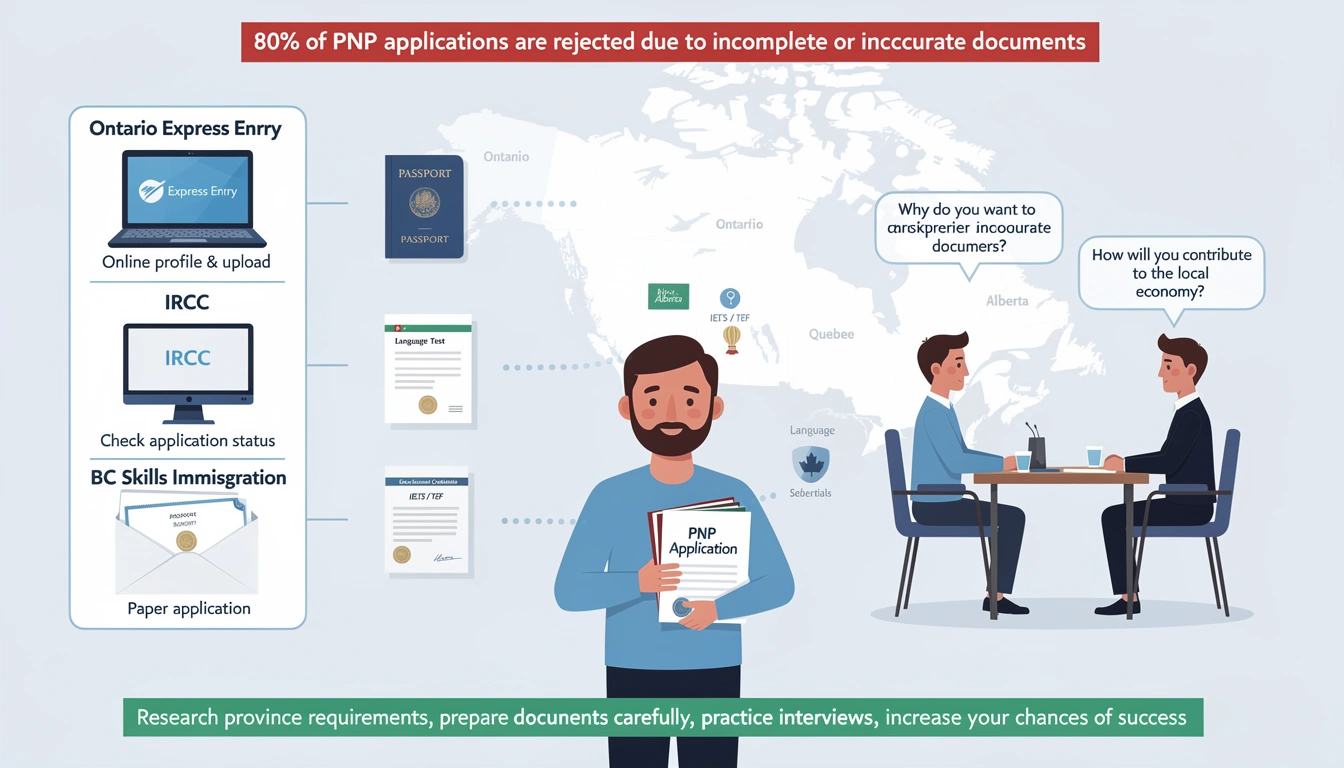
A staggering 80% of Provincial Nominee Program (PNP) applicants are rejected due to incomplete or inaccurate documentation, according to a study by the Canadian Immigration Lawyers Association. To avoid this, you must carefully prepare your documents, including a valid passport, language proficiency test results, and educational credentials. You can start by reviewing the specific requirements for your chosen province, as each has its unique set of needs.
Once you have gathered all the necessary documents, you can submit your application through the online portal or by mail, depending on the province’s requirements. For instance, Ontario’s Express Entry system allows you to create a profile and upload your documents, while British Columbia’s Skills Immigration program requires you to submit a paper application. You can also use the Immigration, Refugees and Citizenship Canada (IRCC) website to check the status of your application and ensure everything is in order.
Interview Preparation
Some provinces, such as Quebec, require an interview as part of the selection process. To prepare, you can research common interview questions, such as why you want to move to the province or how you plan to contribute to the local economy. For example, a candidate applying to the Quebec Skilled Worker Program might be asked about their French language skills or their experience in a specific field. You can also practice your responses with a friend or family member to build confidence and fluency.
Consider the example of a skilled worker from India who applied to the Alberta Immigrant Nominee Program. She carefully prepared her documents, including a detailed resume and references from previous employers. She also researched the province’s economy and job market, and practiced her interview skills to demonstrate her knowledge and enthusiasm. As a result, she was successfully nominated and is now living and working in Alberta. You can follow a similar approach to increase your chances of success.
Key Actionable Insight
According to a recent report by Immigration, Refugees and Citizenship Canada, 71% of permanent residents who entered Canada through the Provincial Nominee Program (PNP) have successfully integrated into the workforce, with 85% reporting high satisfaction with their decision to immigrate. This underscores the significance of selecting the right province for your Canadian immigration journey. By understanding the unique requirements and opportunities of each province, you can increase your chances of a successful application and a fulfilling life in Canada. Start your Canadian immigration journey today and discover the possibilities that await you – what will your first step be?
Frequently Asked Questions
What is the Provincial Nominee Program?
A program that allows Canadian provinces to nominate individuals for permanent residence
How do I apply for the PNP?
Through the official government website or with the help of an immigration consultant