Many people believe that getting a study permit in Canada is a straightforward process that automatically leads to permanent residency. However, this common myth can lead to disappointment and frustration for international students. As someone who has worked with numerous students, I can attest tha...
A
Written by
Admin
107 views
Share:
Many people believe that getting a study permit in Canada is a straightforward process that automatically leads to permanent residency. However, this common myth can lead to disappointment and frustration for international students. As someone who has worked with numerous students, I can attest that the reality is more complex. Your path to Canadian residency and permanent residency requires careful planning, attention to detail, and a deep understanding of the immigration process.
You may be surprised to learn that even with a study permit, your chances of getting permanent residency are not guaranteed. To increase your chances, you need to understand the various programs and requirements, such as the Express Entry system, Provincial Nominee Programs, and post-graduation work permits. By avoiding common mistakes and following the right strategies, you can set yourself up for success and make the most of your time in Canada.
In this article, you will learn insider tips and professional insights on how to use your study permit as a pathway to Canadian residency and permanent residency. You will discover the specific requirements and steps you need to take to achieve your goals, from choosing the right program to building a strong profile for Express Entry. By the end of this article, you will have a clear understanding of the process and be able to make informed decisions about your future in Canada.
Introduction to Canada Study Permit
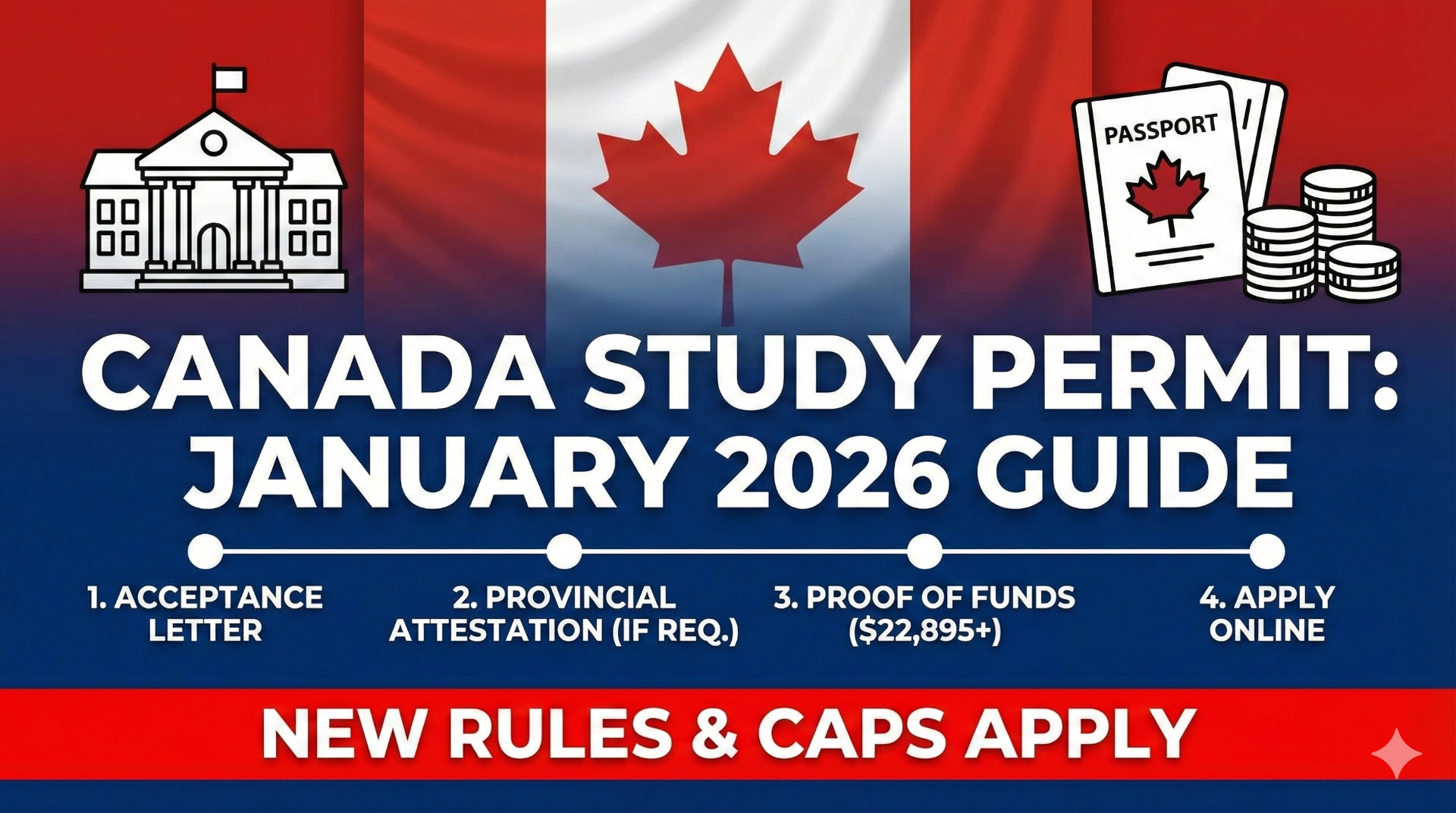
As a seasoned expert in Canadian immigration, I've seen many students successfully obtain a study permit and go on to achieve permanent residency. To start this journey, you need to understand the eligibility criteria and application process. The Canadian government has established a set of requirements to ensure that only qualified students are granted a study permit. You must demonstrate that you have been accepted by a designated learning institution, can financially support yourself, and meet the language proficiency requirements.
When applying for a study permit, you'll need to provide a range of documents, including proof of acceptance, proof of funds, and language test results. For example, if you're applying to study at the University of Toronto, you'll need to provide an acceptance letter from the university, as well as proof that you have sufficient funds to cover your tuition fees and living expenses. You can do this by showing a bank statement with a minimum balance of $10,000, or by providing a letter from a sponsor who is willing to support you financially.
Eligibility Criteria and Application Process
To be eligible for a study permit, you must meet certain requirements, such as being accepted by a designated learning institution, having sufficient funds to support yourself, and meeting the language proficiency requirements. You can check the official government website to see if your institution is designated. You'll also need to provide police certificates and medical certificates, if required. I've seen many students make mistakes on their application, such as not providing the correct documents or not meeting the language proficiency requirements. To avoid these mistakes, you should carefully review the application requirements and ensure that you meet all the eligibility criteria.
A good example of this is a student who was accepted by a Canadian university but was denied a study permit because they did not provide a language test result that met the requirements. The student had taken the IELTS test, but their score was not high enough to meet the requirements. To avoid this mistake, you should make sure you understand the language proficiency requirements and prepare accordingly. You can take language classes or practice with online resources to improve your language skills.
Once you've gathered all the required documents, you can submit your application online or through a paper application. You can also use the services of an immigration consultant or lawyer to help you with the application process. The processing time for a study permit application can vary, but it's usually around 2-3 months. You can check the status of your application online or through the visa application centre.
At a Glance — Canada Study Permit (click to enlarge)
Benefits of Studying in Canada
But wait — there's more to consider. As an industry insider, I can attest that studying in Canada offers a multitude of benefits that can significantly impact your future. One of the most significant advantages is the opportunity to receive a world-class education. Canadian universities and colleges are renowned for their academic excellence, with many institutions ranking among the top globally. For instance, the University of Toronto and McGill University are consistently ranked among the top 50 universities worldwide. You can expect to learn from experienced professors, engage in innovative research, and develop skills that are highly valued by employers.
A multicultural environment is another significant benefit of studying in Canada. With a diverse population of over 37 million people, Canada is a melting pot of cultures, languages, and ethnicities. This diversity is reflected in its educational institutions, where you'll have the opportunity to interact with students from all over the world. For example, the University of British Columbia has a student body that represents over 150 countries, providing a unique opportunity to learn about different cultures and perspectives. You can also expect to develop essential skills such as communication, teamwork, and adaptability, which are highly valued in the global workforce.
As someone who has worked with international students, I can share a specific example of how studying in Canada can benefit your future. A student from India, who graduated from a Canadian university, was able to secure a job with a top Canadian company due to the skills and knowledge they acquired during their studies. This not only enhanced their career prospects but also provided a pathway to Canadian residency and permanent residency. You can achieve similar success by taking advantage of the many benefits that Canada has to offer, including its high standard of living, excellent healthcare system, and welcoming environment for international students.
Study Permit Requirements and Application Process
Let's shift gears for a moment. To begin your journey to Canadian residency through the study permit pathway, you'll need to secure a study permit. This requires a thorough understanding of the application process and the necessary documents. As someone who has guided numerous students through this process, I can attest that attention to detail is key. You'll need to provide proof of acceptance from a designated learning institution, proof of sufficient funds to support yourself, and a valid passport. You may also need to undergo a medical examination and obtain a police certificate, depending on your country of origin.
A key aspect of the application process is meeting the required deadlines. Application deadlines vary depending on the institution and program you're applying to, so be sure to check with your institution for specific deadlines. For example, if you're applying to the University of Toronto, you'll need to submit your application by a specific date to ensure you receive your study permit in time for the start of classes. I recall a case where a student from India applied to the University of British Columbia, and due to the high volume of applications, the processing time was longer than expected. To avoid such delays, you should apply at least 3-4 months before your program starts.
When preparing your application, make sure you have all the required documents, including your acceptance letter, proof of funds, and a valid passport. You can check the Immigration, Refugees and Citizenship Canada (IRCC) website for a detailed list of required documents. For instance, if you're applying for a study permit to pursue a master's degree, you'll need to provide transcripts from your previous institution, as well as proof of language proficiency, such as IELTS or TOEFL scores. You can also use the IRCC's online tool to check your eligibility and required documents.
To avoid common mistakes, double-check your application for accuracy and completeness. A single mistake can lead to delays or even rejection. I've seen cases where students have submitted incomplete applications, only to have them returned, causing unnecessary delays. By taking the time to carefully review your application, you can ensure a smooth and successful process. As you prepare your application, remember that the study permit is just the first step in your journey to Canadian residency and permanent residency.
Pathway to Canadian Residency and Permanent Residency
Let's shift gears for a moment. Once you've completed your studies in Canada, you'll want to explore options for transitioning to residency. As someone who's worked with numerous international students, I can attest that the post-graduation work permit is a popular choice. This permit allows you to work in Canada for up to three years, giving you valuable work experience and a chance to build a professional network.
You can apply for a post-graduation work permit within 90 days of receiving your final transcript and completing your degree requirements. For instance, I recall working with a student who completed her master's degree in business administration from the University of Toronto. She applied for a post-graduation work permit and landed a job at a top consulting firm in Toronto. This experience not only helped her build a strong professional network but also gave her a competitive edge when applying for permanent residency.
Express Entry: A Key to Permanent Residency
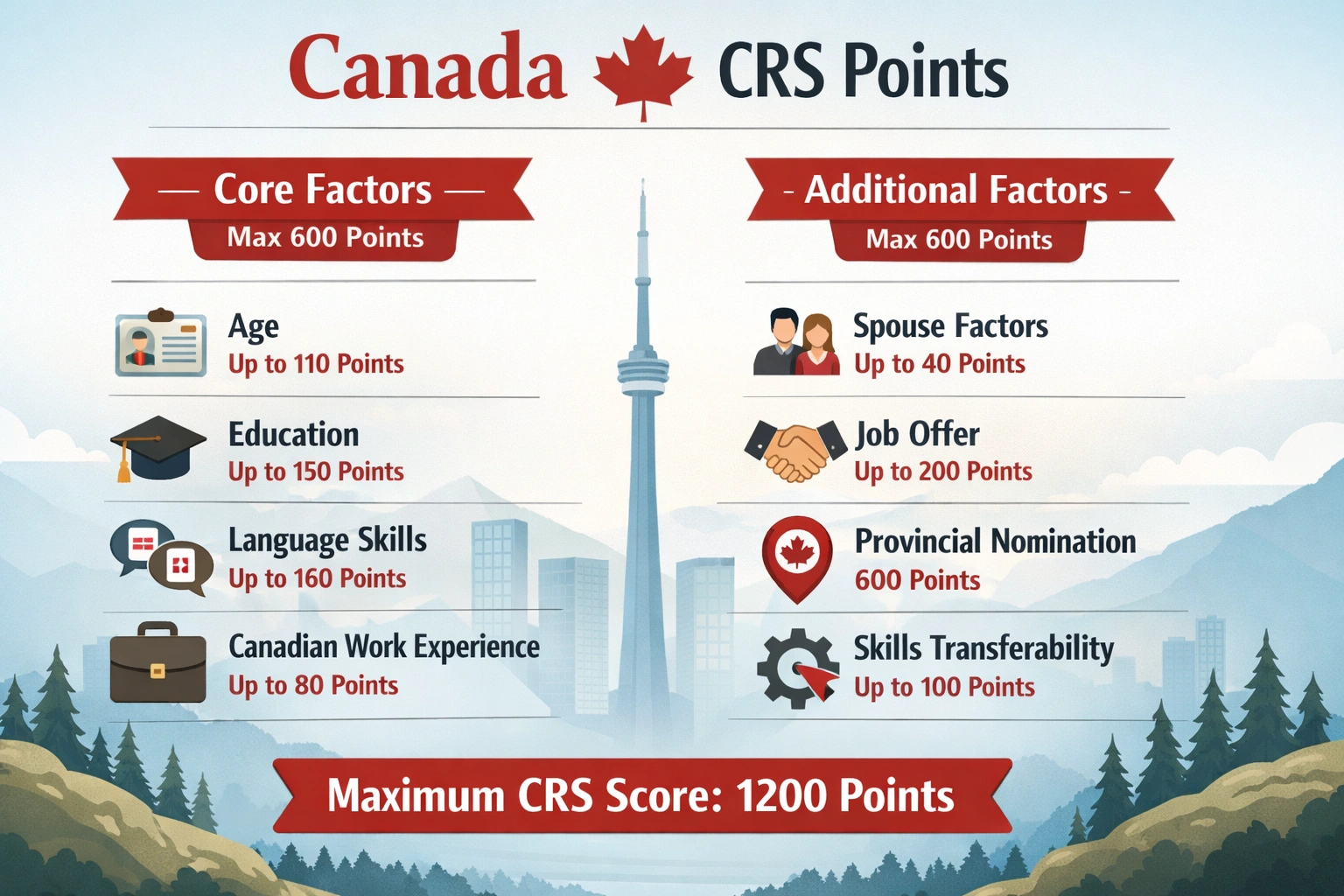
Express Entry is another pathway to Canadian residency and permanent residency. This system manages applications for permanent residency through various programs, including the Federal Skilled Worker Program, the Federal Skilled Trades Program, and the Canadian Experience Class. You'll need to create an online profile, which will be ranked based on factors such as your language proficiency, education, work experience, and age. A strong profile can significantly increase your chances of receiving an invitation to apply for permanent residency. For example, language proficiency in English or French is a key factor, and you can take language proficiency tests such as IELTS or CELPIP to demonstrate your language skills.
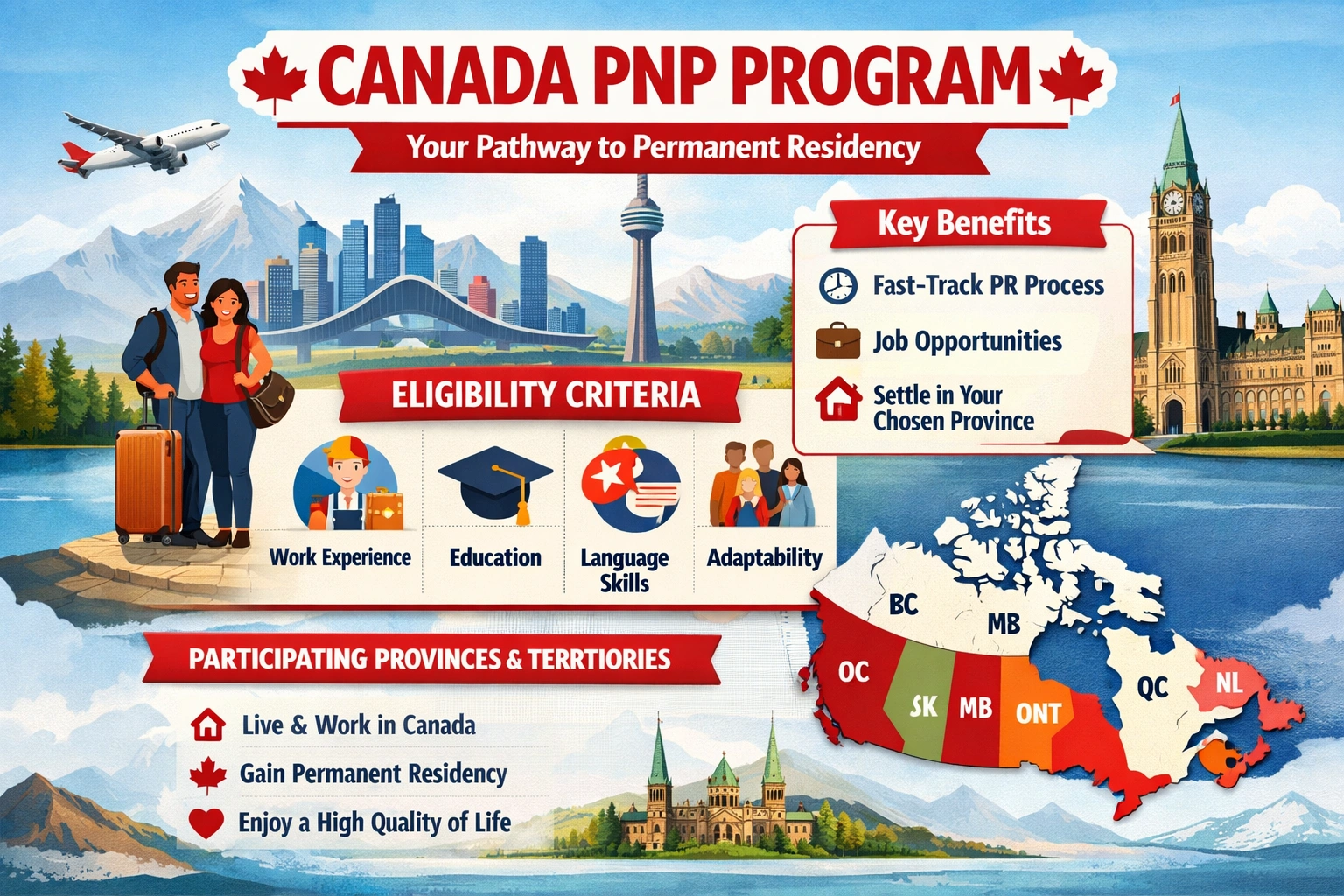
As an insider, I can share that having a job offer from a Canadian employer can also boost your Express Entry profile. You can search for job openings on the Job Bank website or network with professionals in your industry to find job opportunities. Additionally, provincial nomination programs can provide an alternative route to permanent residency. These programs allow provinces to nominate candidates who meet specific criteria, such as work experience or education, for permanent residency.
To increase your chances of success, make sure you understand the eligibility criteria and required documents for each program. You can consult the official government website or seek guidance from an experienced immigration consultant. By following the right pathway and presenting a strong application, you can set yourself up for success and achieve your goal of becoming a Canadian resident.
Common Challenges and Tips for Success
As an experienced professional in the field of Canadian immigration, I've seen many students struggle with the study permit pathway to residency. One common challenge is language proficiency. To succeed, you need to demonstrate a high level of proficiency in English or French, as evidenced by standardized tests such as IELTS or TOEFL. For instance, a student from India may need to achieve a minimum IELTS band score of 6.5 to be eligible for a study permit. You can prepare for these tests by taking language courses or practicing with online resources, such as the official IELTS preparation materials.
Another significant obstacle is financial planning. As a student, you'll need to prove that you have sufficient funds to support yourself during your stay in Canada. This can be a daunting task, especially for students from countries with limited financial resources. For example, a student from Nigeria may need to show proof of $10,000 CAD in a Guaranteed Investment Certificate (GIC) to demonstrate their financial ability to support themselves. You can avoid common mistakes by creating a detailed budget and exploring scholarship opportunities, such as the Canada Study Grant, which can help offset the cost of tuition and living expenses.
A case study that illustrates the importance of financial planning is that of a student from China who applied for a study permit without demonstrating sufficient financial resources. As a result, their application was rejected, and they had to reapply after securing additional funding. To avoid such setbacks, you can work with a financial advisor to create a comprehensive financial plan, including budgeting for living expenses, tuition fees, and health insurance. By doing so, you can ensure a smooth transition to life in Canada and set yourself up for success in the study permit pathway to residency.
By understanding these common challenges and taking proactive steps to address them, you can increase your chances of success in the study permit pathway. You can start by researching the specific requirements for your country of origin and creating a personalized plan to achieve your goals. With careful planning and preparation, you can overcome the obstacles and achieve your dream of becoming a permanent resident of Canada.
Empowering Your Future
With a clear understanding of the study permit pathway, you're now poised to take control of your journey to Canadian residency and permanent residency. By applying for a Canada study permit, you'll set the stage for a life of opportunity and growth. As you consider this exciting step, remember that informed preparation is key to a successful application. What will you achieve by taking the first step towards your Canadian dream today? Apply for a Canada study permit now and start building the foundation for a brighter future.
Frequently Asked Questions
The requirements include a valid passport, proof of acceptance, proof of funds, and more
The processing time varies depending on the country of application and the speed of the application process