

The Great Debate: Why Sri Lankan Doctors Look to the UK
A Tale of Two Payslips: Salary vs. Expenses
The decision for a Sri Lankan doctor to move to the UK often boils down to a complex financial equation that goes far beyond the headline salary. While life in Sri Lanka offers a lower cost of living and the comfort of home, the economic pull of the NHS is powerful, driven by the sheer strength of the pound sterling.
In Sri Lanka, a government doctor might earn a respectable local salary, perhaps between LKR 200,000 and 300,000 monthly. After taxes and living expenses, which are significantly lower than in the West, they can maintain a comfortable lifestyle. However, building substantial long-term savings or supporting extended family can be challenging.
Contrast this with a junior doctor in the UK, earning an annual salary of £35,000 to £50,000. At first glance, this is a fortune. But the reality is starkly different. UK income tax and National Insurance can claim over 25% of this amount. Add to that the high cost of rent, council tax, transport, and utilities, and the disposable income shrinks dramatically. A doctor might be left with £800 – £1,200 per month after all essential expenses are paid.
The magic happens with the remittance calculation. That remaining £1,000, when converted, can become over LKR 400,000. This single monthly remittance often exceeds an entire month’s salary back home.
This is the crux of the debate. While the day-to-day purchasing power within the UK might feel constrained, the ability to send money home transforms a doctor’s financial standing. It enables them to clear debts, invest in property, or provide a level of security for their families that would take decades to achieve otherwise. It’s a trade-off: a tighter budget in the UK for unparalleled financial impact in Sri Lanka.

Gross Salary Showdown: NHS Pounds vs. Sri Lankan Rupees
The initial lure of working in the UK’s National Health Service (NHS) often begins with a simple, powerful comparison: the gross salary. On paper, the difference between a doctor’s pay in pounds sterling and Sri Lankan rupees is staggering, creating a compelling financial argument for migration.
Consider a mid-career doctor in a specialty training post in the NHS. Their gross annual salary could easily be around £60,000. This is the headline figure, the number seen on job advertisements before the tax authority, HMRC, takes its significant share.
Back in Sri Lanka, a doctor at a similar career stage in the government sector might earn a monthly salary, including allowances, of approximately LKR 200,000. This translates to an annual gross income of LKR 2.4 million. Within the local economy, this is a solid professional wage that affords a comfortable lifestyle.
However, when you place these two figures side-by-side using a currency conversion, the scale of the difference becomes stark. Converting the £60,000 UK salary to Sri Lankan rupees (at a representative rate) results in a figure exceeding LKR 23 million.
The raw comparison is overwhelming: LKR 23 million versus LKR 2.4 million. This nearly tenfold difference in nominal earnings is a primary driver for the move. But this is just the top line of the payslip. This “showdown” doesn’t account for the vastly different financial landscapes of taxes, living expenses, and the ultimate goal of remittance, which dramatically alters the real take-home value.
Reality Bites: The True Cost of Living
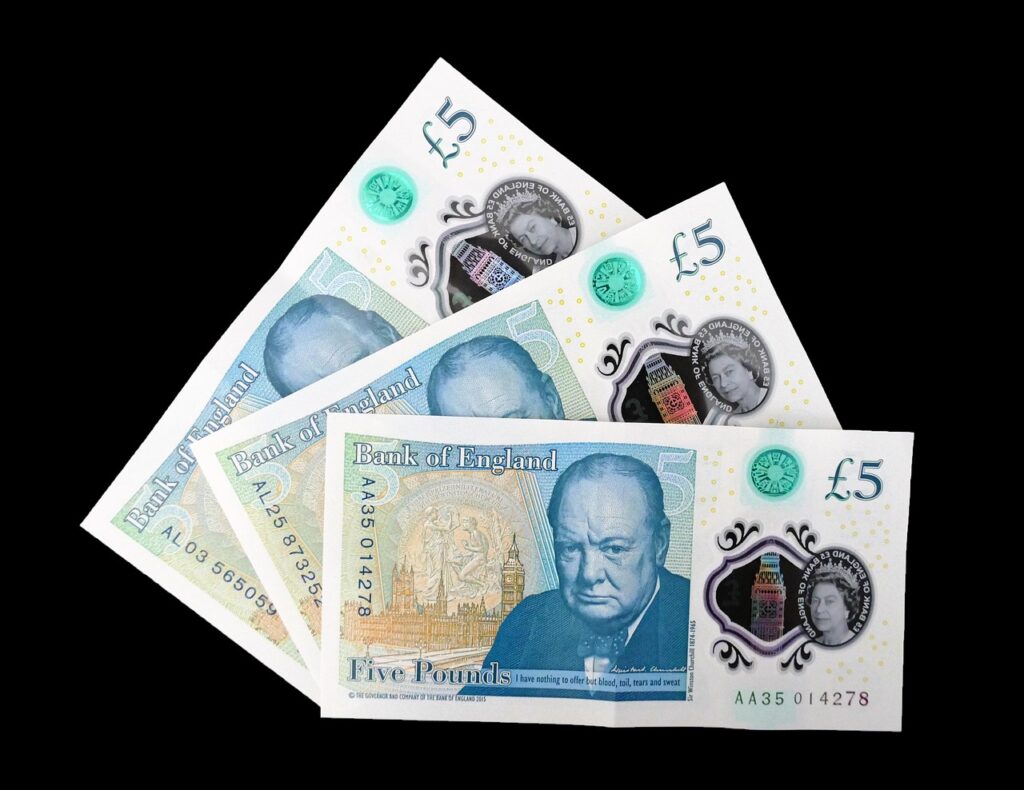
The allure of a UK salary for a Sri Lankan doctor is powerful. A starting salary of around £50,000 a year translates to a staggering 20 million Sri Lankan Rupees (LKR). On paper, it’s a life-changing sum that dwarfs a local government doctor’s salary of roughly LKR 200,000 per month. But the headline figure doesn’t tell the whole story.
Once the UK system takes its share, the reality is starkly different. From that £50,000, income tax and National Insurance contributions can easily slice off 25-30%. The take-home pay shrinks significantly before it even hits a bank account. Then come the relentless expenses: rent, especially in major cities, can consume half of one’s net monthly income. Add council tax, utility bills, and transportation costs, and the disposable income dwindles further.
In contrast, a doctor in Sri Lanka often has a lower cost of living. They may live with family, significantly reducing housing costs. Transport, food, and daily expenses are a fraction of their UK counterparts. While the gross salary is lower, a larger percentage of it can be considered disposable or saved.
The Remittance Math
The ultimate goal for many is remittance. After covering the high UK living costs, a diligent doctor might save £600 – £800 a month. This translates to approximately LKR 240,000 to 320,000. Herein lies the key trade-off: the amount saved and sent home per month can exceed the entire monthly salary of a doctor working in Sri Lanka. The financial sacrifice in the UK directly enables a significant financial uplift for family back home, but it comes at the cost of a less luxurious personal lifestyle than the initial salary might suggest. The decision is less about gross pay and more about net saving potential.

The Final Calculation: Net Pay, Savings & Remittance Power
The true financial picture emerges only after the final calculation. While a UK doctor’s gross salary is substantially higher, so are the taxes and cost of living. In contrast, a doctor in Sri Lanka contends with a lower income but also faces a comparatively lower, albeit rising, cost structure.
After UK taxes, national insurance, rent, and daily expenses are settled, a junior doctor might realistically save several hundred to over a thousand pounds sterling per month. This figure, while respectable, might not feel vast within the UK’s expensive economy. In Sri Lanka, a doctor’s net salary leaves a smaller surplus for savings once local expenses are met, resulting in a more modest absolute amount saved in LKR.
This is where the game fundamentally changes. The UK doctor’s savings possess a financial superpower: the exchange rate. Remitting even a modest £1,000 to Sri Lanka transforms it into a substantial sum in Rupees. This single transaction can equate to several months’ of local savings, dramatically accelerating financial goals like supporting family, paying off loans, or investing in property back home.
The bottom line is a tale of two financial realities:
- UK Doctor: Higher net pay is eroded by a high cost of living, but the remaining savings have immense remittance power, creating significant wealth in Sri Lanka.
- Sri Lankan Doctor: A comfortable local lifestyle is achievable, but savings lack the international purchasing power and multiplicative effect of a foreign currency.
Ultimately, for many Sri Lankan doctors, the UK salary isn’t just for living in Britain; it’s a powerful tool for building a future in Sri Lanka.