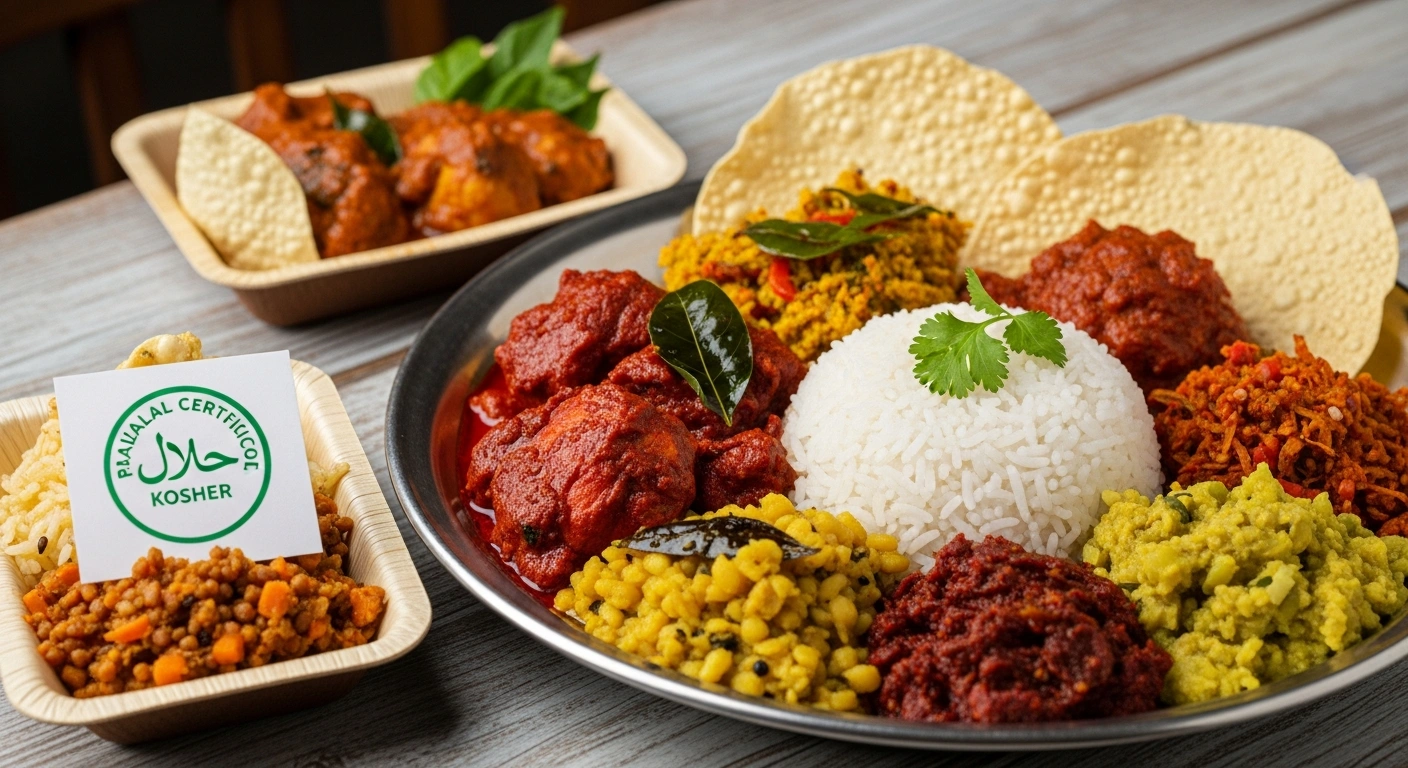
Picture this: you’re a UK-based business owner, eager to import Sri Lankan food products to cater to the growing demand for international cuisine. However, you’re faced with the daunting task of ensuring your products meet the required halal or kosher certification standards. You’re not alone in this frustration – many importers struggle to understand the intricacies of certification processes, which can be time-consuming and costly.
You want to provide your customers with authentic, high-quality products that meet their dietary requirements. To achieve this, you need to understand the complexities of halal and kosher certification in the UK. As someone who has experience in food imports, you know that certification is not just a matter of compliance, but also a way to build trust with your customers.
By understanding the certification process, you can avoid costly mistakes and ensure that your products are compliant with UK regulations. You’ll learn how to identify the right certification bodies, understand the requirements for halal and kosher certification, and develop a strategy for implementing these standards in your business.
With the right guidance, you can overcome the challenges of halal and kosher certification and successfully import Sri Lankan food products to the UK market. You’ll gain valuable insights into the certification process, allowing you to make informed decisions and build a successful business that meets the needs of your customers.
Introduction to Sri Lankan Food Imports
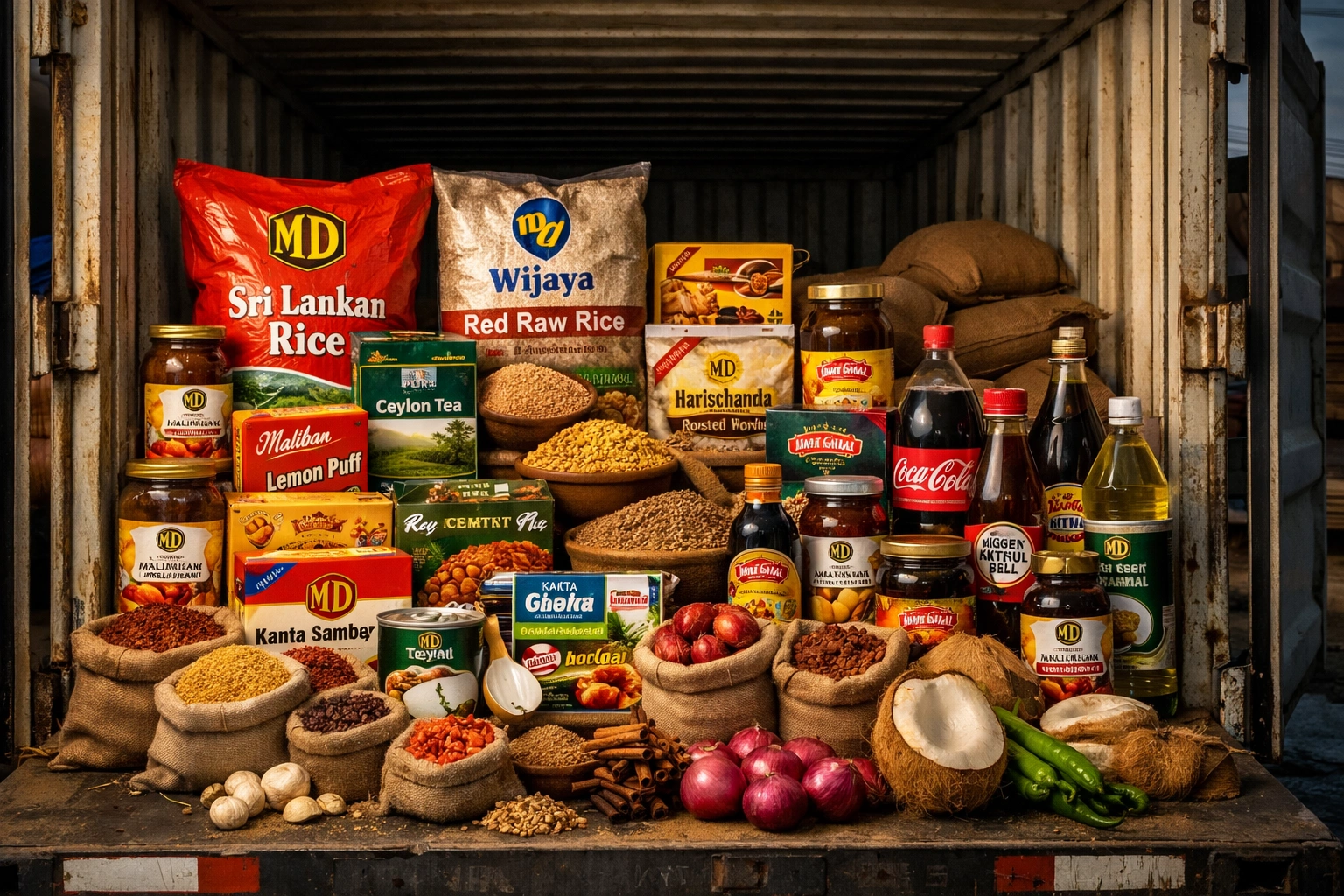
As a business owner or importer of Sri Lankan food products, you likely face a common frustration: ensuring compliance with UK import regulations. You may have experienced delays or even had shipments rejected due to non-compliance with customs clearance procedures or food safety standards. You can avoid these issues by understanding the process and requirements for importing Sri Lankan food to the UK.
Sri Lankan food products, such as spices, tea, and specialty ingredients, are in high demand in the UK. To capitalize on this demand, you must first comply with UK import regulations. This includes obtaining the necessary licenses and permits, paying applicable duties and taxes, and meeting food safety standards. You can start by registering with HM Revenue & Customs (HMRC) and obtaining an Economic Operators Registration and Identification (EORI) number, which is required for all importers.
Understanding Customs Clearance and Food Safety Standards
A key aspect of importing Sri Lankan food products is customs clearance. You must ensure that your shipments are properly declared and cleared through UK customs. This involves submitting the required documentation, including commercial invoices, bills of lading, and certificates of origin. You must also comply with UK food safety standards, which include meeting the requirements of the Food Safety Act 1990 and the Food Hygiene (England) Regulations 2006. For example, if you are importing Sri Lankan spices, you must ensure that they are free from contaminants and meet the required microbiological standards. A case study of a UK-based importer of Sri Lankan spices highlights the importance of compliance: by working with a reputable supplier and ensuring that all shipments met UK food safety standards, the importer was able to avoid costly delays and ensure a smooth supply chain.
You can ensure compliance with these regulations by working with a reputable freight forwarder or customs broker who has experience with importing food products from Sri Lanka. They can guide you through the customs clearance process and ensure that your shipments meet all applicable regulations. By understanding the import regulations, customs clearance procedures, and food safety standards, you can successfully import Sri Lankan food products to the UK and capitalize on the growing demand for these products.
Understanding Halal Certification in the UK
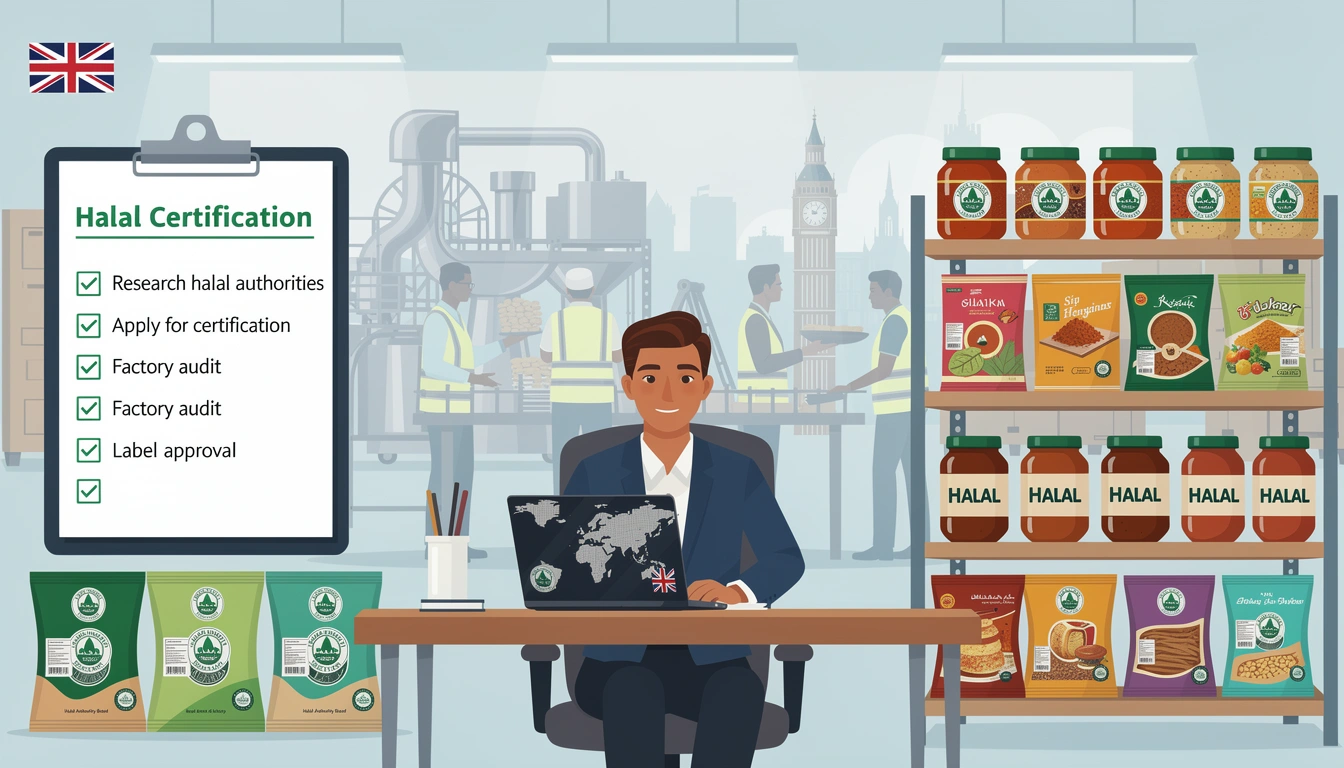
As a food importer, you’re likely no stranger to the challenges of ensuring your products meet the stringent requirements of the UK market. One of the most significant hurdles is obtaining halal certification, a process that can be complex and time-consuming. You may have found yourself wondering how to navigate the intricacies of halal certification, from identifying the right authorities to meeting labeling requirements.
The UK is home to several halal certification authorities, each with its own set of standards and procedures. Some of the most well-established authorities include the Halal Authority Board and the Halal Monitoring Authority. These organizations play a critical role in ensuring that food products meet the necessary halal standards, from sourcing and processing to packaging and distribution. You can work with these authorities to guide you through the certification process, which typically involves a series of audits and inspections to verify compliance with halal regulations.
A key aspect of halal certification is the labeling requirement. In the UK, halal products must be clearly labeled as such, with the relevant certification mark or logo. For example, the Halal Authority Board issues a distinctive logo that must be displayed on all certified products. This not only provides assurance to Muslim consumers but also helps to prevent mislabeling and ensure transparency throughout the supply chain. Consider the case of a Sri Lankan food importer who recently obtained halal certification for their line of spices and sauces. By displaying the Halal Authority Board logo on their packaging, they were able to increase sales and expand their customer base among Muslim consumers in the UK.
By understanding the halal certification process and working with the right authorities, you can ensure that your food products meet the necessary standards and are properly labeled for the UK market. You can take the first step by researching the different certification authorities and their requirements, and then reaching out to them to discuss your specific needs and circumstances. With the right guidance and support, you can successfully navigate the halal certification process and tap into the growing demand for halal products in the UK.
Understanding Kosher Certification in the UK
As a Sri Lankan food importer in the UK, you may face a common frustration: ensuring your products meet the dietary requirements of various consumer groups, including those who follow a kosher diet. You may have already obtained halal certification, but wait — there’s more to consider. Kosher certification is a separate process that requires a deep understanding of Jewish dietary laws and the certification authorities that oversee them.
In the UK, several kosher certification authorities are recognized, including the London Beth Din and the Manchester Beth Din. These organizations have their own set of standards and procedures for certifying products as kosher. The certification process typically involves a thorough inspection of the manufacturing facility, review of ingredients and production methods, and verification of compliance with kosher laws. For example, a company like Kellogg’s may need to obtain kosher certification for their cereal products, which involves ensuring that the ingredients and production process meet kosher standards.
The certification process can be complex, and importers must be aware of the specific requirements for kosher labeling. In the UK, kosher-certified products must display a recognized kosher symbol, such as the KLBD or MB logo. You can ensure compliance by working closely with a reputable kosher certification authority and following their guidelines for labeling and packaging. A specific example of a company that has successfully obtained kosher certification is Twinings, a UK-based tea manufacturer that now offers a range of kosher-certified tea products.
To illustrate the significance of kosher certification, consider the case of a UK-based food manufacturer that imports ingredients from Sri Lanka. If the manufacturer wants to sell their products to kosher consumers, they must ensure that the ingredients and production process meet kosher standards. By obtaining kosher certification, the manufacturer can tap into a lucrative market and increase their customer base. You can take a similar approach by researching the kosher certification authorities in the UK and understanding the certification process and labeling requirements.
The Importance of Halal and Kosher Certification for Sri Lankan Food Imports
As a Sri Lankan food importer in the UK, you’re likely no stranger to the frustration of having your products rejected or delayed due to certification issues. You’ve spent countless hours and resources getting your products to market, only to have them held up by regulatory hurdles. Let’s shift gears for a moment. Have you considered the impact that halal and kosher certification can have on your business? For many importers, obtaining these certifications can be a major headache, but the benefits far outweigh the costs.
When it comes to market access, halal and kosher certification can be a major key to unlocking new markets and customer bases. In the UK, there is a significant and growing demand for halal and kosher certified products, particularly among Muslim and Jewish communities. By obtaining these certifications, you can tap into these lucrative markets and expand your customer base. For example, a Sri Lankan food importer who recently obtained halal certification for their line of spices and seasonings reported a significant increase in sales to Muslim-owned restaurants and grocery stores.
In addition to market access, halal and kosher certification can also help build consumer trust. Many consumers, particularly those from Muslim and Jewish backgrounds, are highly discerning when it comes to the products they buy and will only purchase from companies that have obtained the necessary certifications. By displaying the halal or kosher logo on your products, you can reassure these consumers that your products meet their dietary standards and build trust with your target market. This can be especially important for imported products, where consumers may be more skeptical about the origins and ingredients of the product.
Finally, regulatory compliance is another critical reason to obtain halal and kosher certification. In the UK, food products must comply with strict regulations and guidelines, and failure to do so can result in fines, recalls, and damage to your reputation. By obtaining halal and kosher certification, you can demonstrate to regulators that your products meet the necessary standards and avoid costly compliance issues down the line. You can work with a certification body, such as the Halal Authority Board or the London Beth Din, to ensure that your products meet the required standards and guidelines.
Frequently Asked Questions
What is the process for obtaining halal certification in the UK?
The process involves applying to a recognized halal certification authority, providing required documents, and undergoing an audit and inspection
What is the difference between halal and kosher certification?
Halal certification is for Muslim consumers, while kosher certification is for Jewish consumers, and the certification processes and requirements differ