I think it’s surprising that many people are unaware of the rich Sri Lankan cultural heritage in the UK. Did you know that there are over 30 Sri Lankan temples and cultural centers in London and other major UK cities? This number is quite astonishing, considering the relatively small Sri Lankan diaspora community in the UK.
As someone who has had the opportunity to visit some of these temples and cultural centers, I can attest to the fact that they are not only beautiful and peaceful spaces but also play a significant role in preserving Sri Lankan culture and traditions. You might be wondering what you can expect to find at these temples and cultural centers, and how they contribute to the cultural diversity of the UK.
By exploring these temples and cultural centers, you’ll gain a deeper understanding of Sri Lankan culture and its history. You’ll also discover the various activities and events that take place at these centers, from traditional dance performances to meditation classes. I’ll share my insights and experiences with you, so you can plan your own visits and get the most out of your exploration.
Introduction to Sri Lankan Temples in the UK
I think one of the most fascinating aspects of the UK’s cultural diversity is the presence of Sri Lankan temples and cultural centers. As someone who has had the opportunity to explore these institutions, I can attest to their significance in preserving the cultural heritage of the Sri Lankan community. The history of Sri Lankan migration to the UK is a long and complex one, with many Sri Lankans arriving in the UK in the 1950s and 1960s as students, professionals, or refugees. Over time, these individuals established communities and built temples to serve their spiritual and cultural needs.
The importance of temples in Sri Lankan culture cannot be overstated. In Sri Lanka, temples are not just places of worship, but also community centers, educational institutions, and cultural hubs. They play a central role in preserving and promoting Sri Lankan traditions, customs, and values. For example, the London Buddhist Vihara in Chiswick, London, is one of the oldest and most respected Sri Lankan Buddhist temples in the UK. Established in 1926, it has been a focal point for the Sri Lankan community, offering a range of cultural, educational, and spiritual activities, including meditation classes, language courses, and traditional dance performances.
I often wonder, what draws people to these temples and cultural centers? Is it the desire to connect with their cultural roots, or the need to find a sense of community and belonging in a foreign land? Whatever the reason, these institutions have become an integral part of the UK’s cultural fabric, providing a unique glimpse into Sri Lankan culture and traditions. As you explore the world of Sri Lankan temples and cultural centers in the UK, you will discover a rich and vibrant community that is proud of its heritage and eager to share it with others. For instance, the Sri Saddhatissa International Buddhist Centre in Kingsbury, London, offers a range of activities, including meditation retreats, Buddhist ceremonies, and cultural events, which are open to people of all backgrounds and faiths.
Sri Lankan Temples in London
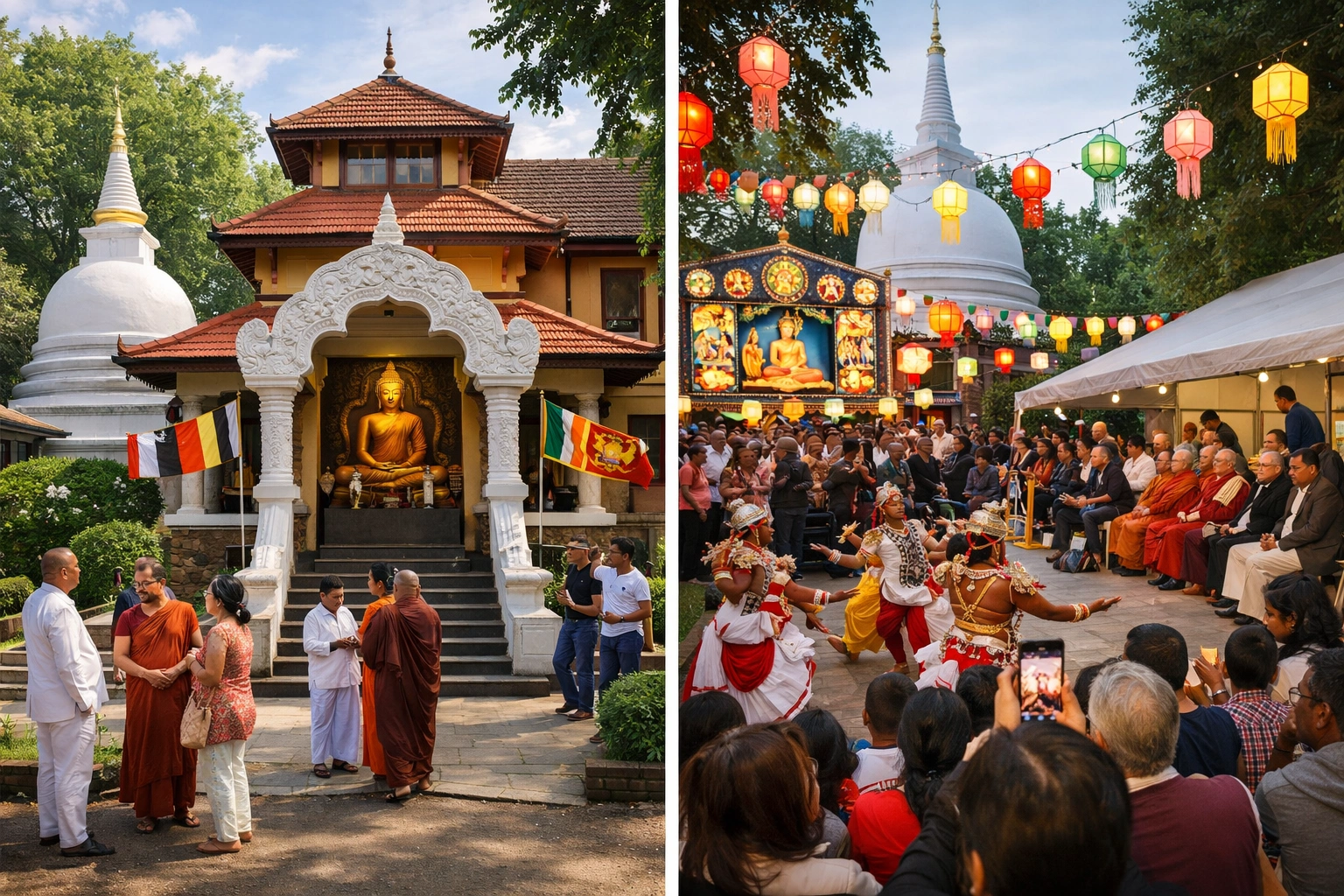
Here’s what really matters though: the Sri Lankan temples in London are a true reflection of the community’s rich cultural heritage. I think what’s fascinating is how these temples have managed to preserve the traditional Sri Lankan Buddhist practices while adapting to the British way of life. Take the London Buddhist Vihara, for instance, which is one of the oldest and most respected Buddhist temples in the UK. Established in 1926, it has been a cornerstone of the Sri Lankan Buddhist community in London, providing a space for worship, education, and cultural events.
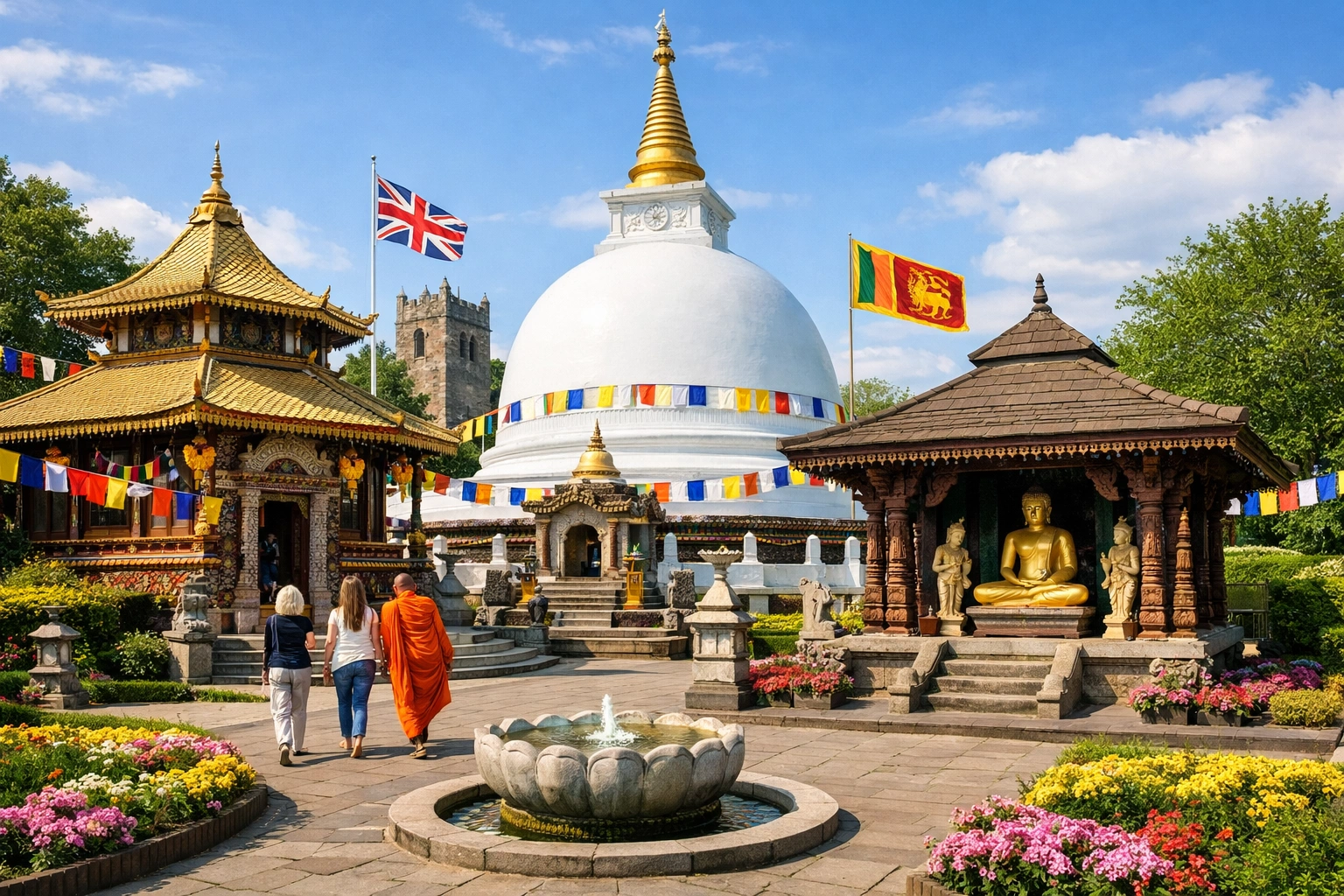
The London Buddhist Vihara is a great example of how Sri Lankan temples in London have evolved over time. You can still see the traditional Sri Lankan architecture, with its intricate carvings and vibrant colors, but it’s also adapted to the local environment. The temple offers a range of activities, including meditation classes, Buddhist ceremonies, and cultural festivals, which attract not only Sri Lankans but also people from other backgrounds. I’ve had the chance to attend a few of these events, and I must say, it’s a truly enriching experience.
International Buddhist Centres
Another notable Sri Lankan temple in London is the Sri Saddhatissa International Buddhist Centre. This centre is known for its unique approach to Buddhism, which emphasizes the importance of mindfulness and compassion in everyday life. The centre offers a variety of programs, including meditation retreats, yoga classes, and workshops on Buddhist philosophy. What I find particularly interesting about this centre is its focus on interfaith dialogue and community outreach. They regularly host events and discussions that bring together people from different religious backgrounds, promoting understanding and mutual respect.
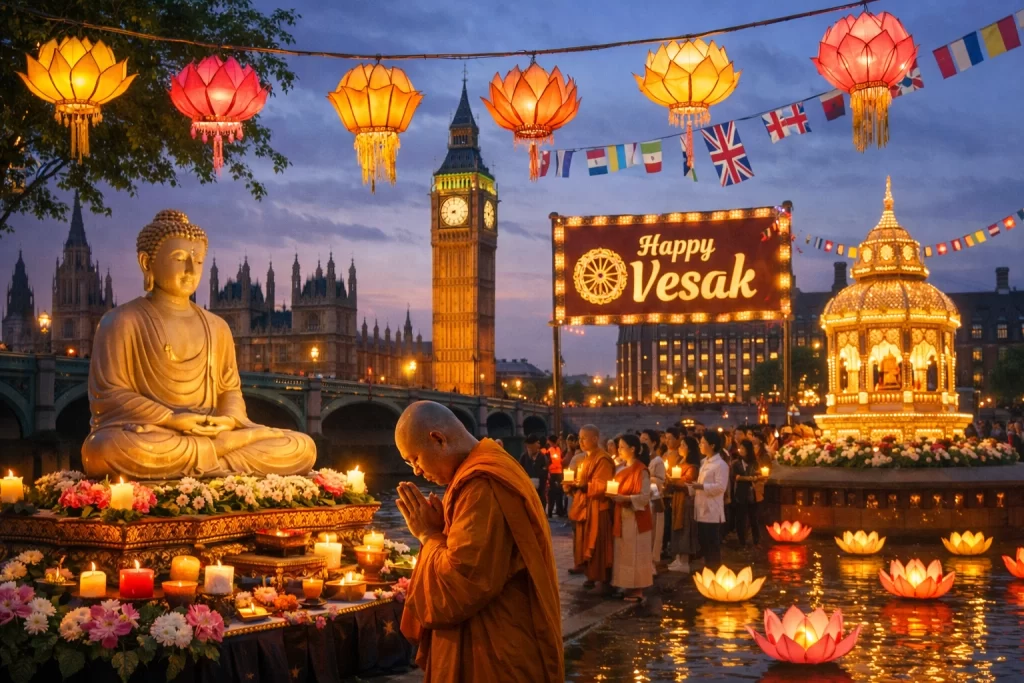
One specific example that comes to mind is the centre’s annual Vesak festival celebration, which attracts thousands of people from all over the UK. The festival features traditional Sri Lankan music, dance, and food, as well as speeches and discussions on Buddhist teachings. It’s a wonderful opportunity to experience the richness of Sri Lankan culture and the warmth of the Buddhist community. As someone who’s attended this festival, I can attest to the sense of joy and camaraderie that fills the air.
Sri Lankan Cultural Centers in Major UK Cities
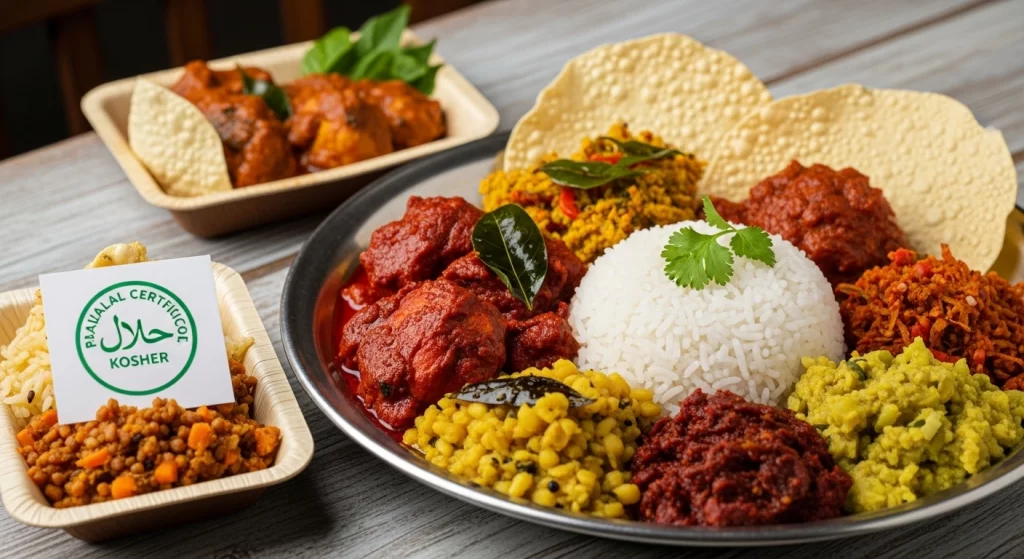
Here’s the part most people miss. When we think of Sri Lankan cultural centers in the UK, we often focus on London, but I think there’s a lot to be discovered in other major cities. Let’s take Manchester, for example. The Sri Lankan community in Manchester is thriving, with several cultural centers that offer a glimpse into the country’s rich heritage. One such center is the Sri Lankan Buddhist Vihara, which hosts regular events and ceremonies, including the annual Vesak festival. You can attend a traditional Sri Lankan meal, complete with hoppers and string hoppers, and even take part in a puja ceremony.
In Birmingham, the Sri Lankan community is just as vibrant, with several cultural centers that cater to different interests. The Birmingham Sri Lankan Buddhist Temple, for instance, offers meditation classes and workshops on traditional Sri Lankan crafts. I’ve had the chance to visit this temple, and I was struck by the warm welcome I received from the community. They even have a Sunday school for kids, where they can learn about Sri Lankan history and culture. If you’re interested in learning more about Sri Lankan cuisine, you can attend one of their cooking classes, which cover everything from lamprais to pittu.
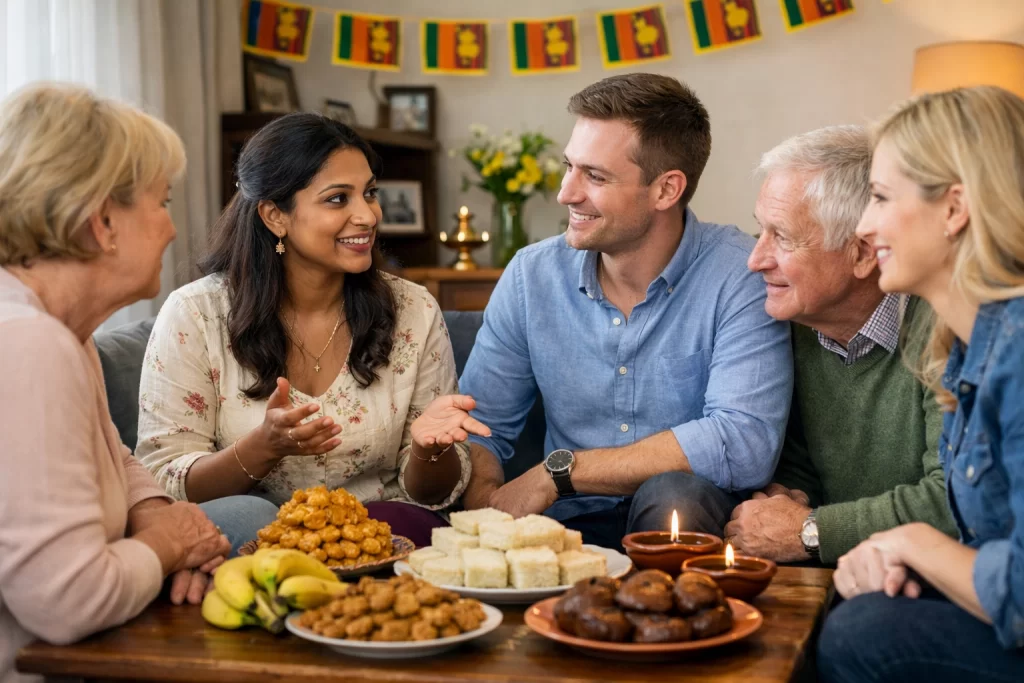
Leeds is another city with a significant Sri Lankan population, and its cultural centers reflect this diversity. The Leeds Sri Lankan Community Center, for example, hosts cultural events and festivals throughout the year, including the Sri Lankan New Year celebrations. You can expect to find traditional Sri Lankan food, music, and dance, as well as stalls selling Sri Lankan handicrafts and souvenirs. I think what’s really interesting about these cultural centers is the way they bring people together, regardless of their background or ethnicity. So, what can you do to get involved? You can start by attending one of these events, or even volunteering at a local cultural center. Who knows, you might just discover a new passion for Sri Lankan culture.
Importance of Sri Lankan Temples in the UK
I think Sri Lankan temples in the UK play a significant role in the lives of Sri Lankan immigrants and their descendants. These temples serve as a hub for community building, where people can come together to practice their faith, celebrate cultural events, and connect with others who share similar backgrounds and values. For instance, the London Buddhist Vihara in Chiswick, London, is one of the oldest and most prominent Sri Lankan temples in the UK, and it has been a focal point for the Sri Lankan community in the UK since its establishment in 1926.
When it comes to cultural preservation, I believe Sri Lankan temples in the UK are doing an excellent job. They provide a platform for the younger generation to learn about and appreciate their cultural heritage, including traditional music, dance, and art. The temples also organize various cultural events and festivals, such as the Vesak festival, which celebrates the birth, enlightenment, and death of the Buddha. These events help to promote cultural awareness and understanding among the wider community. You can see this in action at the Sri Saddhatissa International Buddhist Centre in Kingsbury, London, which offers a range of cultural and educational programs for both children and adults.
Supporting Spiritual Growth
I’ve noticed that Sri Lankan temples in the UK also support spiritual growth and development among their members. The temples offer a range of spiritual activities, including meditation classes, chanting sessions, and Dhamma talks, which help individuals to cultivate mindfulness, wisdom, and compassion. For example, the Buddhist Centre in Manchester offers a weekly meditation class, which is open to people of all backgrounds and faiths. This not only helps to promote spiritual growth but also fosters a sense of community and belonging among the participants. Can you imagine the positive impact this must have on people’s lives, helping them to find peace and tranquility in the midst of a busy city?
As someone who has had the opportunity to visit and learn from these temples, I think it’s clear that they are much more than just places of worship. They are vibrant community centers that support the social, cultural, and spiritual well-being of Sri Lankans living in the UK. By providing a sense of community and connection to their cultural heritage, these temples help individuals to maintain their identity and sense of belonging, even in a foreign country. You can see the positive impact of this in the many success stories of Sri Lankans who have made the UK their home, and who continue to thrive and contribute to British society.
Visiting Sri Lankan Temples in the UK
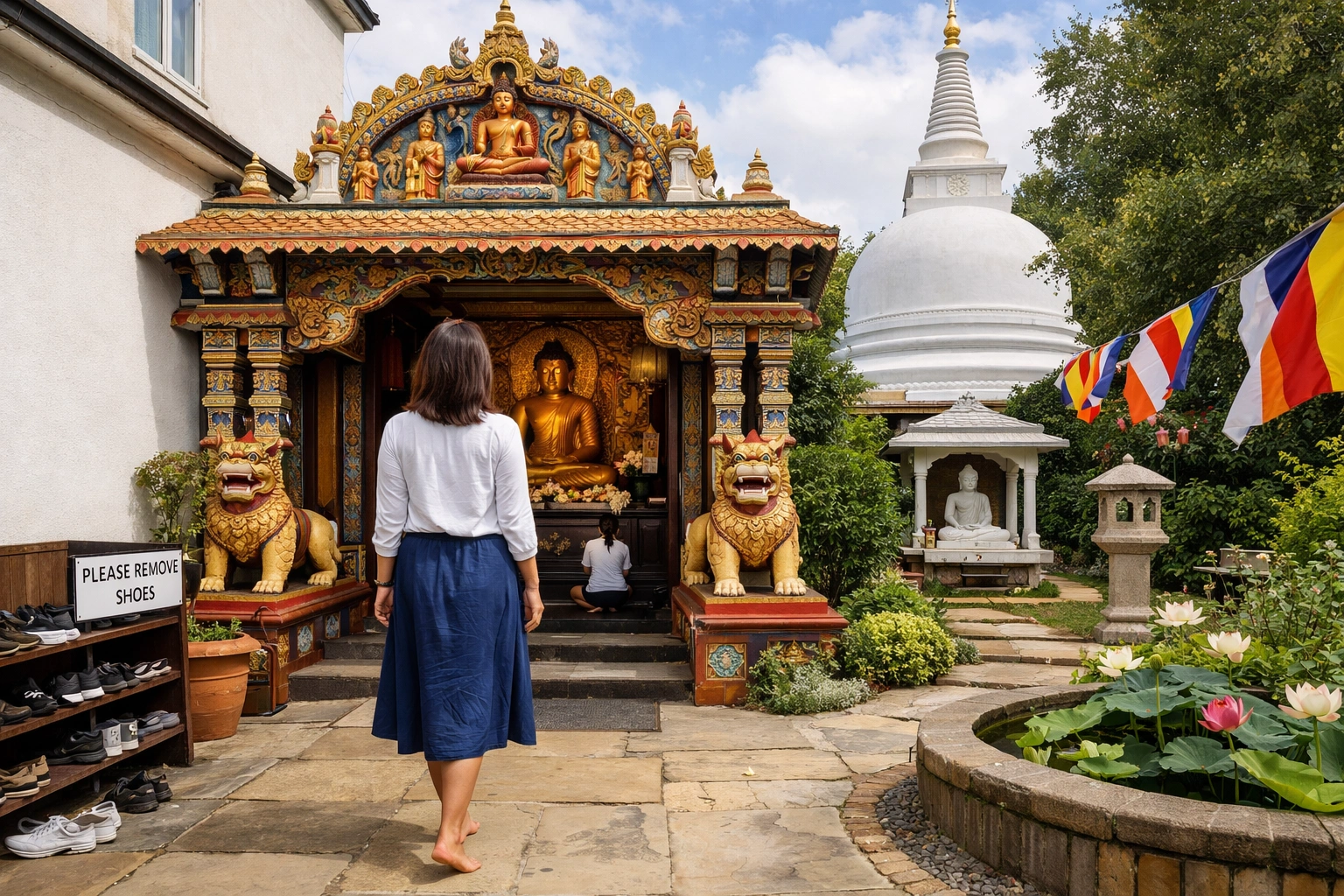
I think one of the most fascinating aspects of Sri Lankan culture is the vibrant temples that can be found in major UK cities, including London. As someone who has had the privilege of visiting these temples, I can attest to the unique experience they offer. When planning a visit, I always consider the etiquette and dress code, as these are essential aspects of showing respect for the culture and community.
For instance, the London Buddhist Vihara in Chiswick is a beautiful example of a Sri Lankan temple in the UK. Before entering the temple, you can remove your shoes and dress modestly, covering your shoulders and knees. I think this is a great opportunity to learn about the cultural significance of dress code in Sri Lankan temples. You can wear long-sleeved shirts, trousers, or a skirt that falls below the knee. This not only shows respect but also helps you blend in with the local community.
Practical Information
When it comes to opening hours, I think it’s essential to plan your visit in advance. Most Sri Lankan temples in the UK are open from early morning to late evening, with specific times allocated for meditation, prayer, and other activities. For example, the Letchworth Buddhist Temple in Hertfordshire is open from 9 am to 5 pm, with a morning meditation session at 10 am. You can check the temple’s website or call ahead to confirm the opening hours and plan your visit accordingly. By doing so, you can ensure a peaceful and meaningful experience.
As you explore the temple, you can take in the stunning architecture, intricate carvings, and vibrant colors. You can also participate in meditation sessions, listen to Buddhist teachings, or simply observe the daily rituals and ceremonies. I think this is a great way to immerse yourself in the Sri Lankan culture and gain a deeper understanding of the community. Can you imagine the sense of calm and tranquility that comes with being in a sacred space?
Discovering the Heart of Sri Lankan Culture
I think what’s truly remarkable about Sri Lankan temples and cultural centers in London and major UK cities is the way they bring people together. By visiting one of these vibrant hubs, you can experience the warmth and hospitality of the Sri Lankan community firsthand. So, what’s stopping you from stepping into a Sri Lankan temple in the UK and immersing yourself in the rich culture and traditions that await you?
Frequently Asked Questions
What is the largest Sri Lankan temple in the UK?
The London Buddhist Vihara
What are the opening hours of Sri Lankan temples in the UK?
Typically from 9am to 5pm