Adapting the Sri Lankan Plate: Dietary Changes for Better Health
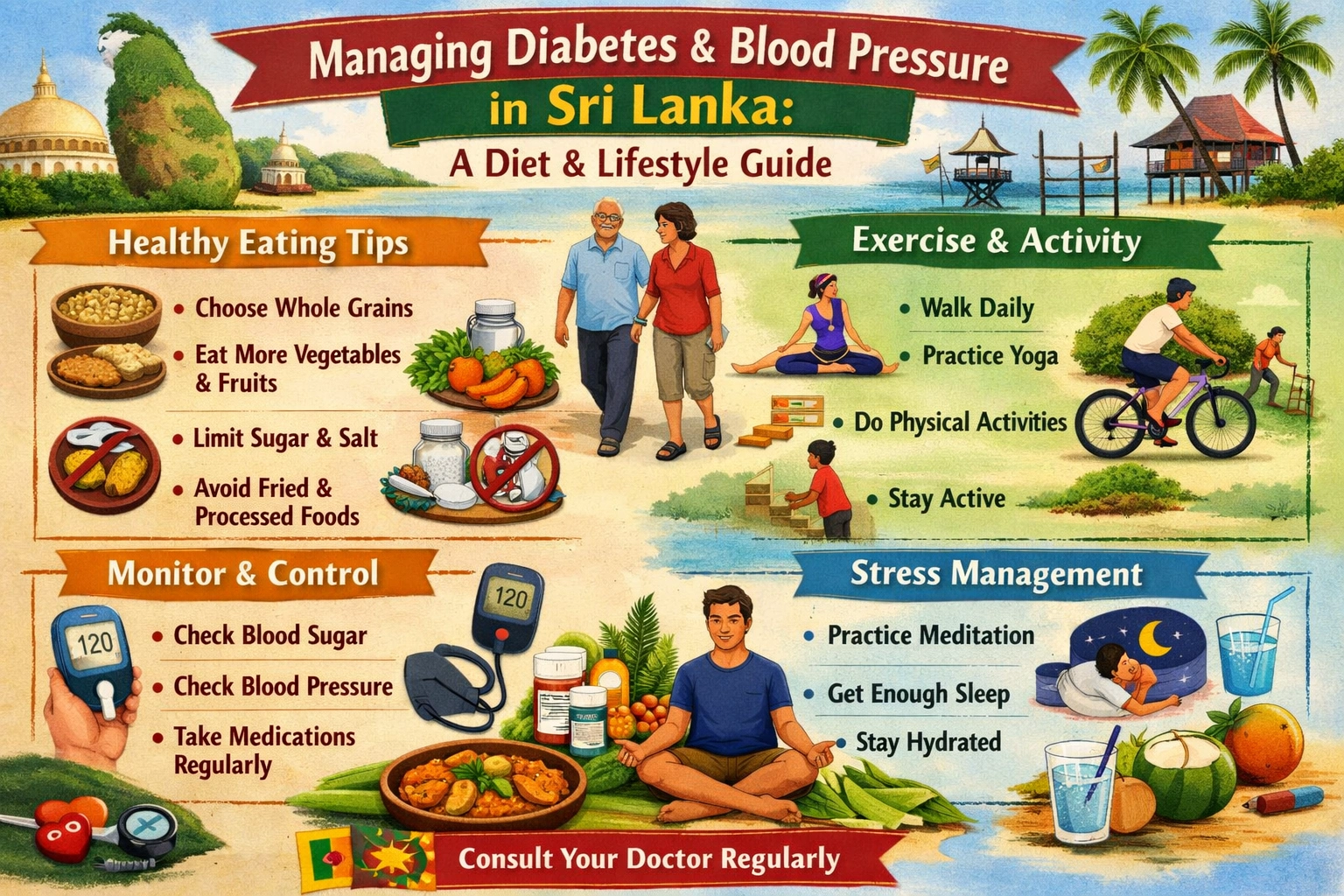
The traditional Sri Lankan diet, celebrated for its vibrant spices and flavours, is often high in refined carbohydrates like white rice. While delicious, this can pose challenges for managing blood sugar and blood pressure. The good news is that with a few simple adjustments, you can create a healthier plate that still honours Sri Lankan culinary traditions.
Making sustainable changes is key. Focus on modifying traditional meals rather than eliminating them entirely. Start with these practical steps:
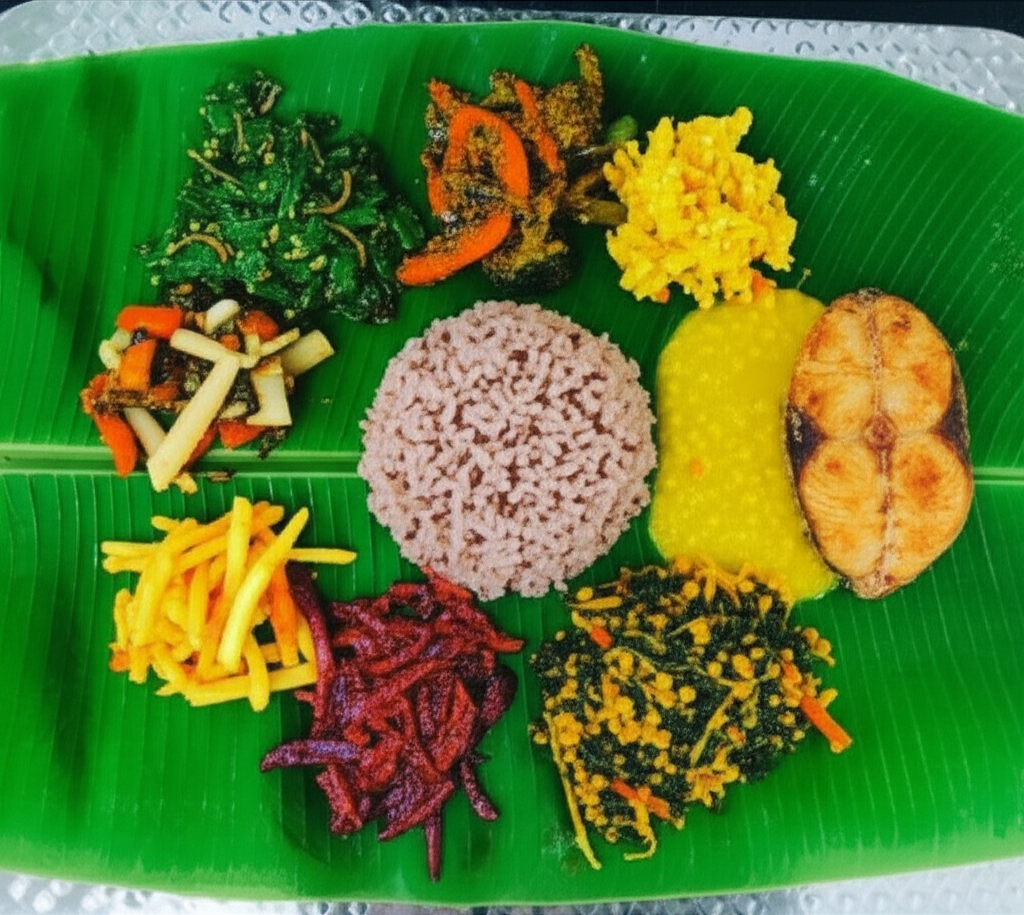
- Rethink Your Portions: Imagine your plate divided. Fill half with non-starchy vegetables like a gotu kola mallum, steamed beans, or a brinjal curry. Dedicate one quarter to lean protein such as fish curry, chicken, or a generous serving of dhal (lentils). The final quarter is for high-fibre carbohydrates like red rice (kekulu haal) instead of a large mound of white rice.
- Choose Carbohydrates Wisely: Swap polished white rice for unpolished red rice, kurakkan (finger millet), or whole-wheat roti. These complex carbohydrates are rich in fibre, which helps slow down sugar absorption and keeps you feeling full longer.
- Embrace Vegetables and Greens: Make vegetables the star of your meal. Incorporate a variety of colourful vegetable curries and leafy mallums. Foods like bitter gourd (karawila) and drumstick (murunga) are particularly beneficial.
- Prioritise Lean Protein: Including lean protein with every meal helps stabilise blood sugar. Opt for grilled or curried fish, skinless chicken, eggs, and plant-based powerhouses like chickpeas (kadala) and green gram (mung ata).
- Limit Salt and Unhealthy Fats: Reduce the amount of salt used in cooking and be mindful of processed sauces and soy sauce. Limit deep-fried foods (“thel dala”) and snacks. Use coconut oil and fresh coconut milk in moderation, and cut back on sugary drinks and sweets.
By making these mindful shifts, you can effectively manage your health while continuing to enjoy the rich, satisfying flavours of Sri Lankan food.
Incorporating Movement: An Active Sri Lankan Lifestyle
Alongside a healthy diet, regular physical activity is a powerful tool for managing blood sugar and lowering blood pressure. You don’t need an expensive gym membership to stay active; movement can be easily woven into the fabric of your daily Sri Lankan life. The goal is to make your body work, raise your heart rate, and do it consistently.
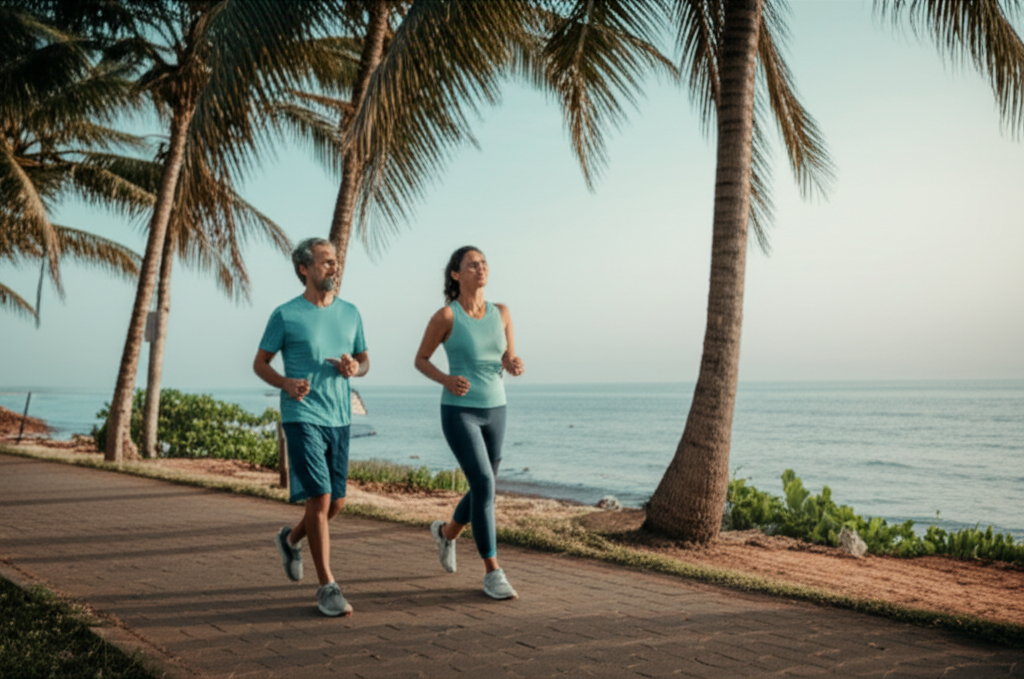
Think about your daily routine. Small changes can make a big difference. Instead of taking a three-wheeler for a short distance, enjoy a brisk walk to the local kada. An evening stroll with your family after dinner is not only good for your health but also a wonderful way to connect.
Here are some practical ways to get moving:
- Embrace Walking: Aim for at least 30 minutes of brisk walking most days of the week. You can break this up into shorter 10-minute walks if that’s easier to manage.
- Turn Chores into Exercise: Everyday activities like gardening (wathu kama), sweeping the compound, or washing clothes by hand are excellent forms of moderate physical activity.
- Find a Joyful Hobby: Reconnect with activities you enjoy. A friendly game of cricket with neighbours, swimming, or even dancing can make exercise feel less like a chore and more like fun.
- Practice Yoga: Gentle yoga improves flexibility, strength, and balance. It is also exceptional for reducing stress, which has a direct positive impact on blood pressure.
Remember to start slowly, especially if you have been inactive for a while. Listen to your body and gradually increase the duration and intensity of your activities. It is essential to speak with your doctor before beginning a new exercise programme to ensure it is safe and appropriate for your health condition.
Know Your Numbers: Essential Monitoring Tools and Practices
Managing diabetes and high blood pressure effectively starts with understanding your body’s signals. Regular monitoring is not just a task; it’s the most powerful tool you have to take control of your health. By tracking your numbers, you and your doctor can make informed decisions about your treatment plan.
Monitoring Your Blood Sugar (Glucose)
A home blood glucose meter, or glucometer, is an essential device for anyone with diabetes. This small machine measures the amount of sugar in a tiny drop of blood, giving you an immediate snapshot of your levels.
- When to Test: Your doctor will provide a personal schedule. Common times include in the morning before breakfast (fasting), before meals, and two hours after meals to see how food affects your sugar levels.
- Keep a Log: Record every reading in a notebook or a smartphone app. Note the date, time, and any relevant factors like meals or physical activity. This log is vital information to share during your doctor’s appointments.
- Long-Term View (HbA1c): In addition to daily monitoring, your doctor will order a regular HbA1c blood test. This test reflects your average blood sugar control over the past two to three months.
Tracking Your Blood Pressure
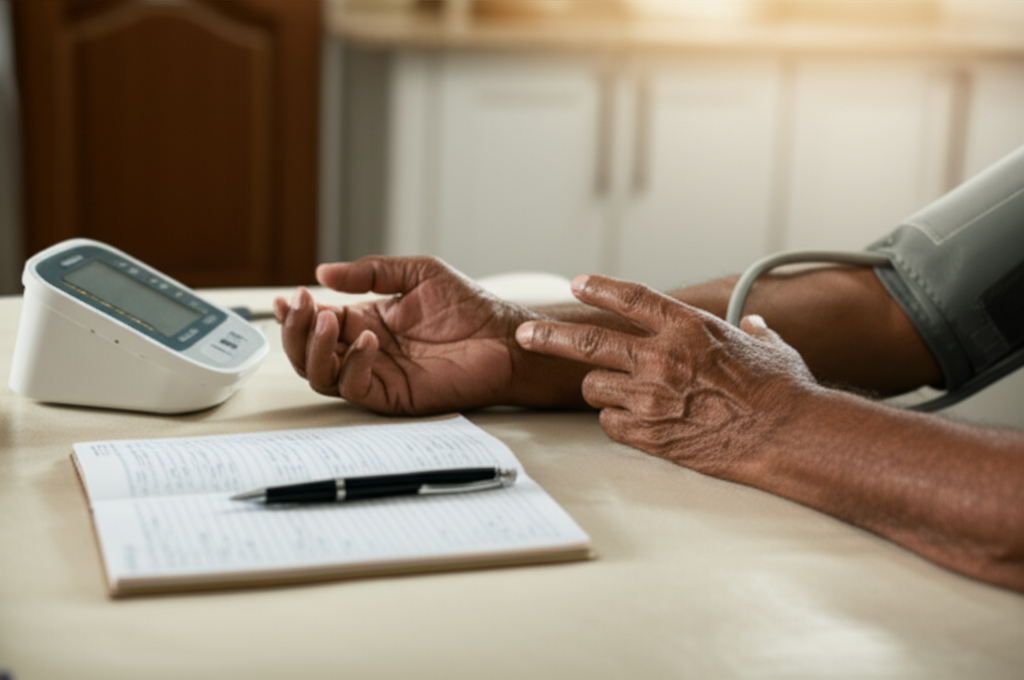
A reliable, automated home blood pressure monitor is a wise investment for managing hypertension. These are easy to use and provide accurate readings when used correctly.
- Ensure Accuracy: For a correct reading, rest for five minutes before you begin. Sit in a chair with your back straight, feet flat on the floor, and your arm supported at heart level. Avoid talking or moving during the measurement.
- Be Consistent: Check your blood pressure at the same time each day, as advised by your doctor, to establish a clear pattern.
- Log Your Readings: Just like with blood sugar, maintain a log of your blood pressure numbers (both systolic and diastolic) to review with your healthcare provider.
Knowing your numbers empowers you. It helps you see the direct impact of your diet, exercise, and medication, allowing for timely adjustments that can prevent complications and help you lead a healthier, more active life.
Leveraging Support: Healthcare and Community in Sri Lanka
Successfully managing diabetes and high blood pressure in Sri Lanka goes beyond individual effort. A robust network of healthcare services, strong community bonds, and accessible resources creates a vital support system for long-term wellness. Navigating these systems effectively can make a significant difference in your health outcomes.
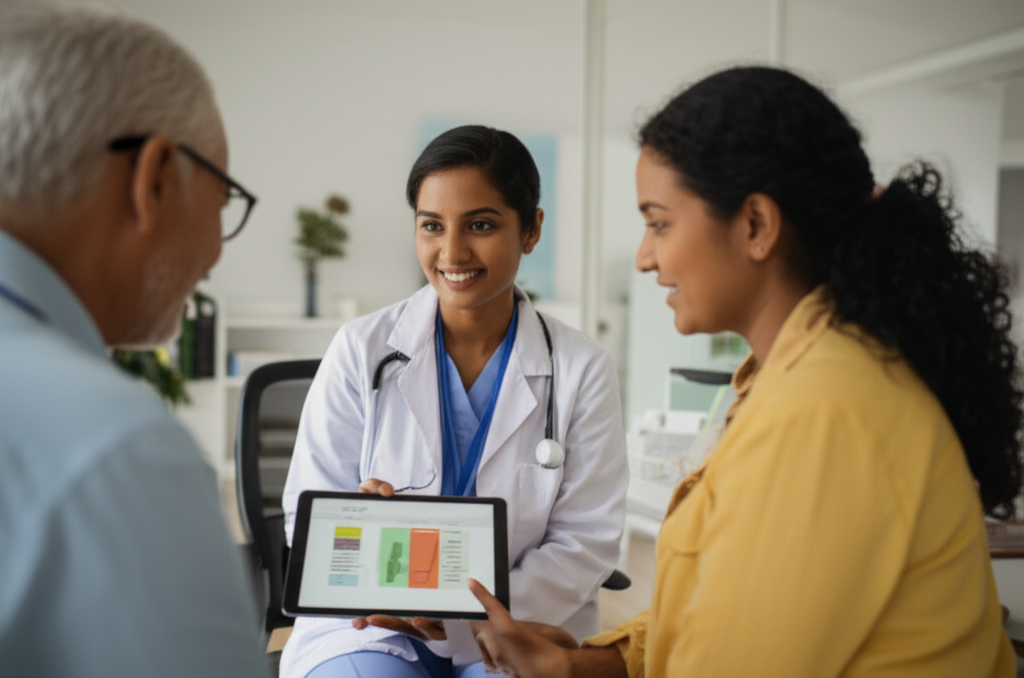
The national healthcare system provides a strong foundation. Government hospitals and local clinics offer free or low-cost consultations, essential medications, and routine check-ups. Many Sri Lankans also rely on their family General Practitioner (GP) for continuous, personalized care. At the grassroots level, Public Health Midwives (PHMs) play a crucial role, providing health education and monitoring directly within communities, often visiting homes to support patients.
Family and community are cornerstones of this support network. Relatives often play an active role in preparing healthier meals that align with traditional Sri Lankan tastes, providing daily encouragement, and ensuring medication schedules are followed. This shared responsibility within the household significantly eases the burden of chronic disease management. Don’t hesitate to lean on this support; involving your family in your health journey fosters a positive and motivating environment for everyone.
Local pharmacies are also becoming key health hubs, offering convenient blood pressure checks and selling affordable blood glucose monitors. Furthermore, the rise of digital health apps and telemedicine services is providing new, accessible ways for individuals to track their progress, connect with healthcare professionals, and receive timely advice. By combining professional medical guidance with the unwavering support of family and community, Sri Lankans can build a powerful, holistic strategy for managing their health effectively.
References
- SLMA Guidelines for the Management of Type 2 Diabetes Mellitus 2021
- Healthy Lifestyle – Health Education Bureau, Ministry of Health, Sri Lanka
- WHO Sri Lanka: Noncommunicable Diseases Data
- National Policy and Strategic Framework for Prevention and Control of Chronic Non-communicable Diseases
- Glycaemic index of some popular Sri Lankan meals (Ceylon Medical Journal)
- Dietary patterns and their association with type 2 diabetes mellitus in a suburban Sri Lankan population
- Lifestyle factors and hypertension: a community-based study in a suburban Sri Lankan population (Journal of Human Hypertension)
- Understanding Blood Pressure Readings (American Heart Association)