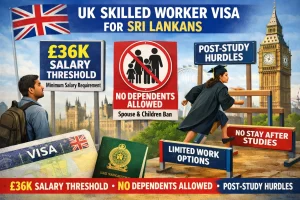
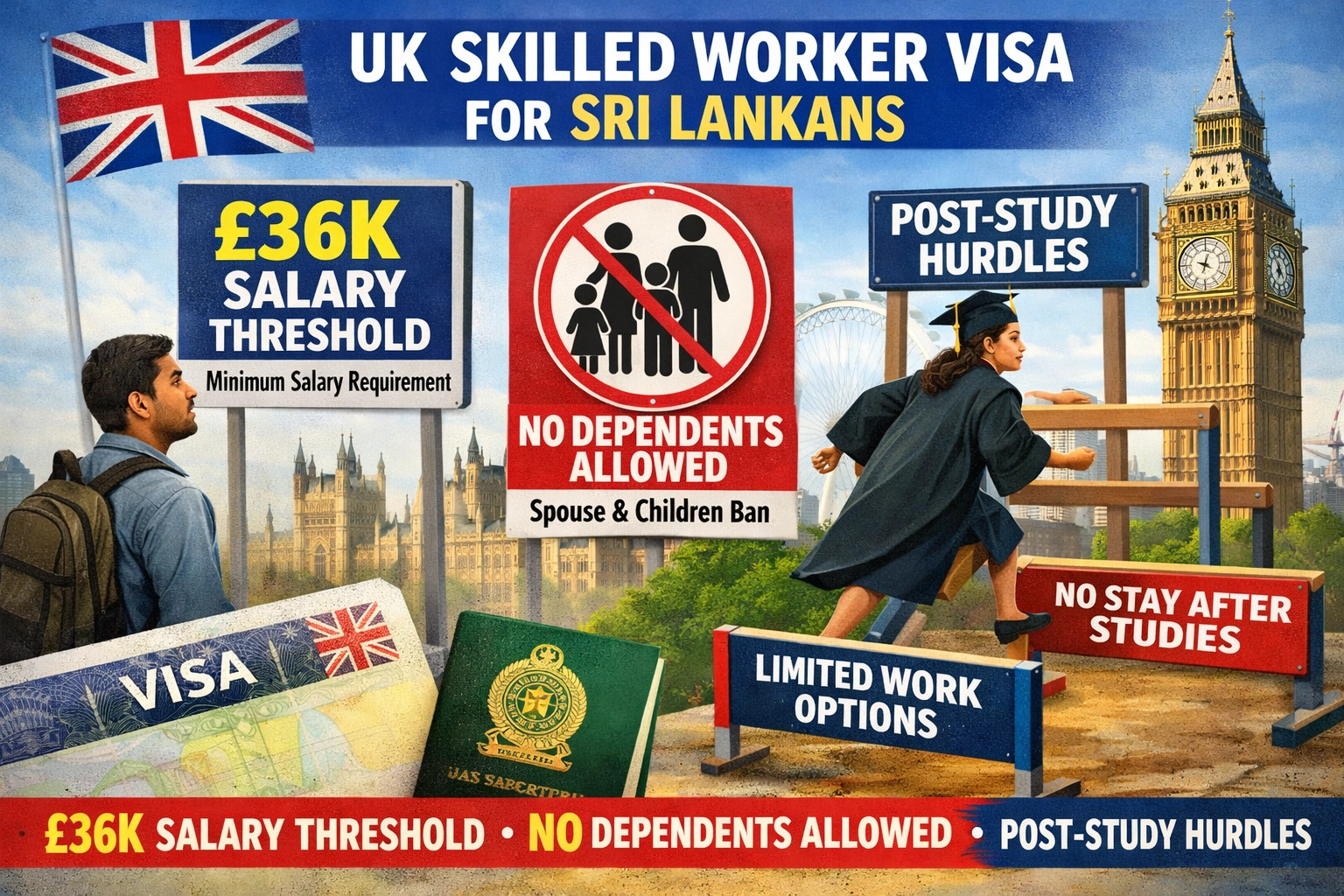
Understanding the UK’s 2024 Immigration Rule Overhaul
In 2024, the UK government implemented a series of significant changes to its immigration system, creating a more challenging landscape for Sri Lankan professionals, students, and care workers aiming to move to the UK. These reforms are designed to reduce net migration by raising the requirements for work and family visas.
The new rules introduce several critical hurdles:
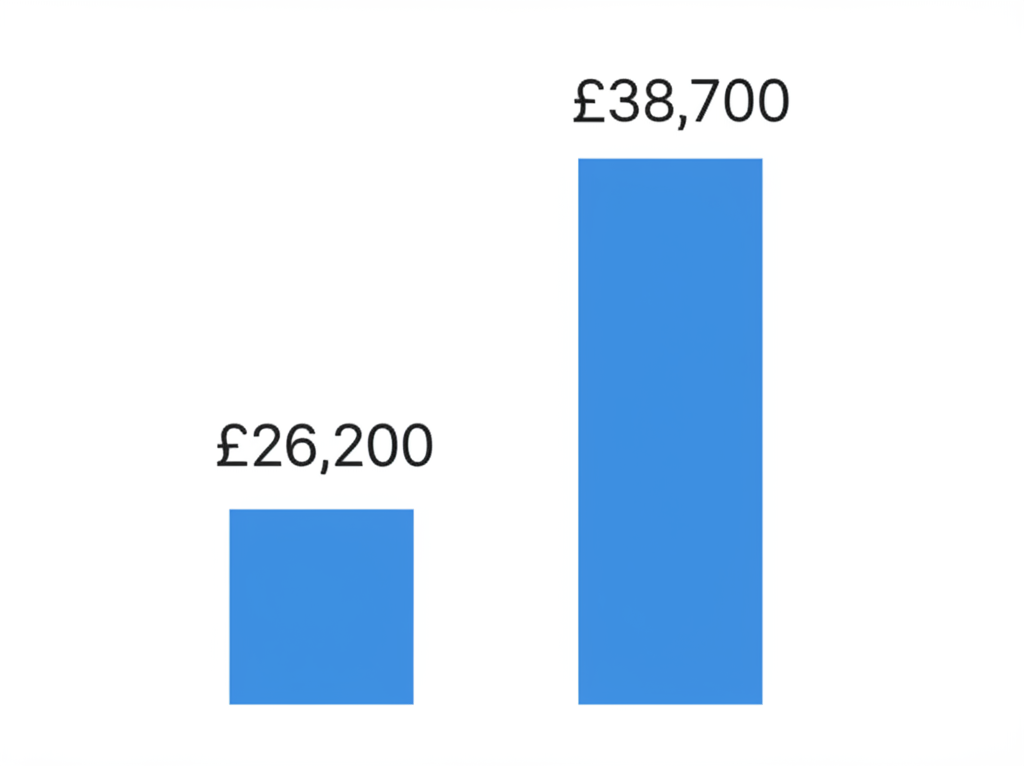
- Increased Salary Threshold: The general minimum salary required for a Skilled Worker visa has seen a substantial increase of nearly 50%, rising from £26,200 to £38,700. This change makes it considerably harder for Sri Lankan applicants, particularly those in junior or mid-level roles, to secure a sponsored job that meets the financial criteria.
- Restrictions on Dependents: In a targeted move, care workers and senior care workers on the Health and Care Worker visa are no longer permitted to bring dependent family members (spouses and children) to the UK. While this is not a blanket ban for all Skilled Workers, it significantly affects a route previously popular among Sri Lankan applicants.
- Post-Study Visa Challenges: The path from studying to working in the UK has become steeper. Sri Lankan graduates must now secure a job offer meeting the high £38,700 salary threshold to switch to a Skilled Worker visa. Furthermore, the popular two-year Graduate visa route is under review, creating uncertainty for students who rely on it to gain post-graduation work experience.
For prospective Sri Lankan migrants, these changes demand a more strategic approach. Securing a visa now requires obtaining a higher-paying job offer and navigating a system with fewer flexible pathways, fundamentally reshaping the UK’s appeal for skilled talent from Sri Lanka.
The New Salary Threshold: Deconstructing the £38,700 Requirement
One of the most significant changes affecting Sri Lankan professionals seeking to work in the UK is the dramatic increase in the minimum salary requirement for the Skilled Worker visa. The general salary threshold has been raised to £38,700 per year, a substantial jump from the previous £26,200. This policy shift is designed to ensure that migrant workers are filling higher-skilled, higher-paid roles, directly impacting the feasibility of UK employment for many applicants.
However, meeting this £38,700 figure is only part of the equation. The rules operate on a dual-check system. A job offer must meet both the general threshold and the specific ‘going rate’ for that particular occupation, with the visa being granted based on whichever figure is higher. The ‘going rate’ is the median salary for a role as defined by its official Standard Occupational Classification (SOC) code. For example, if the going rate for a specific engineering role is £42,000, an applicant must be paid at least that amount, even though it is above the £38,700 general threshold.
For many Sri Lankan graduates and early-career professionals, this presents a formidable barrier. While senior positions in high-demand sectors like IT, finance, and healthcare may meet or exceed this requirement, a vast number of junior or mid-level professional roles will fall short. Key takeaways include:
- The General Floor: Your salary must be at least £38,700 per year.
- The ‘Going Rate’ Rule: Your salary must also equal or exceed the median wage for your specific job in the UK.
- The Highest Figure Applies: Your application will be judged against the higher of these two salary requirements.
While some concessions exist for specific PhD-level roles, new entrants to the labour market, and jobs on the new Immigration Salary List, the overarching message is clear: the UK is prioritising high-earning professionals, making strategic career planning more critical than ever for prospective Sri Lankan applicants.
The Dependents Ban: A Major Hurdle for Care Workers
One of the most significant and challenging new rules for Sri Lankans aspiring to work in the UK’s care sector is the ban on bringing dependents. As of early 2024, care workers and senior care workers applying for the Health and Care Worker visa are no longer permitted to bring their partners or children with them to the UK.
This policy represents a major deterrent for many potential applicants from Sri Lanka, where family unity is often a cornerstone of society. Previously, the ability to relocate with one’s family was a key attraction of the UK visa route, offering the promise of building a new life together. Now, individuals face the heart-wrenching choice between pursuing a valuable career opportunity and being separated from their loved ones for an extended period.
The emotional toll of this separation is immense, but the practical and financial challenges are equally daunting. Workers must manage the stress of a demanding job in a new country while worrying about their family back home. Financially, supporting two separate households—one in the UK and another in Sri Lanka—on a care worker’s salary is incredibly difficult, significantly undermining the economic benefits of working abroad.
This change effectively narrows the pool of candidates willing to apply. Many skilled and compassionate Sri Lankan care workers may now be forced to reconsider their plans, looking instead to countries with more inclusive immigration policies or choosing to remain in Sri Lanka with their families. For the UK’s social care sector, which relies heavily on international staff, this could worsen existing staff shortages by cutting off a vital stream of dedicated workers.

Post-Study Hurdles: The Shrinking Pathway for Sri Lankan Graduates
For decades, the United Kingdom represented a clear progression for ambitious Sri Lankan students: earn a world-class degree, gain work experience, and build a future. However, the once-reliable bridge from graduation to long-term settlement is now fraught with significant obstacles, making this dream increasingly difficult to realise.
The primary route after graduation is the Graduate Route visa, which allows graduates to stay and work for two years (three for PhD holders). While a welcome opportunity, it initiates a high-pressure race against time. Within this short window, graduates must secure a job with an employer willing and able to sponsor a Skilled Worker visa—a monumental task in a competitive market, especially for those in fields outside of finance and technology.
The greatest challenge is transitioning to the Skilled Worker visa itself. Graduates are no longer shielded by entry-level salary concessions. They must meet the new, substantially higher general salary threshold. For a recent graduate in a starting role, earning a salary that clears this high bar is often an unrealistic expectation. This transforms the post-study period from a career stepping-stone into a formidable financial wall.
Compounding these professional pressures are profound personal challenges. The recent government policy preventing most international students from bringing dependents has a significant downstream effect. Graduates on the post-study route who wish to have their partners or children join them are unable to do so until they secure a Skilled Worker visa. This policy forces many, particularly mature students, into making agonising choices between their career aspirations in the UK and their family life.
Combined, these factors—the ticking clock of the Graduate visa, the steep salary requirements, and the restrictions on family life—are constricting the pathway for Sri Lankan talent. The UK’s academic excellence remains, but the route from student to settled professional has become narrower and far more uncertain.

Impact on Key Sectors for Sri Lankan Professionals
The UK’s revised visa policies, including the heightened salary threshold and restrictions on dependents, are set to reshape the landscape for Sri Lankan professionals. These changes create distinct challenges across sectors that have historically been popular pathways for skilled migration, filtering opportunities and favouring only high-earning, experienced individuals.
- Healthcare and Social Care: This sector faces a dual challenge. While doctors and senior nurses may meet the new salary benchmark, the ban on dependents for care workers makes the UK a far less viable option for those with families. This rule directly impacts a key demographic of Sri Lankan healthcare professionals, potentially worsening staff shortages in the NHS and private care homes. Many junior medical roles may also struggle to meet the financial requirements.
- Information Technology: Sri Lanka’s robust IT talent pool will find the UK market more difficult to enter. While senior developers and cybersecurity experts can often command high salaries, the new threshold presents a significant barrier for junior programmers, recent graduates, and those working for smaller start-ups that cannot afford such high entry-level wages. The post-study hurdles make it especially hard for graduates from UK universities to transition into the workforce.
- Finance and Engineering: Professionals in these fields, particularly in senior roles based in London, may still find opportunities. However, the new rules disproportionately affect entry-level and mid-career positions, especially outside the capital. Roles in accounting, civil engineering, and financial analysis that previously served as accessible entry points are now largely out of reach for many new Sri Lankan migrants.
Ultimately, these policy shifts narrow the UK’s appeal, restricting pathways for a broad range of skilled Sri Lankan talent. This impacts not only the career aspirations of professionals but also the UK’s ability to fill critical skills gaps across its economy.

Strategies and Alternative Pathways for Sri Lankan Applicants
Navigating the UK’s updated immigration landscape, including the significantly increased general salary threshold of £38,700, requires a strategic approach. For Sri Lankan professionals, focusing on specific tactics and exploring other visa routes can be key to a successful application.
Maximising Skilled Worker Visa Success
To meet the higher financial requirements, applicants should consider the following strategies:
- Target the Immigration Salary List (ISL): Pursue roles on the ISL, as these occupations benefit from a lower salary threshold.
- Focus on High-Demand Sectors: Industries like technology, engineering, finance, and specific scientific fields often offer salaries that meet or exceed the new threshold.
- Leverage Qualifications: Applicants with relevant PhDs, particularly in STEM subjects, may qualify for a lower salary requirement.
- Negotiate Your Salary: Proactively negotiate with potential employers, presenting a strong case for your value based on your skills and experience to secure a higher salary offer.
Exploring Alternative Visa Routes
If the Skilled Worker visa proves challenging, several other pathways are worth considering:
- Health and Care Worker Visa: A vital route for medical and care professionals. It has a lower salary threshold and is exempt from the £38,700 general increase, but note that care workers on this visa can no longer bring dependents.
- Global Talent Visa: This route is for recognised or potential leaders in academia, research, arts and culture, or digital technology. It does not require a job offer or a salary threshold.
- High Potential Individual (HPI) Visa: Open to recent graduates from a list of top global universities, providing a flexible option to work in the UK without prior sponsorship.
- Innovator Founder Visa: For entrepreneurs with a unique and viable business idea endorsed by an approved body.
Thorough research and proactive career planning are essential for identifying the most suitable and viable pathway to the UK.

References
- Home Office: New salary rules for work visas in force from today
- GOV.UK: Skilled Worker visa – Your job (Salary requirements)
- Home Office: Restrictions on care worker visas in force today
- GOV.UK: Student visa – Your family members (Dependants)
- UK Government: Fact Sheet on Net Migration Measures
- GOV.UK: Migration Advisory Committee to review the Graduate route
- BBC News: Graduate visa – Is the UK’s post-study work offer at risk?