Sri Lanka’s Rise as Asia’s Premier Travel Destination in 2026
Sri Lanka has officially emerged as one of Asia’s most compelling travel destinations for 2026, earning recognition as the fifth best place to visit in Asia according to U.S. News & World Report. This remarkable achievement reflects a significant transformation in global tourism preferences, where travelers increasingly seek authentic experiences, diverse landscapes, and exceptional value—all qualities that Sri Lanka delivers in abundance on a single compact island.
The island nation is no longer a hidden gem whispered about among seasoned travelers; it has become a rising star in global tourism. In 2026, Sri Lanka offers a perfect balance of affordability, accessibility, safety, and unforgettable experiences that appeal to every type of traveler imaginable.
Understanding the 2026 Travel Landscape: What Travelers Really Want
The tourism industry is experiencing a fundamental shift in what modern travelers prioritize. Three major trends are reshaping how people plan their vacations, and Sri Lanka is uniquely positioned to meet these evolving demands.
The Decision Detox: Simplifying Travel Planning
Modern travelers are exhausted from planning every detail of their holidays. The rise of “decision-free getaways” represents a golden opportunity for Sri Lankan tourism operators. Rather than overwhelming guests with endless choices, forward-thinking boutique hotels and retreat centers are developing all-inclusive packages where meals, activities, and experiences are thoughtfully curated from arrival to departure.
This approach particularly appeals to two key demographics: women managing family decisions and high-performing professionals seeking genuine rest. Week-long yoga and Ayurveda retreat programs, where guests simply arrive and everything is arranged, are gaining significant traction. Sri Lanka’s established wellness tourism infrastructure makes it ideal for this market segment.
Untrending: The Anti-Instagram Travel Movement
While travelers still visit iconic destinations, they’re increasingly seeking alternatives to overcrowded hotspots. This shift presents Sri Lanka with a strategic advantage. Rather than competing solely on famous attractions like Galle and Ella, savvy tour operators are promoting lesser-visited gems including Jaffna, Batticaloa, and the Knuckles Mountain Range.
The emerging “anti-Instagram brigade” craves genuine connections over perfect photos. They want to explore authentic, off-the-beaten-track destinations where they can interact meaningfully with local communities rather than pose for social media. This trend aligns perfectly with Sri Lanka’s diverse geography and rich cultural heritage beyond the well-trodden tourist paths.

Regenerative Travel: Leaving Places Better Than Found
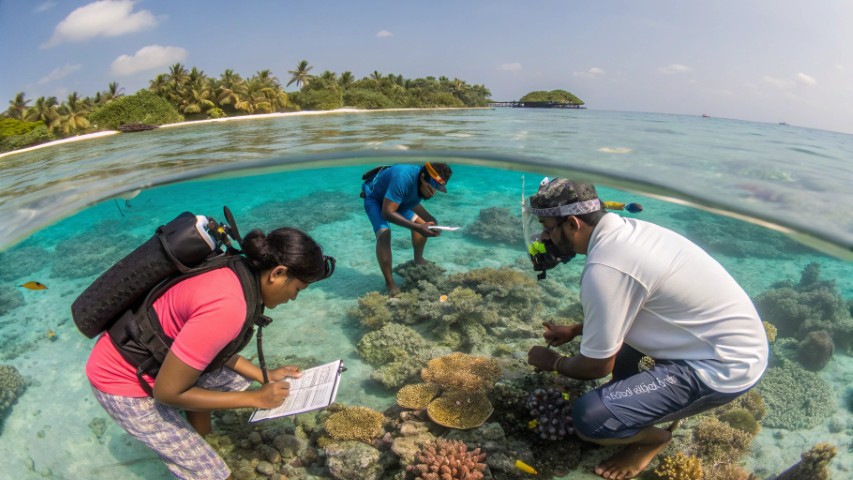
Beyond conventional sustainability, regenerative travel seeks to leave destinations better than they were found. This philosophy resonates strongly with conscious travelers who want their tourism dollars to create positive impact. Sri Lankan operators are integrating this approach by supporting rewilding projects, coral restoration initiatives, and community development programs that demonstrate transparent economic benefits to local communities.
Adventure Tourism: Sri Lanka’s Competitive Edge
Adventure travel represents a major trend for 2026, and Sri Lanka is perfectly positioned to capture this growing market segment. The island combines thrilling activities with comfort, safety, and expert local guides—a combination that appeals to adventure seekers of all experience levels.
Top Adventure Activities in Sri Lanka
- Surfing: Weligama and Arugam Bay offer world-class waves for beginners and experienced surfers alike
- Hiking: Adam’s Peak provides one of Asia’s most iconic trekking experiences with spiritual and cultural significance
- White-water Rafting: Kitulgala offers exhilarating rapids surrounded by lush jungle scenery
- Scuba Diving and Snorkeling: Hikkaduwa and surrounding reefs showcase vibrant marine biodiversity
These activities showcase Sri Lanka’s remarkable geographic diversity within a relatively small area, allowing travelers to experience multiple adventure types during a single trip.
Sustainability and Eco-Tourism: Sri Lanka’s Ethical Framework
Sustainability has evolved from a niche preference to a mainstream travel requirement in 2026. Sri Lanka is actively embracing eco-friendly tourism practices that appeal to environmentally conscious travelers.
Eco-Tourism Highlights Across the Island
- Nature retreats in jungle and hill country regions
- Wildlife conservation projects offering meaningful participation opportunities
- Plastic-free resorts pioneering waste reduction initiatives
- Community-based tourism experiences that directly benefit local populations
These initiatives represent more than marketing strategies; they reflect a genuine commitment to responsible tourism that supports local communities while preserving Sri Lanka’s natural heritage for future generations.
Infrastructure Improvements Supporting Growth
Sri Lanka’s tourism renaissance is supported by tangible infrastructure improvements that make visiting easier and more rewarding than ever before. Expanded international flights have increased accessibility from major global markets, while improved domestic transportation networks enable seamless travel across the island. These developments reduce friction in the travel experience, allowing visitors to focus on exploration and connection rather than logistical challenges.
Diverse Appeal: Sri Lanka for Every Traveler Type
A crucial factor in Sri Lanka’s rising prominence is its universal appeal across different traveler segments:
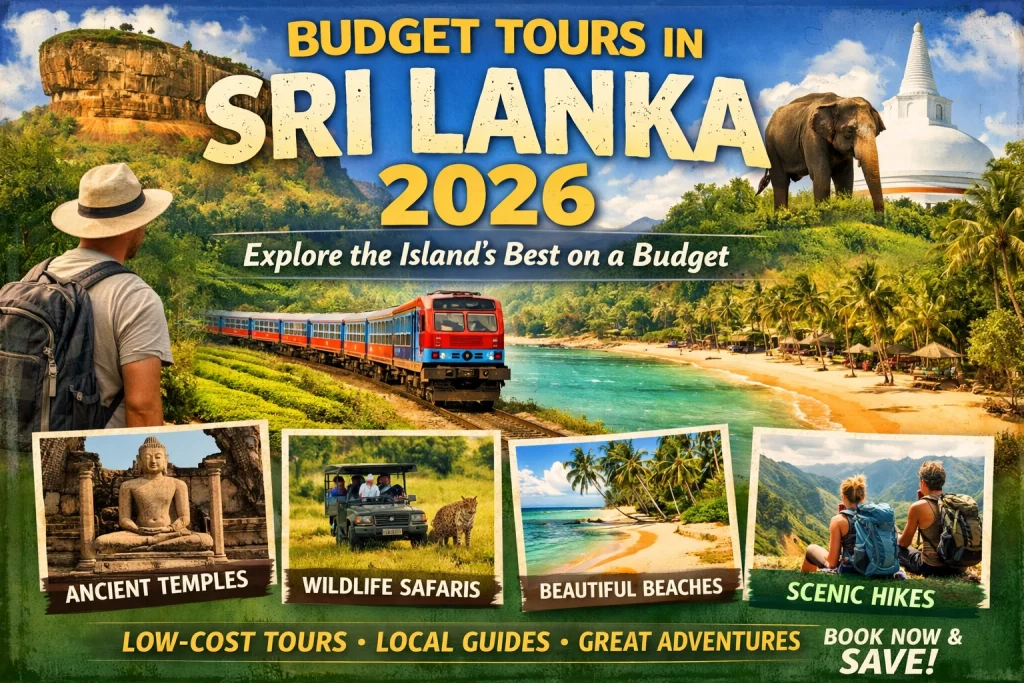
- Budget travelers and backpackers benefit from exceptional value and well-established budget accommodation networks
- Luxury seekers and honeymooners enjoy world-class resorts and exclusive experiences
- Families and group travelers find diverse activities suitable for all ages and interests
- Adventure lovers and digital nomads discover both thrilling activities and reliable connectivity for remote work
This diversity means that Sri Lanka can market itself effectively to multiple demographic segments simultaneously, maximizing tourism revenue while distributing visitor impact across different regions and seasons.
The Competitive Advantage: Why Sri Lanka Stands Out
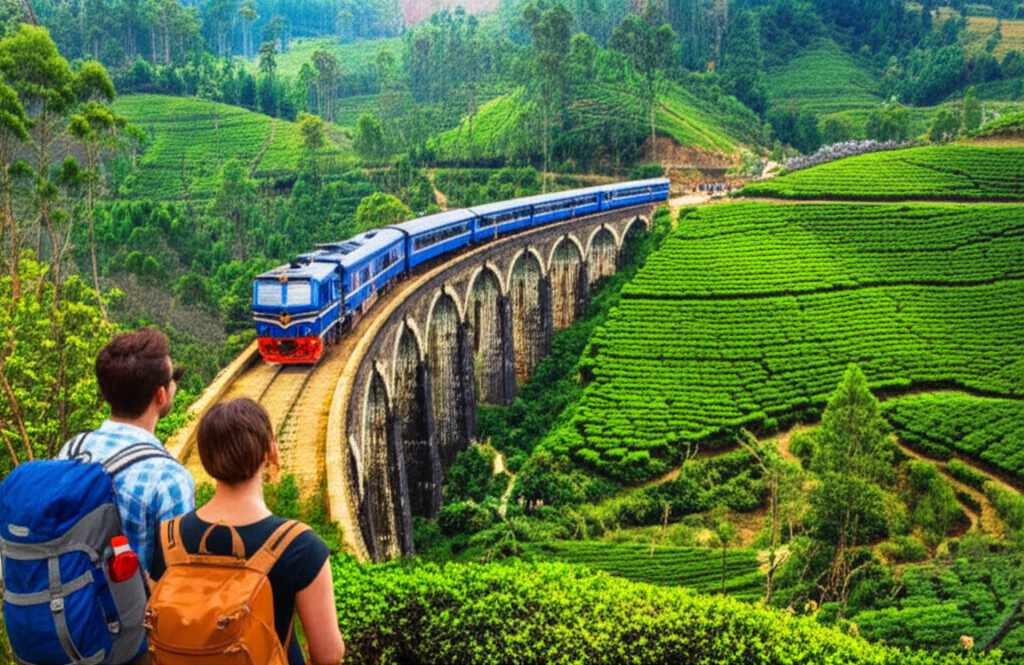
Sri Lanka’s competitive advantage in 2026 stems from several interconnected factors. The island offers unmatched variety in a compact geography—golden beaches, misty hill country, ancient heritage sites, and wildlife-rich national parks are all accessible within hours of each other. This concentration of diverse attractions allows travelers to experience multiple destination types in a single trip, providing exceptional value.
Additionally, as global travel trends shift toward sustainability, slow travel, and immersive cultural journeys, Sri Lanka’s existing strengths in these areas position it perfectly for modern explorers. The island’s commitment to regenerative tourism practices aligns with traveler values rather than conflicting with them.
Looking Forward: Sri Lanka’s Tourism Future
The convergence of global travel trends and Sri Lanka’s natural and cultural assets creates unprecedented opportunity for the island’s tourism sector in 2026 and beyond. By embracing decision-free travel packages, promoting lesser-known destinations, integrating regenerative tourism practices, and continuing infrastructure improvements, Sri Lanka can capture growing market segments while maintaining the authentic experiences that differentiate it from mass-tourism competitors.
For travelers planning their 2026 adventures, Sri Lanka represents the perfect destination—a place where adventure, sustainability, cultural immersion, and natural beauty converge in a single, accessible location that respects both traveler desires and local communities.