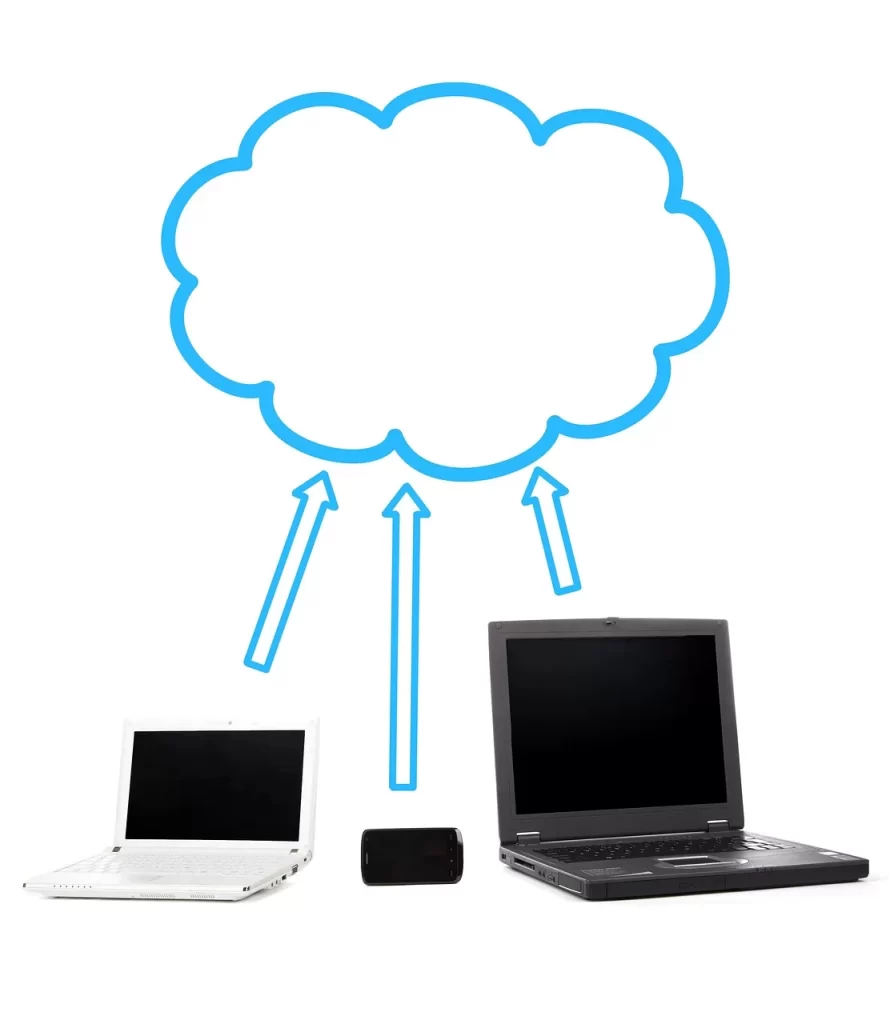
You’re likely no stranger to the frustration of slow data access, limited storage, and costly hardware upgrades. As you struggle to keep up with your growing data needs, you might be wondering if there’s a better way. The good news is that 85% of companies have already made the switch to cloud computing, according to a report by McKinsey. This shift has resulted in significant cost savings, with some companies reducing their IT expenses by up to 30%.
As you consider making the move to cloud computing, you’re probably looking for a clear understanding of what it entails and how it can benefit your organization. You want to know how cloud computing can help you scale your business, improve collaboration, and enhance data security. With cloud computing, you can access your data from anywhere, at any time, and on any device.
By the end of this article, you’ll have a thorough understanding of cloud computing and how it can address your specific pain points. You’ll learn about the different types of cloud computing, including public, private, and hybrid clouds, as well as the various deployment models and service providers.
Introduction to Cloud Computing
A staggering 94% of enterprises use cloud services, according to a survey by McKinsey & Company. This widespread adoption has led to significant growth in the cloud computing market, with Forbes predicting it will reach $791 billion by 2028. But what exactly is cloud computing, and how did it become such a dominant force in the tech industry?
Cloud computing refers to the practice of using a network of remote servers, accessed over the internet, to store, manage, and process data. This allows users to access applications, data, and services from anywhere, at any time, without the need for expensive hardware or infrastructure. The concept of cloud computing has been around for several decades, with the first cloud-like services emerging in the 1960s. The term “cloud computing” was first coined in the early 2000s, and since then, the technology has evolved rapidly, with major players like Amazon Web Services (AWS), Microsoft Azure, and Google Cloud Platform (GCP) driving innovation and adoption.
A Brief History of Cloud Computing
The history of cloud computing is marked by significant milestones, including the launch of Amazon Web Services (AWS) in 2006, which is often credited with popularizing the concept of cloud computing. Another key milestone was the introduction of Microsoft Azure in 2010, which marked a significant shift towards cloud-based services for enterprise customers. For example, Netflix is a well-known user of cloud computing, having migrated its entire infrastructure to AWS in 2016. This move allowed Netflix to scale its services more efficiently, reducing costs and improving performance. You can see the impact of cloud computing in many areas of our lives, from the way we store and access our personal data to the way businesses operate and deliver services.
As cloud computing continues to evolve, we can expect to see even more innovative applications and use cases emerge. With the rise of artificial intelligence (AI), machine learning (ML), and Internet of Things (IoT), the potential for cloud computing to drive business transformation and improve our daily lives is vast. By understanding the definition and history of cloud computing, we can better appreciate the significance of this technology and its potential to shape the future of the tech industry.
Types of Cloud Computing
A staggering 94% of enterprises already use cloud services, with the global cloud computing market expected to reach $832 billion by 2025, according to a report by MarketsandMarkets. This significant growth can be attributed to the various types of cloud computing that cater to different business needs. You can choose from public, private, or hybrid cloud models, each with its own set of benefits and drawbacks.
The public cloud is the most widely used model, where services are provided over the internet by third-party providers such as Amazon Web Services (AWS), Microsoft Azure, or Google Cloud Platform (GCP). This model offers scalability, flexibility, and cost-effectiveness, making it an attractive option for businesses of all sizes. For instance, Netflix relies heavily on AWS for its content streaming services, taking advantage of the public cloud’s ability to handle large volumes of data and traffic.
Private and Hybrid Cloud Models
In contrast, a private cloud is a single-tenant environment that is typically hosted on-premises or in a data center, providing greater control and security. This model is often preferred by organizations with sensitive data, such as financial institutions or government agencies. On the other hand, a hybrid cloud combines the benefits of both public and private clouds, allowing businesses to store sensitive data on-premises while using public cloud services for less sensitive data. You can consider a hybrid cloud approach if you need to integrate your existing infrastructure with cloud services, as seen in the case of General Electric, which uses a hybrid cloud model to manage its vast amounts of industrial data.
When choosing a cloud model, you should consider factors such as data security, compliance, and scalability. By understanding the different types of cloud computing, you can make an informed decision that meets your business needs and goals. Can you imagine the possibilities of cloud computing in your organization, and which model would you choose to drive innovation and growth?
Cloud Computing Services
A staggering 94% of enterprises already use cloud services, according to a report by McKinsey. But wait — there’s more to consider. As cloud computing continues to evolve, the range of services offered has expanded to cater to diverse business needs. At the core of cloud computing are three primary service models: Infrastructure as a Service (IaaS), Platform as a Service (PaaS), and Software as a Service (SaaS).
IaaS provides users with on-demand access to computing resources such as servers, storage, and networking. This model allows businesses to scale their infrastructure up or down as needed, without the burden of managing underlying hardware. For instance, Amazon Web Services (AWS) offers a comprehensive IaaS platform, enabling companies like Netflix to handle massive traffic spikes during peak hours. You can deploy and manage your own software applications on IaaS platforms, giving you full control over the underlying infrastructure.
In contrast, PaaS takes care of the underlying infrastructure, providing a platform for developing, running, and managing applications. This model is ideal for businesses that want to focus on application development without worrying about the underlying infrastructure. Microsoft Azure is a popular PaaS provider, offering a range of tools and services for building, deploying, and managing applications. With PaaS, you can focus on writing code and deploying applications, while the cloud provider handles the rest.
Lastly, SaaS delivers software applications over the internet, eliminating the need for local installation and maintenance. This model has become incredibly popular, with Microsoft Office 365 and Google Workspace being prime examples. SaaS applications can be accessed from anywhere, on any device, making them perfect for remote teams and collaborative work. You can simply sign up for a SaaS service and start using the application, without worrying about the underlying infrastructure or maintenance.
As the cloud computing market continues to grow, these service models will play a vital role in shaping the future of business technology. By understanding the differences between IaaS, PaaS, and SaaS, you can make informed decisions about which services best suit your business needs. With the right cloud computing services, you can increase agility, reduce costs, and improve overall efficiency.
Benefits of Cloud Computing
A staggering 94% of enterprises already use cloud services, according to a report by McKinsey & Company. But here’s where it gets interesting. The benefits of cloud computing are so significant that companies like Netflix and Amazon have built their entire businesses around it. One of the primary advantages of cloud computing is scalability. With cloud computing, you can quickly scale up or down to meet changing business needs, without having to invest in new hardware or infrastructure. This flexibility is particularly useful for businesses with fluctuating workloads or those that experience sudden spikes in demand.
Another significant benefit of cloud computing is cost-effectiveness. By using cloud services, businesses can avoid the high upfront costs of purchasing and maintaining hardware and software. Instead, they can pay for only what they use, on a pay-as-you-go basis. This approach can result in significant cost savings, especially for small and medium-sized businesses. For example, a company like Dropbox can provide cloud storage services to its customers at a fraction of the cost of traditional on-premise storage solutions. According to a study by Forrester Research, companies that adopt cloud computing can reduce their IT costs by up to 30%.
Cloud computing also enables increased productivity by providing employees with access to applications and data from anywhere, at any time. This flexibility is particularly useful for businesses with remote workers or those that operate in multiple locations. For instance, a company like Salesforce can provide its sales teams with access to customer data and sales tools from any device, at any time, allowing them to work more efficiently and effectively. You can see how this would be a significant advantage for businesses that need to respond quickly to changing market conditions or customer needs. By adopting cloud computing, businesses can improve their agility, reduce costs, and increase productivity, making it an attractive option for companies of all sizes.
Real-World Applications of Cloud Computing
A staggering 94% of enterprises already use cloud services, with the global cloud computing market projected to reach $791 billion by 2028, growing at a Compound Annual Growth Rate (CAGR) of 17.5%, according to a report by MarketsandMarkets. This widespread adoption is a testament to the versatility and benefits of cloud computing. You can see cloud computing in action across various industries, including healthcare, finance, and education.
In healthcare, cloud computing enables the secure storage and analysis of large amounts of patient data, medical images, and research findings. For instance, IBM’s Watson Health uses cloud-based artificial intelligence to help doctors diagnose diseases more accurately and quickly. You can also consider the example of Medidata, a cloud-based platform that facilitates the management of clinical trials, allowing researchers to collaborate and share data more efficiently. This has significant implications for the development of new treatments and therapies.
Industry-Specific Examples
In finance, cloud computing provides a scalable and secure infrastructure for processing transactions, managing risk, and complying with regulations. Goldman Sachs, for example, uses cloud-based services to support its trading and investment operations. In education, cloud computing facilitates online learning, enabling students to access course materials, collaborate on projects, and interact with instructors remotely. You can look at the example of Udacity, an online learning platform that uses cloud-based services to deliver personalized education to students worldwide.
What sets these examples apart is the ability of cloud computing to support specific business needs and industry requirements. By providing on-demand access to computing resources, cloud computing enables organizations to respond quickly to changing market conditions, customer demands, and regulatory requirements. As the demand for cloud computing continues to grow, you can expect to see even more innovative applications of this technology in various industries.
Empowering Your Digital Future
According to a recent study by Gartner, 85% of organizations will adopt a cloud-first approach by 2025. With this shift, individuals and businesses can unlock unprecedented scalability and flexibility. The key takeaway is that cloud computing offers a transformative opportunity to revolutionize the way we work and live. By understanding the benefits and applications of cloud computing, you can make informed decisions about your digital infrastructure. Start exploring cloud computing services today and discover the possibilities for yourself – what will you achieve with the power of cloud computing at your fingertips?
Frequently Asked Questions
What is cloud computing?
Cloud computing is the delivery of computing services over the internet
What are the benefits of cloud computing?
The benefits of cloud computing include scalability, cost-effectiveness, and increased productivity
Facebook
X
LinkedIn
WhatsApp
ashen
Daily News Digest
Get the top stories delivered to your inbox every morning. No spam, ever.
You’re likely wasting half of your data’s potential if you’re still relying on traditional cloud computing. The truth is, most organizations are stuck in a cloud-centric mindset, unaware that a
Picture this: you wake up to a smart alarm that monitors your sleep patterns, and as you start your day, your home’s temperature and lighting adjust automatically to your preferences.