Colombo’s Transport Anarchy: The Problem Jiffry Zulfer Vowed to Solve
Before Jiffry Zulfer launched his ride-hailing app, getting around Colombo was a daily struggle. The city’s streets were filled with three-wheelers, or tuk-tuks, but finding a reliable ride was a gamble. Commuters had to wave down drivers and then start a negotiation. There was no standard price, and meters were often ignored or “broken.” This meant that the final fare depended on your bargaining skills, the time of day, and even the weather.
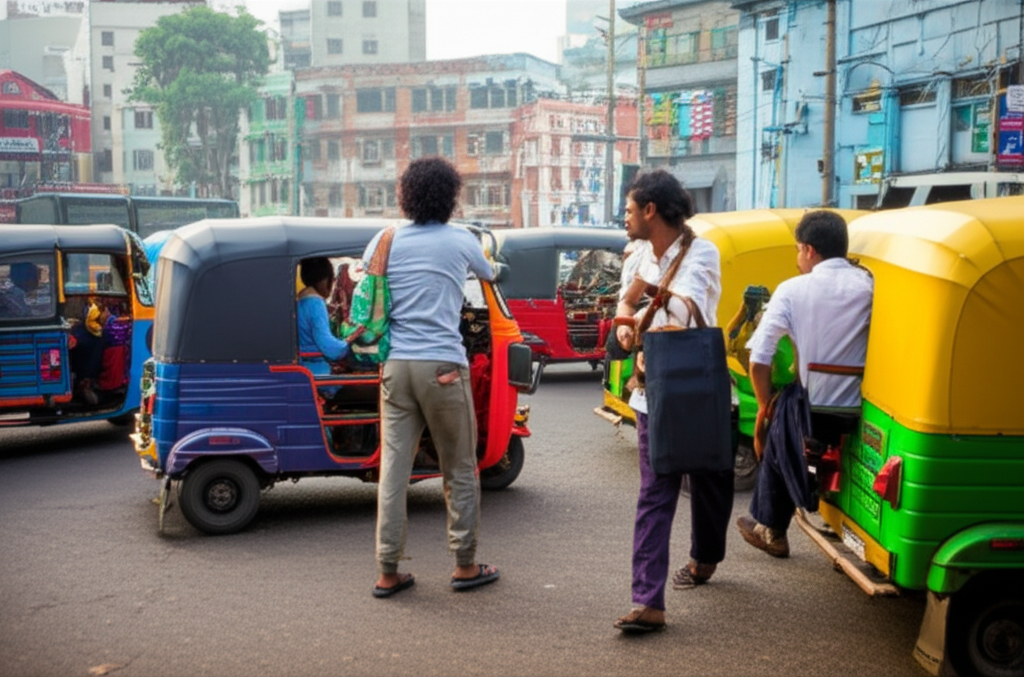
This lack of order created major problems for residents. Safety was a big concern, especially for women traveling alone at night. Drivers could refuse to go to certain destinations or charge huge amounts during rush hour. For many, transportation was an unpredictable and stressful expense, impacting the overall cost of living in Colombo. The system was chaotic and unfair, leaving passengers feeling powerless.
Jiffry Zulfer saw this chaos not just as an inconvenience, but as a problem that technology could fix. Having grown up in Colombo, he experienced these frustrations firsthand. He watched as apps like Uber transformed transport in other countries and believed Sri Lankans deserved the same. He envisioned a simple solution: a platform where a person could book a ride from their phone, see the exact cost beforehand, and know their driver was tracked and accountable.
This vision became his mission. Zulfer was determined to replace the daily transport battle with a system built on trust and efficiency. He set out to create a homegrown solution that understood local needs, which would eventually become PickMe, Sri Lanka’s ride-hailing pioneer. His goal was to bring order to the streets and give power back to the passenger.
The Birth of a Local Champion: The Genesis of PickMe
Before 2015, getting around Colombo was often a frustrating experience. Hailing a three-wheeler, or tuk-tuk, meant haggling over fares. Prices were inconsistent, and safety was a real concern for many passengers. Jiffry Zulfer, a tech entrepreneur, saw this daily chaos not as a problem but as an opportunity. He believed technology could bring order and fairness to the streets.
The idea for PickMe was born from this simple observation. Zulfer envisioned a mobile app that could connect passengers directly with drivers. It would show the fare upfront, track the ride in real-time, and provide a safe, reliable service. But he knew that simply copying a foreign app like Uber wouldn’t work. The solution had to be uniquely Sri Lankan. This meant including the iconic tuk-tuk, offering cash payment options, and building a system that worked even with slower internet connections.
To turn his vision into reality, Zulfer needed a strong team and significant funding. He gathered a group of talented local software engineers, tapping into the country’s growing pool of in-demand IT skills. Securing investment was the next big challenge. He successfully pitched his idea to prominent local investors who believed in homegrown innovation. One of his key backers was Ishara Nanayakkara, a business leader known for spotting potential in local companies.
With a solid team and crucial funding in place, PickMe launched in June 2015. It started with just tuk-tuks but quickly grew. The app was an instant hit. For the first time, Sri Lankans had a transparent and convenient way to travel. PickMe was not just a ride-hailing app; it was a Sri Lankan solution to a Sri Lankan problem, marking the beginning of a transport revolution in the country.

The Global Giant Arrives: Uber Enters the Colombo Arena
Just as Jiffry Zulfer’s PickMe began to solve Colombo’s transport problems, a global giant took notice. In 2015, Uber, the world’s most recognized ride-hailing service, launched in Sri Lanka. This arrival marked a critical moment for Zulfer and his homegrown company. Suddenly, they were not just competing with traditional taxis but with a powerful international brand known for its aggressive growth.
For many local startups, the entry of a competitor like Uber would be a death sentence. The American company had vast financial resources, advanced technology, and a global reputation. It entered the Colombo market with attractive introductory offers for both riders and drivers, aiming to capture a large share of the market quickly. The streets of the capital became the new battleground for a tech war, and many wondered if the local player could survive.
However, Zulfer saw this challenge as a validation of his vision. Uber’s arrival proved that the market he had identified and built was valuable. It confirmed that Sri Lankans were ready for app-based transport solutions. The competition forced PickMe to become even better. The company had to innovate faster, improve its service, and strengthen its connection with the local community to stay ahead.
This intense rivalry pushed Zulfer to refine his strategy, focusing on understanding local needs in a way a global company could not. The fight for Colombo’s roads was on, and Zulfer was ready to prove that a local champion, built with Sri Lankan ingenuity, could stand strong against a global titan.
Local Knowledge vs. Global Might: Zulfer’s Winning Strategy
When the global ride-hailing giant Uber launched in Sri Lanka in 2015, many thought a local startup like PickMe stood little chance. Uber had massive funding and a proven international model. But Jiffry Zulfer had a powerful advantage: a deep understanding of how Sri Lanka works. Instead of copying a foreign playbook, he built a strategy based on local realities.
Zulfer’s masterstroke was embracing the three-wheeler, or tuk-tuk. While Uber initially focused on cars, PickMe knew that tuk-tuks were the lifeblood of transport in Colombo’s chaotic streets. By adding them to the app, PickMe instantly connected with a huge market of both drivers and passengers. This simple move made the service more affordable and accessible for everyday travel.
Another key difference was payment. At the time, Sri Lanka was a cash-driven society. Uber’s model relied heavily on credit cards, which many people didn’t have or trust for small payments. Zulfer made sure PickMe accepted cash from the beginning. This opened the door for everyone to use the service, not just a small group of cardholders. Understanding the local payment landscape was crucial, especially with the rise of local mobile payment apps.
Finally, PickMe offered a 24/7 call center to book rides, catering to those less comfortable with smartphone apps. This focus on local needs showed that PickMe wasn’t just a tech company; it was a Sri Lankan solution for Sri Lankans. Like other successful local entrepreneurs such as Ishara Nanayakkara, Zulfer proved that knowing your home ground is the ultimate competitive edge.
The Socio-Economic Ripple Effect on Sri Lanka
Jiffry Zulfer’s introduction of app-based ride-hailing did more than just change how people travelled across Colombo. It created powerful waves that reshaped Sri Lanka’s economy and society. The change was felt from the city’s busy streets to the daily lives of thousands of families.

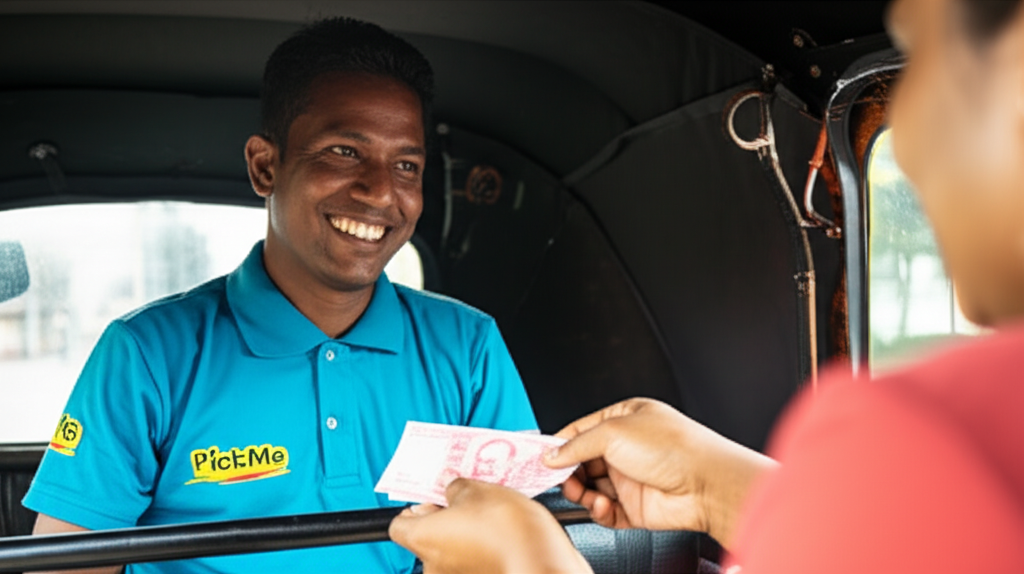
The most significant impact was job creation. For the first time, anyone with a tuk-tuk, car, or motorbike had a flexible way to earn money. This empowered a new class of entrepreneurs, giving them control over their work hours. Many drivers made it their full-time job, while others used it as one of several side-hustle ideas for Sri Lankans to supplement their income. This new financial freedom helped many families improve their standard of living.
Before ride-hailing apps, getting a fair price for a tuk-tuk ride often involved difficult negotiation. Zulfer’s model introduced transparent, metered pricing that was set before the ride began. This removed the stress of haggling and made transport a predictable part of the monthly budget, affecting the realistic cost of living in Colombo. Safety also improved greatly, as features like GPS tracking and driver details gave passengers, especially women, more security.
These platforms also pushed Sri Lankans to embrace digital technology. People who had never used an app for daily services began booking rides on their smartphones. This shift prepared the market for other digital services, from food delivery to online payments. In many ways, the ride-hailing revolution was a key step in Sri Lanka’s journey toward a modern digital economy.
The Road Ahead: Jiffry Zulfer’s Legacy and the Future of Mobility
Jiffry Zulfer’s impact on Sri Lanka goes far beyond creating a successful business. He changed how people travel in busy cities like Colombo. Before PickMe, finding a reliable ride was often difficult. Zulfer introduced a system that brought order to the chaos, making travel safer and more predictable for everyone. His work created thousands of jobs, giving drivers a flexible way to earn money. He proved that a Sri Lankan tech company could compete with global giants and win.
The road ahead for mobility in Sri Lanka presents new challenges and opportunities. PickMe has already expanded from just rides to food and package delivery. This shows how the platform can grow to meet more daily needs. However, the company and its drivers face ongoing issues like rising fuel costs. Learning how to reduce monthly fuel expenses has become crucial for drivers to stay profitable. The future will likely involve smarter technology, like using data to predict traffic and demand more accurately.
Jiffry Zulfer’s legacy is not just about the company he built, but the future he helped create. He inspired a new generation of entrepreneurs to solve local problems with technology. As Sri Lanka’s ride-hailing pioneer, his vision continues to shape the country’s digital landscape. The story of PickMe shows that with the right idea and determination, a local startup can change the lives of millions.

References
- PickMe (Sri Lanka) – Wikipedia. The official Wikipedia entry detailing the history, services, and corporate structure of Jiffry Zulfer’s company.
- “Uber vs PickMe: The Battle for Sri Lanka’s Roads”. Daily FT. An analysis of the competitive landscape between the local startup and the global giant in the Sri Lankan market.
- “How PickMe founder Jiffry Zulfer digitized the tuk-tuk”. ReadMe Sri Lanka. A profile on Zulfer’s journey and the technological challenges of building a ride-hailing platform for Colombo.
- “Uber officially launches in Colombo, Sri Lanka”. TechCrunch. The original announcement and coverage of Uber’s entry into the Sri Lankan market.