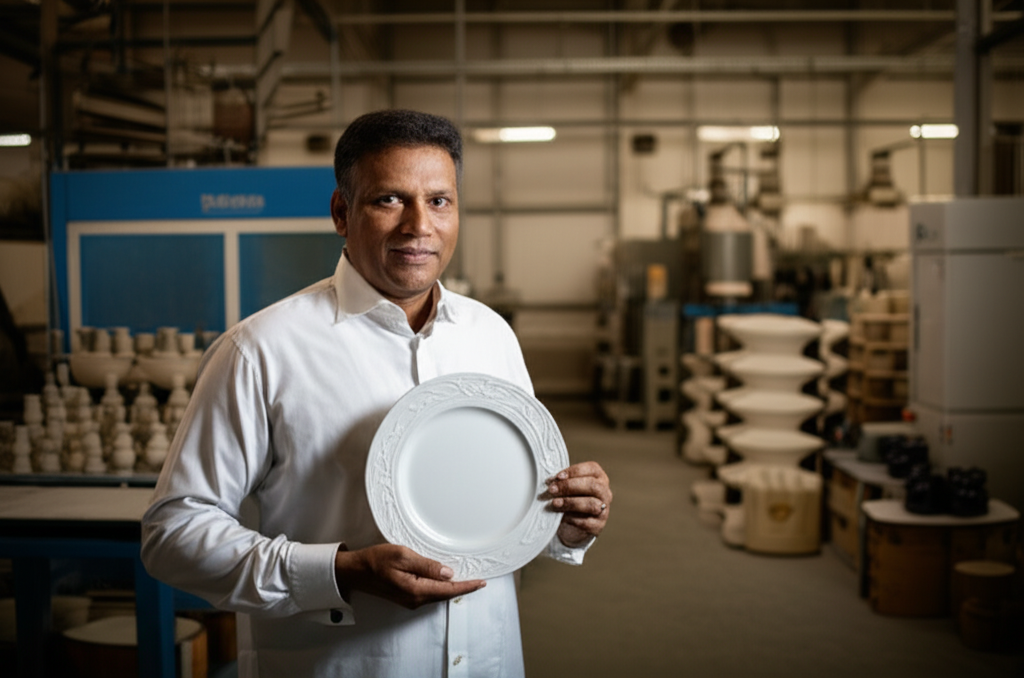

Introduction: The Architect of a New Era
After decades of conflict, Sri Lanka stood at a crossroads in 2009. The war was over, but much of the country was broken. Roads were damaged, bridges were gone, and communities were cut off from each other. To build a future of peace and wealth, the nation needed more than just hope. It needed new foundations. It needed roads, water systems, and power to connect people and restart the economy.
This is where Sumal Perera stepped in. As the founder and chairman of Access Group, he saw a great need and a great opportunity. He was not a politician but a businessman with a vision. Perera focused his company on the tough but essential work of infrastructure. His teams began building the very things Sri Lanka needed to heal and grow.
Access Group built more than just highways and flyovers. They built pathways to progress. A new road means a farmer can get his crops to the market faster. A stable water supply means a family is healthier. These projects create thousands of jobs for everyone from engineers to construction workers. While entrepreneurs like Ishara Nanayakkara were building financial empires, Perera was building the physical ones. He was paving the literal roads to riches.
Sumal Perera’s story is the story of modern Sri Lanka’s rebirth. It shows how one person’s focus on building the basics can change a nation. His work helped create a country with more opportunities, making it a place where skilled Lankans might choose to build their futures. This kind of development is a key part of the conversation around a potential reverse brain drain. Join us as we explore the story of the architect behind a new era.

The Foundation: From Trading to Tarmac
Every great structure starts with a solid foundation. For Sumal Perera, that foundation was not in concrete and steel, but in the fast-paced world of trading. Long before he became known for building highways, his journey began in 1989 with a small company called Access Trading. At the time, his focus was on importing and selling office equipment like fax machines and photocopiers.

While successful, Perera had a sharp eye for bigger opportunities. During a time of uncertainty in Sri Lanka, he saw a critical need that went beyond office supplies: the country needed modern infrastructure. He realised that building the nation’s future was a more impactful goal than just equipping its offices. This vision marked a major turning point in his career.
He bravely shifted his focus from trading goods to building the country itself. This led to the creation of Access Engineering PLC. By partnering with experienced Japanese construction firms, Perera’s company began taking on complex projects like water supply systems and flyovers. This strategic move allowed Access to build its reputation and technical skills. His ability to identify a new market and pivot is a powerful story, much like the journey of fellow entrepreneur Ishara Nanayakkara, who transformed the finance sector.
These early projects laid the groundwork for what was to come. When the war ended and Sri Lanka was ready for a new era of development, Access Engineering was perfectly positioned to lead the charge. The company had the experience and trust needed to handle the massive task of paving the nation’s new roads. Perera’s path from trading simple products to building complex tarmac highways is a masterclass for anyone interested in doing business in Sri Lanka.
Seizing the Moment: Rebuilding a Nation
When Sri Lanka’s long civil war ended in 2009, the nation faced a massive challenge. Decades of conflict had left roads, bridges, and essential services in ruin, especially in the North and East. While many saw only destruction, Sumal Perera saw a historic opportunity to reconnect and rebuild his country. He understood that building strong infrastructure was the first step toward peace and economic growth.

Perera’s company, Access Engineering, stepped up to become a key player in the nation’s reconstruction. They took on some of the most difficult and important projects. The company built modern highways and expressways that connected regions that had been isolated for years. They constructed vital flyovers in Colombo, easing traffic and helping businesses operate more smoothly. Access Engineering also worked on critical water supply and wastewater projects, improving the quality of life for countless Sri Lankans.
These were not just construction jobs; they were nation-building efforts. Each new road helped a farmer get his products to market faster. Each new bridge reconnected families and communities. Perera’s work helped create thousands of jobs and laid the physical groundwork for a new era of prosperity. His vision of building for the country’s future echoes the success of other national-minded entrepreneurs like Ishara Nanayakkara, who focused on financial empowerment.
By taking on these large-scale projects, Perera demonstrated immense confidence in Sri Lanka’s potential. This intense period of development helped boost the economy and showed the world that the island was open for business again, a crucial step in understanding if Sri Lanka is back on global investors’ radar. Sumal Perera didn’t just build roads; he paved the way for a more connected and hopeful future.
Blueprint for Progress: Landmark Projects
After the war ended in 2009, Sri Lanka needed to rebuild. Sumal Perera, through his company Access Engineering PLC, stepped up to the challenge. His work was not just about building; it was about connecting people and creating opportunities for a new era of peace and growth. His projects became the backbone of the nation’s revival.
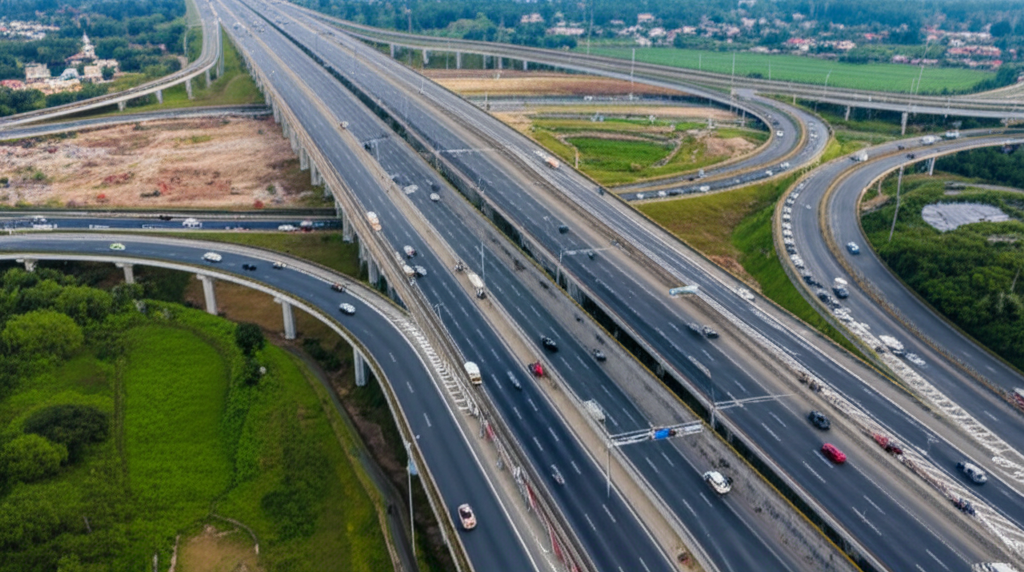
One of the most visible impacts was on the country’s road network. Access Engineering was a key player in building major expressways like the Southern Expressway and the Outer Circular Highway. These massive roads cut down travel time between major cities from hours to minutes. This made it easier for families and businesses to travel across the country, creating new opportunities for tourism and trade. An island-wide road trip that once took days became much faster and safer.
Beyond highways, the company built crucial bridges and flyovers that eased traffic in busy cities like Colombo. The Rajagiriya flyover, for example, is a testament to modern engineering that helps thousands of commuters daily. Another key project was the Mannar Bridge, which reconnected Mannar Island to the mainland, healing a divide left by the conflict.
Perera’s vision also extended to essential services like clean water. Access Engineering undertook large-scale water supply projects in towns across the island, improving the health and quality of life for hundreds of thousands of people. These landmark projects were more than just concrete and steel; they were the foundation for a stronger, more connected Sri Lanka. While Sumal Perera’s work in infrastructure provided the physical pathways for growth, figures such as Ishara Nanayakkara built financial pathways for small businesses, together helping shape the country’s economic future.
The Ripple Effect: Diversification and Economic Impact
Sumal Perera understood that a nation’s recovery could not be built on roads and bridges alone. While his company, Access Engineering, was a leader in post-war infrastructure, his true genius was in seeing the bigger picture. He began to diversify his business interests, moving into new sectors that would create a powerful ripple effect across Sri Lanka’s economy.
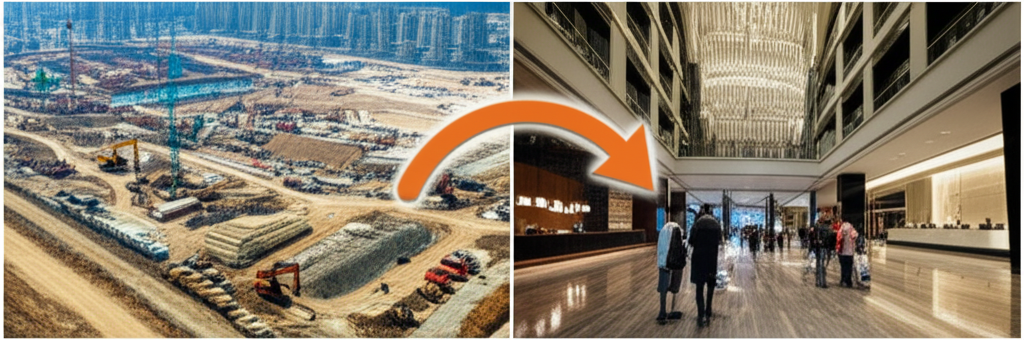
This was not a random expansion. Each move was a calculated step to strengthen the country’s commercial foundation. Access Group became the sole agent for luxury vehicle brands like Jaguar Land Rover. It ventured into real estate with landmark projects like the Access Towers. The group also made significant investments in telecommunications, healthcare, and power generation. Perera’s influence extended into finance, where he became a key figure in major financial institutions, much like his contemporary Ishara Nanayakkara – Microfinance Maestro Turning LKR into Billion-Dollar Empires.
The impact of this diversification was huge. It created thousands of jobs for Sri Lankans with a wide range of skills, from engineers and IT professionals to sales staff and technicians. By building successful companies, Perera offered talented people a reason to stay and contribute to their own country. This success provided opportunities that helped fuel a reverse brain drain, where skilled Sri Lankans returned home. His ventures also boosted smaller local businesses that provided goods and services, spreading economic benefits throughout the supply chain.
Legacy and the Road Ahead
Sumal Perera’s name is now tied to modern Sri Lankan infrastructure. His company, Access Engineering, built many of the roads, flyovers, and water supply systems that helped reconnect the nation after the war. His legacy is not just concrete and steel; it is the physical network that allows goods to move, people to travel, and communities to prosper. He built a strong reputation for completing complex projects on time and to a high standard, earning trust from both the government and the public.

Looking to the future, Access Engineering continues to evolve. While construction remains its core business, the company has grown into new areas like real estate, automotive services, and telecommunication infrastructure. This strategy helps the company stay strong even when one sector faces challenges. The road ahead for Sri Lanka’s development requires more than just building; it demands sustainable and smart solutions. Like other visionary business leaders such as Ishara Nanayakkara, Perera’s group must continue to innovate to meet the country’s changing needs.
Ultimately, Sumal Perera’s story provides a powerful blueprint for success. He proved that a local company could rise to become a dominant force in a critical industry, competing with international giants. His work has created thousands of jobs and laid the essential groundwork for Sri Lanka’s economic growth. For aspiring engineers and entrepreneurs, his journey is an inspiration, showing that with vision and dedication, one can build a lasting legacy that helps pave the road to a better future for all Sri Lankans.
References
- Access Engineering PLC on Wikipedia – The official Wikipedia entry for the publicly traded company chaired by Sumal Perera.
- “SUMAL PERERA” – Profile by LMD – A business profile on Sumal Perera from Lanka Monthly Digest (LMD), a leading Sri Lankan business magazine.
- Sri Lanka: Building Roads to Connect People to Prosperity – A World Bank report on the impact of road development projects in post-war Sri Lanka, providing context for the industry.
- Access Engineering PLC – Corporate Details – Official company information and financial data listed on the Colombo Stock Exchange (CSE).