Why Southern Sri Lanka? The Allure of Galle and Unawatuna
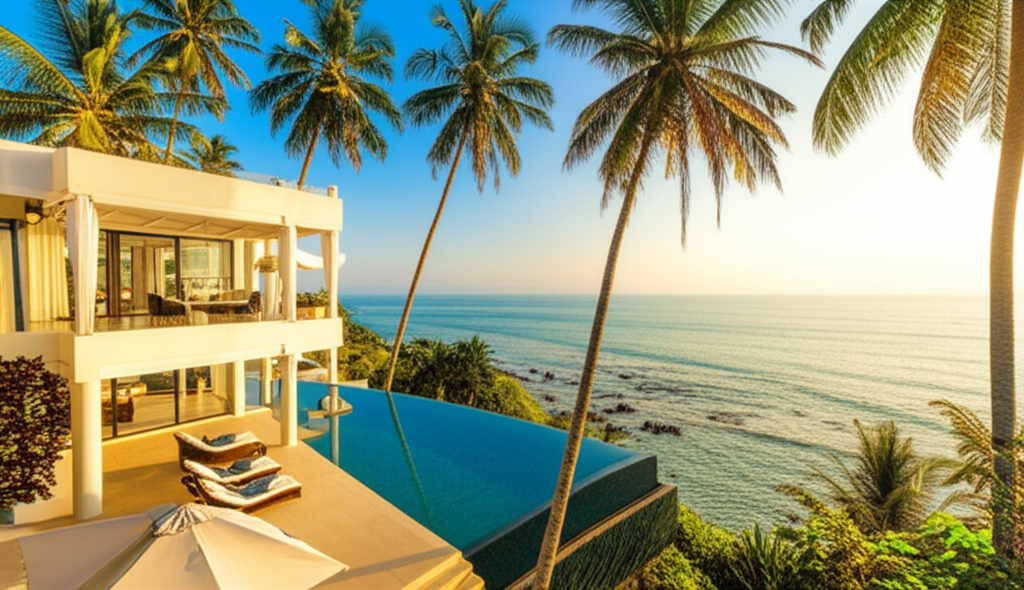
When expats dream of a tropical life, many picture the southern coast of Sri Lanka. This region offers a perfect mix of golden beaches, lush green landscapes, and a rich cultural heritage. Two places stand out for those looking to buy a villa: Galle and Unawatuna. Together, they create an irresistible lifestyle that balances history with relaxed beach living.
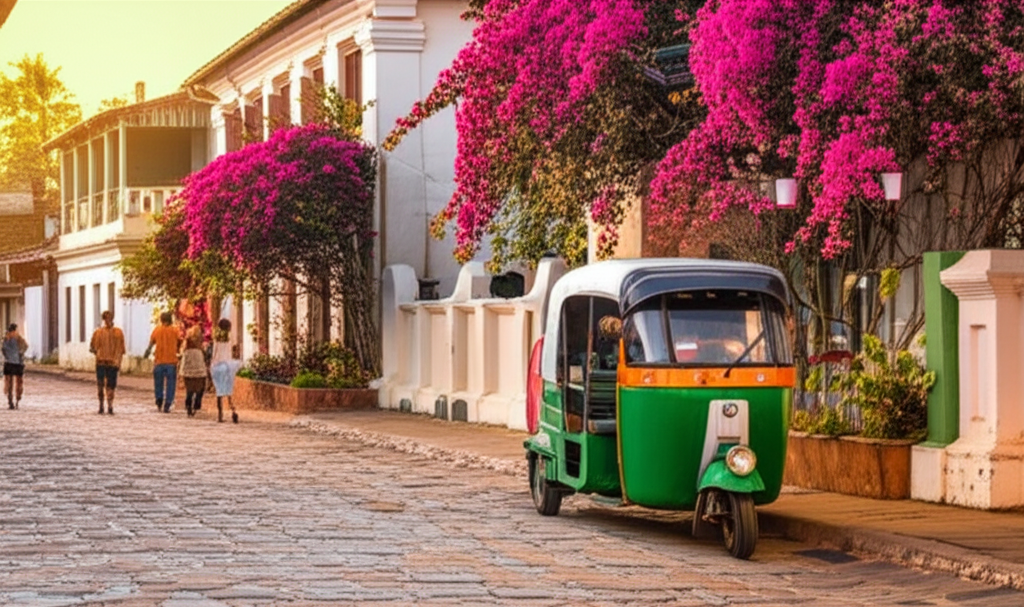
Galle is famous for its magnificent Dutch Fort, a UNESCO World Heritage Site. Walking its cobblestone streets feels like stepping back in time. The fort is home to charming colonial-era buildings, boutique shops, art galleries, and trendy cafes. It’s a hub of creative energy, attracting artists, writers, and entrepreneurs. Owning a villa near Galle means having access to this unique blend of history, culture, and modern sophistication.
Just a short drive away is Unawatuna, a vibrant beach town known for its beautiful crescent-shaped bay. The calm, clear waters are perfect for swimming and snorkelling. The vibe here is laid-back and carefree. Beachfront restaurants serve fresh seafood, while yoga shalas and dive centres cater to an active lifestyle. Unawatuna offers the classic sun-and-sand experience that many expats are searching for.
The best part is that you don’t have to choose between the two. Many expats find villas in the quiet inland areas between Galle and Unawatuna. This gives them peaceful privacy while being just minutes from both the historic charm of the fort and the lively atmosphere of the beach. This convenience, combined with a friendly local community and a growing network of expats, makes southern Sri Lanka an ideal place to invest in a home. Before you start your search, it’s helpful to understand the realistic cost of living in Galle and the steps involved in the purchase process.
For more detailed information on the legalities, learn about how to buy property in Sri Lanka from abroad, including visa rules and financing options.
The Legal Landscape: How Expats Can Buy Property
Navigating Sri Lanka’s property laws might seem complex, but it’s straightforward with the right guidance. While foreigners cannot directly buy freehold land in their name, there are two common and secure legal paths to owning your dream villa in Galle or Unawatuna.
# Key Ownership Methods for Expats
1. The 99-Year Lease: This is the most popular and direct method. You pay for the property upfront and secure a 99-year lease agreement. This gives you full rights to the land and villa. The lease is officially registered at the Land Registry, is legally binding, and can be sold, transferred, or inherited. For most expats buying a holiday home or residence, this is the simplest and safest option.
2. Forming a Private (Pvt) Ltd Company: Another effective method is to set up a Sri Lankan company to purchase the property. As a foreigner, you can be the sole owner of this company. The company then buys the land with a freehold title. This structure is ideal if you plan to run the villa as a rental business or if you prefer the control of freehold ownership. It involves more administrative work, like annual filings, but offers greater flexibility.
# The Buying Process Step-by-Step
The legal process is designed to protect both the buyer and seller. Here’s what to expect:
* Hire a Lawyer: Your first step should be to find a reputable real estate lawyer. They will handle due diligence and ensure your investment is safe.
* Title Search: Your lawyer will conduct a thorough search at the Land Registry to verify the property’s title deed. This confirms the seller is the legal owner and that there are no outstanding claims or disputes on the property.
* Sales Agreement: Once the title is clear, you will sign a Sales Agreement and typically pay a 10% deposit.
* Fund Transfer: You must transfer the purchase funds into Sri Lanka through a legitimate channel, such as an Inward Investment Account (IIA). Following the correct procedure is vital. For more details, read our guide on how to buy property in Sri Lanka from abroad.
* Final Deed and Registration: The final Deed of Transfer (or Lease Agreement) is signed before a Notary Public. They will then register it at the Land Registry, making you the official owner or leaseholder. Remember to budget for government taxes like Stamp Duty and your lawyer’s fees.

The Step-by-Step Purchase Process
Buying a villa in beautiful southern Sri Lanka is an exciting goal. While the process has specific rules for expats, following these steps with professional help makes it straightforward. The journey from finding your dream home in Galle or Unawatuna to getting the keys involves a clear legal path.
Here is a breakdown of the typical purchase process:
1. Hire a Reputable Lawyer: This is your most important move. A good real estate lawyer (Notary) will act on your behalf, protect your interests, and ensure all legal requirements are met. Do not use the seller’s lawyer.
2. Conduct Due Diligence: Before any money changes hands, your lawyer will perform a title search. This involves checking the property’s history at the Land Registry for the last 30 years. It confirms the seller is the legal owner and that the property has no outstanding debts or disputes.
3. Form a Company: Sri Lankan law restricts foreigners from owning land directly. The most common and secure method is to set up a private limited (Pvt) Ltd company to purchase and hold the property. Your lawyer can manage this entire process for you.
4. Sign the Sale and Purchase Agreement: Once the legal checks are clear, you will sign an agreement with the seller. This document outlines the terms of the sale, the price, and the timeline. You will typically pay a 10% deposit at this stage.
5. Finalise Funding and Transfer: You will need to transfer the remaining funds into a Sri Lankan bank account. For a deeper look at the financial side, including visa rules and funding options, see our guide on how to buy property in Sri Lanka from abroad.
6. Execute the Deed of Transfer: This is the final step. You and the seller will sign the Deed of Transfer in front of your lawyer. Once the final payment is made, the property ownership is officially transferred to your company.
7. Pay Stamp Duty and Register: Your lawyer will pay the required government stamp duty and register the new deed at the local Land Registry. After registration, the villa is officially yours.

Costs and Considerations Beyond the Purchase Price
The advertised price of your dream villa in Galle or Unawatuna is only the starting point. To avoid financial surprises, it is vital to budget for several other costs. These expenses can add a significant amount to your total investment, so planning ahead is crucial.
# Transaction and Legal Fees
When you close the deal, you must pay government taxes and professional fees. A good rule of thumb is to set aside an extra 5-7% of the property price for these one-time costs.
* Stamp Duty: This is a government tax calculated on the official valuation of the property, which is typically around 4%.
* Legal and Notary Fees: Expect to pay 1-2% of the property value to your lawyer. They will handle the paperwork, perform due diligence, and ensure the sale is legal.
* Surveyor and Valuation Fees: A licensed surveyor must confirm the property boundaries. A valuation report may also be needed.
For a deeper look into the financial requirements, see our guide on how to buy property in Sri Lanka from abroad.
# Renovation and Upkeep
Many older colonial-style villas require updates. You should budget for potential renovations, furnishing, and installing modern appliances. The tropical climate also means ongoing maintenance is essential. Regular expenses include pool and garden care, pest control, and repairs due to humidity and sea air.
# Daily Operational Costs
Living in your villa involves recurring monthly expenses that are a key part of ownership. These include utility bills for electricity, water, and high-speed internet. Many villa owners also hire local staff, such as a caretaker, cleaner, or cook. These salaries form a major part of the ongoing budget. To understand these day-to-day expenses, it helps to review the realistic cost of living in Galle.

References
- Board of Investment of Sri Lanka (BOI) – The official government agency for promoting and facilitating foreign direct investment, providing information on regulations, including land ownership for foreigners.
- A Guide to Buying Property in Sri Lanka – A comprehensive guide from a leading Sri Lankan real estate portal, covering practical steps, taxes, and market insights.
- Land (Restrictions on Alienation) Act, No. 38 of 2014 – The primary legislation from the Parliament of Sri Lanka governing the rules and restrictions for foreign nationals acquiring land in the country.