From Humble Polonnaruwa Roots to Sri Lanka’s Rice King
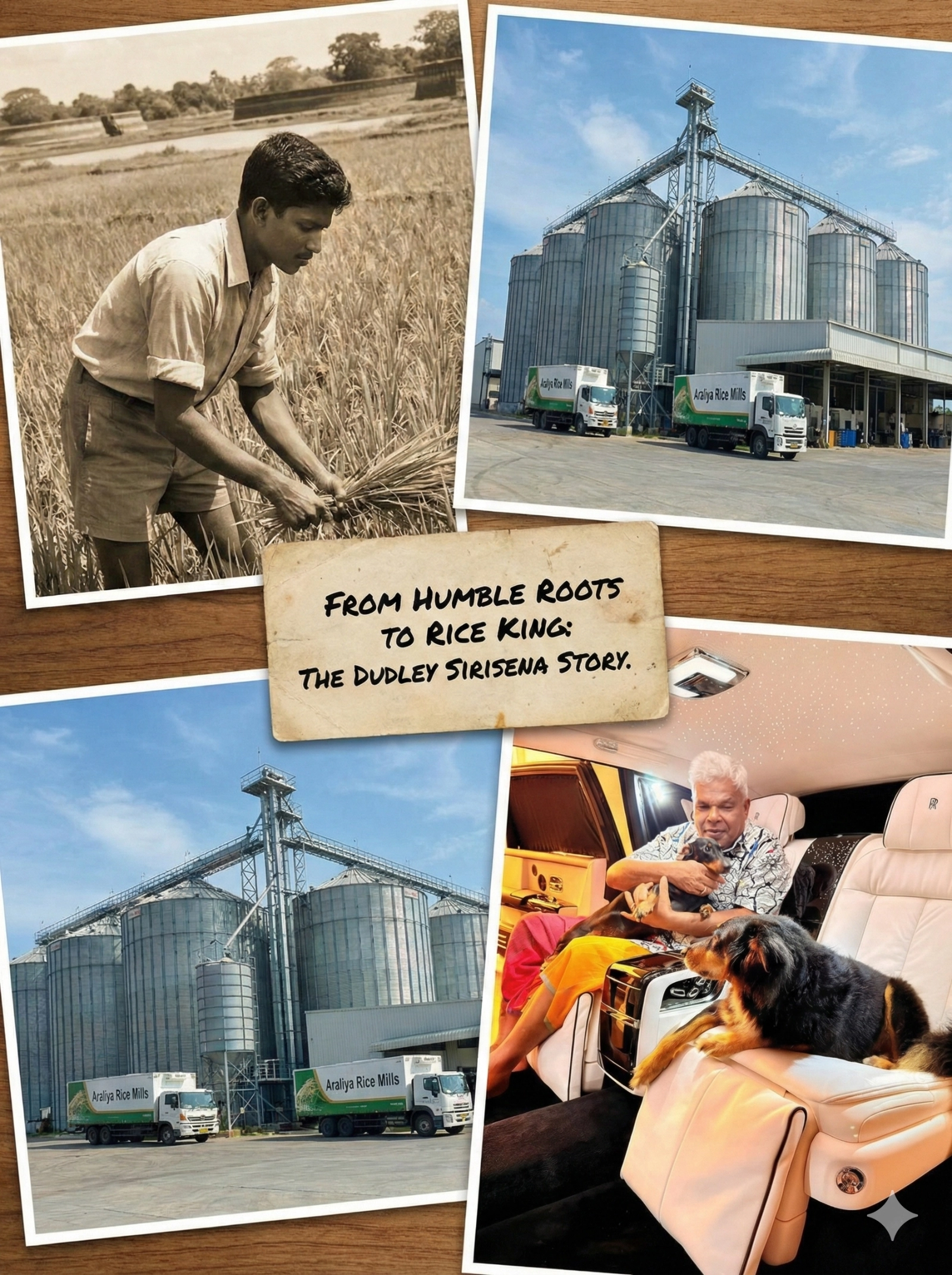
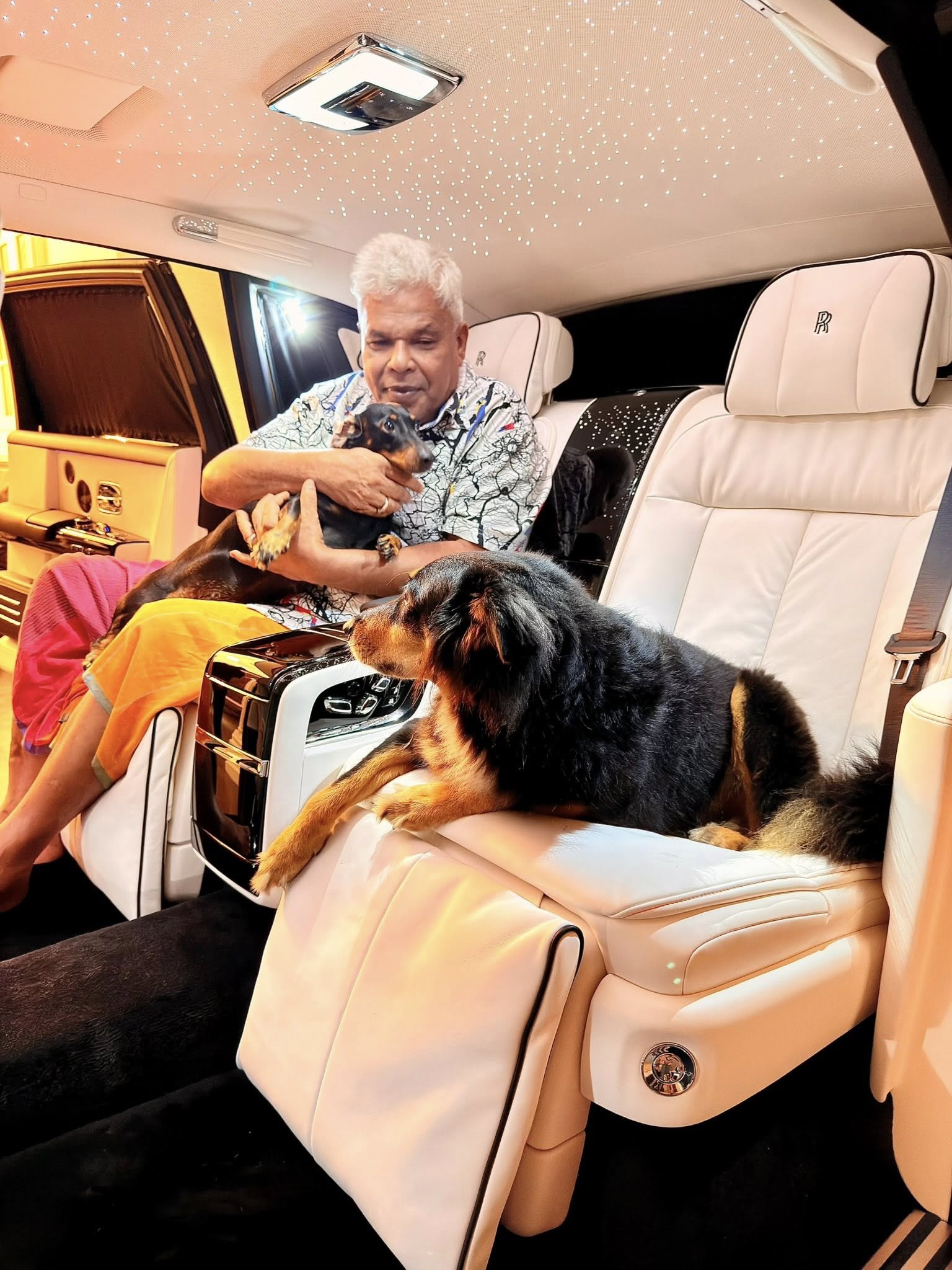
Dudley Sirisena, the visionary founder of Araliya Rice Mills, embodies the quintessential Sri Lankan success story—a self-made entrepreneur who rose from the paddy fields of Polonnaruwa to build one of Asia’s largest rice milling operations. Born in 1960 into a large rural agrarian family of twelve children in Polonnaruwa, Sri Lanka’s ancient rice bowl, Dudley was the mischievous yet determined youngest sibling.[1][2][5] His father, a soldier recruited by D.S. Senanayake for the ‘land army,’ pioneered rice cultivation in the malaria-infested Raja Rata region, transforming it into the nation’s fertile heartland. This legacy of resilience amid hardship fueled Dudley’s drive, turning a modest dream into the Araliya Group, a powerhouse spanning rice, tourism, real estate, and more.[1][8]
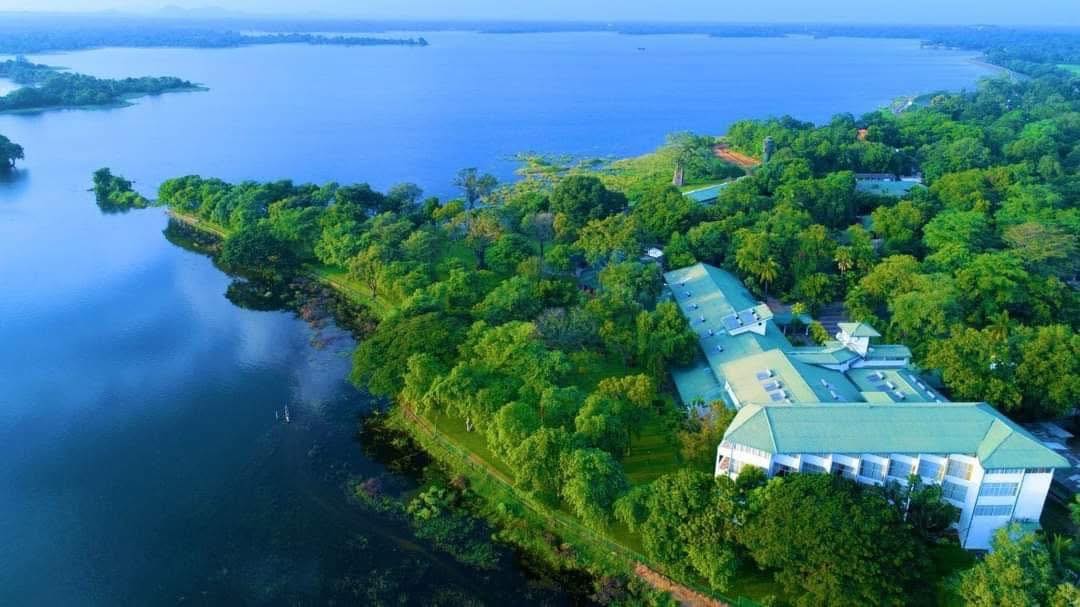
Polonnaruwa, with its ancient irrigation systems like the Parakrama Samudra tank built by King Parakramabahu I, has long been synonymous with Sri Lanka’s rice heritage. Dudley Sirisena’s journey mirrors this storied past, where he started with just 25 bags of rice, working under the scorching sun on threshing floors, even lacking funds for a boundary wall around his first mill.[2][3] Today, Araliya Rice Mills stands as Asia’s largest rice storage facility, producing over 500,000 kg of rice daily to feed the nation—rice being the staple that graces every Sri Lankan meal, nourishing millions in a country where it symbolizes sustenance and cultural unity.[2][3][6]
The Birth of Araliya Rice Mills: A Dream Fueled by Grit
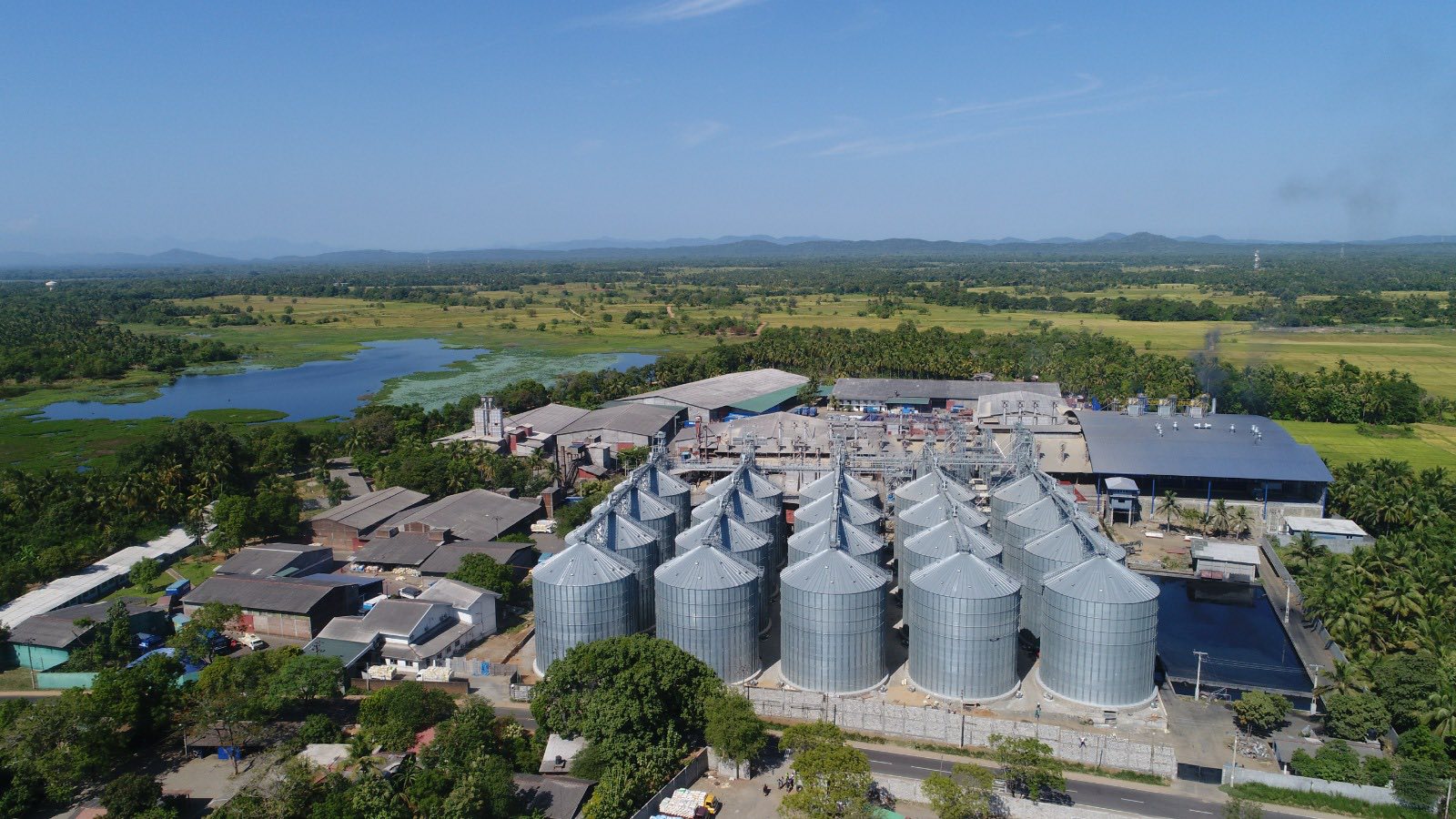
Established in 1994, Araliya Rice Mills injected “courage to a dream” amid Sri Lanka’s volatile agricultural sector, marked by fluctuating yields, monsoon dependencies, and policy shifts.[6][8] Dudley, after early jobs in garages and petrol stations, channeled his practical skills into rice milling. His first ventures were humble, but strategic vision propelled explosive growth. From a single mill, he expanded to dominate the market, becoming Sri Lanka’s leading rice provider with unmatched daily supply figures.[6]
What sets Dudley apart is his forward-thinking leadership. He envisioned Sri Lanka reclaiming its title as the “Granary of Asia,” echoing ancient kings who achieved rice self-sufficiency through innovative irrigation.[3] In Polonnaruwa, where paddy fields stretch across 15,000 hectares under major schemes like Mahaweli, Araliya processes vast quantities, ensuring quality rice reaches Colombo’s markets, Jaffna’s kitchens, and Kandy’s homes.[1][2] Statistics underscore his impact: Araliya’s operations support thousands of farmers, providing fair prices and machinery during crises like the 2022 fertilizer shortages that sparked the farmers’ ‘Aragalaya’ protests.[1]
Overcoming Superhuman Odds in Sri Lanka’s Agri-Business Landscape
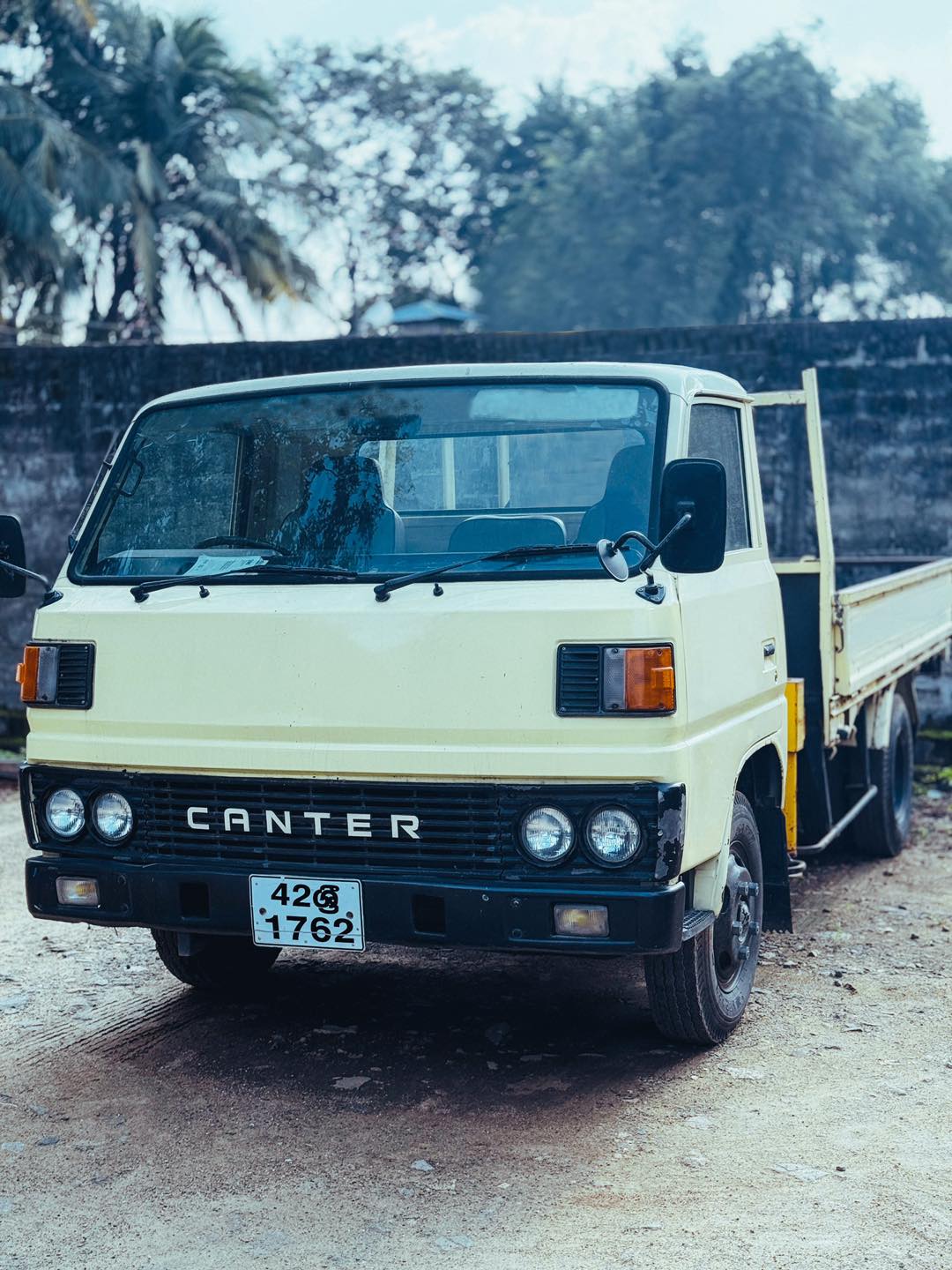
- Early Struggles: Starting penniless, Dudley worked alongside laborers, sweeping paddy and threshing by hand to deliver premium rice.[3][5]
- Strategic Expansion: From 25 bags to Asia’s biggest facility, leveraging Polonnaruwa’s irrigation canals for efficiency.[2][3]
- Innovation: Modern mills with vast storage combat post-harvest losses, a chronic issue in Sri Lanka where up to 20% of paddy is wasted annually.
Building the Araliya Empire: Beyond Rice to Sri Lanka’s Economic Pillars
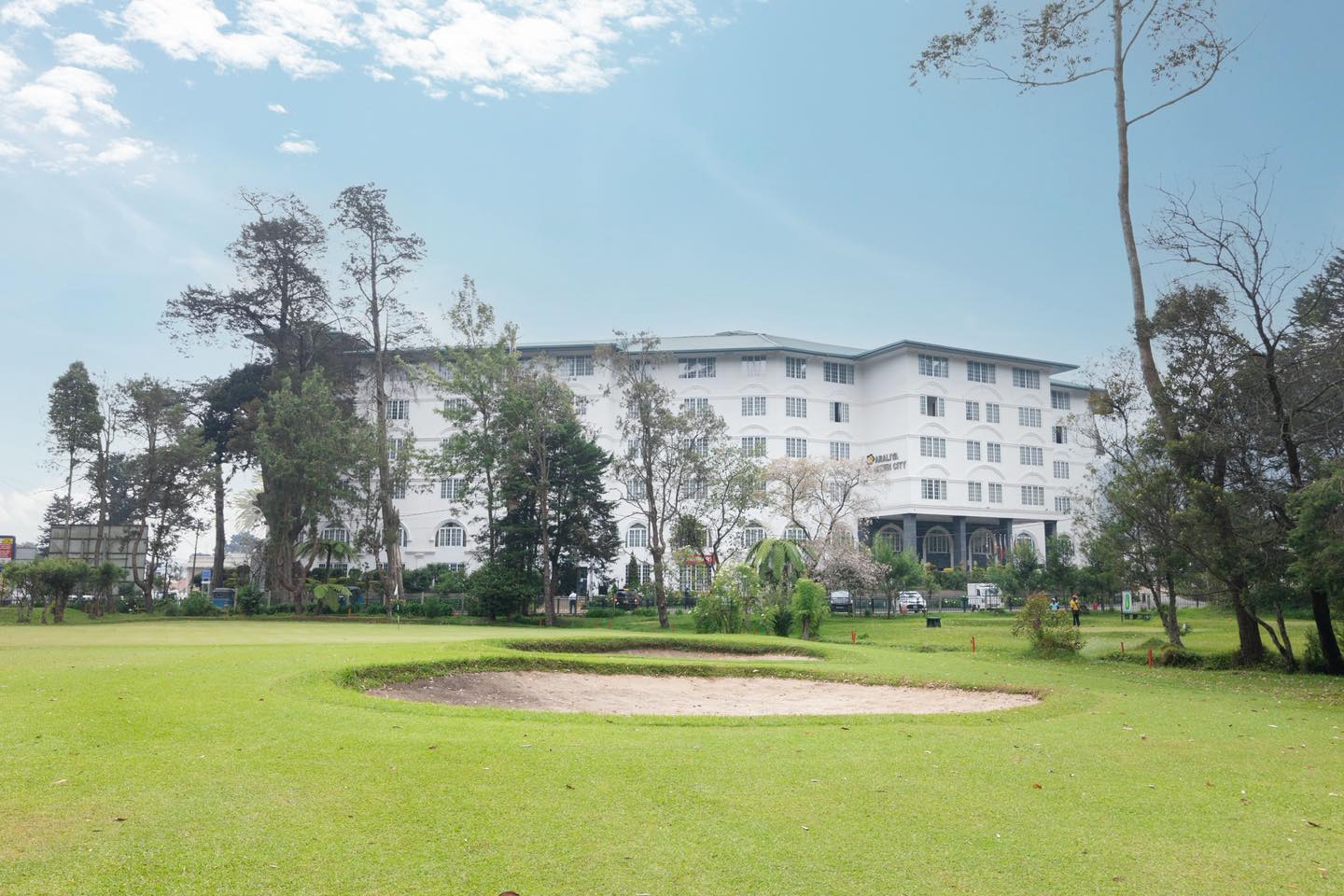
Dudley’s entrepreneurial spirit didn’t stop at rice. The Araliya Group now spans diverse sectors, contributing significantly to Sri Lanka’s GDP. In tourism, Araliya Hotels grace colonial towns like those near Mount Pedro in the hill country, blending luxury with cultural heritage.[8] Real estate via Araliya Lands & Homes offers dream plots in burgeoning suburbs, while construction and engineering arms build vital infrastructure like speedy road systems.[8]
The automotive division caters to Sri Lanka’s growing middle class, and leisure ventures promote eco-tourism in rice-rich regions. This diversification mirrors Polonnaruwa’s evolution from ancient capital to modern hub, where Dudley’s mills employ thousands, fostering rural prosperity in a nation where agriculture employs 25% of the workforce.[1][8] His brother Maithripala Sirisena’s political rise in 2015, backed by Dudley’s influence, highlighted family ties to national development, though Dudley focused on business over politics.[1]
Leadership Traits That Inspired a Nation
Dudley exemplifies resilience, foresight, and social responsibility—key traits for Sri Lankan founders navigating economic turbulence.[2] He mentors young entrepreneurs, distributing 20,000 seedlings annually to farmers, drawing from his hardships.[3] No foreign investors taint his empire; every penny stays in Sri Lanka, supporting hundreds of thousands of families.[3][5]
Philanthropy: Dudley Sirisena’s Heart for Sri Lanka
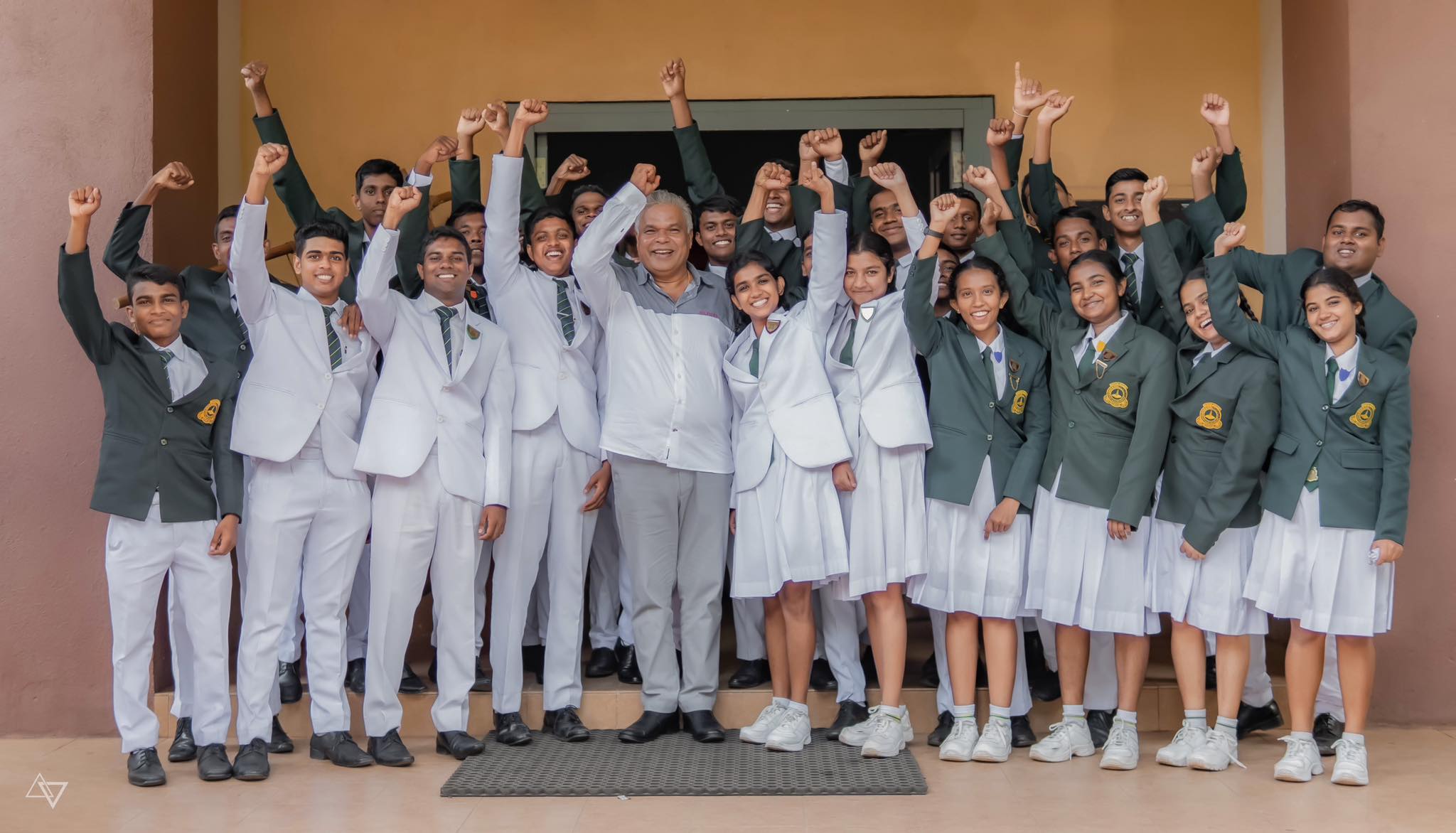
Beyond profits, Dudley’s commitment shines in corporate social responsibility. In December 2025, his Lakbima Rice Mills (linked to Araliya) donated Rs. 100 million to the ‘Rebuilding Sri Lanka’ Fund for Cyclone Ditwa victims, handed over at the Presidential Secretariat.[4] This act aids communities in vulnerable coastal and eastern regions, underscoring his role as a patriot. Initiatives include farmer aid during crises, job creation across provinces, and youth programs—ensuring his legacy uplifts the very soil that birthed him.[2][3]
Challenges and Triumphs: Battling Perceptions and Politics
Often labeled a “profiteer” by media and politicians, Dudley weathered controversies, including ties to Polonnaruwa’s power dynamics.[1] Yet, his efficiency maximizes national benefits, modernizing mills to rival Asian giants. In a country prone to policy flip-flops—like the 2021 organic farming pivot that slashed yields—Araliya’s stability ensures food security.[1][6]
A Legacy for Future Generations
Dudley Sirisena’s story inspires Sri Lankan youth: from Yagoda village origins to chairing a conglomerate, he proves grit trumps privilege. Araliya Rice Mills isn’t just a business; it’s a symbol of revival, positioning Sri Lanka as Asia’s granary once more. As paddy sways in Polonnaruwa’s fields, Dudley’s vision endures—feeding the nation, building dreams, and honoring ancient kings who tamed the land.[1][2][3]