Mastering Fuel-Efficient Driving Techniques
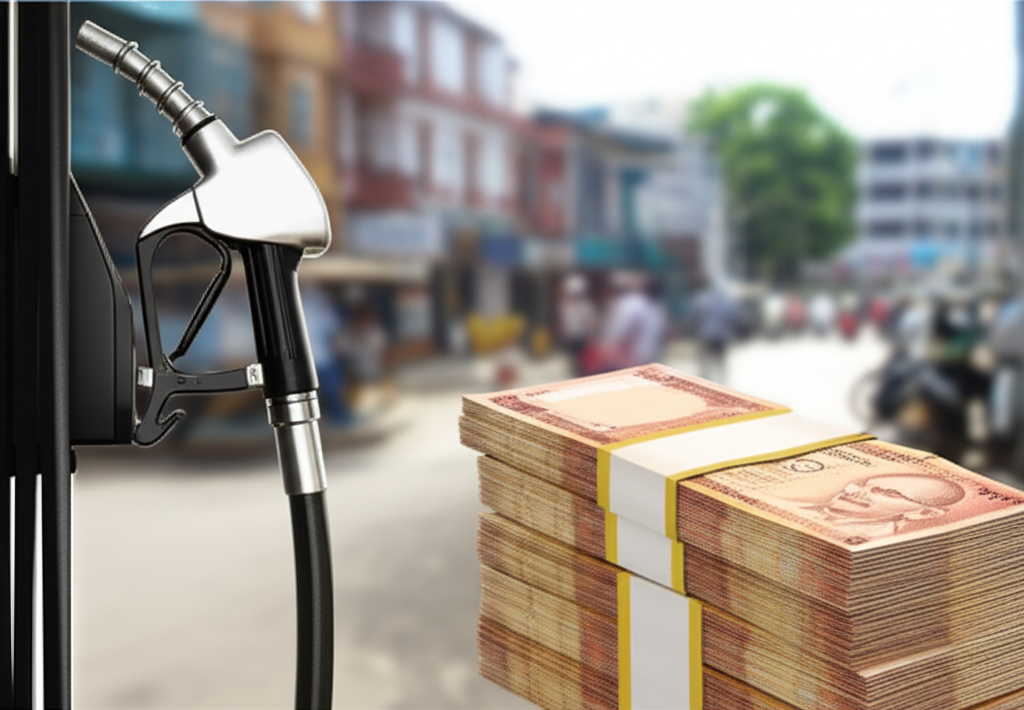
Your driving style is one of the biggest factors influencing your vehicle’s fuel consumption. By adopting a smoother, more conscious approach behind the wheel, you can significantly stretch every litre of petrol or diesel, a crucial skill on Sri Lankan roads. Conscious driving doesn’t just save money; it also contributes to safer roads and less wear on your vehicle.
- Drive Smoothly: Avoid aggressive driving. Sudden acceleration and harsh braking waste a tremendous amount of fuel. Imagine you have a cup of tea on your dashboard that you don’t want to spill. Gentle starts and anticipating traffic stops in cities like Colombo or Kandy will conserve a surprising amount of fuel.
- Maintain a Steady Speed: Constant speed fluctuations are inefficient. On highways, use cruise control if your vehicle has it. In regular traffic, look far ahead to anticipate slowdowns, allowing you to ease off the accelerator early instead of braking at the last minute.
- Use Higher Gears Wisely: For manual vehicles, shift to a higher gear as soon as it is practical without labouring the engine. Driving at a low RPM in the correct gear is the sweet spot for fuel economy.
- Minimise Idling: An idling engine consumes fuel without covering any distance. If you anticipate being stationary for more than a minute—such as at a long traffic light, a railway crossing, or in a parking spot—it is more economical to turn off your engine.
- Limit Air Conditioner Use: The A/C puts a significant load on the engine, increasing fuel consumption by up to 10%. Use the fan instead or roll down the windows during cooler parts of the day. When you must use the A/C, opt for a lower setting.
- Reduce Unnecessary Weight: Extra weight forces your engine to work harder. Remove any heavy items from your boot or cabin that you don’t need for your journey. This also includes removing roof racks when they are not in use, as they increase aerodynamic drag.
By consistently applying these techniques, you can turn every trip into an opportunity to save money. The combined effect of these habits can lead to substantial reductions in your monthly fuel bill.
Vehicle Health and Load Management
Beyond your driving style, the condition of your vehicle and the weight it carries are critical factors in fuel consumption. A well-maintained car operates at peak efficiency, ensuring every drop of fuel is used effectively. By paying attention to a few key areas, you can significantly improve your mileage.
Maintain Your Vehicle
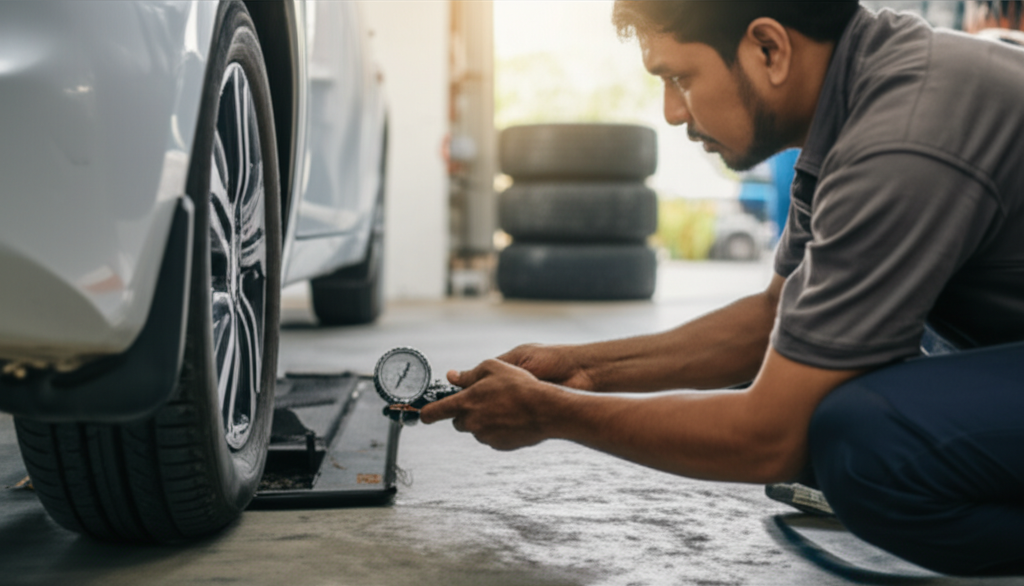
- Tyre Pressure: This is one of the easiest and most effective checks. Under-inflated tyres create more rolling resistance, forcing your engine to work harder. Check your tyre pressure weekly and inflate them to the manufacturer’s recommended level, which is usually printed on a sticker inside the driver’s door.
- Regular Servicing: A healthy engine is an efficient engine. Adhere to your vehicle’s service schedule. Regular oil changes, clean air filters, and properly functioning spark plugs ensure the engine burns fuel cleanly and powerfully, preventing waste. A clogged air filter alone can noticeably reduce your fuel economy.
- Wheel Alignment: If your wheels are not aligned correctly, they can drag instead of roll freely. This increases resistance and fuel consumption. If you notice your car pulling to one side, get the alignment checked by a professional.
Lighten Your Load
- Remove Unnecessary Weight: Do not use your car as a mobile storage unit. The heavier your vehicle, the more fuel it needs to accelerate and maintain speed. Remove any non-essential items from your boot and cabin, such as heavy toolboxes, sports equipment, or other clutter you don’t need for your daily journey.
- Improve Aerodynamics: Wind resistance, or drag, significantly impacts fuel efficiency, especially at higher speeds on highways. External attachments like roof racks and cargo boxes disrupt the smooth flow of air over your car. Remove them when they are not in use to reduce drag and save fuel.
Strategic Route Planning with Technology
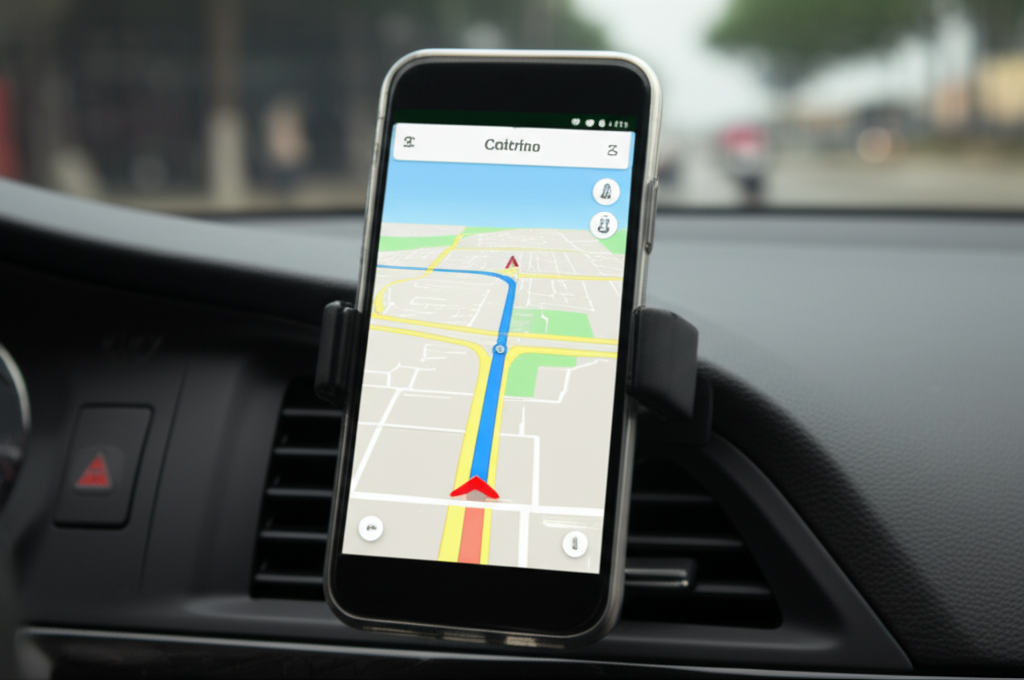
A well-planned journey is a fuel-efficient one. Every minute spent idling in traffic, making a U-turn after a missed exit, or navigating poor road conditions wastes precious fuel. In today’s digital age, leveraging technology for route planning is one of the simplest yet most effective ways to cut down your monthly fuel bill in Sri Lanka. Taking just a few minutes to plan before you start your engine can lead to significant savings.
Modern navigation apps are your best co-pilot for saving fuel. Tools like Google Maps and Waze are invaluable for Sri Lankan drivers, offering more than just turn-by-turn directions. Their key advantage is access to real-time traffic data. This allows you to anticipate and avoid congested areas, such as the notorious rush hour traffic in Colombo or Kandy, saving you from wasteful stop-and-go driving.
To maximise your fuel efficiency, make use of these smart features:
- Route Optimisation: Don’t just accept the default route. Apps often provide options, including the fastest or most fuel-efficient path. The fastest route, which often bypasses city centres and traffic lights, is frequently the most economical on fuel, even if it’s a few kilometres longer.
- Combine Errands: Use the “add stop” feature to plan a single, logical journey for multiple errands. This practice, known as trip chaining, is far more efficient than making several separate trips. It ensures your engine stays at its optimal operating temperature and avoids multiple cold starts, which consume significantly more fuel.
- Time Your Departure: Before you leave, check the app for traffic predictions. If your schedule is flexible, waiting just 30 minutes to avoid the peak of a traffic jam can make a substantial difference in your fuel consumption.
By integrating these technological tools into your daily driving habits, you can proactively choose smarter, shorter, and less congested routes. This simple change transforms your smartphone from a mere communication device into a powerful tool for managing and reducing your travel expenses.
Navigating the Sri Lankan Landscape Wisely
Beyond vehicle maintenance, how you drive and where you drive are the biggest factors in your fuel consumption. By adopting smarter habits on Sri Lankan roads, you can significantly stretch every litre of petrol or diesel. Focus on smooth operations and intelligent planning to see immediate savings.
Master Your Driving Habits
- Drive Smoothly: Aggressive driving is a fuel guzzler. Avoid sudden acceleration and hard braking, especially in city traffic like Colombo or Kandy. Gentle pedal work maintains momentum and conserves fuel.
- Maintain a Steady Speed: Constant fluctuations in speed waste fuel. On highways like the Southern Expressway, use cruise control if available. In regular traffic, try to anticipate the flow to keep your speed as consistent as possible.
- Reduce Idling Time: An idling engine consumes fuel without going anywhere. If you anticipate a stop longer than 60 seconds—at a railway crossing or in a severe traffic jam—it’s more efficient to turn off your engine.
- Lighten Your Load: Don’t use your car as a storage unit. Extra weight, whether in the boot or on a roof rack, makes your engine work harder. Remove unnecessary items to improve your vehicle’s efficiency.
Strategic Route Planning
- Leverage Technology: Use navigation apps like Google Maps or Waze before you start your journey. They provide real-time traffic data to help you avoid congestion and find the most fuel-efficient route, not just the shortest one.
- Combine Your Errands: Plan your trips to accomplish multiple tasks in one go. A warm engine is more efficient than a cold one, so one longer trip is better for your fuel economy than several short, separate journeys.
- Time Your Travels: Whenever possible, avoid travelling during peak hours (typically 7-9 AM and 4-7 PM). Less traffic means less stopping, starting, and idling, leading to substantial fuel savings.
- Consider the Terrain: Sri Lanka’s diverse landscape includes many hilly areas. Driving on steep inclines uses significantly more fuel. If an alternative, flatter route is available, it may be the more economical choice, even if it’s slightly longer.
References
- Tips to make your fuel tank last longer – Daily FT
- Driving More Efficiently – U.S. Department of Energy
- Finding Your Way: The best navigation apps for Sri Lanka – ReadMe.lk
- 10 tips on how to save fuel – The AA (UK)
- 10 Simple Ways to Reduce Fuel Consumption – Ikman.lk Blog
- How to save fuel and go further for less – Top Gear
- How Can You Save Fuel With The Right Driving Habits? – Michelin India