Understanding the Financials: Taxes, Duties, and Costs
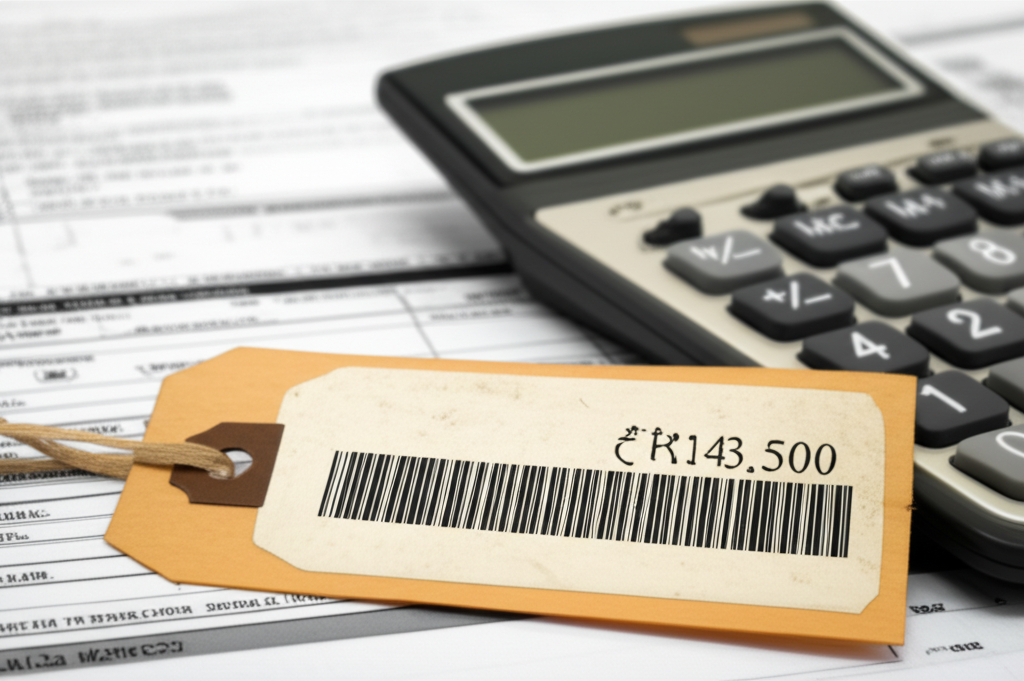
Navigating the cost of purchasing a hybrid or electric vehicle in Sri Lanka requires a clear understanding of the local tax structure. The initial purchase price is heavily influenced by government policies, which can change frequently. Therefore, it’s crucial to get the most up-to-date information before making a commitment.
Import Taxes and Duties
Vehicle import duties in Sri Lanka are significant. However, the government often provides substantial tax concessions for electric and hybrid vehicles to encourage their adoption. These taxes are typically calculated based on specific criteria:
- Hybrid Vehicles: Tax is often determined by engine capacity (cubic centimetres or CC).
- Electric Vehicles (EVs): The primary factor is usually the battery capacity, measured in kilowatt-hours (kWh).
Because these tax rates and calculation methods are subject to change with new government budgets and gazettes, always consult with a reputable vehicle importer or the Department of Motor Traffic for the latest figures. A lower tax on EVs can make them price-competitive with traditional combustion engine cars, despite a higher base price.
Other Associated Costs
Beyond the sticker price and import duties, several other costs factor into the total initial investment:
- Vehicle Registration: A one-time fee paid to the Department of Motor Traffic to register the vehicle under your name.
- Annual Revenue License: A yearly tax. EVs may benefit from a lower license fee compared to petrol or diesel vehicles of a similar class.
- Insurance: Premiums for EVs and hybrids can sometimes be higher due to the cost of specialized components, particularly the high-voltage battery.
- Home Charger Installation: For EV owners, this is a key one-time cost. It includes the price of a wall box charger and fees for a qualified electrician to install it safely at your home.
The Charging Conundrum: Powering Your Vehicle
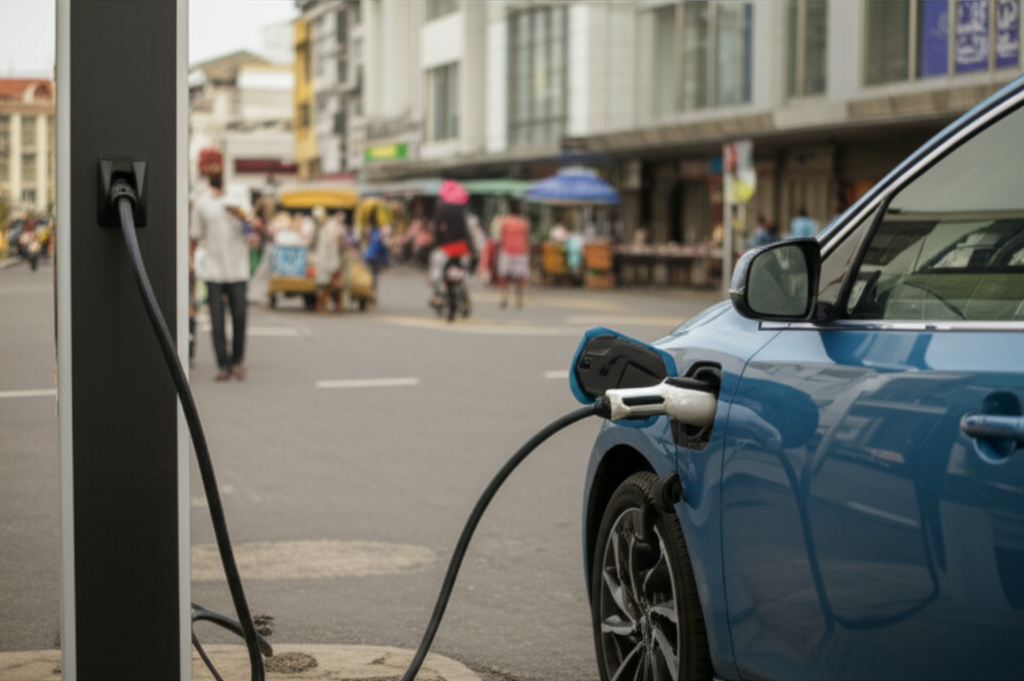
For prospective Electric Vehicle (EV) and Plug-in Hybrid (PHEV) owners in Sri Lanka, understanding the charging landscape is crucial. While the idea of ditching the fuel queue is appealing, ensuring your vehicle stays powered requires some planning.
At-Home Charging: Your Primary Fuel Station
The most reliable and cost-effective way to charge your EV is at home. Most owners find that charging overnight using a standard 15-amp wall socket is sufficient for their daily commute. This slow but steady method ensures your car is ready each morning. For faster charging, you can install a dedicated AC wallbox charger (Level 2). This requires a professional installation and an assessment of your home’s electrical capacity but can significantly reduce charging times, making it a worthwhile investment for those with longer daily drives.
Public Charging: Navigating the Network
Sri Lanka’s public charging network is growing, with stations located at shopping malls, hotels, and dedicated charging hubs, primarily in Colombo and along major highways. However, the network is still developing, and availability can be inconsistent, especially in rural areas.
It’s vital to know your vehicle’s charging port type. Most European models use Type 2 (AC) and CCS (DC), while many popular Japanese imports use the CHAdeMO standard for fast charging. Mismatched ports can be a frustrating roadblock. Apps from local providers are essential for locating compatible stations and checking their operational status in real-time.
The Plug-in Hybrid Advantage
PHEVs offer a flexible alternative. You can handle most city driving on pure electric power, charging at home, while the petrol engine eliminates range anxiety on long-distance trips. This makes them an excellent stepping stone into the world of electric mobility without full reliance on the public charging infrastructure.
Ultimately, a solid home charging setup is the cornerstone of a hassle-free EV experience in Sri Lanka, with the public network serving as a useful, albeit still evolving, backup.
Common Issues and Maintenance Realities
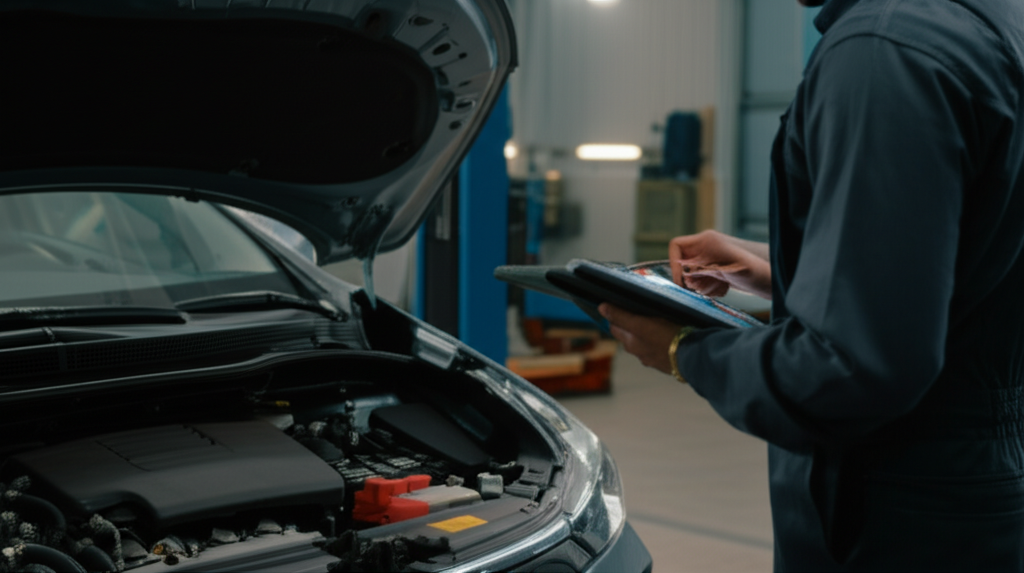
While hybrids and EVs offer significant long-term savings, prospective buyers in Sri Lanka should be aware of unique maintenance challenges and common issues. Understanding these realities ensures a smoother ownership experience.
Hybrid Vehicle Considerations
- Battery Health is Paramount: The main concern for any used hybrid is the high-voltage battery. Degradation is natural, and a full replacement from an agent can be prohibitively expensive. Thankfully, a robust local market exists for battery reconditioning and cell replacement, offering a more affordable solution. Always get a professional hybrid battery health scan before purchasing a second-hand vehicle.
- Specialized Technicians: Hybrid systems require specific knowledge. While general maintenance is straightforward, complex issues with the inverter or hybrid powertrain require technicians trained on these systems. Access to such expertise may be limited outside of Colombo and other major cities.
Electric Vehicle (EV) Challenges
- Charging Infrastructure and Power Cuts: While the public charging network is growing, it remains sparse in many regions. Most owners rely heavily on home charging. However, Sri Lanka’s frequent power interruptions can disrupt charging schedules, making range anxiety a valid concern, especially for those without a generator or battery backup system at home.
- Parts and Repair Costs: EVs have fewer moving parts, but when something goes wrong with the battery pack, motor, or onboard charger, repairs are costly. Sourcing these specialized components often involves importation, leading to significant delays and high costs.
Shared Realities
- Climate Impact: Sri Lanka’s hot and humid climate can accelerate battery degradation over the long term for both hybrids and EVs. Parking in the shade and ensuring the battery cooling system is functioning correctly can help mitigate this.
Making the Right Choice: Which Car is for You?
Choosing between a hybrid and a fully electric vehicle in Sri Lanka depends heavily on your lifestyle, daily commute, and access to charging. Each option offers distinct advantages. Let’s break down who they are best suited for.
Hybrid Electric Vehicles (HEVs) & Plug-in Hybrids (PHEVs)
Hybrids are an excellent stepping stone into the world of electric mobility, offering a “best of both worlds” experience. They combine a traditional petrol engine with an electric motor.
This is the right choice if:
- You frequently travel long distances or go on outstation trips where charging stations are scarce. The petrol engine eliminates range anxiety.
- You live in an apartment or a home where installing a dedicated EV charger is not possible.
- Your driving is mostly in congested city traffic, where the hybrid system excels at saving fuel by using the electric motor at low speeds.
- You want better fuel economy than a conventional car but are not ready to commit to a fully electric lifestyle. A PHEV, which can be plugged in, offers a limited all-electric range perfect for daily errands.
Battery Electric Vehicles (BEVs)
A fully electric car runs only on battery power, offering a zero-emission driving experience. BEVs are the future, but they require some planning.
This is the right choice if:
- Your driving is primarily within the city for daily commutes, school runs, and errands.
- You have a secure parking spot at home or your office where you can install a charger for overnight charging.
- You are looking for the lowest possible running costs, as charging with electricity is significantly cheaper than buying petrol.
- Environmental impact is a top priority, and you want to completely eliminate tailpipe emissions.
- You have a second, conventional car for occasional long-distance journeys.
Ultimately, assess your daily mileage, charging accessibility, and travel patterns. If you have predictable routines and home charging, a BEV is a fantastic, cost-effective option. If your travel is unpredictable or often takes you far from the city, a hybrid provides flexibility and peace of mind.

References
- Lanka EV – The Sri Lankan EV Community (Charging Maps & Forums)
- Vehicle Valuation – Sri Lanka Customs
- CEB EV Charging Station Network – Ceylon Electricity Board
- E-Mobility – Sri Lanka Sustainable Energy Authority
- The future of EVs in Sri Lanka – Daily FT
- Sri Lanka imposes 200% excise duty on electric vehicles – EconomyNext
- Vehicle Registration Information – Department of Motor Traffic
- Sri Lanka: Proposed Electric Mobility Framework and Road Map – Asian Development Bank