
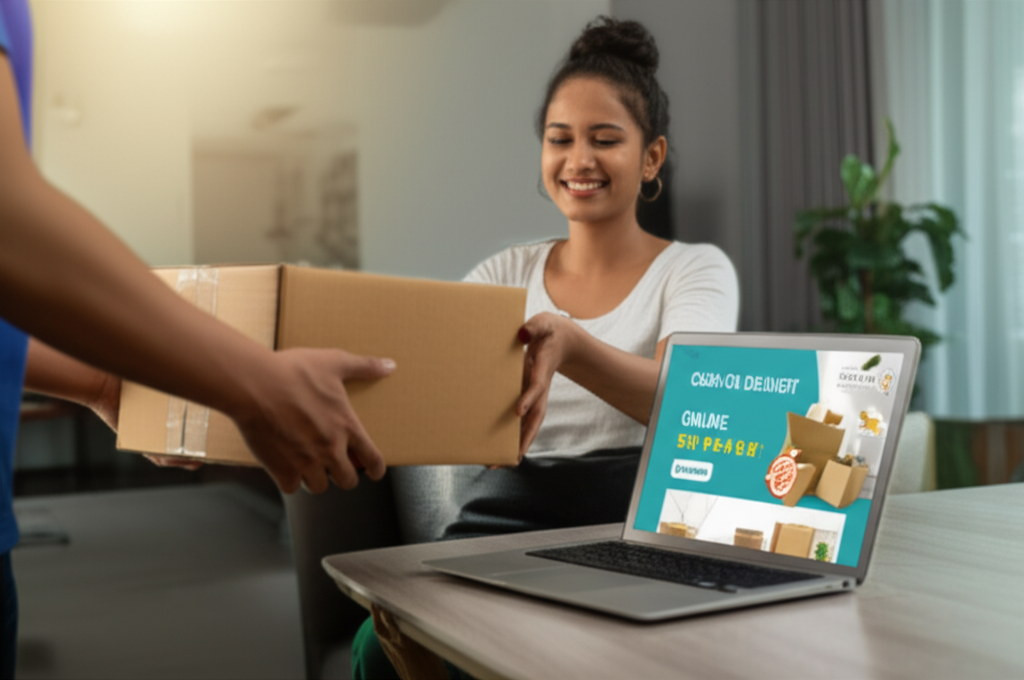
Why Trust Is Everything for a New Sri Lankan Online Store
In Sri Lanka, e‑commerce is growing fast, but shoppers remain highly cautious when buying from new online stores.[2][5] Economic uncertainty and tight household budgets make people extremely careful about where they spend, so a single bad experience feels costly. On top of that, issues like fake products, weak warranties, and unclear refund policies have damaged confidence in online shopping, especially with lesser-known brands.[2] As a result, many customers hesitate, abandon carts, or move their purchase to a marketplace or a physical shop they already trust.
This caution directly impacts your bottom line. When people do not trust your store, your conversion rate drops, even if your prices are competitive. Local insights show that Sri Lankan buyers prioritise trust over price, and stores that clearly display reviews, delivery details, and returns see up to 60% more sales closed compared to those that don’t.[1] Trust also drives repeat purchases and word-of-mouth on social media and messaging apps, which are essential in a market where many consumers rely on friends’ recommendations before trying a new brand.[2][4]
One of the fastest ways to build this trust is through clear, honest information across your site. Transparent pricing (with no hidden delivery or handling fees), visible contact details (phone, WhatsApp, address, social profiles), and accurate, honest product descriptions all reduce the fear of being misled.[1][2] When shoppers can quickly see who you are, how to reach you, and exactly what they are buying, their perceived risk drops, and they are more willing to complete the order.
For a new Sri Lankan online store, three trust pillars are especially powerful:
- Cash on Delivery (COD) – COD remains the dominant payment method, because it lets buyers “see before they pay,” which is crucial in a low-trust environment.[2] Offering COD signals confidence in your own products and reassures first-time buyers.
- Authentic Reviews – Visible customer reviews and user-generated photos/videos act as social proof and significantly boost credibility and conversions.[1][2] Highlight local names, locations, and real experiences to show that real Sri Lankans buy from you.
- Hassle-Free Returns – Clear, simple return and refund policies are still missing on many local sites, and this is a major trust gap.[2] Prominently displaying “easy 7–14 day returns” with straightforward steps reduces anxiety and encourages customers to take a chance on a new store.
By combining these three pillars with transparent communication, your new Sri Lankan online store can quickly move from “risky unknown” to “reliable place to buy,” turning visitors into loyal, vocal customers.

Designing a Website That Looks and Feels Trustworthy in Sri Lanka
For a brand-new Sri Lankan online store, your website design is often the first “trust test” for shoppers who are still cautious about buying online.[1][6] A clean layout, mobile-friendly design, and fast loading speed signal professionalism and reliability before a customer even reads a word. Most Sri Lankans now browse and shop via smartphones, so a responsive site that works smoothly on smaller screens is essential to keep them from abandoning your store.[1]
Beyond looks, trust is built through clarity and transparency. A professional Sri Lankan e‑commerce site should include several must-have trust elements:
- Clear navigation with simple categories and a visible search bar, so users can quickly find what they need without confusion.[1]
- Visible customer support options such as phone numbers, WhatsApp, email, and live chat, showing that real people can help if something goes wrong.[1][2]
- A detailed About Us page that explains who you are, your story in Sri Lanka, and why customers can trust you.
- A physical or postal address to reduce the fear of dealing with a “ghost” store and to reassure customers about returns and complaints.[2][6]
Security signals are equally important for Sri Lankan shoppers, who are particularly sensitive to payment risk.[1][6] Make sure your site uses HTTPS/SSL so the browser shows the secure padlock, and prominently display any trusted payment gateways you use (local and international).[1] Combine this with clear, plain-language privacy messaging that explains how customer data is collected, stored, and protected, as transparency is a key factor in reducing anxiety about sharing personal details online.[2][4][6]
Local UX touches help your store feel familiar and credible. Offer Sinhala and/or Tamil language support where appropriate, especially for navigation labels and key trust pages like FAQs, returns, and delivery information. Show prices clearly in LKR so users can instantly understand costs without conversion. Finally, be explicit about shipping coverage across Sri Lanka (e.g., island-wide delivery, excluded areas, expected delivery times) and connect this to options like cash on delivery, flexible returns, and visible customer reviews—elements that research links strongly with trust and willingness to buy again.[1][2][6]
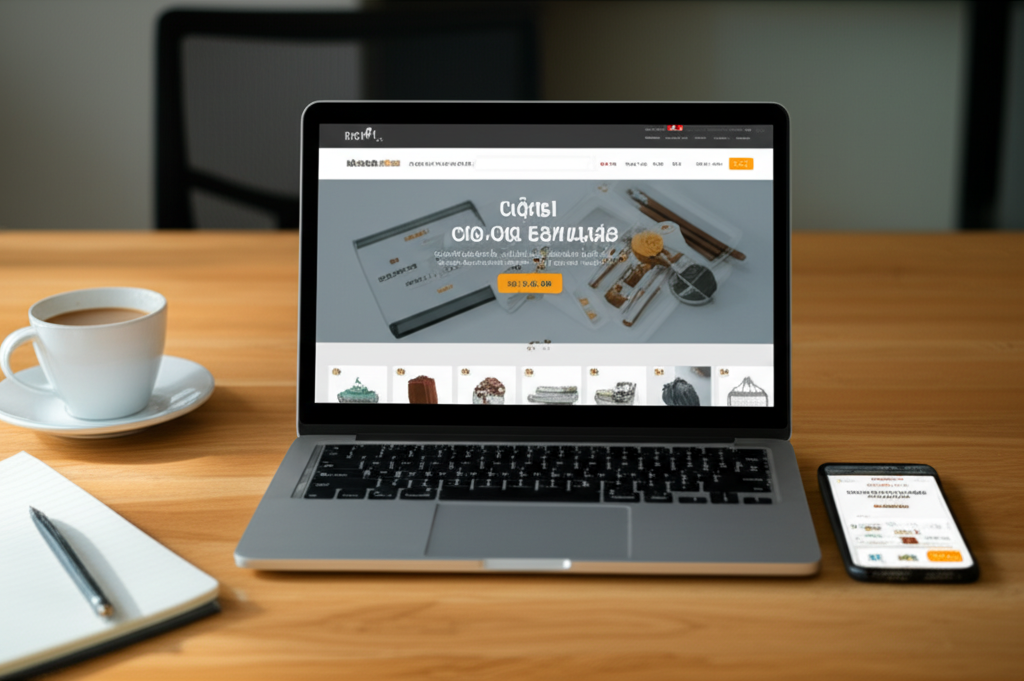
Using Cash on Delivery (COD) to Overcome First-Time Buyer Fear
For a new Sri Lankan online store, offering Cash on Delivery (COD) is one of the fastest ways to earn trust with first-time buyers and in low‑trust categories like beauty, fashion, and electronics. Studies show COD is still the dominant payment method locally, with over half of Sri Lankan online shoppers preferring to pay in cash at the doorstep due to fear of scams and distrust of card payments.[1][2][5] This “see the product first, pay later” model directly reduces perceived risk and makes it easier for hesitant customers to try your store for the first time.[1][4]
Highlight COD Everywhere to Reduce Anxiety
Make COD impossible to miss across your site:
- Product pages: Add a visible “Cash on Delivery Available” badge near the price and under the Add to Cart button, especially on high-risk categories like beauty and personal care where COD usage is very high.[1]
- Site banners: Use homepage and category banners to state “Islandwide Delivery + Cash on Delivery” or the specific areas you serve, which is crucial in a market where trust and logistics remain challenges.[3][4]
- Checkout: Clearly show COD as a payment option with a short reassurance line like “Pay only when your order arrives – no card details needed,” addressing card‑security fears that keep many shoppers from digital payments.[1][4]
Set Smart COD Rules to Cut Fake or Risky Orders
To protect your margins while still using COD to build trust:
- Order value limits: Allow COD up to a certain basket size (for example, mid‑range orders) and require prepaid for very high‑value products such as premium electronics.
- Serviceable areas: Offer COD only in locations where your logistics partners are reliable and last‑mile risks are manageable, a key issue in parts of Sri Lanka.[3][4]
- Verification steps: For suspicious or high‑value COD orders, use quick confirmation via call or SMS before dispatch to reduce fake addresses and refusals.
Gradually Nudge Loyal COD Buyers to Prepaid
While COD is crucial today, digital payments in Sri Lanka are growing with cards, LankaQR, and e-wallets gaining traction.[3][4] You can slowly shift loyal COD customers by:
- Small incentives: Offer tiny discounts, loyalty points, or free samples for prepaid orders.
- Education: Use emails, WhatsApp, and banners to explain how secure gateways, bank protections, and QR payments work, addressing fraud concerns that keep shoppers on COD.[1][4]
- Tiered benefits: Give prepaid customers early access to sales or faster shipping, while still keeping COD open for those who need it.
When combined with visible reviews and a clear returns policy, COD becomes a powerful bridge from “I don’t trust this new site” to “I’m confident enough to pay online,” helping your Sri Lankan store grow sustainably in a trust‑sensitive market.[1][3][4][5]

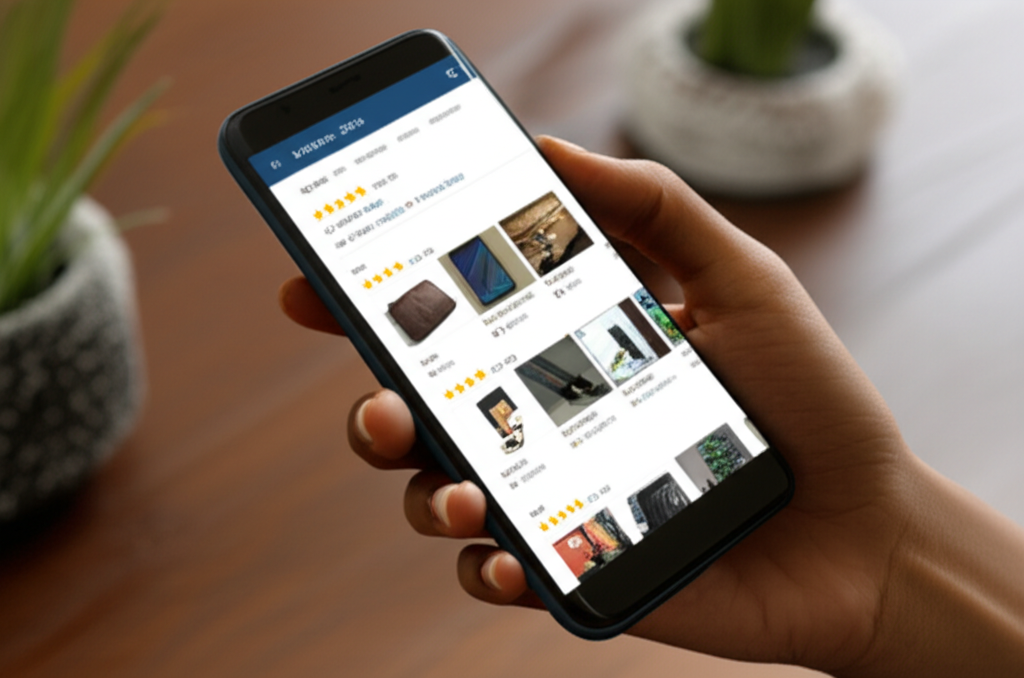
Creating a Clear, Friendly, and Reliable Returns & Refunds System
Many Sri Lankan shoppers worry they will receive the wrong size, fake, or damaged items and then be unable to get their money back, especially when they cannot see or touch the product before buying.[1] A clear, fair return policy reduces this fear by showing that you stand behind your products and are ready to fix problems, which is proven to increase customer trust and repeat purchases.[1]
Write your returns policy in simple, plain language that answers three questions fast: Can I return this? How much time do I have? Will it cost me anything?[2] Avoid legal jargon; use short sentences and bullet points.[2][3] Clearly state the return window (for example, 14–30 days), what condition items must be in (unused, tags on, original packaging), and which items cannot be returned (e.g., underwear, clearance, or perishable goods).[1][3] Place a visible “Returns & Refunds” link in your footer, product pages, and checkout so shoppers can read it before paying or choosing Cash on Delivery (COD).[2]
Operationally, define how returns will work in Sri Lanka:
- Return channels: Offer courier pickup from the customer’s address and convenient drop-off points with logistics partners or collection hubs, similar to pick-up/drop-off (PUDO) locations used globally.[3]
- Step-by-step process: 1) Customer submits a return request (WhatsApp/form/call) with order ID and photos. 2) You approve and arrange pickup or share drop-off instructions. 3) Item reaches your warehouse for inspection.[1][3]
- Inspection rules: Check the product condition, tags, packaging, and reason (damaged, not as described, wrong size) against your policy requirements before accepting.[1][3]
- Refund timelines: Clearly state when you will refund after receiving and inspecting the item (e.g., within 3–7 business days) and whether the refund is to the original payment method, bank transfer, or store credit.[2][3][4] Inform customers that banks may take extra days to show the money.[2]
To reduce abuse while staying customer-friendly, add smart safeguards instead of making the policy harsh. You can reserve the right to decline returns if you see patterns of frequent, suspicious returns, as many ecommerce policies do.[2] Use tagging and tamper-evident stickers to ensure items are unused and resellable.[1][3] Encourage customers to record unboxing videos so damage-in-transit claims are easier to verify. For first-time customers, consider a one-time goodwill gesture (full refund or free exchange) even in borderline cases; many merchants use selective, case-by-case flexibility to protect long-term loyalty without opening the door to systematic abuse.[2][4]
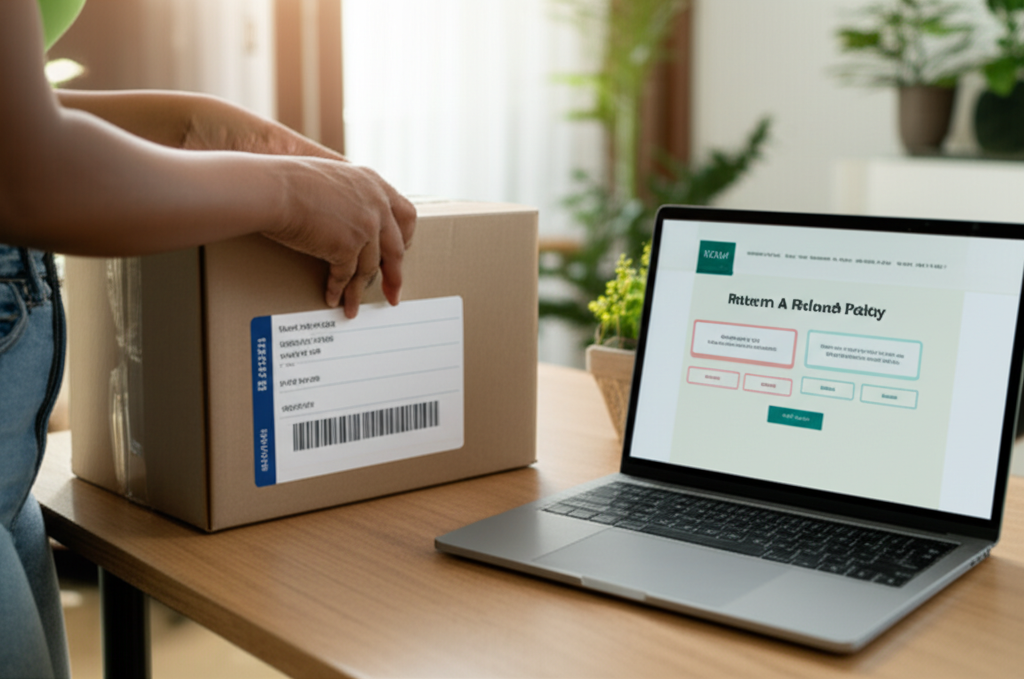
Leveraging Local Channels: Social Media, WhatsApp, and Marketplaces for Trust
For a new Sri Lankan online store, trust is earned where customers already spend their time: Facebook, Instagram, TikTok, WhatsApp, and familiar marketplaces. Sri Lankan shoppers look for transparency, responsive service, and social proof before committing, especially when using cash on delivery or trying a new brand.[1][2][6]
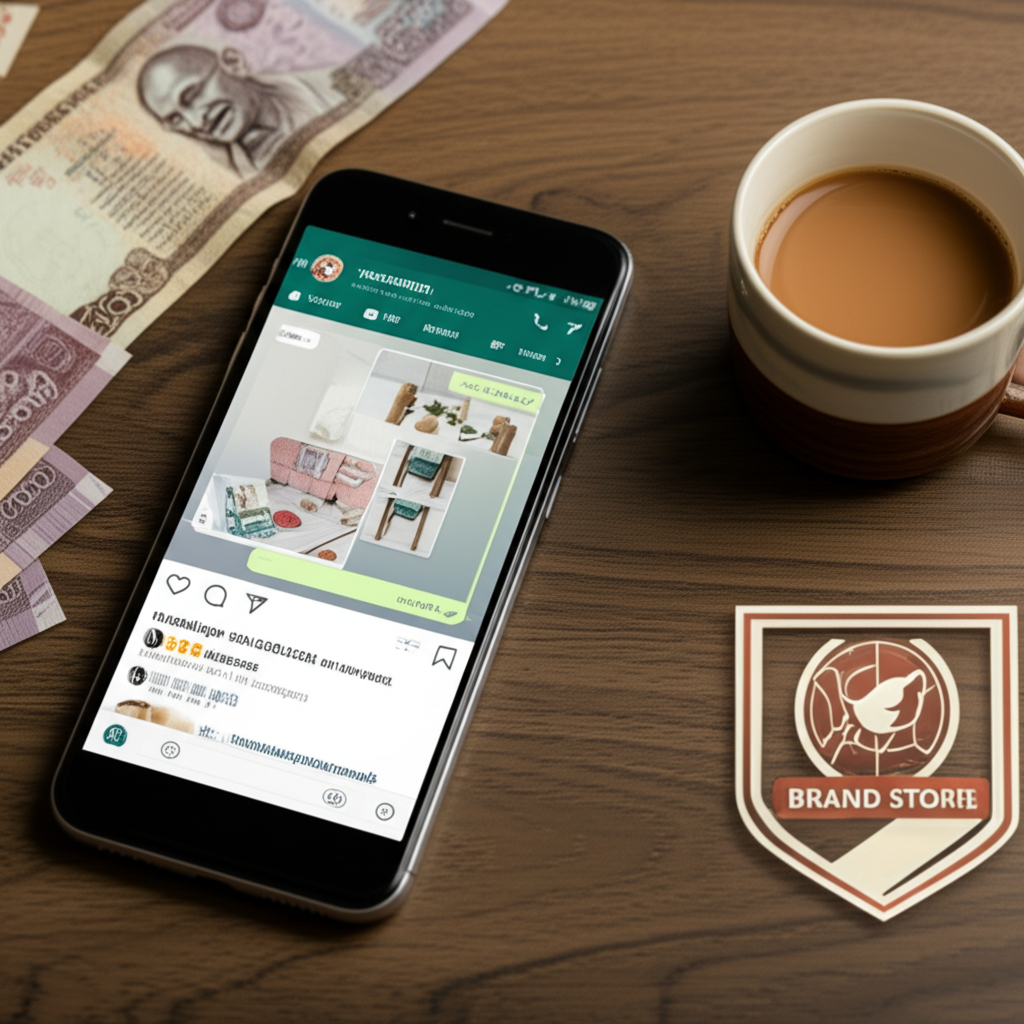
Being consistently active on Facebook, Instagram, TikTok, and WhatsApp helps build familiarity and credibility. Share daily or weekly content, show behind-the-scenes packing, and post clear updates on delivery, cash-on-delivery terms, and return policies to reduce anxiety.[1][2][6] Respond quickly to comments and DMs; fast replies signal reliability and improve customer satisfaction and loyalty.[1][2] Use WhatsApp Business for order confirmations, FAQs, and return instructions so customers feel guided throughout the journey.
Humanizing your brand is critical for Sri Lankan consumers, who value dialogue and authenticity over pure advertising.[3] Partner with local influencers and micro-creators who speak in Sinhala or Tamil and understand local culture and price sensitivities.[3] Ask them to demonstrate unboxing, COD delivery, and returns so people see the process in real life. Repost real customer photos and reviews (with permission) to prove that everyday Sri Lankans are successfully ordering and returning products when needed.[2][6] Visible reviews and testimonials significantly boost perceived safety and trust.[2][6]
In the early stages, you can also “borrow trust” by listing on established Sri Lankan marketplaces or delivery apps while building your own site. Customers already associate these platforms with secure payments, reliable delivery, and clearer return frameworks, which reduces fear of being scammed.[1][2][6] Clearly link or mention your brand site and social pages in marketplace listings so marketplace buyers gradually become direct customers.
Across all these channels, keep branding consistent: same logo, colours, tone of voice, and clear mention of your COD, review, and return policies.[1] During promotions or crises (stock delays, courier issues), communicate early and transparently about timelines, fees, and solutions; openness around problems is a powerful trust builder in Sri Lanka’s e-commerce context.[2][6] Pin key posts that explain how COD works, how to leave reviews, and how to request returns, so new visitors immediately see that your store is structured, responsive, and on the customer’s side.
Operational Reliability: Delivery, Support, and Consistency That Earn Long-Term Trust
For a new Sri Lankan online store, operational reliability is where promises become proof. Research on e‑commerce in Sri Lanka shows that trustworthiness, delivery reliability, and reduced perceived risk are critical to adoption and repeat purchases.[1][2]
Reliable delivery builds confidence
Partner with reputable local couriers that already serve your key districts and have a track record for on-time COD delivery and careful handling.[1] Clearly state delivery timeframes by district (e.g., Colombo 1–15: 1–2 days, Galle: 2–3 days, Jaffna: 3–5 days) on product pages, checkout, and order confirmation. Transparent shipping costs, timeframes, and return logistics reduce perceived risk and abandonment.[2]
Proactive order updates reduce anxiety
Uncertainty is a major source of online trust problems; regular, simple communication is one of the most effective “credibility cues.”[2][4] Automate status updates via SMS, email, or WhatsApp at key stages: order placed, order confirmed, dispatched, out for delivery, and delivered. Allow customers to track parcels in real time through a link. This sense of control reduces anxiety around COD, showing that your store is accountable at every step.[2][4]
Customer service that feels human and dependable
Trust is strengthened when customers can quickly reach a real person.[4] Define and publish:
- Hotline / chat hours (e.g., 9:00–21:00, 7 days a week).
- Target response times (e.g., under 5 minutes for chat, under 2 working hours for email).
- A clear escalation path from frontline agents to a supervisor or owner for complaints, COD disputes, or return issues.
AI chatbots and helpdesks can handle basic queries instantly, while trained agents handle complex issues, boosting satisfaction and loyalty.[3][4]
Measure trust and improve it over time
Trust is not abstract; it can be tracked and optimized.[2][4]
- Repeat purchase rate – how many first-time customers order again.
- COD success rate – percentage of COD orders successfully delivered and paid.
- Return reasons – wrong item, damaged, quality dissatisfaction; use this to fix product, packaging, or courier issues.[2]
- Review scores and comments – monitor product and store ratings, and respond publicly to show accountability.[2][4]
By closing the loop between delivery performance, support quality, and these trust metrics, a new Sri Lankan store can steadily increase reliability—and the long-term loyalty that comes with it.[1][2][4]






Building Social Proof with Reviews and Local Testimonials
Sri Lankan shoppers are highly cautious online and lean heavily on **reviews, word-of-mouth, and social media comments** before placing an order, especially with newer stores.[1][4] Research on Sri Lankan e-commerce shows that **trust, online reputation, and word-of-mouth** significantly increase purchase intention, often more than delivery terms alone.[1] Trust itself is a major driver of online purchase intention and must be actively built by the retailer.[4]
Start by collecting reviews **ethically and systematically**. After delivering an order, send a short, polite SMS or WhatsApp message asking the customer to rate the product and service, with a direct link to a simple review form. Make it clear that feedback (positive or negative) helps you improve and is never “bought” with gifts or fake incentives. You can also send a follow-up email a few days after delivery, timed so the customer has used the product and can comment on quality, fit, or freshness.[2][3]
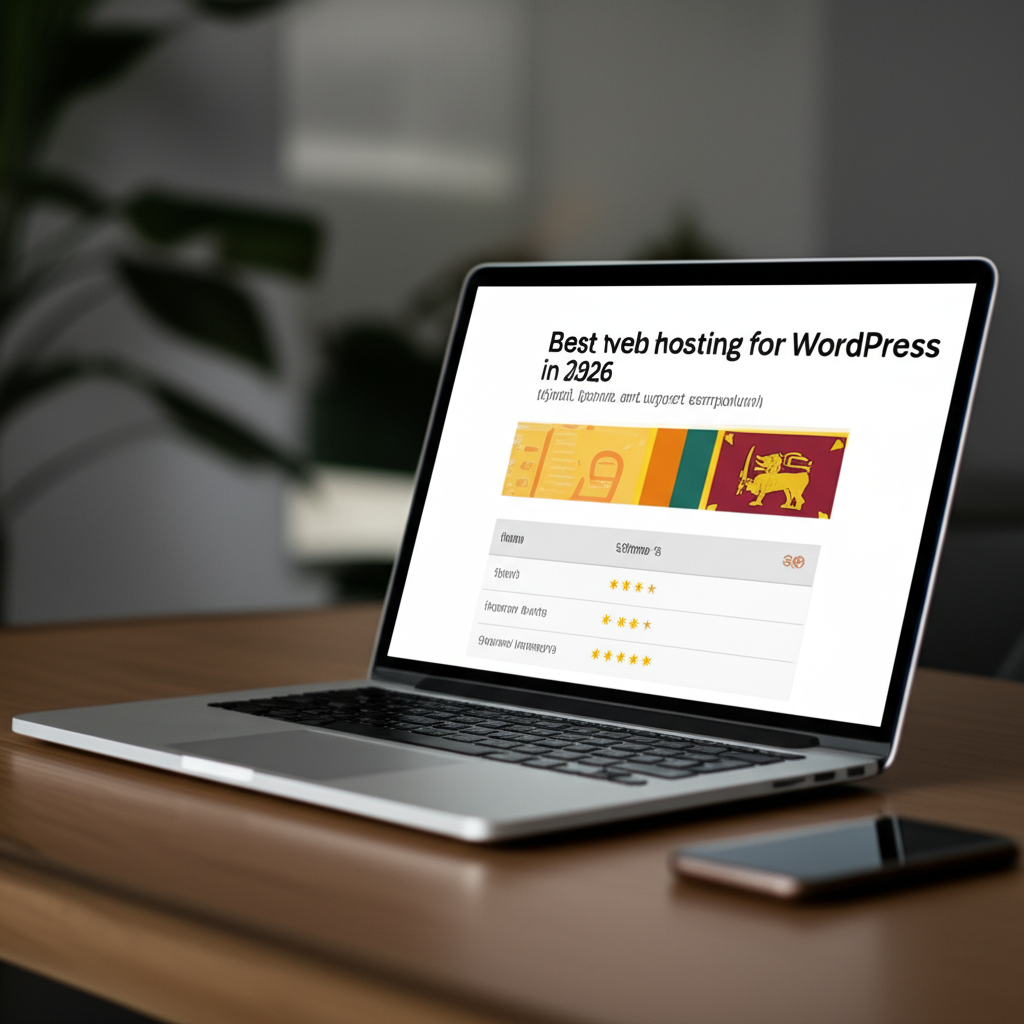
On your site, turn this feedback into visible **social proof**. Show **star ratings** on category and product pages so buyers can compare at a glance. Highlight **photo reviews** from Sri Lankan customers to reduce perceived risk by showing real usage, packaging, and delivery quality. Add **“Verified Buyer”** labels for reviews submitted only after an actual order in your system to signal authenticity and reduce doubts about fake feedback, which is crucial for building trust in a market where uncertainty is still a major barrier.[1][4][5]
Negative feedback is unavoidable, but in Sri Lanka’s tightly connected social and family networks, how you respond can either damage or deepen trust.[1][5] Reply publicly and respectfully, acknowledge the problem, and explain the fix—whether that is a replacement, refund, or improved process. When a complaint is resolved, ask the customer’s permission to share the story (e.g., “Customer received a damaged item, we replaced it in 24 hours”) as a short testimonial or case study. These “problem-resolved” stories demonstrate that your **cash-on-delivery, returns, and support policies** are real, not just marketing claims, and can transform an initial mistake into one of your strongest trust signals.[5]