With dozens of web design companies operating in Sri Lanka, choosing the right one can feel overwhelming. Every company claims excellence; portfolios all look professional; pricing varies confusingly. How do you cut through marketing claims and make a decision you’ll be confident about?
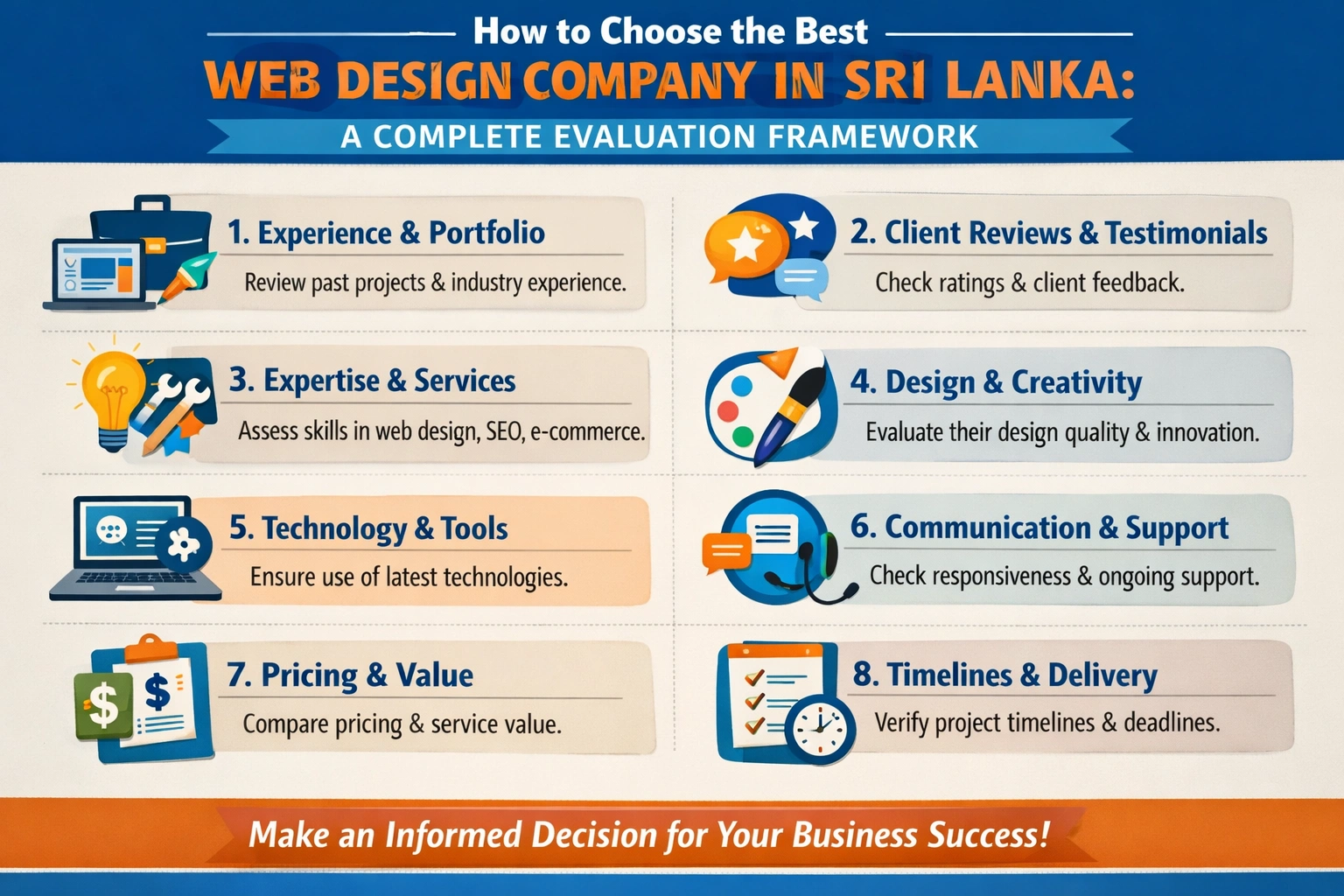
You need a systematic approach—a framework that helps you evaluate options consistently, compare them fairly, and identify the partner most likely to deliver what your business actually needs. That’s what this guide provides.
Before You Start: Defining Your Requirements
Effective evaluation requires knowing what you’re evaluating against. Before contacting any web design company in Sri Lanka, clarify your own requirements:
Business Objectives
What should your website accomplish? Lead generation? Direct sales? Information delivery? Brand building? Different objectives call for different approaches. A company excellent at e-commerce might be wrong for a corporate presence site.
Feature Requirements
List specific functionality you need. E-commerce capabilities? Booking systems? Member portals? Blog functionality? Integration with existing systems? Document concrete requirements so you can verify whether companies can deliver them.
Budget Reality
Know your budget range before starting conversations. This doesn’t mean sharing it immediately with vendors, but having internal clarity helps you focus on realistic options.
Timeline Needs
When do you need the site launched? Fixed deadlines (tied to business events) differ from preferences. Understanding your timeline constraints helps evaluate whether companies can meet them.
Phase One: Creating Your Long List
Start by identifying potential companies to evaluate. Cast a reasonably wide net at this stage.
Sources for Finding Companies
Business referrals from colleagues who’ve had good experiences carry significant weight. Online searches for “web design company Sri Lanka” reveal active market players. Industry directories and business associations list established companies. Portfolio examples you admire—finding out who built sites you like.
Initial Filtering
Before investing time in detailed evaluation, apply basic filters. Do they have relevant portfolio work? Have they been operating long enough to demonstrate stability? Is their own website professional? Do they appear to serve businesses like yours?
This quick filtering should reduce your long list to perhaps five to ten companies worth serious evaluation.
Phase Two: Capabilities Assessment
For each remaining company, evaluate their actual capabilities against your requirements.
Technical Competence
Review their stated technology expertise. If you need WordPress development, do they demonstrate WordPress proficiency? If you need e-commerce, what platforms do they work with? Match their technical capabilities to your technical requirements.
For web development involving custom functionality, assess their development approach. Modern frameworks? Current coding practices? Ask questions that reveal technical depth, even if you don’t fully understand the technical details yourself.
Design Quality
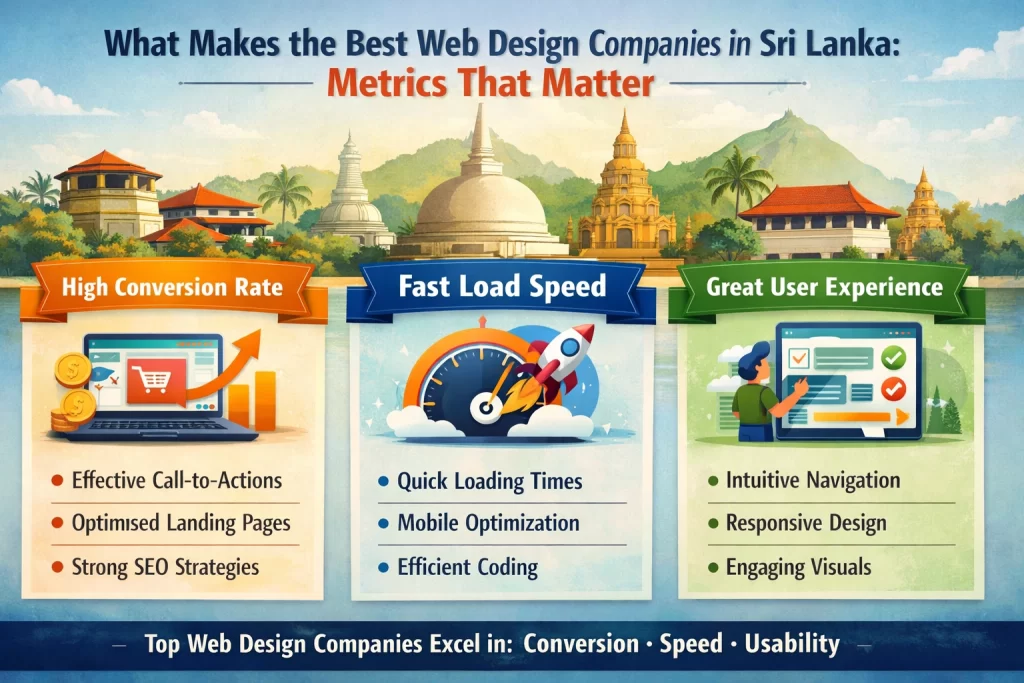
Examine portfolio work critically. Beyond initial visual impressions, consider whether designs serve business objectives, how they handle mobile responsiveness, whether sites load quickly, and if user experience seems thoughtful.
Visit live portfolio sites. Navigate them as a user would. Try completing typical tasks. This reveals more than static screenshots ever could.
Service Breadth
What services do they offer beyond design and development? Content creation? SEO? Ongoing maintenance? Training? Companies offering comprehensive services simplify your vendor management; specialists might excel in narrow areas but require coordination with other providers.
Phase Three: Experience Evaluation
Beyond capabilities, evaluate their experience with projects and clients similar to yours.
Industry Experience
Have they worked with businesses in your industry? Industry-specific experience means faster project ramp-up and fewer learning-curve mistakes. While generalist companies can serve any industry, specialists often deliver better results for their focus areas.
Project Scale Experience
Have they handled projects of similar scope to yours? Companies comfortable with large enterprise projects might not be the right fit for a small business site, and vice versa. Match their experience level to your project’s complexity.
Client Longevity
Do they maintain long-term client relationships? Companies with clients returning for repeat work demonstrate satisfied customers better than any testimonial.
Phase Four: Reference and Reputation Checks
Marketing materials present idealised versions. Dig deeper to understand actual performance.
Client References
Request references and actually contact them. Ask specific questions: Was the project delivered on time? On budget? How was communication? Were there any significant problems? Would they hire this company again?
Online Reputation
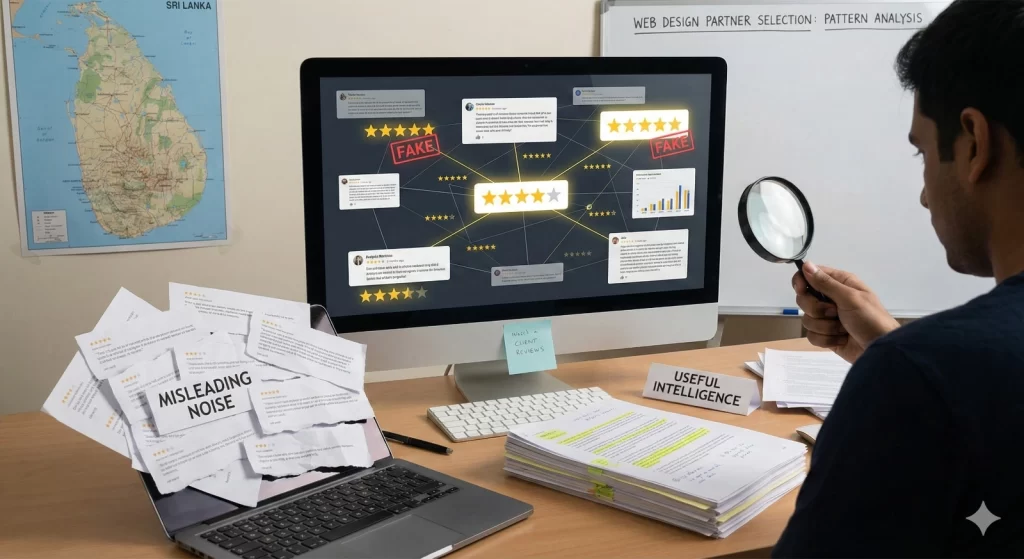
Search for company reviews and mentions. Google Business reviews, LinkedIn recommendations, and industry forum discussions can reveal patterns that formal references might not.
Industry Standing
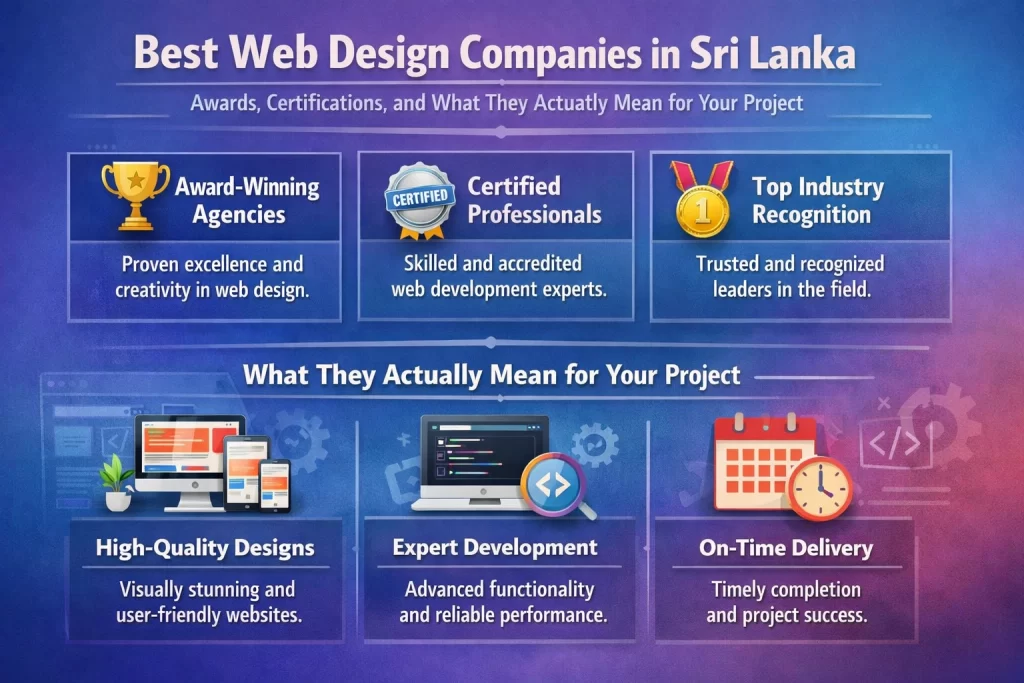
Are they members of professional associations? Have they received industry recognition? While awards and memberships aren’t guarantees of quality, they do suggest some level of professional standing.
Phase Five: Process and Communication Assessment
How a company works matters as much as what they can deliver.
Initial Communication Quality
How quickly do they respond to your initial inquiry? Is their response thoughtful or generic? Do they ask intelligent questions about your needs? Early communication often predicts project communication.
Process Documentation
Can they clearly explain their development process? Companies with defined processes—discovery phases, design stages, development milestones, testing procedures—typically deliver more consistently than those winging it.
Project Management Approach
How do they manage projects? What tools do they use for communication and tracking? How frequently will they update you? Understanding their project management style helps you assess fit with your preferences.
Phase Six: Proposal Evaluation
With shortlisted companies, request detailed proposals for your specific project.
Scope Clarity
Does the proposal clearly specify what’s included? Vague proposals lead to scope disputes later. Professional proposals itemise deliverables, specify features, and clarify assumptions.
Timeline Realism
Are proposed timelines realistic? Suspiciously fast timelines often indicate either corner-cutting plans or promises that won’t be kept. Compare timelines across proposals—significant outliers deserve questioning.
Pricing Structure
Understand exactly what prices include and how additional work will be handled. Compare not just total prices but what each price includes. The lowest number isn’t necessarily the best value.
Terms and Conditions
Review payment terms, cancellation policies, ownership provisions, and support arrangements. Reasonable terms protect both parties; heavily one-sided terms suggest problematic approaches.
The Evaluation Matrix
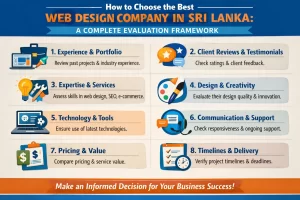
Structure your comparison using a weighted evaluation matrix. Identify your key criteria (perhaps ten to fifteen factors), weight them by importance to you, and score each company against each criterion. This systematic approach helps you compare objectively rather than being swayed by the most recent or most polished presentation.
Common evaluation criteria include:
- Portfolio quality and relevance
- Technical capability alignment
- Industry experience
- Communication quality
- Price competitiveness
- Process maturity
- Reference feedback
- Team expertise
- Support and maintenance offerings
- Cultural and communication fit
Weight these according to your priorities. A company might score highest on price but lower on portfolio quality—whether that trade-off makes sense depends on your situation.
Making the Final Decision
After systematic evaluation, you should have a clear picture of each company’s strengths and weaknesses relative to your needs. But final decisions involve judgment beyond checkboxes.
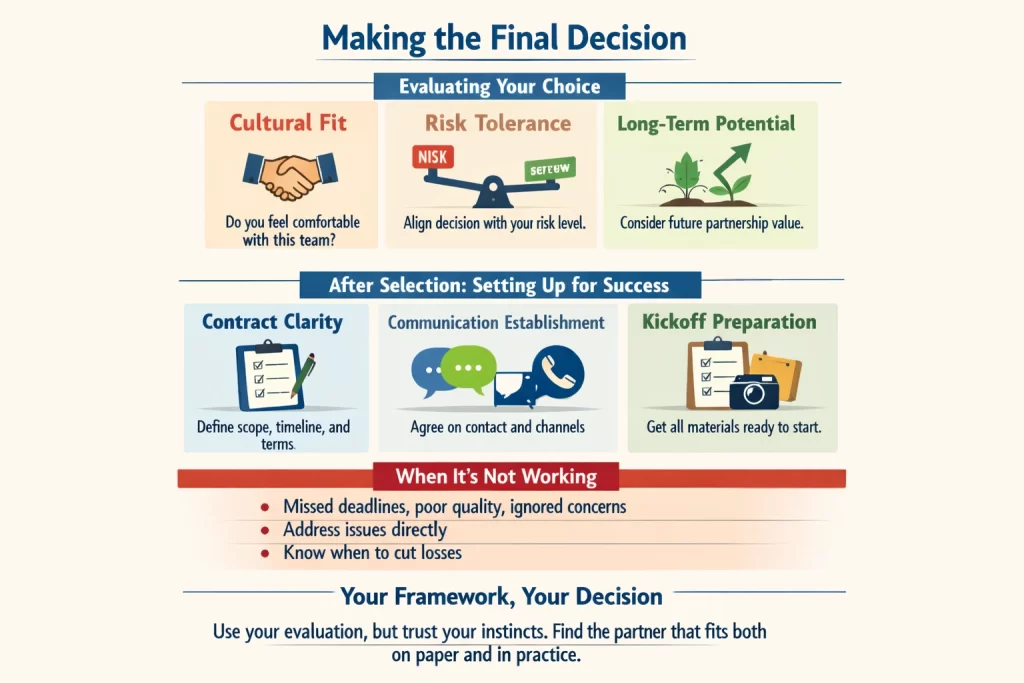
Cultural Fit
Do you feel comfortable working with this team? Trust your instincts about working relationships. A company that’s technically perfect but personally grating might not serve you well through a months-long project.
Risk Tolerance
Higher-risk options (newer companies, lowest prices, unproven approaches) might offer better upside but also more potential downside. Match your choice to your risk tolerance and how critical this project is.
Long-Term Potential
If you anticipate ongoing needs, consider partnership potential beyond the immediate project. A web design in Sri Lanka partner you can grow with has value beyond any single project.
After Selection: Setting Up for Success
Choosing the right company is only the beginning. Setting up the relationship properly helps ensure project success.
Contract Clarity
Document your agreement clearly. Scope, timeline, pricing, terms—all should be in writing before work begins. Professional companies expect and welcome clear contracts.
Communication Establishment
Agree on communication channels, frequency, and contacts. Establish who your primary contact is and how escalation works if needed.
Kickoff Preparation
Prepare what you’ll need to provide—content, images, access credentials, brand guidelines. Starting projects with everything ready demonstrates professionalism and enables efficient work.
When It’s Not Working
Sometimes even careful selection results in problematic engagements. Recognise warning signs early: missed deadlines without communication, quality significantly below expectations, dismissive attitudes toward your concerns.
Address problems directly and early. Document issues in writing. Give reasonable opportunity for correction. But also know when to cut losses—staying with a failing engagement rarely produces good outcomes.
Your Framework, Your Decision
This framework provides structure, but the decision remains yours. No framework captures everything; some of the best partnerships emerge from factors that resist systematisation.
Use this approach as a guide while remaining open to what you learn through the evaluation process. The goal isn’t checking every box—it’s finding a partner who will help your business succeed online. When you find the right web design company in Sri Lanka for your needs, you’ll likely know it through both systematic evaluation and intuitive sense.