What is Blockchain
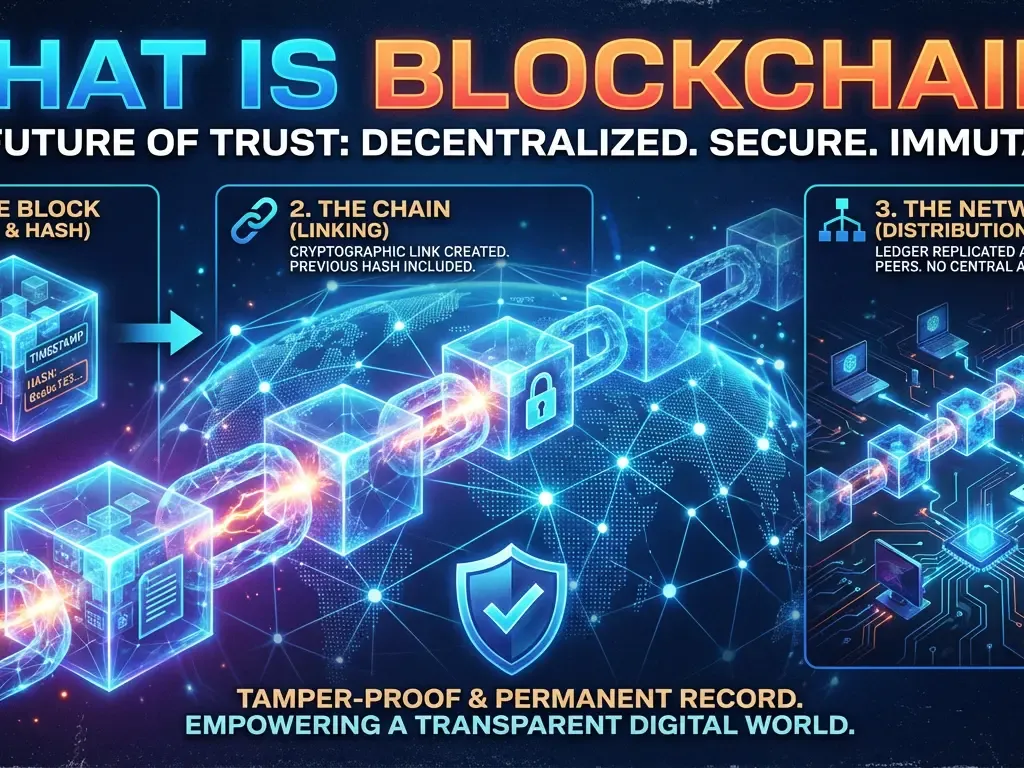
Have you ever felt frustrated with the lack of transparency and security in online transactions? You're not alone. Many people struggle with the limitations of traditional systems, where data can be easily manipulated and transactions can be reversed. But what if you could use a technology that all...
Have you ever felt frustrated with the lack of transparency and security in online transactions? You're not alone. Many people struggle with the limitations of traditional systems, where data can be easily manipulated and transactions can be reversed. But what if you could use a technology that allows for secure, transparent, and tamper-proof transactions? This is where blockchain comes in, a revolutionary technology that has the potential to transform the way we conduct transactions and store data. By the end of this article, you'll have a deep understanding of what blockchain is, how it works, and its many benefits and use cases.
You'll learn about the decentralized network, distributed ledger, and cryptography that underpin blockchain, as well as the various consensus algorithms that enable secure and efficient transaction processing. You'll also discover the many benefits of blockchain, including its security, transparency, and immutability, and explore its various use cases, from cryptocurrency to supply chain management and voting systems. Whether you're a business owner, investor, or simply someone interested in technology, this article will provide you with a comprehensive understanding of blockchain and its potential to transform the way we live and work.
Introduction to Blockchain
A blockchain is a decentralized network of computers that work together to record and verify transactions. It's a distributed ledger that allows multiple parties to agree on the state of a database, without the need for a central authority. This is made possible by cryptography, which ensures that all transactions are secure and tamper-proof. The blockchain network is maintained by a network of computers, known as nodes, which work together to validate and add new transactions to the ledger.
The decentralized nature of blockchain is one of its key features. Unlike traditional systems, where data is stored in a central location, blockchain data is distributed across the network, making it more secure and resilient. The use of cryptography ensures that all transactions are encrypted and can only be accessed by authorized parties. This provides a high level of security and transparency, as all transactions are recorded on the ledger and can be viewed by anyone with access to the network.
For example, the Bitcoin blockchain is a decentralized network of computers that work together to record and verify transactions. The network is maintained by a group of volunteer computers, known as miners, which work together to validate and add new transactions to the ledger. The use of cryptography and a decentralized network ensures that all transactions are secure and tamper-proof, making it a trusted and reliable way to conduct transactions.

How Blockchain Works
So, how does blockchain work? The process begins with the creation of a new block, which is a collection of transactions that are verified and added to the ledger. The block is then broadcast to the network, where it is verified by each node using complex algorithms. Once the block is verified, it is added to the ledger, and each node updates its copy of the blockchain.
The process of verifying and adding new blocks to the ledger is known as mining. Miners use powerful computers to solve complex mathematical problems, which helps to secure the network and verify transactions. The first miner to solve the problem gets to add a new block to the ledger and is rewarded with a certain number of newly minted cryptocurrency tokens.
Consensus algorithms, such as proof-of-work or proof-of-stake, are used to ensure that all nodes on the network agree on the state of the ledger. These algorithms help to prevent a single node from manipulating the ledger, ensuring that the blockchain remains secure and trustworthy. For example, the Ethereum blockchain uses a proof-of-work algorithm, which requires miners to solve complex mathematical problems to verify transactions and add new blocks to the ledger.
Benefits of Blockchain
So, what are the benefits of blockchain? One of the key benefits is its security. The use of cryptography and a decentralized network ensures that all transactions are secure and tamper-proof. Additionally, the ledger is transparent, allowing anyone to view all transactions that have taken place on the network.
Another key benefit is immutability. The ledger is immutable, meaning that once a transaction is recorded, it cannot be altered or deleted. This provides a high level of trust and reliability, as all parties can be confident that the ledger is accurate and up-to-date.
The benefits of blockchain can be seen in a variety of industries, from finance to healthcare. For example, the use of blockchain in supply chain management can help to track the movement of goods and ensure that they are authentic and of high quality. Similarly, the use of blockchain in voting systems can help to ensure that elections are fair and transparent, by providing a secure and tamper-proof record of all votes cast.
Blockchain Use Cases
Blockchain has a wide range of use cases, from cryptocurrency to supply chain management and voting systems. One of the most well-known use cases is cryptocurrency, such as Bitcoin and Ethereum. These cryptocurrencies use blockchain to record and verify transactions, providing a secure and trustworthy way to conduct transactions.
Another use case is supply chain management. The use of blockchain can help to track the movement of goods, ensuring that they are authentic and of high quality. For example, the company Walmart is using blockchain to track the origin of its produce, ensuring that it is fresh and of high quality.
Blockchain is also being used in voting systems, to provide a secure and tamper-proof record of all votes cast. The use of blockchain can help to ensure that elections are fair and transparent, by providing a secure and trustworthy way to conduct voting. For example, the city of Zug in Switzerland is using blockchain to allow citizens to vote on various issues, providing a secure and transparent way to conduct elections.
Blockchain Security
Blockchain security is a critical aspect of the technology. The use of cryptography ensures that all transactions are secure and tamper-proof, but there are also other measures that can be taken to ensure the security of the network. For example, the use of private keys can help to ensure that only authorized parties can access and manipulate the ledger.
Smart contracts are also an important aspect of blockchain security. These contracts are self-executing, with the terms of the agreement written directly into lines of code. They can help to automate various processes, such as the transfer of funds or the exchange of assets, and can provide a high level of security and transparency.
For example, the company Chainlink is using blockchain to provide a secure and trustworthy way to conduct transactions. The company is using a combination of cryptography and smart contracts to ensure that all transactions are secure and tamper-proof, providing a high level of trust and reliability.
The Future of Blockchain
So, what is the future of blockchain? As the technology continues to evolve, we can expect to see widespread adoption across a variety of industries. The use of blockchain in finance, healthcare, and supply chain management is already becoming more prevalent, and we can expect to see even more use cases emerge in the future.
Regulatory frameworks will also play an important role in the future of blockchain. As governments and regulatory bodies begin to understand the benefits and risks of blockchain, we can expect to see more clear and comprehensive regulations emerge. This will help to provide a high level of trust and reliability, as well as ensure that the technology is used in a responsible and secure manner.
Finally, innovation will continue to drive the development of blockchain. As more and more companies and individuals begin to explore the potential of blockchain, we can expect to see new and innovative use cases emerge. For example, the use of blockchain in the Internet of Things (IoT) is already becoming more prevalent, with companies such as IBM and Microsoft exploring the potential of the technology to provide a secure and trustworthy way to conduct transactions.
Key Takeaways
In conclusion, blockchain is a powerful technology that has the potential to transform the way we conduct transactions and store data. By providing a secure, transparent, and tamper-proof way to conduct transactions, blockchain can help to build trust and reliability in a variety of industries. As the technology continues to evolve, we can expect to see widespread adoption across a variety of industries, as well as the emergence of new and innovative use cases.
So, what's the next step for you? Whether you're a business owner, investor, or simply someone interested in technology, it's time to start exploring the potential of blockchain. How will you use blockchain to transform your business or industry? The possibilities are endless, and the future of blockchain is bright.
Frequently Asked Questions
What is blockchain?
A decentralized, distributed ledger technology
How does blockchain work?
Through a network of nodes and a consensus algorithm
What are the benefits of blockchain?
Security, transparency, and immutability
Related Articles
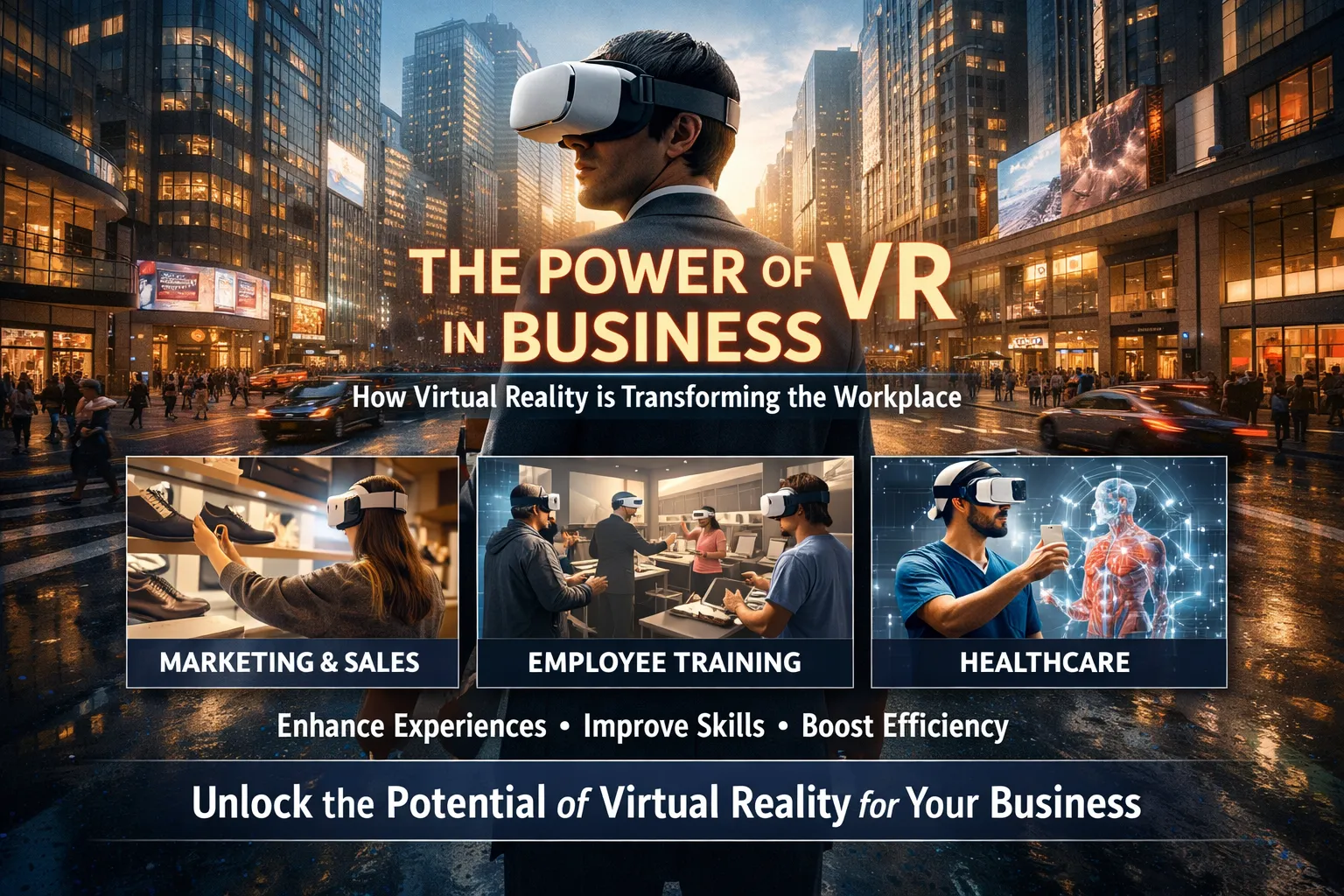
Virtual Reality in Business
Imagine walking into a conference room, putting on a headset, and suddenly finding yourself standing in the middle of a bustling city, surrounded by towering skyscrapers and the sounds of traffic. This is not a scene from a science fiction movie, but a real-life example of how virtual reality (VR)...
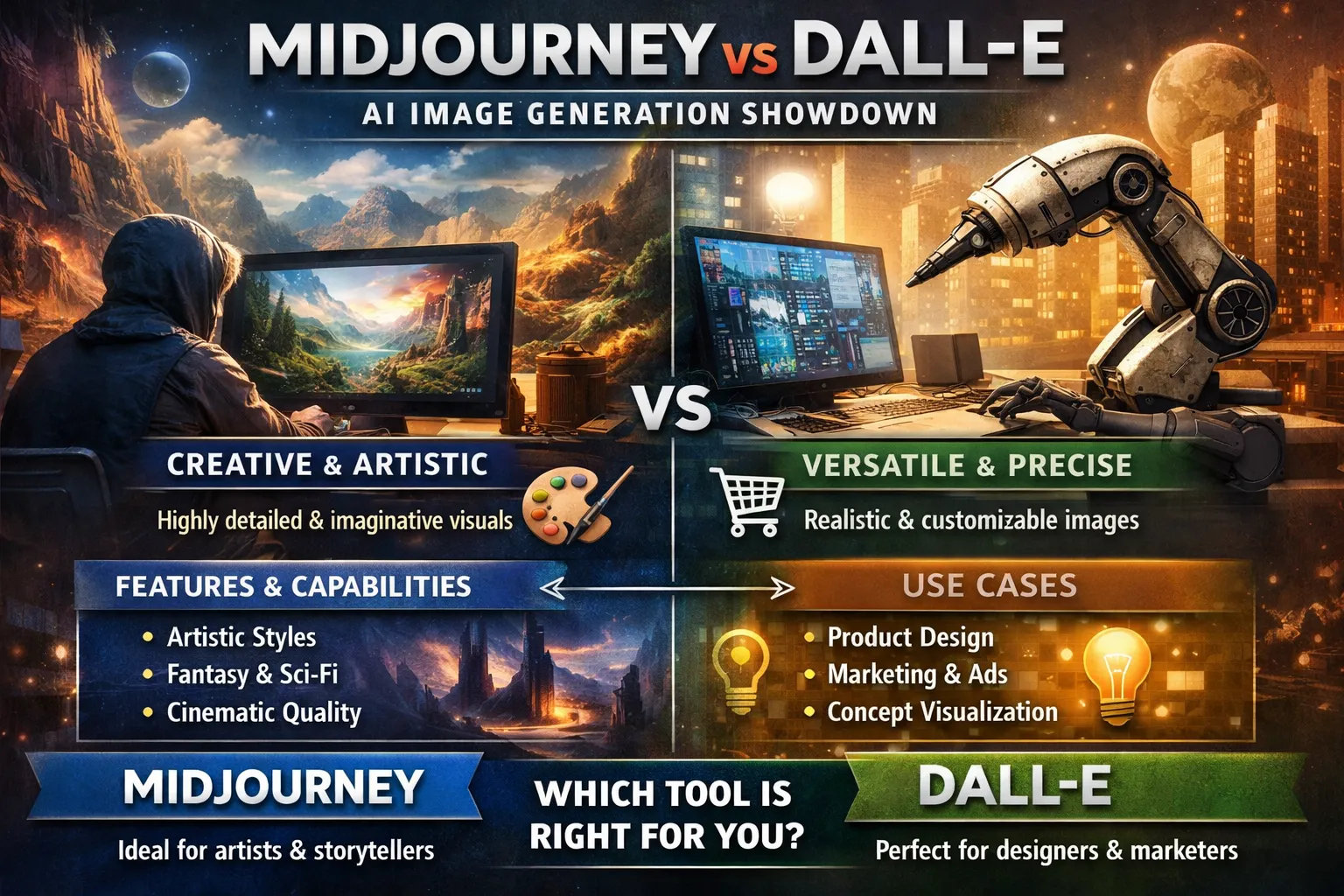
Midjourney vs DALL-E: AI Image Generation Comparison
Imagine being able to generate stunning, high-quality images with just a few clicks of a button. Sounds like science fiction, right? But with the advent of AI image generation, this is now a reality. You can create breathtaking art, design stunning visuals, and even generate images for marketing a...
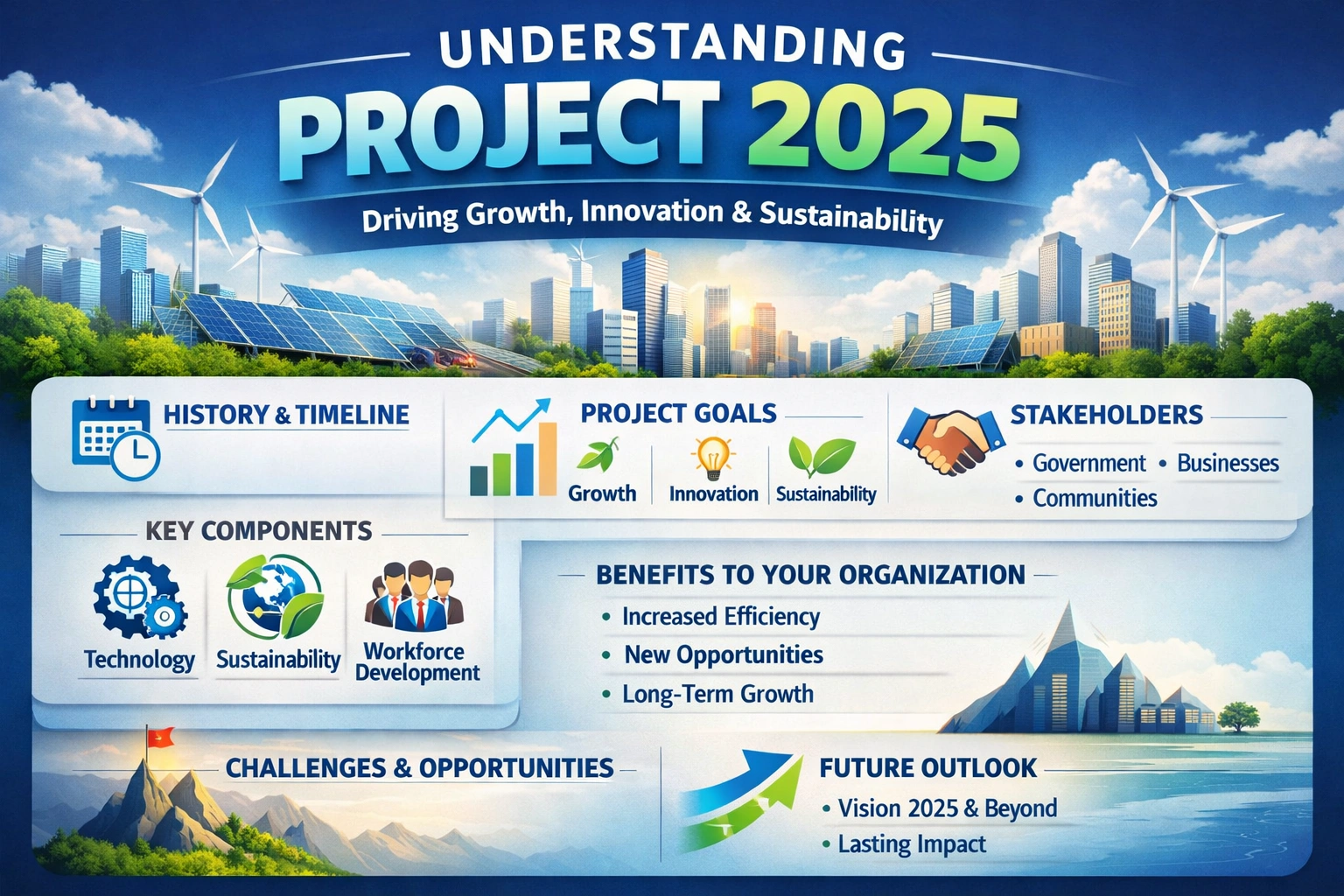
What is Project 2025
As you consider your organization's strategy for the next few years, you may have come across Project 2025, a comprehensive initiative aimed at driving growth, innovation, and sustainability. You might be wondering what this project entails, how it can benefit your organization, and what steps you...

What is Web3
Imagine a version of the internet where you have complete control over your personal data, and you're not at the mercy of giant corporations. Sounds like a utopia, right? Well, this is exactly what Web3 promises to deliver. As you read this, you might be wondering what Web3 is and how it's going t...